
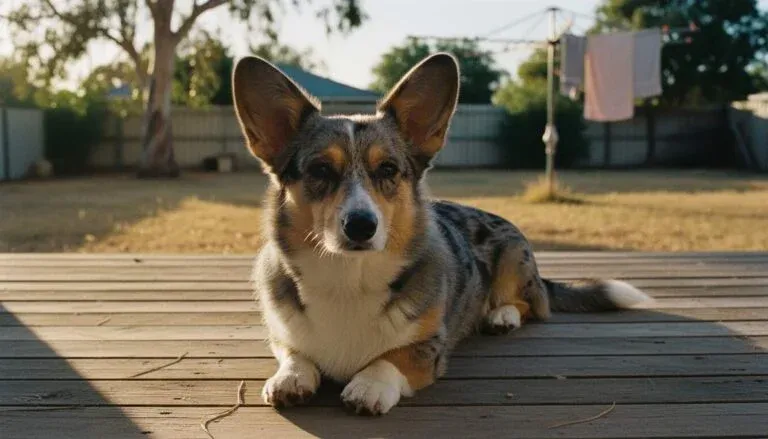
Here’s a fun way to start an argument at a dog park: tell a Pembroke Corgi owner that theirs is the knockoff. Because technically, the Cardigan Welsh Corgi came first — by about 2,000 years. They were herding cattle across the Welsh hills long before the Pembroke variety existed, and they’ve been quietly outperforming their more famous cousin in loyalty, versatility, and tail length ever since.
Yes, the tail. The easiest way to tell a Cardigan from a Pembroke is the long, luxurious fox-like tail that the Cardigan keeps. But the differences go deeper than that. Cardigans are slightly larger, come in more coat colours (including the striking blue merle), and have a calmer, more reserved temperament than the bouncier Pembroke.
In Australia, the Cardigan Welsh Corgi is genuinely rare. There are only a handful of registered breeders across the country, and waitlists for puppies can stretch well past a year. If you’re considering one — or you’re trying to decide between a Cardigan and a Pembroke — this guide covers everything from honest health risks to Australian pricing, without the usual fluff.
What You’ll Learn
- Breed traits & temperament
- Health concerns to know
- True cost in Australia
- Training & exercise needs
- Is this breed right for you?
Breed Quick Facts Table
| Trait | Details |
|---|---|
| Breed Group | Herding (ANKC & AKC) |
| Origin | Cardiganshire, Wales — one of the oldest British breeds |
| Other Names | Cardi, CWC, “The Yard-Long Dog” |
| Size | Medium (low to ground, long-bodied) |
| Height | 27–33 cm (10.5–13 inches) at the shoulder |
| Weight | Males: 14–17 kg | Females: 11–15 kg |
| Coat | Medium-length, dense, weatherproof double coat |
| Colours | Red, sable, brindle, black & tan, black & white, blue merle — usually with white markings |
| Tail | Long, fox-like (the key difference from the Pembroke) |
| Lifespan | 12–15 years (average 13.1 years per 2024 UK study) |
| Temperament | Loyal, intelligent, adaptable, affectionate, alert |
| Shedding | Heavy — year-round with seasonal “coat blows” in spring and autumn |
| Barking Level | Moderate to high — they’re vocal watchdogs |
| Good With Kids | Yes, with older children. May try to herd toddlers by nipping heels. |
| Apartment Friendly | Yes — surprisingly adaptable if exercised daily |
| Exercise Needs | Moderate — 30–60 minutes daily |
| Puppy Price (AUD) | $3,000–$4,500 from registered breeders |
History & Origins
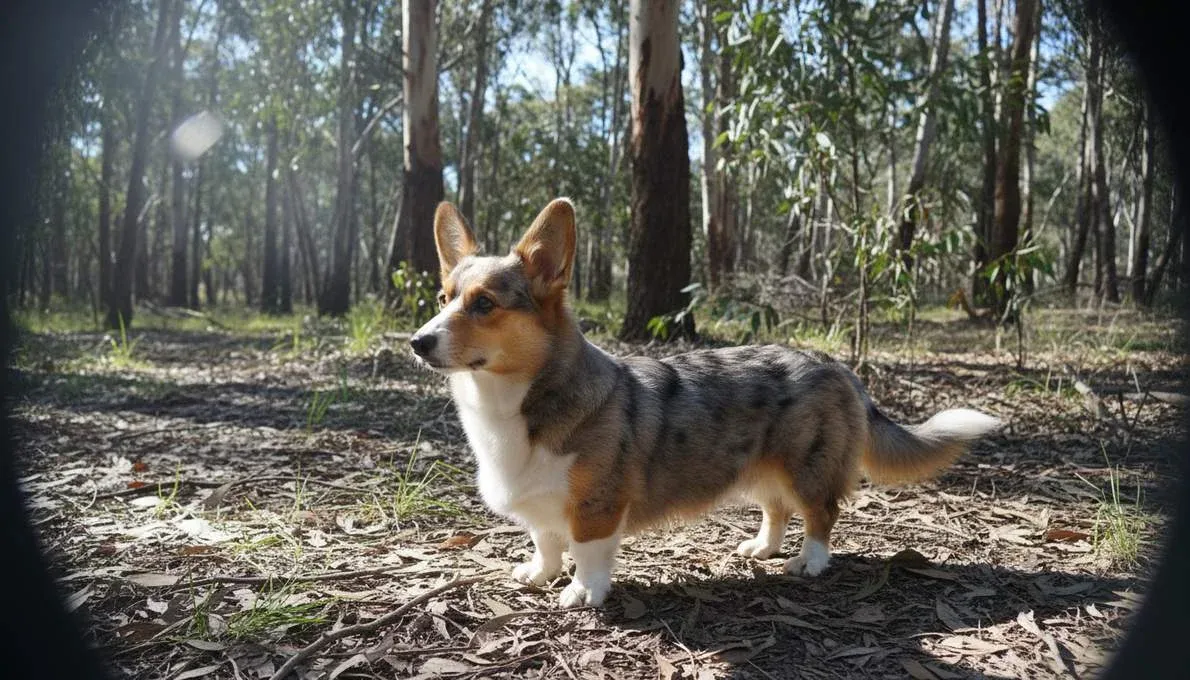
The Cardigan Welsh Corgi is one of the oldest herding breeds in the British Isles, with a lineage that may stretch back over 3,000 years. Celtic tribes migrating from central Europe to Wales are believed to have brought the breed’s ancestors with them — small, sturdy dogs from the same family that eventually produced the Dachshund and Basset Hound.
In the rugged hills of Cardiganshire (now Ceredigion) in southwest Wales, these dogs became indispensable to farmers. Their low-to-the-ground build was perfectly engineered for cattle herding — they could nip at the heels of cows and duck below the retaliatory kicks that would have taken out a taller dog. The Welsh called them “ci-llathed” (yard-long dog), a reference to their impressive nose-to-tail length.
The Cardigan and the Pembroke Welsh Corgi were considered a single breed until 1934, when The Kennel Club officially separated them. The split was overdue — the two varieties had different origins and different builds. The Pembroke likely descended from Spitz-type dogs brought to Wales by Norse settlers, while the Cardigan’s roots sit firmly in the Teckel (Dachshund) family.
The breed arrived in the United States in 1931 and was recognised by the AKC in 1935. In Australia, the Cardigan is registered with the ANKC under the Herding group, but it remains far less common than the Pembroke. Only a small number of dedicated breeders maintain the breed here, primarily in NSW, QLD, VIC, SA, and WA.
Cardigan Welsh Corgi Temperament & Personality
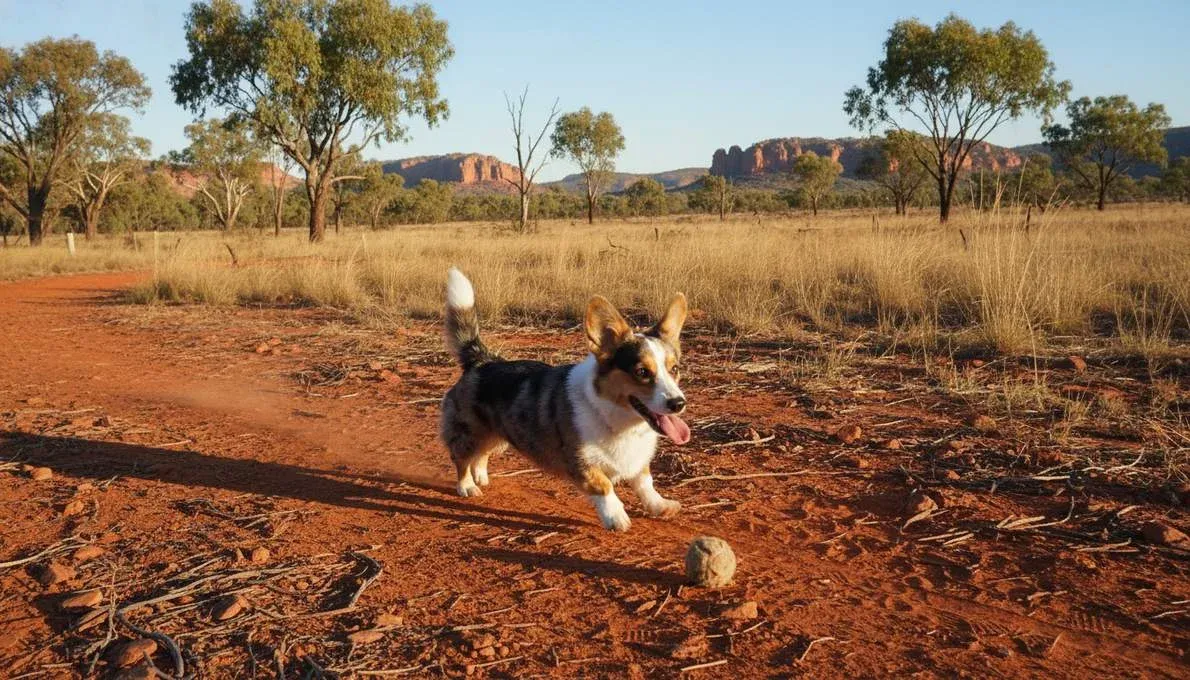
The Cardigan Welsh Corgi temperament is a fascinating blend of working-dog toughness and devoted companionship. They’re not the bouncy, social-butterfly personality of the Pembroke — Cardigans are more measured, more thoughtful, and often described as having an “old soul.”
Cardigans bond intensely with their family. They’re affectionate, devoted, and genuinely happiest when they’re in the same room as you. Many owners describe them as their shadow — a very short, very fluffy shadow that follows you to the bathroom.
These dogs are sharp. They were bred to make independent decisions while herding cattle, and that intelligence translates to fast learning at home. They’re eager to please, which makes them a genuinely good option for first-time dog owners — something that can’t be said for most herding breeds.
Unlike Pembrokes, who tend to greet everyone enthusiastically, Cardigans are more cautious around new people. They’ll watch, assess, and warm up on their own terms. This makes them excellent watchdogs — they will bark to alert you, and the bark is surprisingly deep for a dog this size.
Let’s not sugarcoat this. Cardigans bark. They bark at delivery drivers, passing dogs, suspicious-looking clouds, and sometimes at nothing identifiable. Training can manage it, but if you need a silent dog, this isn’t the breed.
Cardigans are generally patient and affectionate with children. The issue is the herding instinct — running, squealing children trigger a hardwired response to nip at heels. This is manageable with training, but it’s something to be aware of with toddlers.
Cardigans typically get along well with other dogs and can coexist with cats, especially if raised together. Their herding instinct may lead to attempted “rounding up” of smaller pets, which is more annoying than dangerous.
One of the Cardigan’s best traits is versatility. They can thrive on a rural property, in a suburban house with a yard, or even in an apartment — provided they get enough daily exercise and mental stimulation. They adjust to their environment better than most herding breeds.
Cardigan Welsh Corgi Health & Genetic Conditions
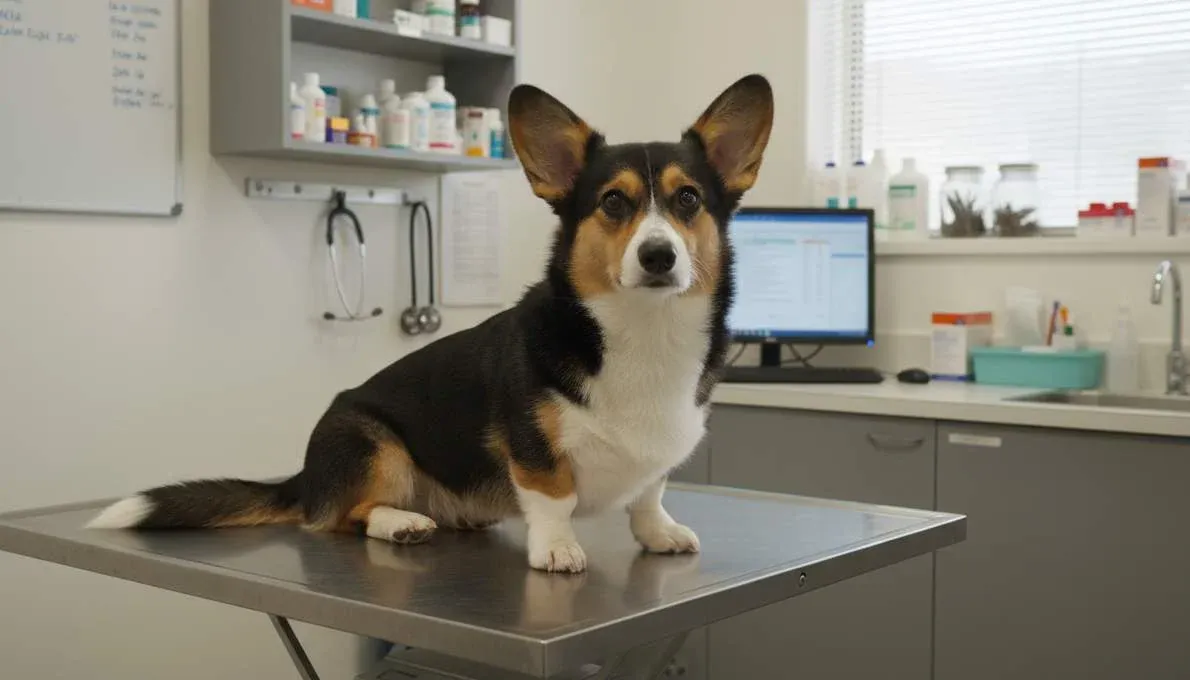
The Cardigan Welsh Corgi is a generally healthy breed with a long lifespan, but their unique body structure — long back, short legs — predisposes them to specific conditions. Knowing what to watch for is part of being a responsible owner.
| Condition | Risk Level | What It Means | Estimated Cost (AUD) |
|---|---|---|---|
| Intervertebral Disc Disease (IVDD) | High (body structure makes them vulnerable) | Herniated spinal disc causing pain, weakness, or paralysis in hind legs. The single biggest health risk for this breed. | $3,000–$10,000 (surgery); $500–$2,000 (conservative treatment) |
| Progressive Retinal Atrophy (PRA) | Moderate — DNA test available | Genetic eye condition causing progressive vision loss, eventually leading to blindness. Cases found in Australian dogs. | $300–$500 (DNA test); no cure — management only |
| Degenerative Myelopathy (DM) | Moderate — DNA test available | Progressive spinal cord disease affecting older dogs, causing hind limb weakness and eventual paralysis. | No cure; $500–$2,000 (supportive care, physiotherapy) |
| Hip Dysplasia | Moderate | Malformation of the hip joint leading to pain and arthritis. Less common than in large breeds but still occurs. | $3,000–$7,000 per hip (surgery); $500–$1,500 (conservative) |
| Obesity | High risk | Cardigans gain weight easily and extra kilos put dangerous strain on their long backs, worsening IVDD risk. | Preventable — proper diet and exercise |
| Double Merle Risk | Only if bred irresponsibly | Breeding two blue merle dogs together can produce puppies with deafness, blindness, and other severe defects. | Avoidable — only buy from ethical breeders who never breed merle to merle |
Always buy from breeders who provide PRA and DM DNA test results, hip scores, and eye certifications. In Australia, reputable Cardigan breeders registered through Dogs Australia and state kennel bodies will have full breed-panel health screening on all breeding dogs. Ask specifically about DM and PRA status — carriers should only be bred to clear dogs.
This is critical. Use ramps for beds and couches, discourage jumping on and off furniture, keep them at a healthy weight, and avoid high-impact exercise — especially in puppies. IVDD prevention is a daily commitment.
Cardigan Welsh Corgi Lifespan & Longevity
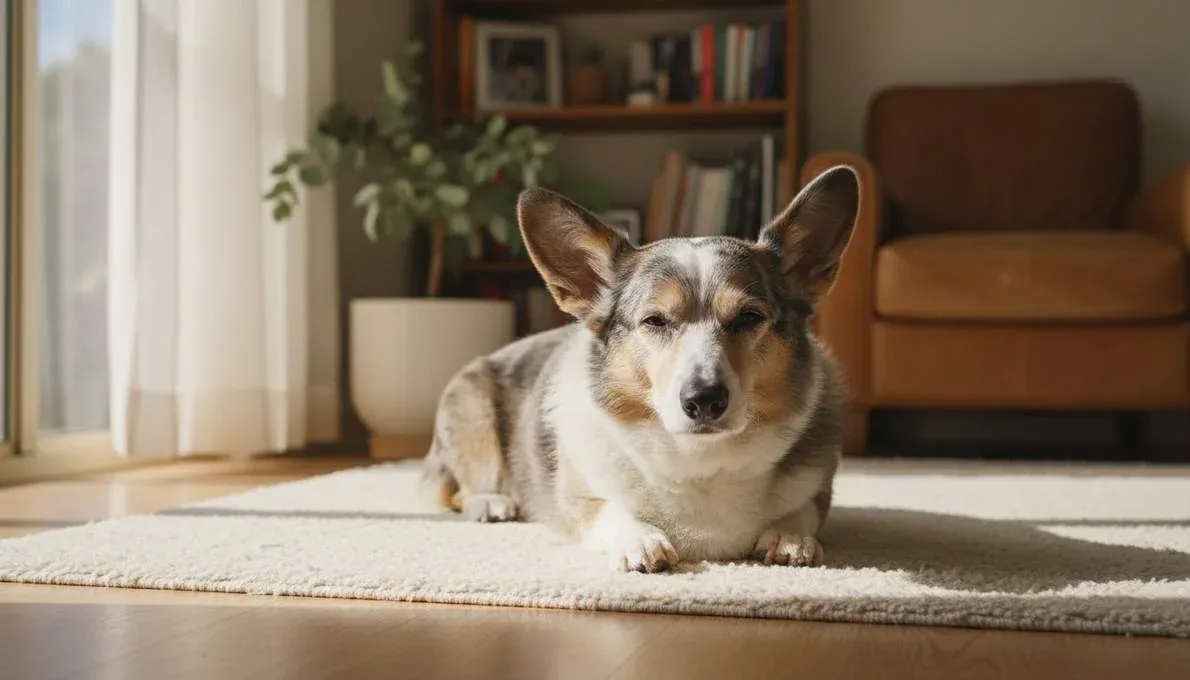
The Cardigan Welsh Corgi lifespan is 12–15 years, with a 2024 UK study finding an average life expectancy of 13.1 years — above the average for purebred dogs. Some Cardigans live to 16 or 17 with excellent care. The most common causes of death are cancer (28.3%), old age (24.6%), and neurological disorders (15.2%).
| Life Stage | Age Range | What to Watch For |
|---|---|---|
| Puppy | 0–12 months | Rapid growth. Protect the spine — no jumping, no stairs, use ramps. Begin socialisation and training immediately. |
| Young Adult | 1–3 years | Peak energy. Great time for advanced training, agility, or herding trials. Watch weight gain. |
| Mature Adult | 3–8 years | Settled routine. Continue exercise and mental stimulation. Monitor weight religiously — obesity is this breed’s silent killer. |
| Senior | 8+ years | Watch for signs of DM (hind leg weakness), vision changes (PRA), and back issues (IVDD). Bi-annual vet checks. |
To help your Cardigan live a long, healthy life: keep them lean (you should always be able to feel their ribs), provide moderate daily exercise without high-impact activities, protect their spine from day one, and stay on top of veterinary check-ups. In Australian heat, keep exercise to cooler parts of the day — their double coat is designed for Welsh rain, not Aussie summers.

Cardigan Welsh Corgi Grooming & Care
If you don’t like dog hair, the Cardigan Welsh Corgi will test your commitment. They have a thick, weatherproof double coat that sheds year-round and “blows” spectacularly twice a year. On the bright side, the coat is otherwise low-maintenance.
Grooming Schedule
| Task | Frequency | Notes |
|---|---|---|
| Brushing | 2–3 times per week; daily during coat blows | A slicker brush and undercoat rake are essential. Regular brushing dramatically reduces hair around the house. |
| Bathing | Every 6–8 weeks or as needed | Let mud dry and brush it out — the coat self-cleans surprisingly well. Don’t over-bathe. |
| Ear Cleaning | Weekly | Their large upright ears are well-ventilated but still prone to debris. Check for redness or odour. |
| Nail Trimming | Every 2–3 weeks | Cardigans can be sensitive about their feet. Handle paws from puppyhood to make this easier. |
| Teeth Brushing | 2–3 times per week | Dental disease is common in smaller breeds. Use dog-specific toothpaste. |
| Coat Trimming | Minimal | Only trim around feet and rear legs. Never shave a double coat — it disrupts temperature regulation. |
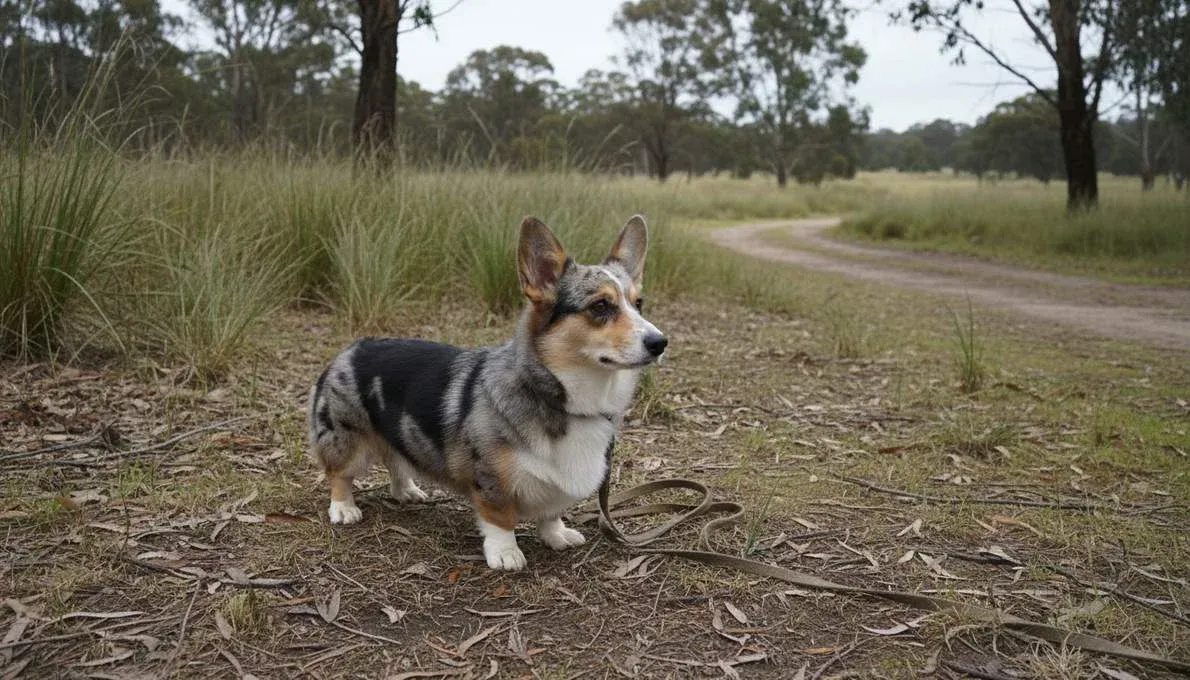
A word on blue merle and dark coats: black and blue merle Cardigans may overheat more easily in Australian summers. Consider keeping outdoor time shorter during peak heat and ensure access to shade and fresh water at all times.

Cardigan Welsh Corgi Exercise Needs
Despite those short legs, Cardigans were bred to spend all day herding cattle — they have stamina well beyond what their size suggests. That said, they’re not marathon runners. They need moderate, consistent daily exercise.
Adults:
30–60 minutes per day. A mix of walks, play sessions, and mental stimulation. They excel at agility, obedience trials, rally, tracking, and even herding events. Puzzle toys and scent work are excellent for rainy days.
Puppies:
Be very careful. Short, gentle exercise sessions only. Avoid stairs, jumping, and hard surfaces until fully grown (around 12 months). Their long backs are vulnerable during growth.
⚠️ Australian Climate Warning:
The Cardigan’s double coat was designed for cold, wet Welsh weather — not Australian summers. In warm months, exercise should be limited to early morning and late evening. Provide shade, cool water, and air conditioning during hot days. They handle cold well but struggle in sustained heat.
A note on digging:
Cardigans dig. It’s a breed trait, not a training failure. If you value your garden, consider giving them a designated digging area — they’ll use it. Also check fences, as a determined Corgi can squeeze through surprisingly small gaps.
Cardigan Welsh Corgi Training Guide
The Cardigan Welsh Corgi is one of the more trainable herding breeds, and one of the few that can genuinely suit a first-time dog owner. They’re intelligent, food-motivated, and eager to please — though they’ll occasionally give you that classic Corgi side-eye that says “I could do this. I’m choosing not to.”
Honest difficulty rating:
Easy to moderate. Responsive to positive reinforcement. Can be stubborn, but food motivation makes training straightforward. Barking requires specific training attention.
Socialisation & Training Timeline
| Age | Training Focus | Tips |
|---|---|---|
| 8–12 weeks | Socialisation, name recognition, handling, potty training | Expose to as many people, dogs, sounds, and surfaces as possible. Handle feet and ears daily. |
| 3–6 months | Basic obedience: sit, stay, come, drop it, crate training | Keep sessions short (5–10 mins). Use high-value treats. Enrol in a puppy school. |
| 6–12 months | Heel walking, recall, bark management, impulse control | Start teaching “quiet” command early. Redirect herding nipping onto toys, not ankles. |
| 12 months+ | Advanced obedience, trick training, dog sports | Cardigans thrive in agility, rally, and herding trials. Mental enrichment prevents boredom barking. |
The two training priorities specific to Cardigans are bark management and heel-nipping redirection. Both are hardwired herding behaviours, not defiance. Consistent, calm redirection works far better than punishment. Teaching a “quiet” cue and rewarding silence is essential for apartment or suburban living.
Cost of Owning a Cardigan Welsh Corgi in Australia
The Cardigan Welsh Corgi price in Australia reflects the breed’s rarity. There are very few registered breeders, and demand consistently outstrips supply. Expect to wait.
| Expense | Estimated Annual Cost (AUD) | Notes |
|---|---|---|
| Puppy Purchase | $3,000–$4,500 (one-off) | Registered ANKC breeders with DNA testing (PRA, DM), hip scores, and eye checks. Blue merle puppies may cost more. |
| Food (Quality Medium Breed) | $800–$1,400/year | 1–1.5 cups per day for adults. Watch portions carefully — they gain weight easily. |
| Vet Check-ups | $250–$500/year | Annual checks. More frequent in senior years. Budget for dental work. |
| Pet Insurance | $500–$1,200/year | Recommended — IVDD surgery alone can cost $3,000–$10,000. |
| Vaccinations & Worming | $200–$350/year | Standard preventative care. |
| Grooming | $100–$300/year | Mostly DIY with a good slicker brush. Professional grooming optional. |
| Training / Puppy School | $200–$500 (first year) | Group classes recommended. Less expensive than large-breed training needs. |
| Toys, Beds, Ramps & Accessories | $200–$400/year | Ramps for furniture are essential to protect their backs. Puzzle toys recommended. |
| Council Registration | $20–$150/year | Varies by council. No breed-specific restrictions. |
| Emergency Vet Fund | $2,000–$5,000 (reserve) | IVDD is the big one. Keep a financial buffer. |
Total first-year cost estimate:
$5,000–$9,000+ depending on breeder price and setup costs.
Annual ongoing cost:
$2,000–$4,000 for a healthy adult Cardigan.
Finding a breeder:
Start with DogzOnline and Dogs Australia. The Welsh Corgi Clubs of NSW and QLD are also excellent resources. Expect waitlists of 6–18 months. Only buy from breeders who can show PRA/DM DNA results and hip scores.
Rescue:
Cardigan-specific rescue is rare in Australia, but Corgi rescue groups occasionally have Cardigans or Cardigan mixes. Check PetRescue.com.au and breed club networks. Adoption fees: $300–$600.
Is a Cardigan Welsh Corgi Right for You?
The Cardigan is one of the most versatile breeds in the herding group. It suits a wider range of lifestyles than most people expect.
- You want a loyal, intelligent companion that’s smaller than a typical herding dog but still has real substance.
- You live in a house, apartment, or rural property — they genuinely adapt to all three.
- You’re a first-time dog owner willing to commit to socialisation and basic training.
- You’re okay with shedding — a lot of shedding — and you own a good vacuum.
- You want a watchdog with a deep bark and genuine alertness in a compact package.
- You’re interested in dog sports like agility, rally, or herding trials.
- You need a quiet dog — Cardigans bark, and training only reduces it, never eliminates it entirely.
- You have very young children who run and squeal — the herding nip can be a real problem.
- You’re not willing to protect their back (ramps, no jumping, weight management) for their entire life.
- You can’t handle heavy shedding, especially during the twice-yearly coat blow.
- You want instant gratification — finding a breeder in Australia requires patience and a waitlist.
Cardigan Welsh Corgi vs Pembroke Welsh Corgi — Key Differences
This is one of the most searched questions about the breed, so here’s a clear comparison:
| Feature | Cardigan Welsh Corgi | Pembroke Welsh Corgi |
|---|---|---|
| Tail | Long, fox-like tail | Naturally bobbed or docked (short/absent) |
| Size | Slightly larger — 11–17 kg | Smaller — 10–14 kg |
| Ears | Larger, more rounded | Pointed, more erect |
| Coat Colours | More variety: red, sable, brindle, black, blue merle | Red, sable, fawn, black & tan — no merle |
| Temperament | More reserved, calmer, “old soul” personality | More outgoing, social, bouncy |
| Barking | Moderate to high | Moderate |
| Origin | Celtic/Teckel lineage (~3,000 years old) | Norse/Spitz lineage (~1,000 years old) |
| Popularity | Much rarer — hard to find in Australia | Very popular — the “Queen’s dog” |
| Price (AUD) | $3,000–$4,500 | $3,500–$7,000 |
Both make excellent family dogs. The Cardigan tends to suit owners who want a slightly calmer, more independent personality, while the Pembroke is ideal for those who want a more social, energetic companion.
The Cardigan Welsh Corgi is the quiet achiever of the dog world — overshadowed by its more famous Pembroke cousin but genuinely one of the most versatile, loyal, and rewarding breeds you can own. Here’s the honest summary:
- They’re smart, loyal, adaptable dogs that suit everything from apartments to farms — as long as their exercise and mental stimulation needs are met.
- Back health is the number one ownership commitment. Ramps, weight management, and avoiding high-impact activities are non-negotiable for the life of the dog.
- They’re rare in Australia, so finding a registered breeder requires patience. But once you have one, you’ll understand why Cardi owners are so fiercely devoted to the breed.
If the idea of a low-slung, fox-tailed, surprisingly loud watchdog with a 3,000-year pedigree appeals to you — welcome to the Cardigan club.
Cardigan Welsh Corgi FAQs
What is the difference between a Cardigan Welsh Corgi and a Pembroke Welsh Corgi?
The most obvious difference is the tail — Cardigans have a long, fox-like tail while Pembrokes have a short or absent tail. Cardigans are also slightly larger, come in more coat colours (including blue merle), have rounder ears, and tend to be calmer and more reserved. The two breeds have different ancestral origins and were separated as distinct breeds in 1934.
What is the Cardigan Welsh Corgi temperament like?
Loyal, intelligent, affectionate with family, and reserved around strangers. They’re calmer than Pembrokes but still active and playful. They make excellent watchdogs and are surprisingly adaptable to different living situations. They can be vocal and may try to herd children by nipping at heels.
How much does a Cardigan Welsh Corgi cost in Australia?
Registered breeders typically charge $3,000–$4,500 AUD, with blue merle puppies sometimes costing more. The breed is rare in Australia, so expect waitlists of 6–18 months. Annual ongoing costs run $2,000–$4,000.
What is the Cardigan Welsh Corgi lifespan?
12–15 years on average, with a 2024 UK study finding a mean of 13.1 years. Some live to 16–17 with excellent care. Cancer and old age are the most common causes of death.
Are Cardigan Welsh Corgis good apartment dogs?
Yes, surprisingly. They adapt well to apartment living as long as they get 30–60 minutes of daily exercise and mental stimulation. Be warned: they bark, which may be an issue with close neighbours.
Do Cardigan Welsh Corgis shed a lot?
Yes. They have a thick double coat that sheds year-round, with heavy “coat blows” twice a year in spring and autumn. Regular brushing (2–3 times per week, daily during shedding season) is essential.
What health problems do Cardigan Welsh Corgis have?
The main concerns are intervertebral disc disease (IVDD) due to their long back, progressive retinal atrophy (PRA), degenerative myelopathy (DM), and hip dysplasia. DNA tests are available for PRA and DM. Back protection through weight management, ramps, and limited jumping is critical.
What is a blue merle Cardigan Welsh Corgi?
Blue merle is a striking coat pattern featuring black and grey marbling, often with tan or white markings and sometimes blue or parti-coloured eyes. It’s unique to the Cardigan (not found in Pembrokes) and is one of the most sought-after colour patterns. Only buy from breeders who never breed merle to merle, as double merle puppies can have serious health defects.
Are Cardigan Welsh Corgis good with children?
Generally yes, especially with older children. Their herding instinct means they may nip at the heels of running toddlers. Training and supervision are essential. They’re affectionate and protective family dogs.
Are Cardigan Welsh Corgis good for first-time owners?
Yes — they’re one of the better herding breeds for first-time owners. They’re intelligent, eager to please, and food-motivated, making training relatively straightforward. Just be prepared for the barking and the shedding.
[1] Wikipedia – Cardigan Welsh Corgi — https://en.wikipedia.org/wiki/Cardigan_Welsh_Corgi
[2] AKC – Cardigan Welsh Corgi Breed Information — https://www.akc.org/dog-breeds/cardigan-welsh-corgi/
[3] DogTime – Cardigan Welsh Corgi — https://dogtime.com/dog-breeds/cardigan-welsh-corgi
[4] PetMD – Cardigan Welsh Corgi Health and Care — https://www.petmd.com/dog/breeds/cardigan-welsh-corgi
[5] Chewy – Cardigan Welsh Corgi Breed Guide — https://www.chewy.com/education/dog-breeds/cardigan-welsh-corgi
[6] Dogster – Cardigan Welsh Corgi Breed Info — https://www.dogster.com/dog-breeds/cardigan-welsh-corgi
[7] Hill’s Pet – Welsh Corgi Cardigan — https://www.hillspet.com/dog-care/dog-breeds/welsh-corgi-cardigan
[8] DogzOnline – Cardigan Corgi Breeders Australia — https://www.dogzonline.com.au/breeds/breeders/welsh-corgi-cardigan.asp
[9] Pets Online – Cardigan Welsh Corgi Prices Australia — https://petsonline.com.au/dog-breeds/cardigan-welsh-corgi/prices/
[10] Wisdom Panel – Cardigan Welsh Corgi Facts — https://www.wisdompanel.com/en-us/dog-breeds/cardigan-welsh-corgi