

There’s a saying among Briard owners: this breed is “a heart wrapped in fur.” It’s one of the most accurate breed descriptions ever written. Under that enormous, floor-sweeping coat is a dog so devoted to its family that it will literally position itself between you and anything it perceives as a threat — including the postman, the neighbour’s cat and the suspicious-looking recycling bin.
The Briard is a French herding dog with a resume that reads like historical fiction. Charlemagne kept them. Napoleon kept them. Thomas Jefferson liked them so much he imported them to guard his livestock. During both World Wars, the French army used Briards as sentries, messengers and search-and-rescue dogs. This is a breed that has been earning its keep for over a thousand years.
In Australia, the Briard is rare. Genuinely rare. That means long waitlists, very few breeders and a real need to understand what you’re signing up for before you commit. Because once a Briard decides you’re its person, you’re locked in for a decade of loyalty, grooming sessions and a dog that follows you from room to room like a 40 kg shadow made entirely of hair.
What You’ll Learn
- Breed traits & temperament
- Health concerns to know
- True cost in Australia
- Training & exercise needs
- Is this breed right for you?
Breed Quick Facts Table
| Trait | Detail |
|---|---|
| Breed Group | Herding (Pastoral) |
| Origin | France (Brie region) |
| Also Known As | Chien Berger de Brie, Berger de Brie |
| Size | Large – 56–69 cm at the shoulder |
| Weight | 25–45 kg (females lighter, males heavier) |
| Coat | Long, slightly wavy, coarse outer coat with fine undercoat |
| Colours | Black, grey, tawny (all shades) — no white |
| Lifespan | 10–12 years (some reach 14–15) |
| Temperament | Loyal, intelligent, protective, independent, affectionate |
| Exercise Needs | High – 60–90 minutes daily |
| Shedding | Low (but coat requires extensive grooming) |
| Good With Kids | Yes – naturally protective and gentle |
| Apartment Friendly | Not ideal – needs space and a yard |
| Price (AUD) | $3,000–$6,000+ from registered breeders |
History & Origins
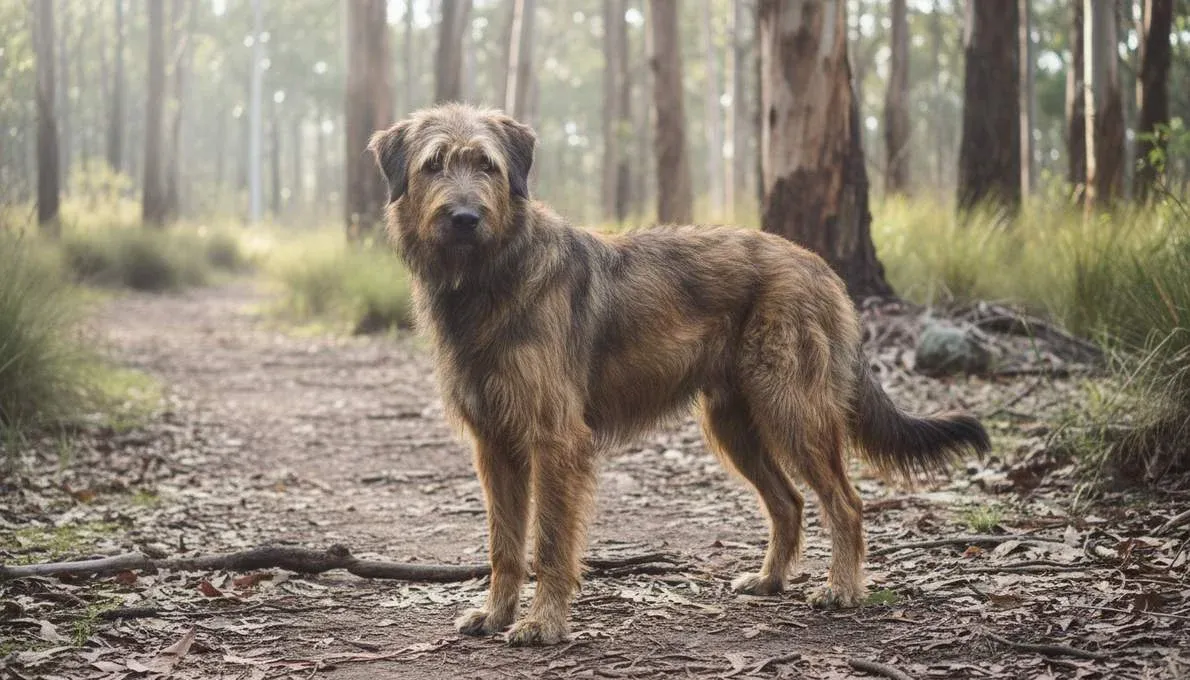
The Briard takes its name from the Brie region of France — yes, the same Brie famous for the cheese. Officially known as the Chien Berger de Brie (Shepherd Dog of Brie), the breed has been depicted in French art and tapestries since at least the 8th century, appearing alongside Emperor Charlemagne.
Unlike some herding breeds that drive flocks from point to point, the Briard was a boundary herder. Its job was to keep sheep contained within a designated grazing area and to protect the flock from predators. This dual role — herder and guardian — required a dog that was agile enough to sprint and turn on a dime, but brave and powerful enough to stand down wolves. The Briard was bred to be both.
The breed’s military history is extraordinary. During World War I and World War II, Briards served the French army as sentries, ammunition carriers, messenger dogs and search-and-rescue animals. Countless dogs were killed in action, and the breed nearly disappeared in Europe. Dedicated breeders rebuilt the population in the post-war decades.
In Australia, the Briard is exceptionally rare. Only a small number of ANKC-registered breeders operate in the country, primarily in NSW and Victoria. Finding a well-bred Briard puppy in Australia means joining a waitlist, often 12–24 months or longer. State breed clubs and Dogs Australia can direct prospective owners to registered breeders.
Temperament & Personality
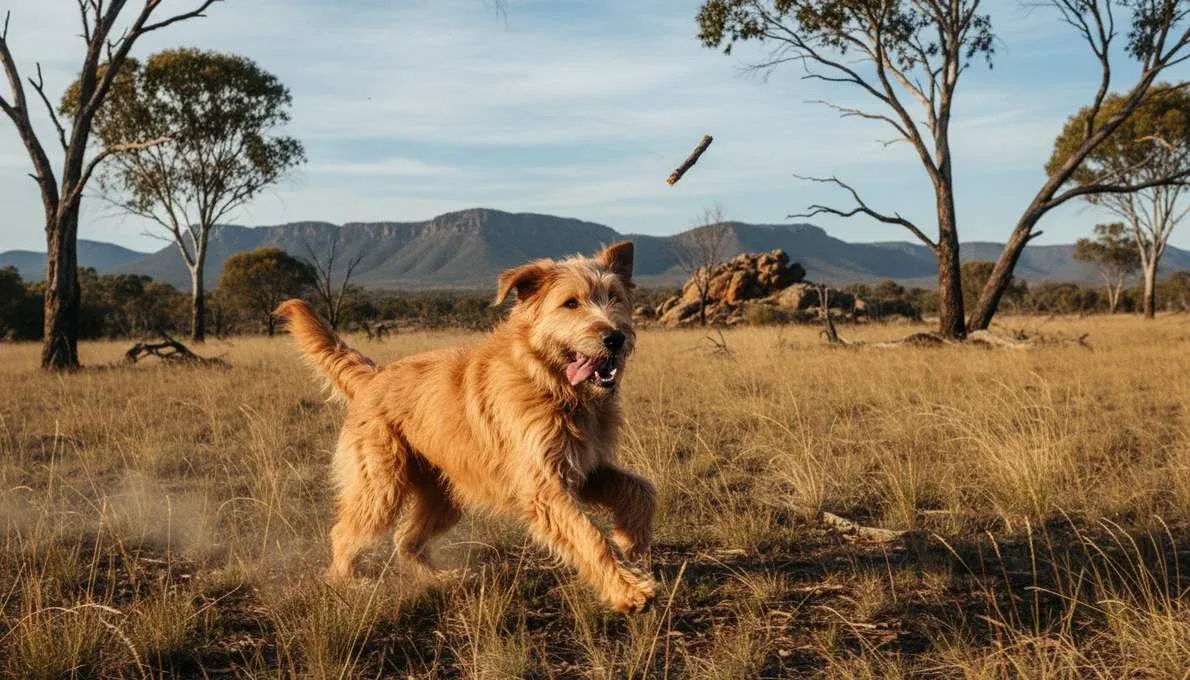
The Briard’s personality is a fascinating blend of independence and devotion. They’re thinking dogs — they were bred to make decisions in the field without waiting for instructions, and that independent streak is still very much present. A Briard will assess a situation, decide what needs to be done and then do it, whether you asked or not.
With their family, Briards are deeply affectionate and intensely loyal. They bond strongly to their people and have a pronounced need to be near them at all times. This is not a dog you leave in the backyard while you go about your day. If you’re in the kitchen, the Briard is in the kitchen. If you’re watching television, the Briard is on (or beside) the couch. They take the phrase “velcro dog” to an entirely new level.
No, and they’re not supposed to be. The breed is naturally reserved and watchful with people it doesn’t know. This isn’t aggression — it’s the guardian instinct doing exactly what it was designed to do. A well-socialised Briard will be aloof but polite. A poorly socialised Briard can become suspicious, fearful or reactive, which is why early and consistent socialisation is absolutely critical.
Excellent. Briards are famously gentle and patient with children, and many develop a particular devotion to the kids in their household. Their herding instinct means they may try to “collect” children by circling or gently nudging them — which is endearing until a toddler gets bumped by a 40 kg dog. Supervision is always wise.
Not excessively. They’ll bark to alert you to visitors, unusual sounds or anything they consider a potential threat. But they’re not nuisance barkers. The bigger noise issue is their sheer size moving through your house — and the occasional dramatic sigh when you’re not paying them enough attention.
One thing experienced Briard owners will tell you: these dogs have long memories. A Briard that has a bad experience with something — a person, a place, a sound — will remember it. Positive, consistent socialisation from puppyhood is the best investment you can make.

Health & Genetic Conditions
The Briard is generally a robust, healthy breed, but their large frame and deep chest create specific vulnerabilities that require awareness and proactive management. Reputable breeders will health-test all breeding stock before producing a litter.
| Condition | What It Is | Estimated Vet Cost (AUD) |
|---|---|---|
| Hip Dysplasia | Malformation of the hip joint causing lameness and arthritis. Affects roughly 17% of Briards. | $3,000–$10,000+ (surgical correction) |
| Gastric Dilatation-Volvulus (GDV/Bloat) | Stomach fills with gas and twists. Life-threatening emergency. Common in deep-chested breeds. | $5,000–$12,000+ (emergency surgery) |
| Progressive Retinal Atrophy (PRA) | Degenerative eye disease causing gradual vision loss and eventual blindness. | $300–$500 (genetic testing); no cure |
| Congenital Stationary Night Blindness (CSNB) | Breed-specific inherited condition causing difficulty seeing in low light from birth. | $200–$400 (diagnosis); no cure, manageable |
| Hereditary Cataracts | Clouding of the eye lens causing vision loss. May require surgical removal. | $3,000–$6,000 per eye (surgery) |
| Hypothyroidism | Underactive thyroid causing weight gain, lethargy, skin and coat problems. | $300–$800/year (ongoing medication) |
| Lymphoma | Cancer of the lymphatic system. Treatable with chemotherapy but costly. | $5,000–$15,000+ (chemotherapy) |
| Elbow Dysplasia | Abnormal development of the elbow joint causing front-leg lameness. | $3,000–$8,000 (surgery) |
PRA, CSNB and cataracts are all documented in the breed, and responsible breeders DNA-test for these conditions before breeding. If a breeder cannot provide proof of eye testing (CERF or equivalent) and hip scoring, do not buy from them.
As with all deep-chested breeds, bloat is a life-threatening emergency. Symptoms include a swollen abdomen, restlessness, drooling, unproductive retching and rapid breathing. Go to an emergency vet immediately — do not wait. Preventative gastropexy during desexing surgery is strongly recommended for this breed.
Pet insurance is highly recommended. Annual routine vet costs for a healthy Briard typically run $500–$1,000, but a single bloat surgery can exceed $12,000 and cancer treatment can reach $15,000+. Comprehensive large-breed pet insurance in Australia costs approximately $100–$200 per month.

Lifespan & Longevity
The average Briard lifespan is 10–12 years, with well-cared-for dogs from health-tested lines sometimes reaching 14–15 years. For a large breed, that’s a solid span. The breed’s working heritage gives it a generally robust constitution, but longevity depends heavily on genetics, diet, weight management and preventative care.
| Life Stage | Age Range | Key Considerations |
|---|---|---|
| Puppy | 0–12 months | Controlled growth diet, socialisation (critical window), vaccination schedule, eye screening, crate training |
| Adolescent | 1–2 years | Still maturing. Ongoing socialisation, hip/elbow assessment, desexing + gastropexy discussion, consistent training |
| Adult | 2–8 years | Annual vet checks, dental cleaning, thyroid monitoring, eye exams, weight management, regular joint support |
| Senior | 8+ years | Bi-annual vet visits, cardiac and cancer screening, adjusted exercise, senior diet, joint and mobility support |
The biggest longevity risks for Briards are bloat (GDV), cancer and progressive eye conditions. Weight management is also critical — an overweight Briard places extra stress on already vulnerable hips and joints. Keep them lean, keep them active and keep up with regular vet checkups.

Grooming & Care
Let’s be honest: grooming a Briard is a significant commitment. If you’ve ever looked at a Briard’s magnificent, floor-length coat and thought “that looks like a lot of work,” you were right. The breed’s coat is often compared to human hair — it grows continuously, doesn’t shed heavily and requires regular maintenance to avoid becoming a matted disaster.
Grooming Schedule
| Task | Frequency | Notes |
|---|---|---|
| Brushing | Daily (minimum every 2 days) | Use a pin brush followed by an undercoat rake. Budget 30–60 minutes per session. Work through the entire coat methodically to prevent mats. |
| Professional grooming/trimming | Every 4–6 weeks | Coat trimmed to a manageable length if not being shown. Show coats are kept at 15+ cm, pet coats can be shorter for practicality. |
| Bathing | Every 3–4 weeks | Thorough drying is essential — a wet Briard coat takes hours to dry and can harbour bacteria if left damp. |
| Beard/face cleaning | Daily | The long facial hair collects food, water and debris after every meal. Wipe clean to prevent bacteria and odour. |
| Nail trimming | Every 2–3 weeks | Large, strong nails. Start handling feet from puppyhood so the dog accepts it. |
| Ear cleaning | Weekly | Check for moisture, redness and debris. Long ear hair can trap moisture and promote infection. |
| Dental care | Daily ideally, minimum 3x/week | Briards can be prone to dental issues. Enzymatic toothpaste and regular dental treats recommended. |
Do Briards shed?
Very little. The Briard’s coat behaves more like human hair than typical dog fur — it grows continuously and sheds minimally. This means less fur on your furniture, but far more time spent brushing. Loose hair gets trapped in the coat rather than falling out, which is why regular grooming is non-negotiable. Without it, you’ll end up with a matted, uncomfortable dog.
Are Briards hypoallergenic?
They’re often listed as a low-allergen breed because they shed so little and produce less dander than many breeds. But no dog is truly hypoallergenic. If allergies are a concern, spend extended time with a Briard before committing to ownership.
Grooming costs are significant. Professional grooming for a Briard in Australia typically runs $120–$200 per session, and you’ll need a session every 4–6 weeks. That’s $1,000–$2,600 annually. Many Briard owners learn to groom at home, but you’ll need quality tools: pin brush ($30–$60), undercoat rake ($25–$50), slicker brush ($20–$40), thinning shears ($40–$80) and a high-velocity dryer ($200–$500).

Exercise Needs
The Briard is a high-energy working dog that needs 60–90 minutes of exercise every day. This isn’t a breed that’s content with a quick lap around the block. They need purposeful physical activity and mental stimulation to stay balanced and happy.
Long walks, hiking, running, herding trials, agility, tracking and obedience work are all excellent outlets. Briards were bred to work all day, and while your pet Briard doesn’t need to herd sheep, it does need something that scratches that working-dog itch. A bored Briard with pent-up energy will find its own entertainment — usually at the expense of your garden, furniture or shoes.
Australian Climate Considerations:
The Briard’s heavy coat was designed for the temperate climate of France, not Australian summers. In hot weather, exercise early in the morning or late in the evening. Provide constant access to shade, water and ideally air conditioning during the hottest months. Never shave a Briard’s coat completely — the double coat provides insulation from both heat and cold. A professional trim to a shorter pet clip is the correct approach for summer management.
A securely fenced yard is essential. Briards have a strong territorial instinct and will patrol their boundaries. They’re not suited to apartment living and need space to move. Off-lead exercise should only happen in secure, enclosed areas until recall is thoroughly reliable — their herding instinct can override training if they spot something that needs “managing.”
Training Guide
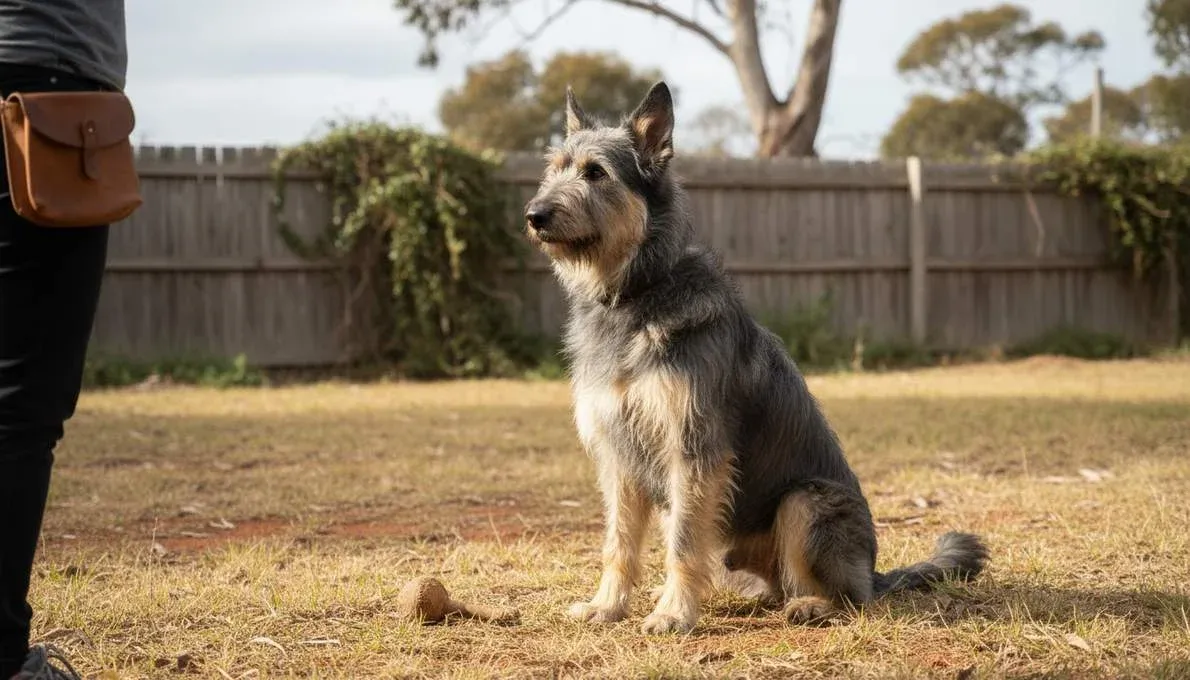
Briards are highly intelligent and genuinely enjoy learning, but they’re also independent thinkers with strong opinions. Training a Briard isn’t difficult — it’s a negotiation. They’ll learn quickly, but they want to understand why before they comply. Harsh corrections or repetitive drilling will backfire spectacularly with this sensitive, proud breed.
Socialisation & Training Timeline
| Age | Training Focus | Tips |
|---|---|---|
| 8–12 weeks | Socialisation, name recognition, handling, crate training | This is the most critical period. Expose to diverse people, dogs, environments and sounds. Briards that miss this window can develop fearfulness or suspicion that’s very hard to undo. |
| 3–6 months | Basic commands (sit, stay, come, leave it), lead walking | Use positive reinforcement with high-value rewards. Keep sessions short (10–15 minutes). Briards learn fast but get bored with repetition. |
| 6–12 months | Recall, impulse control, greeting manners, boundary respect | Adolescent Briards will test every boundary you’ve set. Be calm, firm and consistent. This is the stage where leadership is established. |
| 1+ years | Advanced obedience, sport training (herding, agility, tracking), ongoing socialisation | Briards thrive with a job. Dog sports channel their intelligence and energy. Continue socialisation throughout their life — this breed needs it. |
Is the Briard a good dog for first-time owners?
Not usually. Their size, independence, grooming demands and need for extensive socialisation make them a challenging breed for beginners. Experienced herding-breed owners are the best match. If you’re a first-timer with your heart set on a Briard, consider an adult rescue who’s already trained and socialised, and invest in professional training guidance from day one.
Price & Costs (AUD)
The Briard is an expensive breed to own in Australia, primarily due to its rarity, grooming demands and large-breed health risks. Here’s an honest breakdown.
| Expense | One-Off Cost (AUD) | Annual Cost (AUD) |
|---|---|---|
| Puppy (registered breeder) | $3,000–$6,000+ | — |
| Adoption/rescue (rare) | $500–$1,500 | — |
| Initial vet setup (vaccinations, microchip, desexing + gastropexy) | $800–$2,500 | — |
| Food (quality large-breed kibble) | — | $1,200–$2,000 |
| Routine vet care (annual check, vaccinations, dental, bloods) | — | $500–$1,000 |
| Pet insurance (comprehensive, large breed) | — | $1,200–$2,400 |
| Grooming (professional, every 4–6 weeks) | — | $1,000–$2,600 |
| Grooming tools (home maintenance) | $300–$700 | $50–$100 |
| Toys, bedding, crate, accessories | $300–$600 | $150–$300 |
| Training (professional obedience) | $300–$800 | $200–$500 |
| Unexpected vet costs (bloat, hip dysplasia, eye conditions, cancer) | $3,000–$15,000+ | Varies |
Estimated first-year cost:
$8,000–$16,000+ (including puppy purchase and setup). Ongoing annual costs: approximately $4,500–$9,000 depending on health, grooming and insurance.
Finding a Briard breeder in Australia requires serious patience.
The breed is so rare here that only a handful of registered breeders are active at any given time. Start by contacting Dogs Australia, Dogs NSW or Dogs Victoria for breeder referrals. Expect a waitlist of 12–24 months. Never buy from an unregistered breeder or an online marketplace — health testing and proper socialisation are absolutely critical with this breed.
Briard rescue in Australia is extremely uncommon due to the breed’s rarity, but it’s worth checking with breed clubs and general large-breed rescue organisations.
Is a Briard Right for You?
The Briard is an extraordinary dog for the right owner. But it’s not the right dog for most households. Here’s an honest assessment.
- Are an experienced dog owner comfortable with a large, independent, intelligent breed
- Have a house with a securely fenced yard and space for a large, active dog
- Can commit to daily grooming (30–60 minutes) or budget heavily for professional grooming
- Want a fiercely loyal, protective family dog that bonds deeply to its people
- Lead an active lifestyle and can provide 60–90 minutes of exercise daily
- Are prepared for the financial commitment of large-breed ownership and health costs
- Are a first-time dog owner without professional training support
- Live in an apartment or don’t have a yard
- Want a low-maintenance, minimal-grooming companion
- Are away from home for long hours — Briards need their people and don’t cope well alone
- Want a dog that’s friendly and outgoing with everyone it meets
- Live in an extremely hot climate without reliable air conditioning and shade
Both are large, shaggy French herding/guarding breeds, but they’re quite different in temperament. Bouviers are calmer, more stoic and more physically powerful. Briards are more energetic, more emotionally expressive and tend to bond more intensely to a single person. Briards have a longer, more high-maintenance coat, while Bouviers have a coarser, slightly more manageable one. Both require experienced ownership.
- The Briard is one of the most loyal, intelligent and emotionally complex dog breeds you’ll ever encounter. Once they bond to you, their devotion is absolute — and they’ll let you know it with a combination of gentle nudging, room-to-room following and the occasional meaningful stare.
- The grooming commitment is real and unavoidable. If you’re not prepared to spend 30–60 minutes a day on coat care (or significant money on professional grooming), this is not the breed for you. There is no low-maintenance Briard.
- In Australia, finding a well-bred Briard takes time and patience, but the wait is worth it. A properly health-tested, well-socialised Briard from a registered breeder will give you a decade or more of unwavering companionship from a dog that genuinely believes its purpose in life is to keep you safe. And it might be right.
Briard FAQs
How long do Briards live?
The average Briard lifespan is 10–12 years, with some well-cared-for dogs reaching 14–15 years. Longevity depends on genetics, diet, weight management and regular veterinary care. Bloat prevention (gastropexy) and eye health monitoring are particularly important for this breed.
Do Briards shed?
Very little. Briards have a continuously growing coat more similar to human hair than typical dog fur. Loose hair is trapped in the coat rather than falling out, which means minimal shedding but intensive grooming requirements. Daily brushing is recommended.
Are Briards hypoallergenic?
They’re often considered a lower-allergen breed because they shed minimally and produce less dander. However, no dog is truly hypoallergenic. Allergy sufferers should spend extended time with a Briard before committing to purchase.
How much does a Briard cost in Australia?
Expect $3,000–$6,000+ from a registered breeder. Briards are very rare in Australia, so availability is limited and waitlists of 12–24 months are common. Always buy from an ANKC-registered breeder with documented health testing for hips, eyes and thyroid.
What is a Briard’s temperament like?
Loyal, intelligent, protective, affectionate with family and reserved with strangers. Briards are independent thinkers with strong herding and guarding instincts. They bond intensely to their family and need early, extensive socialisation to prevent fearfulness or over-protectiveness.
How big do Briards get?
Males stand 58–69 cm at the shoulder and weigh 30–45 kg. Females are 56–64 cm and 25–35 kg. They’re muscular and athletic despite their shaggy appearance, and typically reach full physical maturity by 1–2 years of age.
How much grooming does a Briard need?
A lot. Daily brushing (30–60 minutes), professional grooming every 4–6 weeks, daily beard cleaning and regular ear and dental care. Grooming costs typically run $1,000–$2,600 per year in Australia if done professionally.
Are Briards good family dogs?
Yes, for experienced dog families. They’re gentle and protective with children, deeply loyal and naturally watchful. But they need consistent socialisation, firm training, daily exercise and extensive grooming — they’re not a hands-off breed.
What health problems do Briards have?
The most common issues are hip dysplasia, bloat (GDV), progressive retinal atrophy (PRA), congenital stationary night blindness (CSNB), cataracts, hypothyroidism, lymphoma and elbow dysplasia. Eye conditions are a particular concern — always confirm DNA testing from the breeder.
Are Briards good guard dogs?
Naturally, yes. Their herding background includes guarding against predators, and that protective instinct is still very strong. They’re watchful, courageous and will position themselves between their family and any perceived threat. No specific guard training is needed — the instinct is innate.
1. American Kennel Club – Briard Breed Standard — https://www.akc.org/dog-breeds/briard/
2. PetMD – Briard Dog Breed Health and Care — https://www.petmd.com/dog/breeds/briard
3. WebMD Pets – What to Know About Briards — https://www.webmd.com/pets/dogs/what-to-know-about-briards
4. Hill’s Pet – Briard Dog Breed Temperament and Characteristics — https://www.hillspet.com/dog-care/dog-breeds/briard
5. Dogs Australia (ANKC) – Breed Information — https://dogsaustralia.org.au/
6. DogzOnline – Briard Breeders in Australia — https://www.dogzonline.com.au/breeds/breeders/briard.asp
7. Chewy – Briard Breed Information and Care — https://www.chewy.com/education/dog-breeds/briard
8. Dogster – Briard Dog Breed Facts and Traits — https://www.dogster.com/dog-breeds/briard