
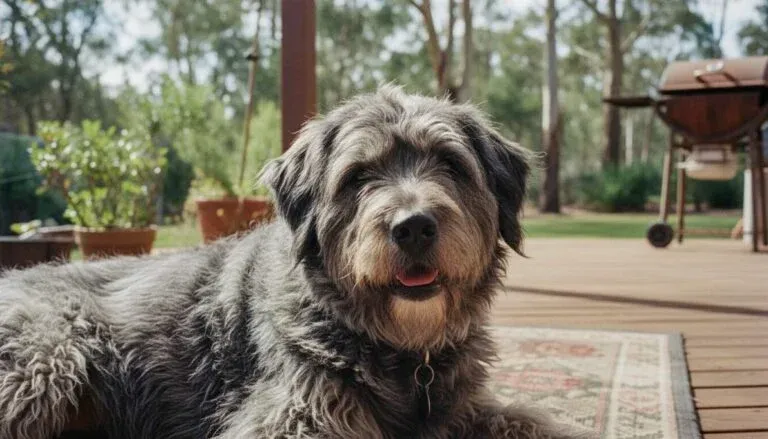
The Bouvier des Flandres looks like a bear that’s been hired as a personal bodyguard — and honestly, that’s not far from the truth. Behind that magnificent beard and those bushy eyebrows sits one of the most intelligent, loyal and quietly powerful working dogs you’ll ever meet.
Originally bred to herd cattle across the flat, windswept fields of Flanders, the Bouvier has since served as a police dog, a war dog, a guide dog and — for those lucky enough to own one — the most devoted family companion you could ask for. They’re not flashy. They don’t demand attention. But when you need them, they’re right there, calm and immovable.
In Australia, the Bouvier des Flandres is a rare breed. That means fewer breeders, longer waitlists and a real need to do your homework before committing. This guide covers the unfiltered truth about owning a Bouvier in Australian conditions — from grooming demands that’ll test your patience to health costs that deserve serious budgeting.
What You’ll Learn
- Breed traits & temperament
- Health concerns to know
- True cost in Australia
- Training & exercise needs
- Is this breed right for you?
Breed Quick Facts Table
| Trait | Detail |
|---|---|
| Breed Group | Working / Herding |
| Origin | Belgium / France (Flanders region) |
| Size | Large – 59–68 cm at the shoulder |
| Weight | 27–40 kg (females lighter, males heavier) |
| Coat | Thick, coarse double coat with dense undercoat |
| Colours | Black, fawn, brindle, grey, salt & pepper |
| Lifespan | 10–12 years |
| Temperament | Calm, loyal, protective, intelligent, independent |
| Exercise Needs | High – 60–90 minutes daily |
| Shedding | Low to moderate (coat traps loose hair) |
| Good With Kids | Yes – excellent with supervised children |
| Apartment Friendly | Not ideal – needs space and a yard |
| Price (AUD) | $3,000–$6,000+ from registered breeders |
| Pronunciation | Boo-vee-AY day FLAHN-druh |
History of the Bouvier des Flandres
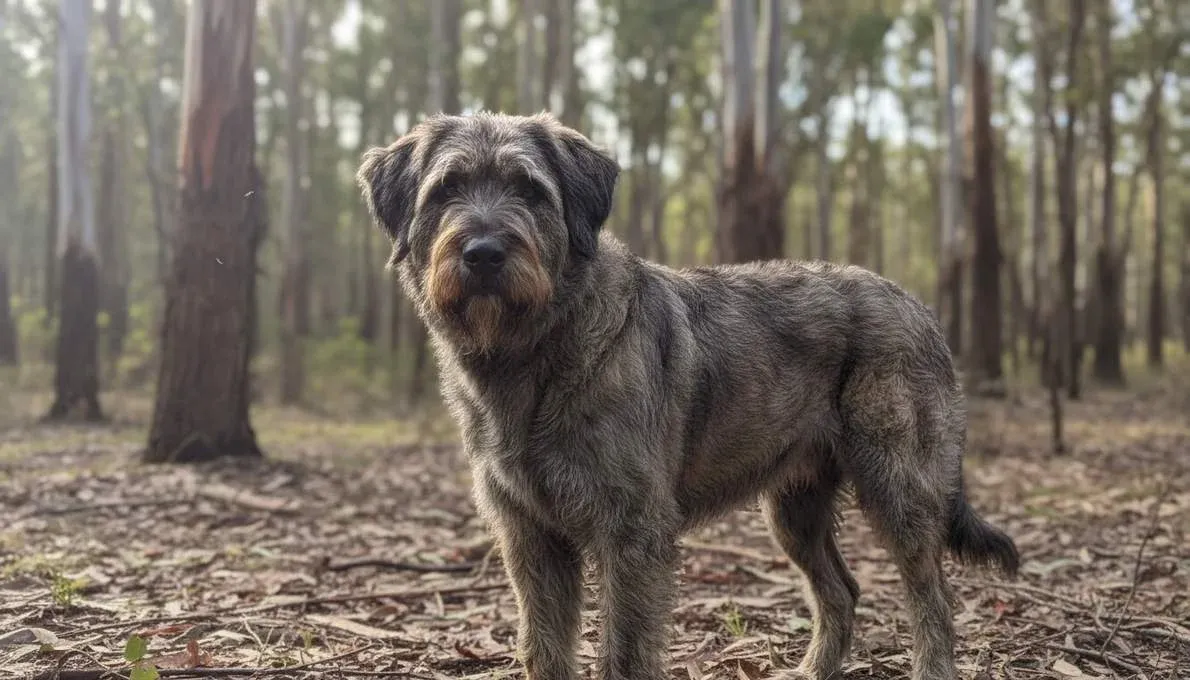
The name tells you everything: Bouvier des Flandres translates literally to “cowherd of Flanders.” In its formative years, the breed went by even more colourful names — vuilbaard (dirty beard), koehond (cow dog) and toucher de boeuf (cattle driver).
The breed’s origins trace to the 1600s in the Flanders region, which spanned parts of modern-day Belgium, France and the Netherlands. Monks at the Ter Duinen monastery are believed to have been among the earliest breeders, crossing Irish Wolfhounds and Scottish Deerhounds with local farm dogs to create a powerful, weather-resistant herding dog. The result was a thick-coated, muscular animal capable of driving cattle, guarding livestock, pulling carts to market and working tirelessly in harsh conditions.
The breed nearly disappeared during World War I, when the Flanders region was devastated by conflict. A Belgian army veterinarian, Captain Darby, is credited with preserving the breed through the war years. His champion dog, Nic de Sittengen, became the foundation sire for most modern pedigrees. During both World Wars, Bouviers served as messenger dogs, ambulance dogs and military working dogs.
In Australia, the Bouvier des Flandres remains a rare breed with a small but dedicated community of registered breeders. The breed is recognised by Dogs Australia (ANKC) and has breed clubs and information available through Dogs NSW, Dogs Victoria and other state bodies. Because so few litters are bred each year in Australia, prospective owners should expect waitlists of 12 months or more.
Temperament & Personality
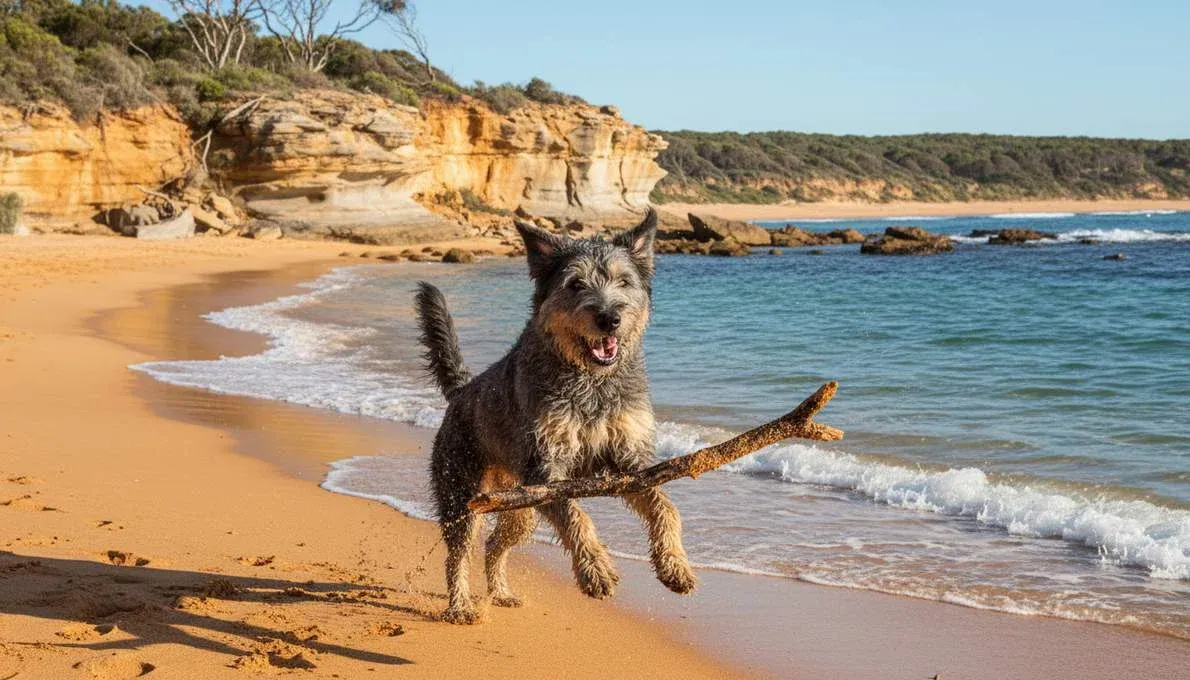
The Bouvier des Flandres is not a dog that seeks your approval — it’s a dog that earns your respect, and quietly expects the same in return. They’re calm and composed indoors, watchful without being neurotic, and affectionate without being clingy. If you’ve ever wanted a dog that feels more like a partner than a pet, the Bouvier is it.
Their temperament is often described as fearless, confident and steady. They’re naturally protective of their family, and this isn’t something you need to teach them — it’s hardwired. A well-socialised Bouvier will be reserved but polite with strangers. A poorly socialised one can become suspicious, overly dominant or difficult to manage, which is why early and ongoing socialisation is non-negotiable with this breed.
No. They’re protective, not aggressive. There’s an important distinction. A Bouvier will place itself between its family and a perceived threat, but it won’t go looking for conflict. Aggression in a Bouvier almost always points to poor socialisation, inadequate training or a lack of leadership from the owner.
Absolutely. The Bouvier des Flandres is one of the most naturally capable guard dogs of any breed. They’re used worldwide as police dogs, military dogs and estate guardians. Their imposing size, deep bark and unwavering loyalty make them a serious deterrent — and if needed, they have the strength and courage to back it up.
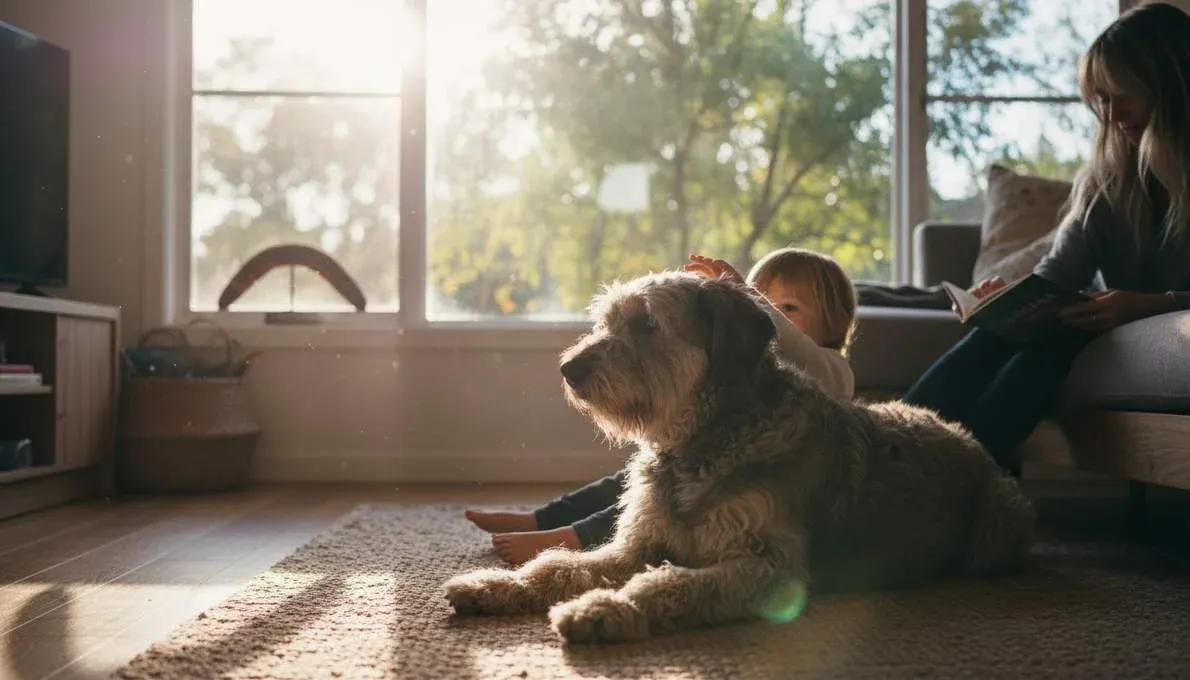
They’re excellent with children when raised together, and most Bouviers develop a particularly gentle, patient bond with the kids in their household. They’re less enthusiastic about other dogs unless socialised from puppyhood, and their herding instinct means they may try to “manage” smaller pets or children by nudging and circling.
One thing to know: Bouviers mature slowly. They may not reach full physical and mental maturity until 3–4 years of age. That means a 40 kg adolescent with the impulse control of a teenager — plan accordingly.
Health & Genetic Conditions
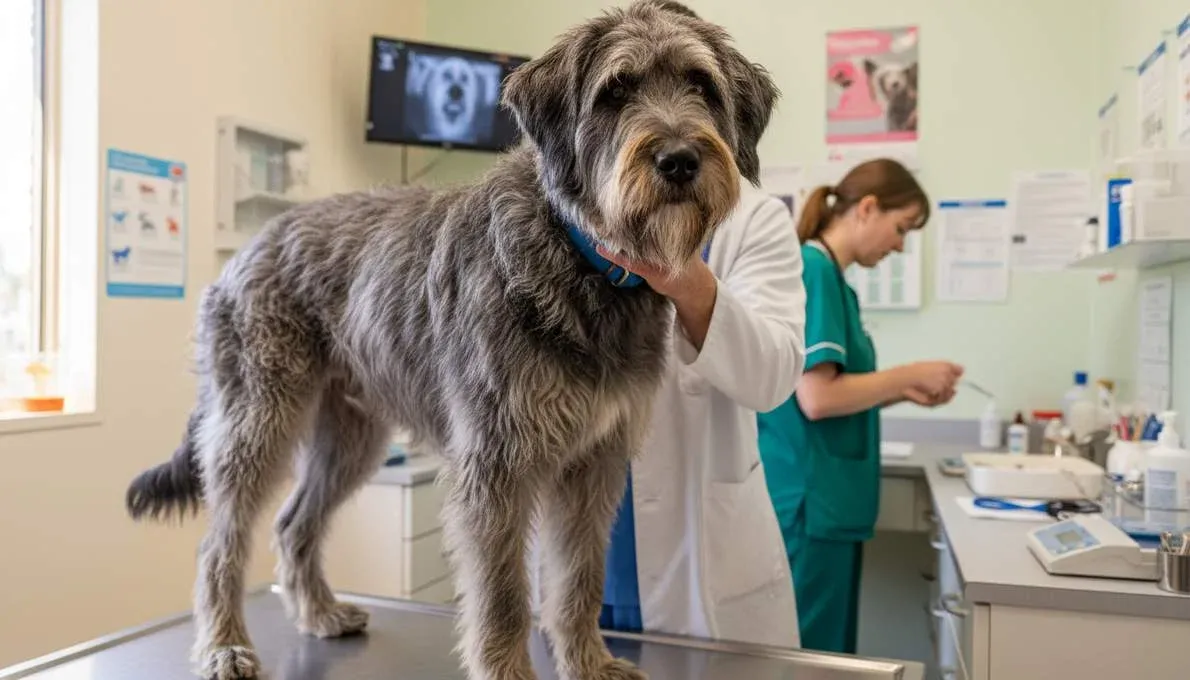
The Bouvier des Flandres is generally considered a hardy breed, but their large frame and deep chest create specific health vulnerabilities. Responsible breeders in Australia will health-test breeding stock for hips, elbows, heart and eyes before producing a litter. If a breeder can’t provide these results, look elsewhere.
| Condition | What It Is | Estimated Vet Cost (AUD) |
|---|---|---|
| Hip Dysplasia | Malformation of the hip joint causing pain, lameness and arthritis. Common in large breeds. | $3,000–$10,000+ (surgical correction) |
| Elbow Dysplasia | Abnormal development of the elbow joint causing front-leg lameness. | $3,000–$8,000 (surgery) |
| Gastric Dilatation-Volvulus (GDV/Bloat) | Stomach fills with gas and twists on itself. Life-threatening emergency requiring immediate surgery. | $5,000–$12,000+ (emergency surgery) |
| Hypothyroidism | Underactive thyroid causing weight gain, lethargy, skin problems and hair loss. | $300–$800/year (ongoing medication) |
| Subaortic Stenosis (SAS) | Heart defect where the passage between the left ventricle and aorta narrows. | $2,000–$6,000+ (diagnosis and management) |
| Cataracts / Glaucoma | Eye conditions causing vision impairment or loss. | $2,000–$5,000 per eye (surgery) |
| Lymphoma | Cancer of the lymphatic system. More common in Bouviers than many other breeds. | $5,000–$15,000+ (chemotherapy) |
| Bouvier Des Flandres Myopathy | Breed-specific muscle disease appearing between 3–7 months of age. | Varies — no cure, supportive care only |
This is the most acute threat to any deep-chested breed. Symptoms include a visibly distended abdomen, restlessness, drooling, retching without producing vomit and rapid breathing. If you suspect bloat, go to an emergency vet immediately — minutes matter. Many Bouvier owners elect to have a preventative gastropexy performed during desexing surgery, which tacks the stomach to the abdominal wall and dramatically reduces risk.
The breed club recommends cardiac exams, hip and elbow evaluations, and ophthalmologist evaluations as minimum health screening. Expect to pay $500–$1,500 for comprehensive pre-breeding health testing.
Lifespan & Longevity
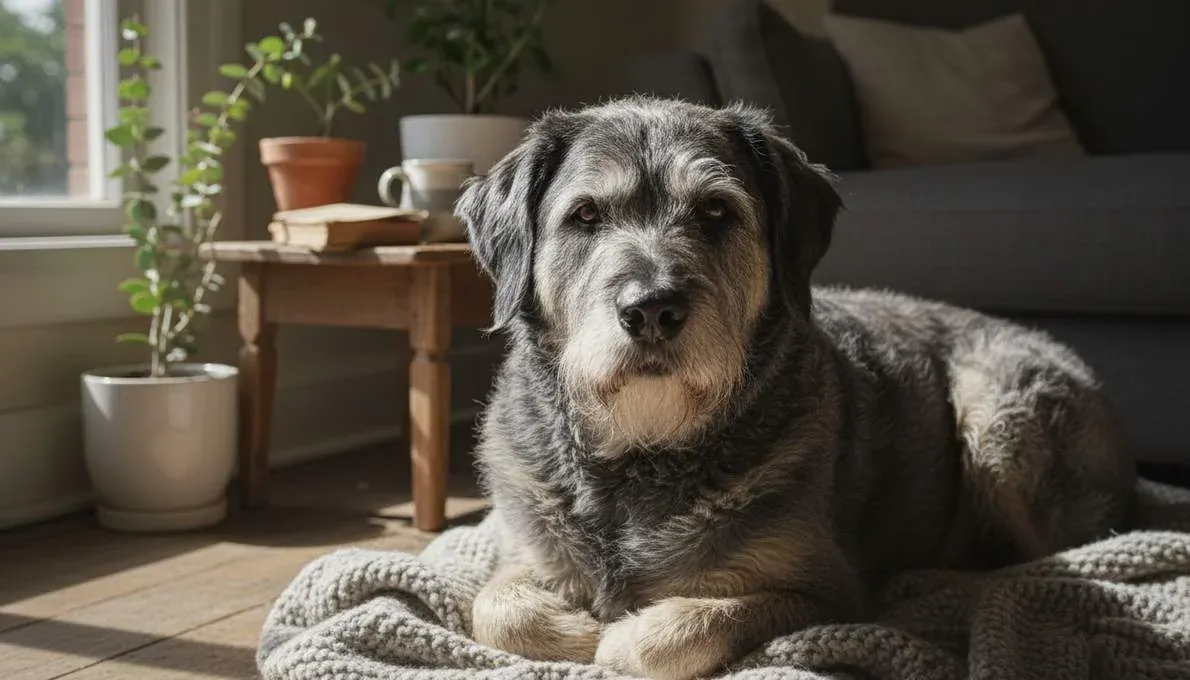
The average Bouvier des Flandres lifespan is 10–12 years. For a large breed dog, that’s reasonable — though not exceptional. Genetics, diet, weight management and preventative healthcare all play significant roles in how long your Bouvier lives and how well they age.
| Life Stage | Age Range | Key Considerations |
|---|---|---|
| Puppy | 0–12 months | Controlled growth diet (avoid over-supplementation), socialisation, initial health screening, vaccination schedule |
| Adolescent | 1–3 years | Still maturing physically and mentally. Ongoing training, hip/elbow assessment, weight management, gastropexy discussion |
| Adult | 3–8 years | Annual vet checks, dental care, thyroid monitoring, weight control, regular joint assessment |
| Senior | 8+ years | Bi-annual vet visits, cardiac screening, cancer watch (especially lymphoma), joint support, adjusted exercise and diet |
The two biggest threats to Bouvier longevity are bloat (GDV) and cancer, particularly lymphoma. Preventative gastropexy and regular blood work (twice yearly for seniors) are the best tools available. Obesity compounds every other health risk, so maintaining a lean body condition throughout their life is critical.
Grooming & Care
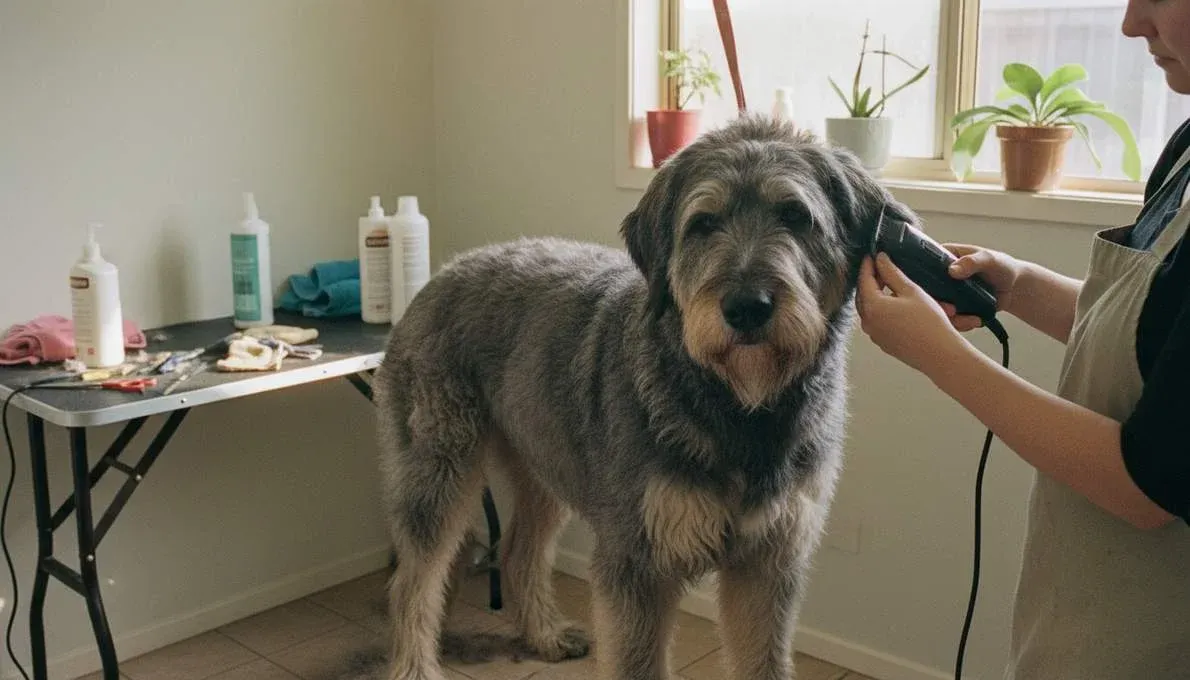
If you’re not prepared to commit serious time to grooming, the Bouvier des Flandres is not the breed for you. Their thick, coarse double coat is weatherproof and impressive-looking, but it demands consistent maintenance. Skip a few weeks and you’ll be dealing with mats, tangles and a dog that looks (and smells) like it’s been living rough.
Grooming Schedule
| Task | Frequency | Notes |
|---|---|---|
| Brushing | 3+ times per week | Use a slicker brush and steel comb. Work through the entire coat, including legs and underbelly, to prevent mats |
| Professional grooming/trimming | Every 6–8 weeks | Coat should be kept at 4–5 cm length. Professional hand-stripping or clipping to maintain breed silhouette |
| Beard cleaning | Daily | The beard collects food, water and dirt constantly. Wipe after every meal and check for bacteria buildup |
| Bathing | Every 4–6 weeks | Use a quality dog shampoo. Ensure thorough drying — a wet double coat breeds bacteria and hot spots |
| Nail trimming | Every 2–3 weeks | Large nails need strong clippers or a Dremel. Start young so they accept handling |
| Ear cleaning | Weekly | Check for moisture, odour and debris. Bouviers’ ear hair can trap moisture and cause infections |
| Dental care | 2–3 times per week | Bouviers are prone to dental disease. Enzymatic toothpaste and dental chews recommended |
Do Bouvier des Flandres shed?
Less than you’d expect for a dog this size. Their coarse outer coat traps dead hair, which means less fur on your furniture but more work during grooming sessions. They’re sometimes called “hypoallergenic,” but no dog is truly hypoallergenic. Bouviers produce less dander than many breeds, which some allergy sufferers find more tolerable — but it’s not guaranteed.
Grooming costs add up. Professional grooming for a Bouvier in Australia typically runs $100–$180 per session, and you’ll need 6–8 sessions per year. That’s $600–$1,440 annually in grooming alone. Many Bouvier owners learn to groom at home to reduce costs, but you’ll need proper tools: a quality slicker brush ($30–$60), steel comb ($20–$40), thinning shears ($40–$80) and clippers ($150–$300).
Exercise Needs
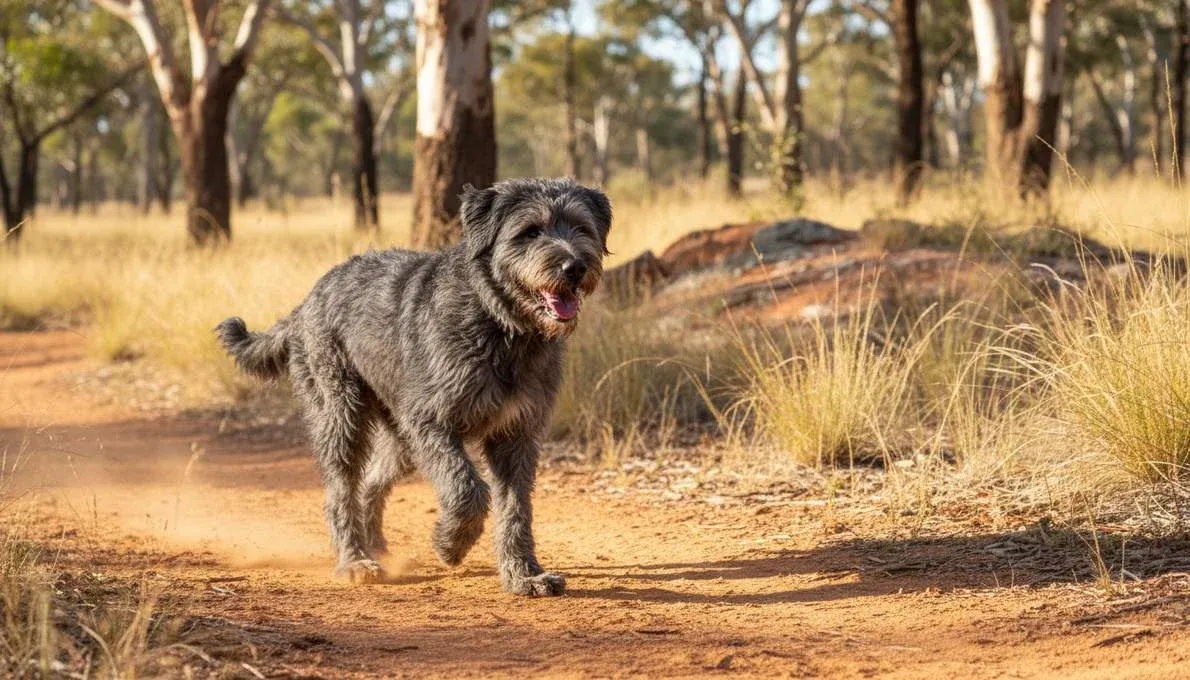
The Bouvier des Flandres is a working dog and it needs to work — or at least feel like it’s working. Sixty to ninety minutes of exercise per day is the minimum, and that should include a mix of physical activity and mental stimulation. A bored Bouvier is a destructive Bouvier, and a 40 kg destructive dog can do serious damage.
Long walks, hiking, swimming, carting and herding trials are all excellent outlets. Bouviers also excel at obedience, agility and tracking. The key is variety — these are intelligent dogs that get bored with repetitive routines.
Australian Climate Considerations:
The Bouvier’s thick double coat was designed for the cold, wet winters of Flanders — not for Australian summers. In hot weather, exercise your Bouvier in the early morning or late evening only. Provide constant access to shade and fresh water. Never shave a Bouvier’s coat to the skin — the double coat actually provides insulation from both heat and cold. A professional trim to a shorter (but not shaved) length is the correct approach for summer management.
A securely fenced yard is important. Bouviers have a moderate prey drive and a strong guarding instinct, and they need space to move. They’re not suited to apartment living and will struggle in homes without outdoor access.
Training Guide
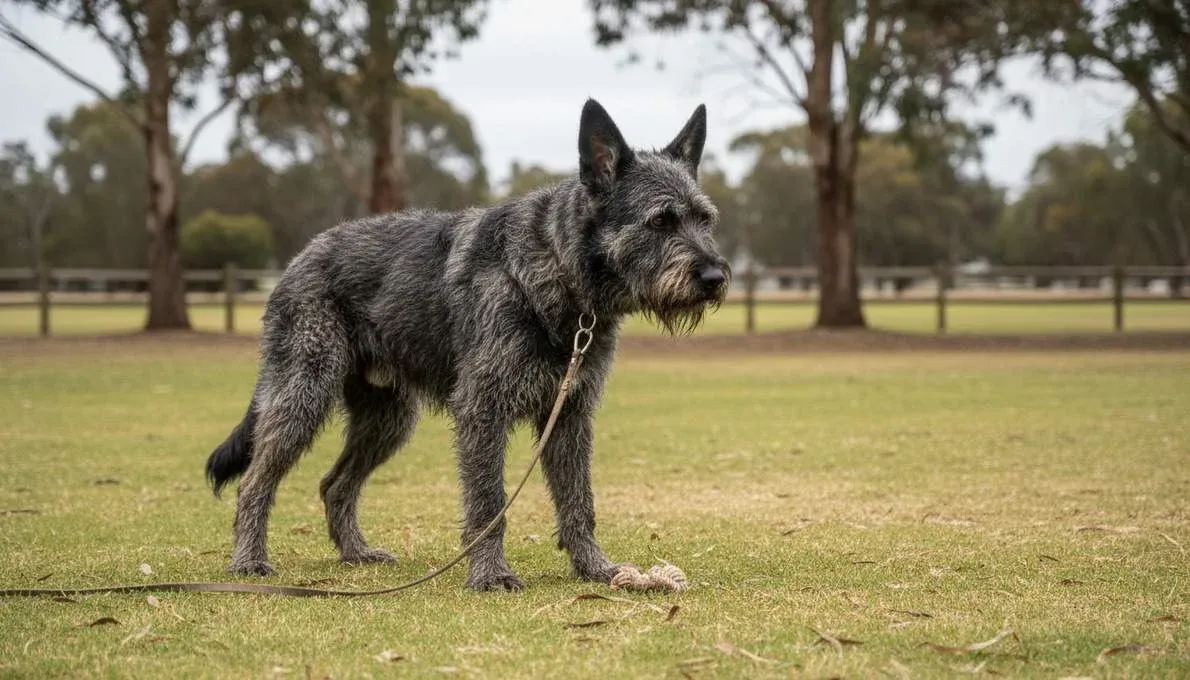
Bouviers are highly intelligent and eager to learn, but they’re also independent thinkers. This is a dog that was bred to make decisions on its own while managing cattle — it’s not going to blindly follow every command without understanding why. That means training requires consistency, patience and a calm, confident leadership style.
Socialisation & Training Timeline
| Age | Training Focus | Tips |
|---|---|---|
| 8–12 weeks | Socialisation, name recognition, basic handling, crate introduction | Expose to as many people, dogs, sounds and environments as possible. Bouviers that miss this window can become overly suspicious of strangers. |
| 3–6 months | Basic obedience (sit, stay, come, leave it), lead walking | Use positive reinforcement. Bouviers respond well to calm, firm guidance and poorly to harsh corrections. Keep sessions short (10–15 minutes). |
| 6–12 months | Recall, impulse control, polite greetings, boundary training | Adolescent Bouviers test authority. Stay consistent. This is the stage where they decide whether you’re the leader or they are. |
| 1–3 years | Advanced obedience, sport training, ongoing socialisation | Bouviers mature slowly. Training is a multi-year commitment. Consider dog sports like herding, tracking or agility to channel their intelligence. |
Is the Bouvier des Flandres a good dog for first-time owners?
Generally, no. Their size, strength, independent nature and need for consistent leadership make them a challenging breed for inexperienced owners. If you’re set on a Bouvier as your first dog, invest in professional training from day one and connect with your breeder for ongoing mentorship.
Price & Costs (AUD)
The Bouvier des Flandres is not a budget-friendly breed. Between purchase price, grooming costs and the potential for large-breed health issues, you need to be financially prepared before bringing one home.
| Expense | One-Off Cost (AUD) | Annual Cost (AUD) |
|---|---|---|
| Puppy (registered breeder) | $3,000–$6,000+ | — |
| Adoption (rescue, if available) | $500–$1,500 | — |
| Initial vet setup (vaccinations, microchip, desexing + gastropexy) | $800–$2,500 | — |
| Food (quality large-breed kibble) | — | $1,200–$2,000 |
| Routine vet care (annual check, vaccinations, dental, bloods) | — | $600–$1,200 |
| Pet insurance (comprehensive, large breed) | — | $1,200–$2,400 |
| Grooming (professional, 6–8x/year) | — | $600–$1,440 |
| Grooming tools (home maintenance) | $200–$500 | $50–$100 |
| Toys, bedding, crate, accessories | $300–$600 | $150–$300 |
| Training (professional obedience, ongoing) | $300–$800 | $200–$500 |
| Unexpected vet costs (bloat surgery, hip/elbow, cancer treatment) | $3,000–$15,000+ | Varies |
Estimated first-year cost:
$7,000–$14,000+ (including puppy purchase). Ongoing annual costs: approximately $4,000–$8,000 depending on health, grooming choices and insurance.
Finding a Breeder in Australia:
Finding a Bouvier des Flandres breeder in Australia requires patience. Only a handful of registered breeders operate across the country, with most concentrated in Victoria, NSW and Queensland. Start by contacting Dogs Australia, Dogs Victoria or Dogs NSW for their breeder directories. Expect to join a waitlist — 12+ months is common. Never buy from an unregistered breeder or online marketplace. Health testing is absolutely critical with this breed.
Is a Bouvier des Flandres Right for You?
The Bouvier is a remarkable dog, but it’s not the right dog for most households. Here’s an honest assessment.
- Have a house with a securely fenced yard and space for a large, active dog
- Are an experienced dog owner with confidence in handling a strong, independent breed
- Want a loyal, protective family dog that doubles as a natural guardian
- Are prepared to commit to regular, intensive grooming (or can budget for professional grooming)
- Lead an active lifestyle with time for 60–90 minutes of daily exercise
- Can budget for large-breed vet costs and comprehensive pet insurance
- Live in an apartment or small home without a yard
- Are a first-time dog owner without access to professional training support
- Want a low-maintenance, easy-going companion that requires minimal grooming
- Are away from home for long hours — Bouviers bond deeply and need their people
- Live in a very hot climate without air conditioning and adequate shade
- Aren’t prepared for the financial reality of large-breed health emergencies
This is the most common breed comparison. Both are large, bearded, intelligent working dogs. Giant Schnauzers tend to be more energetic and driven, while Bouviers are typically calmer and more deliberate. Bouviers have a heavier build and a thicker coat. Both require experienced owners and significant grooming, but the Bouvier is generally considered slightly easier to live with in a family environment.
- The Bouvier des Flandres is a magnificent, deeply loyal working dog that will protect and adore your family with quiet, unwavering devotion. They’re calm in the house, powerful on the trail and steady in temperament.
- This is not a dog for casual owners. The grooming commitment alone will test your resolve, and the combination of size, independence and health costs demands experienced, financially prepared ownership.
- In Australia, Bouviers are rare and finding a well-bred puppy takes time. If you’re willing to wait, invest in training and commit to the grooming, you’ll be rewarded with one of the finest companion dogs on earth — a bearded, loyal shadow that thinks it’s your bodyguard. Because it is.
Bouvier des Flandres FAQs
How long do Bouvier des Flandres live?
The average Bouvier des Flandres lifespan is 10–12 years. With health-tested parents, good nutrition, weight management and preventative care (especially gastropexy for bloat prevention), some Bouviers live beyond 12 years.
How do you pronounce Bouvier des Flandres?
It’s pronounced “Boo-vee-AY day FLAHN-druh.” The name is French and translates to “cowherd of Flanders.”
Do Bouvier des Flandres shed?
Less than most large breeds. Their coarse double coat traps dead hair, which reduces shedding on furniture but increases the grooming workload. They require brushing at least three times per week and professional grooming every 6–8 weeks.
Are Bouvier des Flandres hypoallergenic?
They’re sometimes marketed as hypoallergenic because they shed minimally and produce less dander than many breeds. However, no dog breed is truly hypoallergenic. If you have allergies, spend time with a Bouvier before committing to purchase.
Are Bouvier des Flandres good guard dogs?
Yes — among the best natural guard dogs of any breed. They’re used worldwide in police and military roles. Their protective instinct is innate and doesn’t require specific guard training. They’re watchful, courageous and will position themselves between their family and any perceived threat.
How much does a Bouvier des Flandres cost in Australia?
Expect to pay $3,000–$6,000+ from a registered breeder. Bouviers are rare in Australia, so availability is limited and waitlists are common. Always purchase from an ANKC-registered breeder with documented health testing for hips, elbows, heart and eyes.
How big do Bouvier des Flandres get?
Males stand 62–68 cm at the shoulder and weigh 35–40 kg. Females are 59–65 cm and 27–35 kg. They’re compact and muscular rather than tall and rangy, and they don’t reach full physical maturity until 3–4 years of age.
Are Bouvier des Flandres good family dogs?
Excellent family dogs for experienced owners. They’re patient and gentle with children, deeply bonded to their household and naturally protective. However, they need proper socialisation and training, and their size and strength require supervision around small children.
What’s the difference between a Bouvier des Flandres and a Giant Schnauzer?
Both are large, bearded working dogs, but Bouviers are calmer, heavier-built and have a thicker coat. Giant Schnauzers are leaner, more driven and higher-energy. Both need experienced owners and regular grooming. Bouviers are generally considered more laid-back in the home.
What colours do Bouvier des Flandres come in?
Standard colours include black, fawn, brindle, grey (salt and pepper) and dark grey. Black is the most common in Australia. White Bouviers exist but are not considered breed standard. Coat colour can lighten or darken as the dog matures.
1. American Kennel Club – Bouvier des Flandres Breed Standard — https://www.akc.org/dog-breeds/bouvier-des-flandres/
2. Dogs Victoria – Bouvier des Flandres Breed Information — https://dogsvictoria.org.au/family-pet/dogs-and-puppies/buying-a-puppy/breed-information-and-registered-breeders/bouvier-des-flandres.html
3. Dogs NSW – Bouvier des Flandres Breed Profile — https://www.dogsnsw.org.au/Breeds/browse-all-breeds/147/Bouvier-des-Flandres/
4. PetMD – Bouvier des Flandres Breed Health and Care — https://www.petmd.com/dog/breeds/bouvier-des-flandres
5. Purina Australia – Bouvier des Flandres — https://www.purina.com.au/dogs/breeds/bouvier-des-flandres
6. DogzOnline – Bouvier des Flandres Breeders in Australia — https://www.dogzonline.com.au/breeds/breeders/bouvier-des-flandres.asp
7. WebMD Pets – What to Know About a Bouvier des Flandres — https://www.webmd.com/pets/dogs/what-to-know-about-bouvier-des-flandres
8. Chewy – Bouvier des Flandres Breed Information — https://www.chewy.com/education/dog-breeds/bouvier-des-flandres