

There’s a reason the Border Collie tops every “smartest dog breeds” list ever published. These dogs don’t just follow commands — they problem-solve, strategise, and occasionally outsmart their owners in ways that are genuinely humbling. A Border Collie named Chaser famously learned over 1,000 words, and if you’ve ever watched one work a flock of sheep, you’ll understand why people describe them as “the dog with a human brain.”
But here’s the part most breed guides gloss over: that intelligence comes at a cost. A bored Border Collie doesn’t just chew a shoe — they redesign your garden, herd your children, and develop anxiety that’ll break your heart. This is a breed that needs a job, a purpose, and an owner who genuinely enjoys being active every single day.
If you’re ready for that, a Border Collie will give you the most rewarding dog ownership experience of your life. If you’re not, they’ll give you the most exhausting. Here’s the honest guide for Australian owners.
What You’ll Learn
- Breed traits & temperament
- Health concerns to know
- True cost in Australia
- Training & exercise needs
- Is this breed right for you?
Quick Facts at a Glance
| Trait | Detail |
|---|---|
| Breed Group | Herding (Working) |
| Origin | Anglo-Scottish border region, United Kingdom |
| Height | 46–56 cm (males), 46–53 cm (females) |
| Weight | 14–20 kg |
| Lifespan | 12–15 years |
| Coat | Double coat — rough (medium-length) or smooth (short-haired) |
| Shedding | Moderate to heavy, especially during seasonal changes |
| Temperament | Intelligent, energetic, loyal, intense, work-driven |
| Exercise Needs | High — minimum 1–2 hours daily, plus mental stimulation |
| Good With Kids | Yes, but may try to herd them |
| Apartment Friendly | Not recommended without significant exercise commitment |
| Barking Level | Moderate — alert barkers, can become vocal if under-stimulated |
| ANKC Status | Recognised — Group 5 (Working Dogs) |
| AKC Status | Recognised — Herding Group |
History & Origins
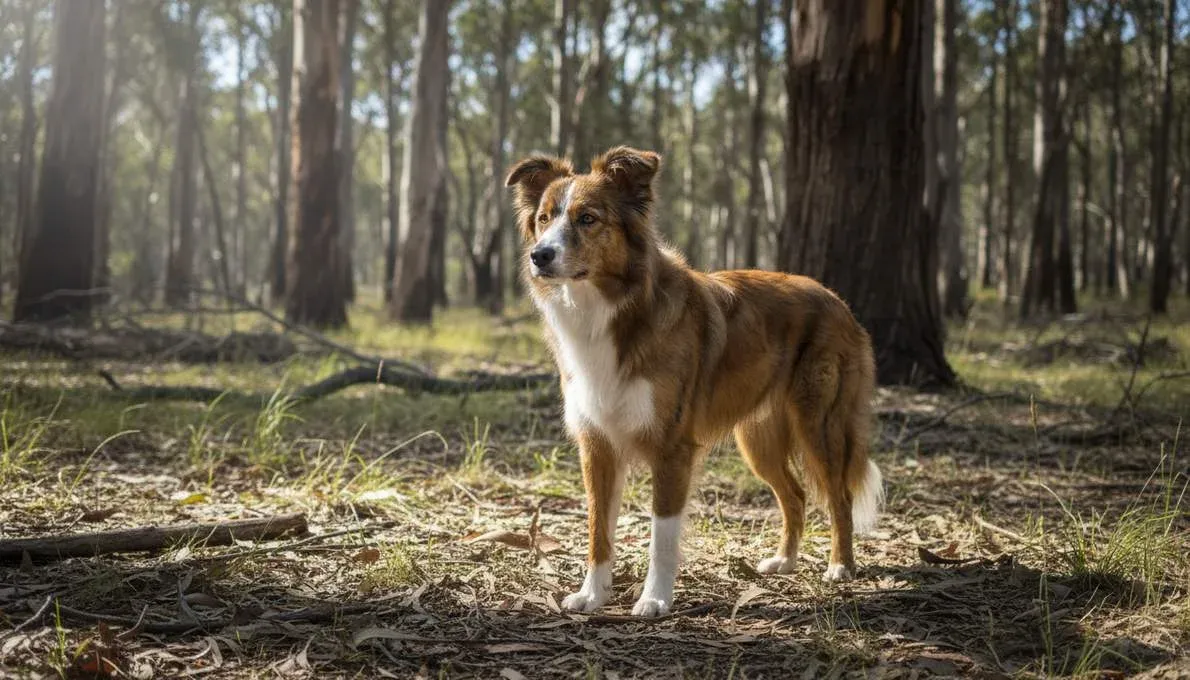
The Border Collie’s name is literally geographic — “Border” refers to the Anglo-Scottish border region where the breed was developed, and “Collie” is a Scottish dialect word for sheepdog. These dogs were bred for one thing: moving livestock with precision, speed, and an almost eerie level of intelligence.
The breed’s modern lineage traces back to a single dog: Old Hemp, born in 1893 in Northumberland. Old Hemp was quiet, powerful, and could control sheep with nothing more than a steady gaze — what’s now known as “eye.” He sired over 200 puppies and is considered the founding father of the Border Collie breed as we know it [1].
Border Collies arrived in Australia in the early 20th century and became indispensable on farms across the country. In a landscape where a single property can cover thousands of hectares, a dog that could independently manage livestock was worth its weight in gold. Today, they’re still the most popular working dog breed in rural Australia, but they’ve also become one of the most sought-after companion and sporting dogs in suburban households [2].
That transition from paddock to suburb is where things get complicated — and where most Border Collie behaviour problems start.

Temperament & Personality
The Border Collie temperament is best described as “intense.” They’re affectionate, loyal, and deeply bonded to their people — but they’re also wired to work, and that drive doesn’t switch off just because you live in a three-bedroom house in Blacktown.
They’re incredibly responsive to training, which makes them outstanding obedience and agility dogs. They read body language better than most humans can, and they’ll anticipate your next move before you’ve even decided on it. This is the breed that will learn to open doors, unlatch gates, and figure out exactly which whimper gets them fed early.
a Border Collie without enough stimulation becomes anxious, destructive, or obsessive. They’ll chase shadows, fixate on light reflections, herd children and other pets, bark compulsively, or develop repetitive behaviours that resemble OCD. This isn’t bad behaviour — it’s a working brain with nothing to do.
With strangers, Border Collies tend to be reserved but not aggressive. They’ll watch and assess before deciding you’re worth their time. With their family, they’re devoted to the point of being velcro dogs — they want to be wherever you are, doing whatever you’re doing.
Generally excellent, but be prepared for herding behaviour. Border Collies instinctively nip at heels and try to “round up” running children. It’s not aggression — it’s hardwired instinct. Early training and redirection are essential.
Health & Genetic Conditions
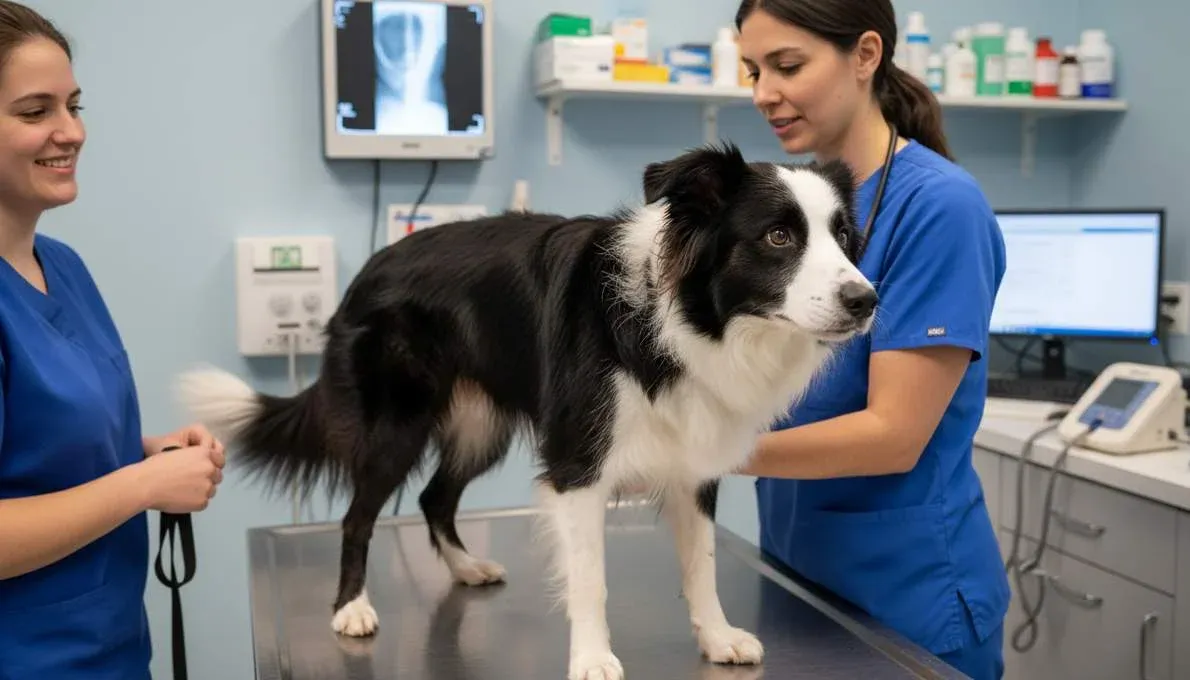
Border Collies are generally a robust, healthy breed — but they carry some breed-specific genetic risks that every owner should know about. The good news is that most of these conditions have DNA tests available, so responsible breeders can screen for them before breeding.
| Condition | What to Know (AUD Costs) | Risk Level |
|---|---|---|
| Hip Dysplasia | Joint malformation causing pain, lameness, and arthritis. Common in active breeds. X-ray screening (hip scoring) recommended for breeding dogs. Surgery in severe cases: $3,000–$7,000 AUD per hip. | Moderate–High |
| Collie Eye Anomaly (CEA) | Inherited eye defect present from birth. Ranges from mild (no vision impact) to severe (blindness). DNA test available. No treatment for severe cases. Eye exam at 6–8 weeks: $80–$150 AUD. | Moderate |
| Epilepsy | Idiopathic epilepsy is common in Border Collies, causing seizures. Onset typically 1–5 years. Lifelong medication required: $30–$100/month AUD. No genetic screening test currently available. | Moderate |
| Progressive Retinal Atrophy (PRA) | Inherited condition causing gradual vision loss and eventual blindness. DNA test available. No cure, but early detection allows adaptation. Genetic test: $70–$150 AUD. | Low–Moderate |
| MDR1 Gene Mutation | Makes dogs hypersensitive to certain common medications (e.g. ivermectin). Affects up to 75% of Collie-type breeds. Simple DNA test: $70–$100 AUD. Critical to test before any anaesthesia or medication. | High |
| Trapped Neutrophil Syndrome (TNS) | Genetic immune disorder specific to Border Collies. Affected dogs rarely survive past 2 years. DNA test available to identify carriers. Screen breeding dogs before mating. | Low (fatal) |
| Osteochondritis Dissecans (OCD) | Joint cartilage disorder, usually shoulder. Appears in puppies 4–9 months. More common in fast-growing males. Surgery: $2,000–$5,000 AUD. | Low–Moderate |
Non-negotiable: Any reputable Border Collie breeder in Australia should provide DNA test results for CEA, TNS, and MDR1 at minimum, plus hip and elbow scores for both parents. If a breeder can’t produce these, walk away [3].
Lifespan & Longevity
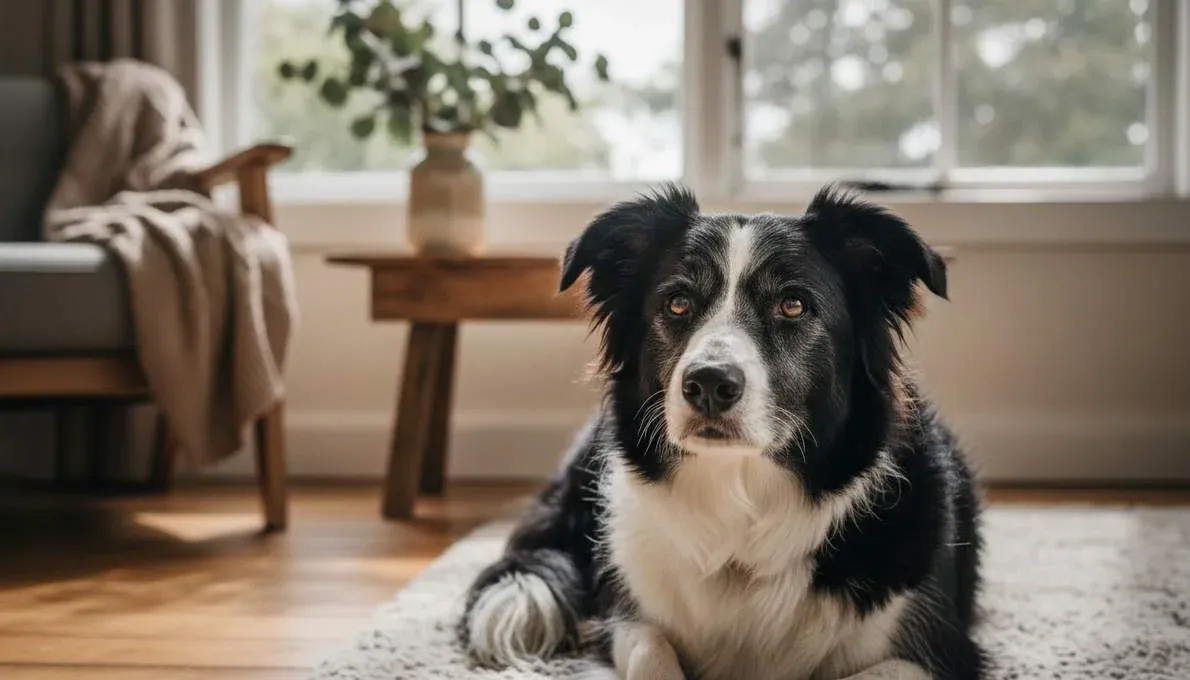
The average Border Collie lifespan is 12–15 years, which is solid for a medium-sized breed. Some healthy, well-cared-for Border Collies have lived well beyond that — the oldest recorded Border Collie, Bramble, reportedly lived to 25 years on a plant-based diet (though that’s an extreme outlier, not a recommendation).
Puppy to 1 year: Vaccinations, socialisation, and controlled exercise. Avoid high-impact activities (long runs, repetitive jumping) until growth plates close around 12–18 months. Over-exercising a Border Collie puppy can cause joint damage that shortens their active life.
1–7 years: Peak performance years. Maintain 1–2 hours of daily exercise, annual vet checks, and dental care. Watch weight — Border Collies are naturally lean and shouldn’t carry excess fat. Keep up mental stimulation to prevent behavioural decline.
8+ years: Senior Border Collies may develop arthritis, vision loss (especially if PRA or CEA carriers), and reduced stamina. Switch to twice-yearly vet visits. Adjust exercise — shorter walks, more sniff-based outings. Joint supplements containing glucosamine and omega-3 fatty acids help maintain mobility. Cognitive enrichment (puzzle feeders, nose work) keeps their ageing brain sharp.
Grooming & Care
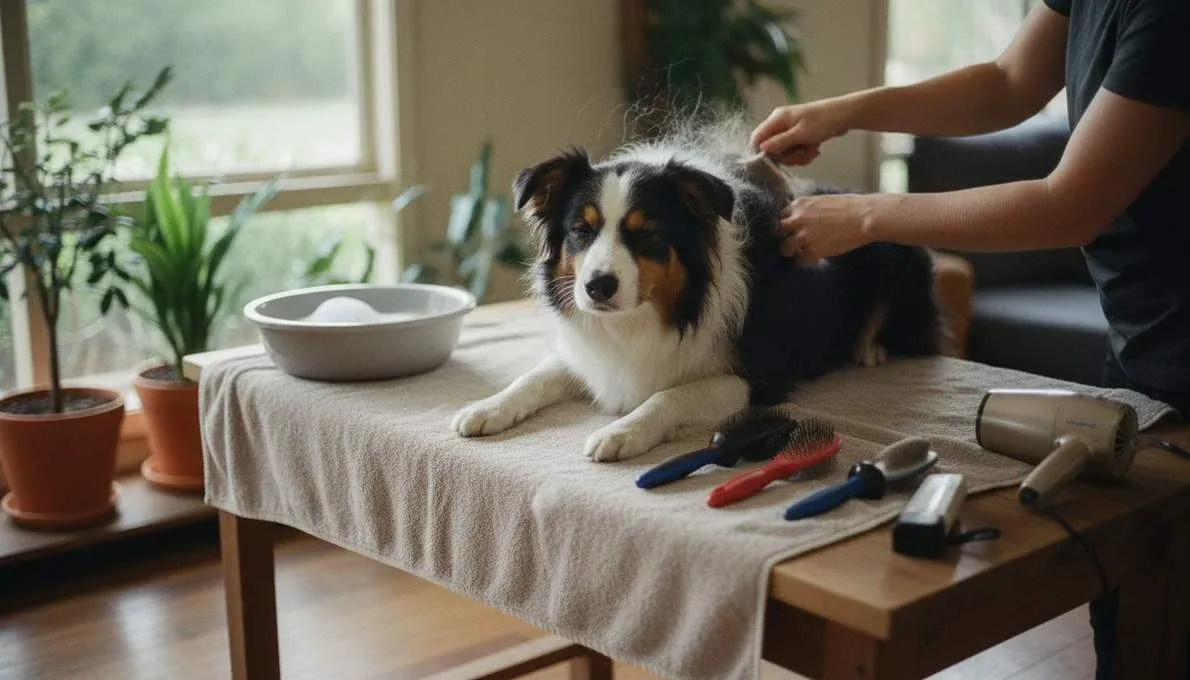
Border Collies come in two coat types: rough (medium-length, feathered) and smooth (short-haired). Both are double-coated, which means both shed — and during spring and autumn coat blows, “shed” is an understatement. Think tumbleweeds of fur drifting through your house.
| Task | Frequency | Notes |
|---|---|---|
| Brushing | 2–3 times per week (daily during shedding season) | Use an undercoat rake and slicker brush. Work through the feathering on legs, chest, and belly where mats form. |
| Bathing | Every 4–6 weeks | Only when genuinely dirty. Over-bathing strips natural oils from the double coat. Use a dog-specific shampoo. |
| Ear Cleaning | Weekly check, monthly clean | Floppy-eared Border Collies are more prone to moisture buildup. Check for redness or odour. |
| Teeth Brushing | 3–4 times per week (daily ideal) | Border Collies are prone to dental disease. Start young. Use enzymatic dog toothpaste. |
| Nail Trimming | Every 2–4 weeks | Active dogs on hard surfaces may wear nails naturally. Check regularly. |
| Coat Blow (seasonal) | Twice yearly — spring and autumn | Expect 2–3 weeks of heavy shedding. A deshedding tool (like a Furminator) and daily brushing are your best friends. |
| Professional Groom | Optional — every 8–12 weeks | Budget $70–$120 AUD per session. Many Border Collie owners manage grooming at home. |
Short-haired Border Collies (smooth coat) are lower maintenance but still shed. They’re a popular choice for owners who want the Border Collie brain without the grooming commitment of the rough coat. The smooth coat is just as weather-resistant and doesn’t mat as easily.
Exercise Needs
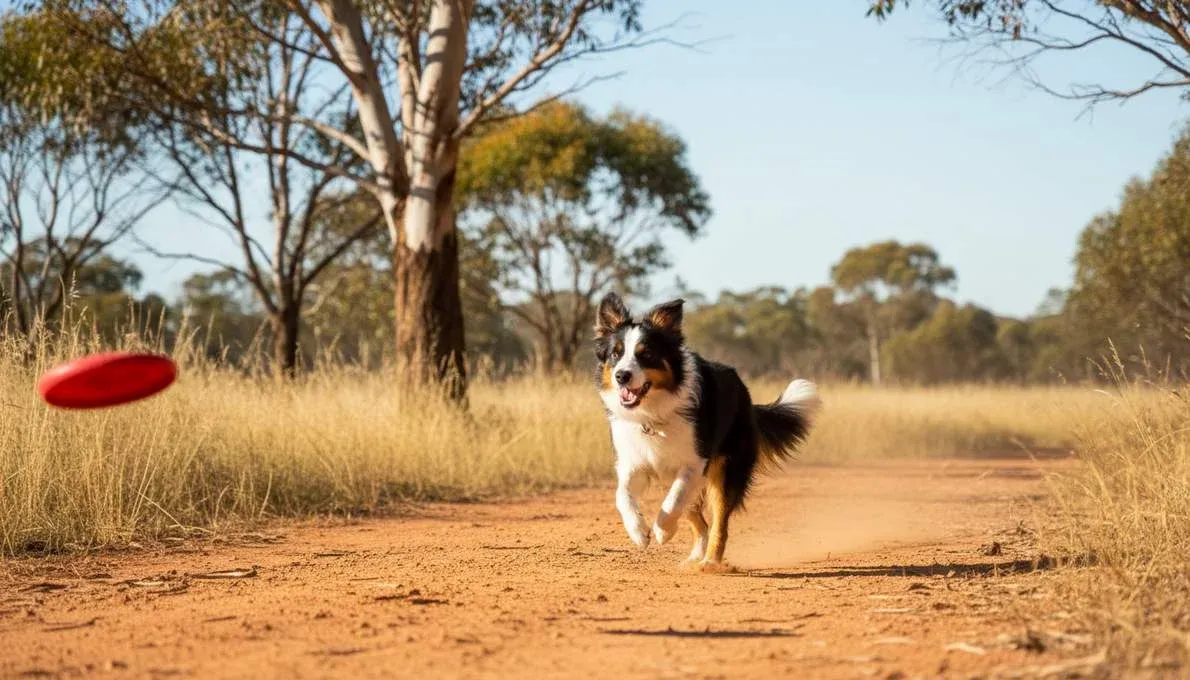
This is the section that makes or breaks Border Collie ownership. These dogs need a minimum of 1–2 hours of active exercise every day, plus additional mental stimulation on top of that. A quick lap around the block will not cut it.
The ideal Border Collie exercise routine combines physical activity with brain work: a long walk or run in the morning, a training session or puzzle game in the afternoon, and an off-lead run or fetch session in the evening. Agility, flyball, disc dog, and herding trials are all excellent outlets for their energy and intelligence.
Without enough exercise and mental stimulation, Border Collies develop problems fast. We’re talking destructive digging, obsessive behaviours (shadow chasing, light fixation, tail chasing), relentless barking, and escaping (Border Collies can clear a 1.5-metre fence without breaking stride).
Australian climate warning: That thick double coat makes Border Collies vulnerable to heat stress, particularly in Queensland, the Northern Territory, and inland regions during summer. Exercise early morning or after sunset during hot months. Always carry water on walks. Watch for signs of overheating: excessive panting, drooling, staggering, or collapse. Never leave a Border Collie in a car or direct sun.
Can a Border Collie live in an apartment? Technically yes, but only if you are genuinely committed to daily exercise well beyond what most apartment dwellers provide. Most honest Border Collie owners will tell you a house with a yard (securely fenced — 1.8 m minimum) is far more practical.
Training Guide
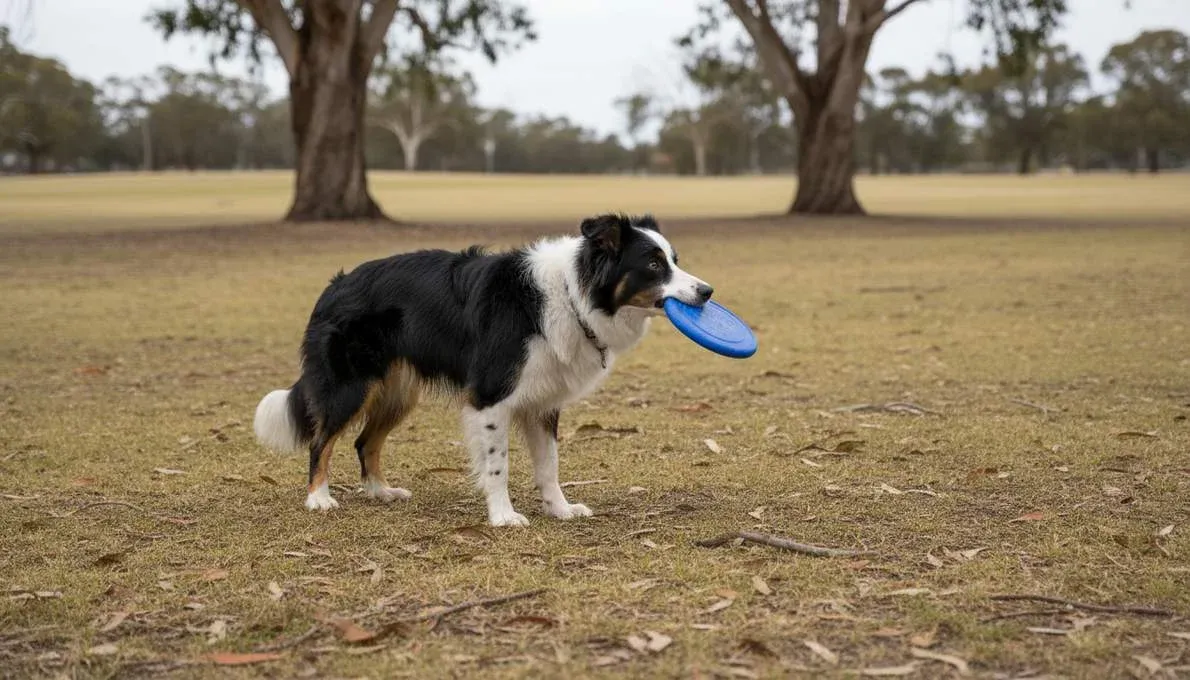
Training a Border Collie is simultaneously the easiest and most challenging thing you’ll do as a dog owner. They learn faster than any other breed — most can pick up a new command in under five repetitions. But that same intelligence means they’ll learn your bad habits just as quickly, and they get bored with repetitive drills.
| Age | Training Focus |
|---|---|
| 8–12 weeks | Socialisation is critical. Expose to different people, dogs, surfaces, sounds, and environments. Basic name response, sit, and toilet training. Handle paws, ears, mouth daily for future grooming and vet visits. Enrol in puppy school. |
| 3–6 months | Sit, down, stay, come, leave it. Begin leash manners (they’ll pull — use a front-clip harness). Start redirecting herding instincts (nipping, chasing). Introduce crate training. Build impulse control with “wait” exercises. |
| 6–12 months | Off-lead recall in enclosed areas. Introduce agility or trick training for mental stimulation. This is the adolescent “testing” period — stay consistent. Continue socialisation with other dogs and new environments. |
| 1 year+ | Advanced obedience, sport-specific training (agility, flyball, herding). Maintain training variety — Border Collies disengage when bored. Short, fun sessions (10–15 min) beat long repetitive ones. Keep learning new things together. |
Honest difficulty rating: Easy to train, hard to live with if undertrained. Border Collies respond brilliantly to positive reinforcement and thrive with structured, varied training. But they need an owner who’s committed to ongoing mental engagement — not just “puppy school and done.” This is a lifetime training breed.
Cost of Ownership (AUD)
Border Collies are more affordable to buy than many purebreds, but the real cost is in keeping their body and brain healthy over a 12–15 year lifespan. Here’s a realistic breakdown:
| Expense | Cost (AUD) | Notes |
|---|---|---|
| Puppy (registered breeder) | $1,500–$3,500 | Standard colours (black & white) at the lower end. Merle, lilac, or red patterns from show lines can reach $4,000–$5,000. |
| Puppy (working lines/farm) | $800–$1,800 | Working-bred Border Collies from farm breeders. Often not ANKC registered but well-bred for temperament. |
| Adoption/Rescue | $300–$600 | Check Border Collie Rescue Australia, PetRescue.com.au, and state-based rescue groups. Many adult BCs in rescue. |
| First-year vet costs | $800–$1,500 | Vaccinations, desexing, microchipping, initial health screening, DNA testing. |
| Annual vet costs | $400–$1,000 | Routine checkups, dental, flea/tick/worming. Higher if managing epilepsy or joint issues. |
| Food (monthly) | $60–$120 | Active medium-sized breed = moderate appetite. High-quality kibble or raw diet. Budget higher for working dogs. |
| Grooming (annual) | $200–$600 | Most owners groom at home. Budget for brushes, deshedding tools, and occasional professional grooms. |
| Pet Insurance (annual) | $500–$1,200 | Recommended given genetic risks (epilepsy, hip dysplasia). Compare on comparethemarket.com.au. |
| Training & Activities | $300–$1,000/year | Puppy school, obedience classes, agility club fees. Essential, not optional, for this breed. |
| Miscellaneous | $300–$600/year | Toys (they destroy them), leads, beds, council registration, secure fencing. |
| Estimated Lifetime Cost | $25,000–$50,000+ | Over 12–15 years, including purchase price. Higher end if competitive sport or chronic health issues. |
Where to find breeders: DogzOnline.com.au lists ANKC-registered Border Collie breeders across every state. RightPaw.com.au vets breeders for health testing and welfare standards. Your state canine council (Dogs NSW, Dogs Victoria, Dogs QLD, Dogs SA) also maintains breeder directories. For working-line dogs, check Farm Tender and regional agricultural networks [4].
Is the Border Collie Right for You?
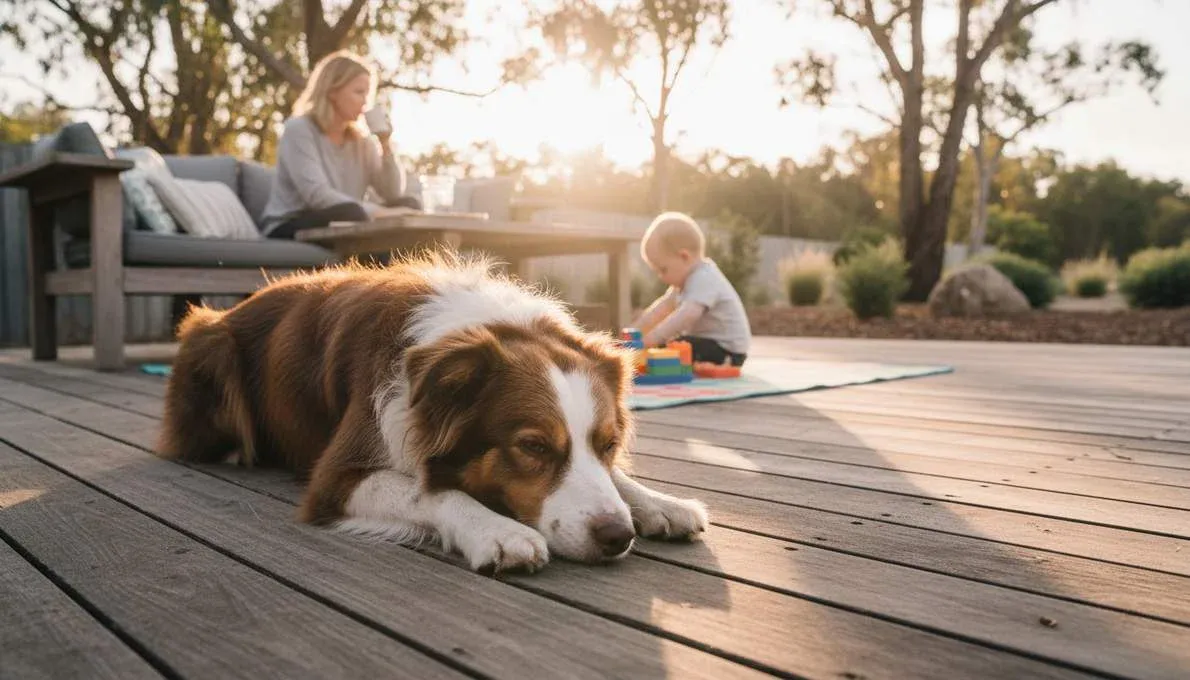
are active and enjoy daily outdoor exercise (running, hiking, cycling), want a dog that can learn anything and loves training, have a securely fenced yard, enjoy dog sports like agility, flyball, or disc, and are home enough to provide companionship and mental stimulation.
work long hours and the dog will be home alone all day, want a low-energy “netflix and chill” companion, live in an apartment with no realistic plan for 1–2 hours of daily exercise, have very young children (herding instincts + toddlers = nipping), aren’t prepared for heavy shedding twice a year, or are a first-time dog owner who hasn’t researched breed needs thoroughly.
If you love the Border Collie look but need less intensity, consider a Rough Collie (calmer, similar appearance), an Australian Shepherd (slightly more adaptable), or a Kelpie cross (still active but often more independent). For families wanting a smart, active dog with a softer “off switch,” a Labrador Retriever or Golden Retriever may be a better match.
The Border Collie is the Einstein of the dog world — fiercely intelligent, endlessly loyal, and capable of extraordinary things when given the right environment. In the right home, they’re the best dog you’ll ever own.
In the wrong home, they’re a disaster. Under-exercised, under-stimulated Border Collies fill Australian rescues because owners underestimated what “high energy” actually means. Be honest with yourself about your lifestyle before committing.
Budget $1,500–$3,500 AUD from a registered breeder, or check rescue organisations first. There are many wonderful adult Border Collies waiting for active homes who already know the basics and just need someone willing to keep up.
Frequently Asked Questions
How long do Border Collies live?
The average Border Collie lifespan is 12–15 years. With good genetics, proper nutrition, regular exercise, and routine vet care, many Border Collies live to the higher end of that range. Some have exceeded 20 years in rare cases.
Do Border Collies shed?
Yes, Border Collies shed moderately year-round and heavily twice a year during seasonal coat blows (spring and autumn). Both rough (long) and smooth (short-haired) coat types shed. Regular brushing helps manage it, but expect fur on your furniture, clothes, and car.
Are Border Collies good family dogs?
They can be excellent family dogs for active families with older children. However, their herding instinct means they may nip at the heels of running toddlers. They need significant daily exercise and mental stimulation, so they’re best suited to families who genuinely enjoy being active outdoors.
What colours do Border Collies come in?
Border Collies come in a wide variety of colours including black and white, red and white, blue merle, chocolate, lilac, tri-colour, sable, and more. Black and white is the most common and iconic. Merle and lilac patterns tend to be more expensive from breeders.
How much does a Border Collie cost in Australia?
Expect to pay $1,500–$3,500 AUD from a registered breeder for standard colours. Rare colours or show-line puppies can reach $4,000–$5,000 AUD. Working-line puppies from farm breeders are typically $800–$1,800 AUD. Rescue adoption fees are $300–$600 AUD.
What is the difference between a Border Collie and an Australian Shepherd?
Both are intelligent herding breeds, but they differ in origin, build, and temperament. Border Collies are leaner and more intense, bred on the Anglo-Scottish border. Australian Shepherds are stockier, were actually developed in the United States, and often have docked tails. Aussies tend to be slightly more adaptable to a less active lifestyle, though both need significant exercise.
Can Border Collies live in apartments?
It’s possible but not ideal. Border Collies need substantial daily exercise (1–2 hours minimum) and mental stimulation. If you can genuinely commit to that in an apartment setting, it can work. But a house with a securely fenced yard makes life far easier for both you and the dog.
What is a short-haired Border Collie?
A short-haired (smooth coat) Border Collie has the same intelligence and energy as a rough-coated Border Collie but with a shorter, flatter coat. They’re lower maintenance for grooming but still shed. The smooth coat is recognised by the ANKC and is not a crossbreed.
When do Border Collies stop growing?
Border Collies typically reach their full height by 12–15 months and their full adult weight by 18 months. They may continue to fill out slightly until around 2 years old. Avoid high-impact exercise until growth plates close (around 12–18 months).
Are Border Collies good with other dogs?
Generally yes, especially if socialised early. However, some Border Collies try to herd other dogs, which not all dogs appreciate. They can also be intense during play, which can overwhelm calmer breeds. Early puppy socialisation and ongoing positive experiences with other dogs help enormously.
[1] International Sheep Dog Society — Old Hemp and the Origins of the Border Collie: https://www.isds.org.uk/
[2] Dogs Australia (ANKC) — Border Collie Breed Standard: https://dogsaustralia.org.au/
[3] PetMD — Border Collie Dog Breed Health and Care: https://www.petmd.com/dog/breeds/border-collie
[4] DogzOnline — Border Collie Breeders in Australia: https://www.dogzonline.com.au/breeds/breeders/border-collie.asp
[5] American Kennel Club — Border Collie Dog Breed Information: https://www.akc.org/dog-breeds/border-collie/
[6] Pets4Homes — Common Health Conditions in Border Collies: https://www.pets4homes.co.uk/pet-advice/health-conditions-common-to-the-border-collie.html
[7] A-Z Animals — 8 Common Health Problems Seen in Border Collies: https://a-z-animals.com/blog/common-health-problems-seen-in-border-collies/
[8] RightPaw — Border Collie Puppies from Responsible Breeders: https://rightpaw.com.au/dogs/breed/border-collie