
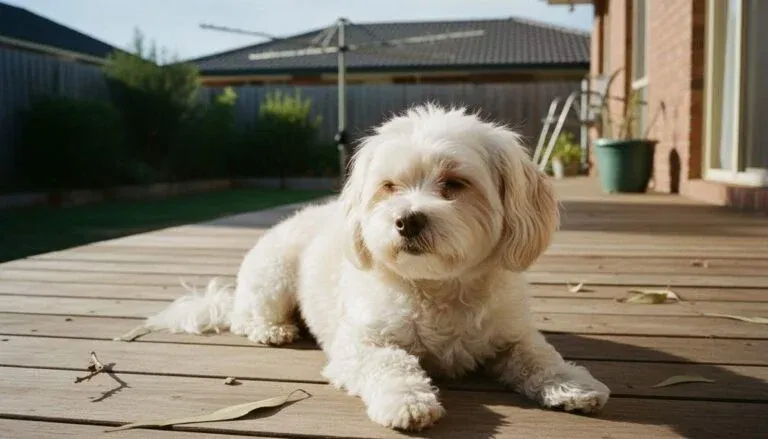
Most Australians have never heard of the Bolognese dog — and no, we’re not talking about the pasta sauce. This tiny, cotton-coated Italian breed has been stealing hearts (and laps) since the Renaissance, when European nobles literally gifted them to kings. Today, the Bolognese remains one of the rarest companion breeds you can find in Australia, and honestly? That’s part of the charm.
If you’re after a low-shedding, absurdly affectionate little dog that wants nothing more than to be glued to your side, the Bolognese (also known as the Bichon Bolognese) might just be the breed you didn’t know you were looking for. But they’re not for everyone — and this guide won’t pretend they are.
Here’s what you actually need to know before bringing one home in Australia.
What You’ll Learn
- Breed traits & temperament
- Health concerns to know
- True cost in Australia
- Training & exercise needs
- Is this breed right for you?
Quick Facts at a Glance
| Trait | Detail |
|---|---|
| Breed Group | Toy (Companion) |
| Origin | Bologna, Italy |
| Height | 25–30 cm |
| Weight | 2.5–4.5 kg |
| Lifespan | 12–14 years |
| Coat | Long, fluffy, cotton-like — pure white |
| Shedding | Very low (considered hypoallergenic) |
| Temperament | Calm, affectionate, loyal, reserved with strangers |
| Exercise Needs | Low — around 30 minutes per day |
| Good With Kids | Yes, with supervision (fragile build) |
| Apartment Friendly | Excellent |
| Barking Level | Low to moderate — alert barkers, not yappers |
| AKC Status | Foundation Stock Service (not fully recognised) |
| ANKC Status | Recognised — Group 1 (Toy) |
History & Origins
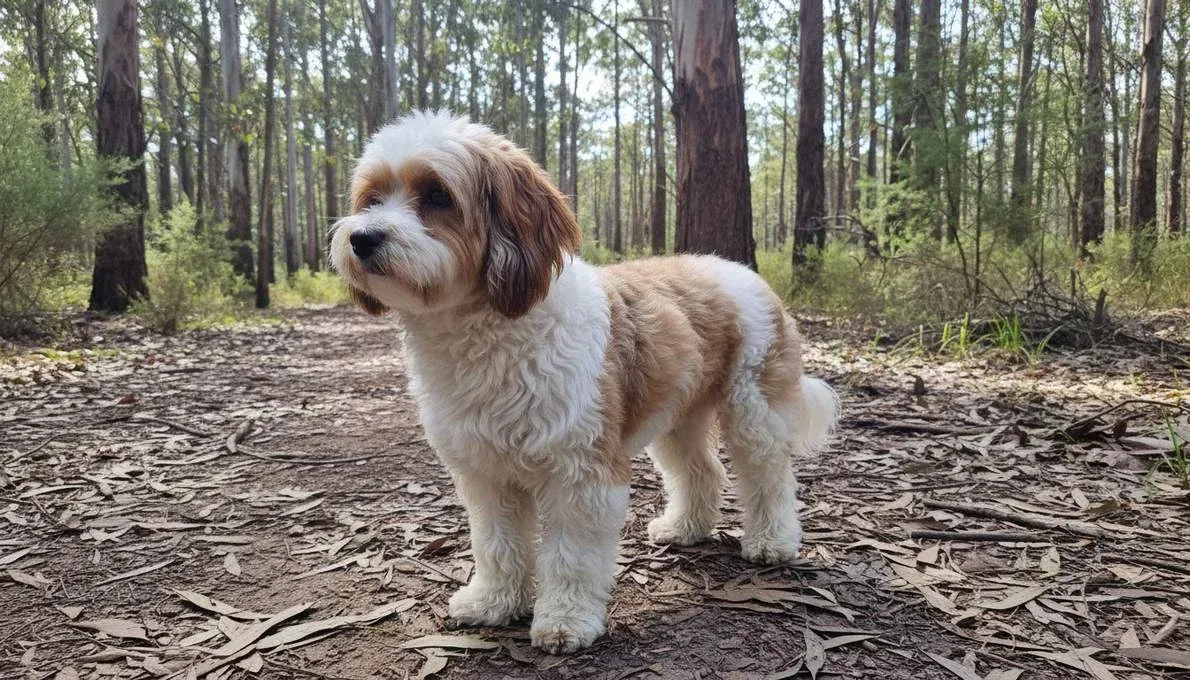
The Bolognese dog takes its name from Bologna, the wealthy Italian trading city where the breed was refined over centuries. Part of the Bichon family (alongside the Maltese, Bichon Frise, Havanese, and Coton de Tulear), the Bolognese shares ancient Mediterranean roots that can be traced back as far as the Roman era.
During the Renaissance, these little white dogs became currency among Europe’s most powerful families. Cosimo de Medici sent eight Bolognese as gifts to Belgian noblemen in the 15th century. Philip II of Spain received a pair from the Duke d’Este and reportedly wrote back calling them “the most royal gifts one can give to an emperor.” The breed appears in paintings by Titian, Goya, and Pieter Bruegel the Elder — proof that these dogs weren’t just pets, they were status symbols [1].
Despite this aristocratic pedigree, the Bolognese remained almost unknown outside Italy for centuries. The first Bolognese dogs didn’t arrive in the United Kingdom until the 1990s, and they’re still extremely rare in Australia. Only a handful of registered breeders operate across the country, which means waitlists are long and prices reflect the scarcity [2].
Temperament & Personality
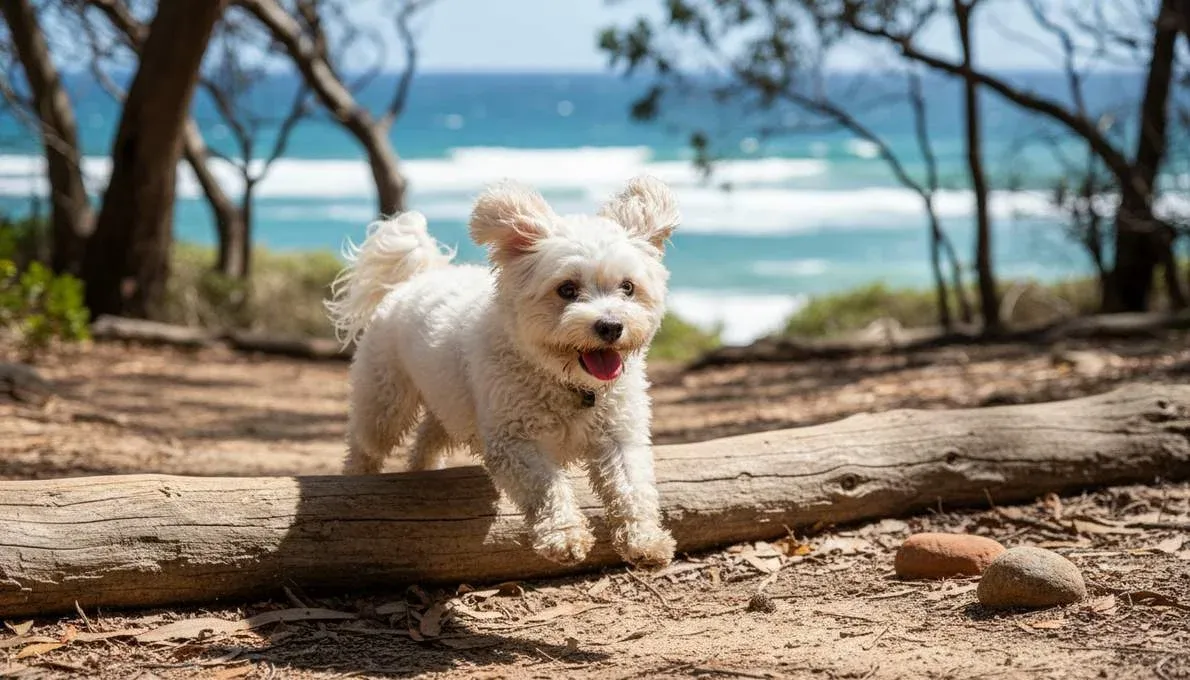
If you’ve ever met a Bolognese, the first thing you’ll notice is how intensely they bond with their person. This isn’t a breed that’ll happily entertain itself while you’re at work. Bolognese dogs are companion animals to their core — they were literally bred to sit on aristocratic laps, and they haven’t forgotten it.
They’re calm without being lazy, alert without being neurotic, and affectionate without being demanding. Compared to the Bichon Frise (their more boisterous cousin), the Bolognese is the quieter, more reserved sibling. They’ll greet strangers politely once they’ve had a moment to assess the situation, but their true devotion is saved for their inner circle.
The big catch: separation anxiety. Bolognese dogs do not cope well being left alone for extended periods. If you work full-time out of the house with no one home, this breed will struggle. We’re talking barking, destructive behaviour, and genuine distress — not just mild sulking. This is a breed best suited to retirees, remote workers, or households where someone is home most of the day.
With kids, they’re generally patient and gentle, but their small size makes them fragile. A toddler’s enthusiastic bear hug can genuinely injure a 3 kg dog. Supervised interaction is non-negotiable.
Health & Genetic Conditions
| Condition | What to Know (AUD Costs) | Risk Level |
|---|---|---|
| Patellar Luxation | Kneecap slips out of position. Common in toy breeds. Mild cases managed with weight control and joint supplements ($30–$50/month). Surgery in severe cases: $1,500–$4,000 AUD per knee. | High |
| Eye Conditions | Cataracts and progressive retinal atrophy (PRA) can develop. Annual eye checks recommended. Cataract surgery: $3,000–$5,500 AUD per eye. | Moderate |
| Dental Disease | Small mouths mean crowded teeth and faster tartar buildup. Professional dental cleans: $300–$800 AUD. Extractions: $500–$2,000 AUD depending on severity. | High |
| Hip Dysplasia | Less common than in larger breeds but documented in Bolognese. Screening recommended. Surgery if severe: $3,000–$6,000 AUD. | Low–Moderate |
| Heart Conditions | Mitral valve disease can occur in older Bolognese, as with many small breeds. Ongoing medication: $50–$150/month AUD. | Low–Moderate |
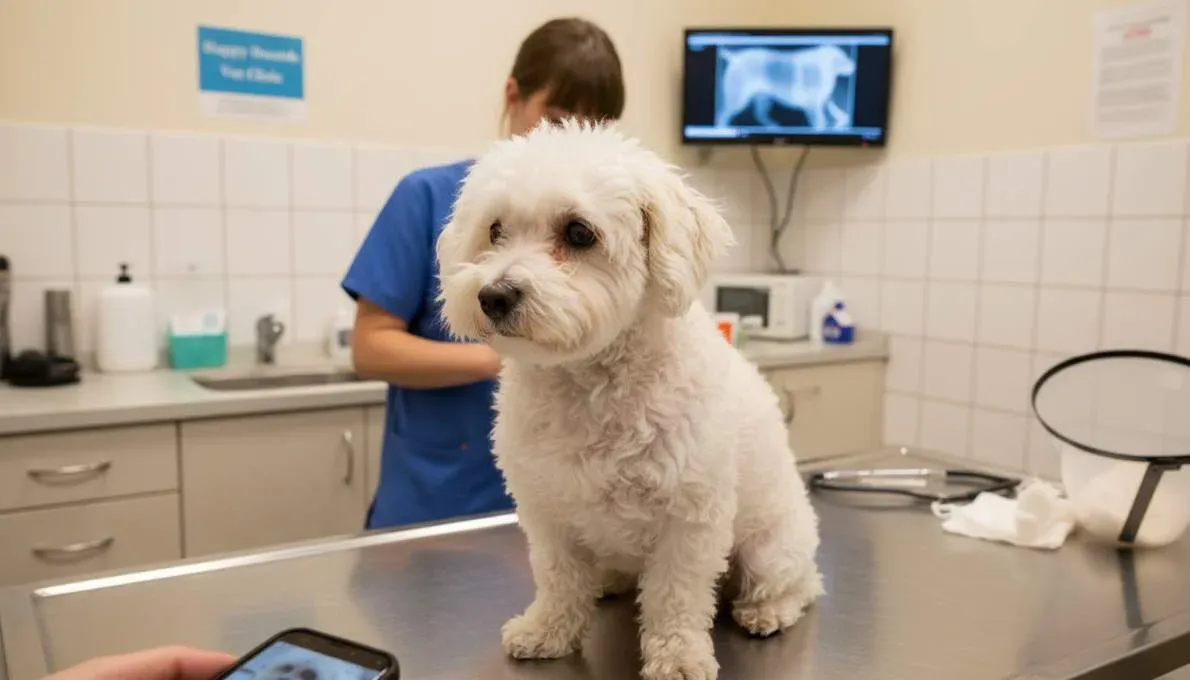
Always request health screening results from your breeder. Reputable Bolognese breeders in Australia will test for luxating patellas and eye anomalies at minimum [3].
Lifespan & Longevity
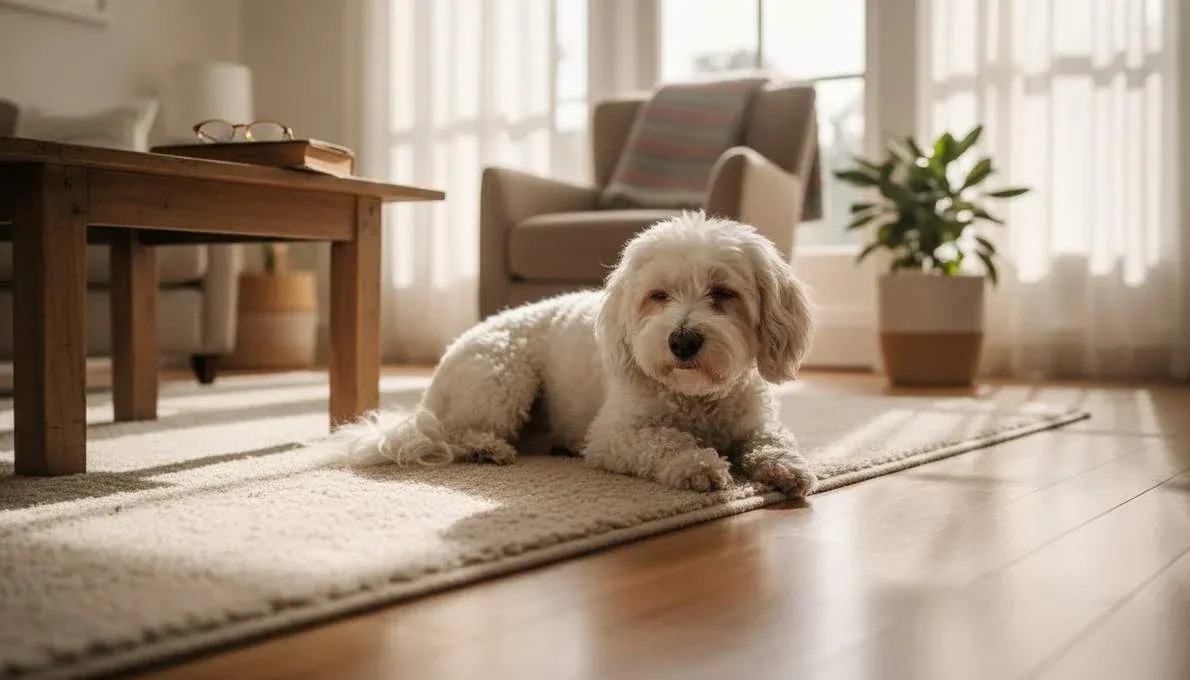
The Bolognese typically lives 12–14 years, with some individuals reaching 15+ with excellent care. That’s a solid lifespan for a toy breed and comparable to their Bichon cousins.
Puppy to 1 year: Focus on vaccinations, socialisation, and dental hygiene habits from day one. Bolognese puppies can be prone to hypoglycaemia (low blood sugar), so frequent small meals are important during this stage.
1–7 years: Prime adult years. Maintain regular vet checkups (annually), keep teeth clean, and monitor weight. Bolognese dogs have low energy needs and gain weight easily if overfed.
8+ years: Senior Bolognese may develop joint stiffness, dental issues, or early signs of heart disease. Switch to twice-yearly vet visits and consider senior-specific food formulas. Joint supplements containing glucosamine and chondroitin can help maintain mobility.
Grooming & Care
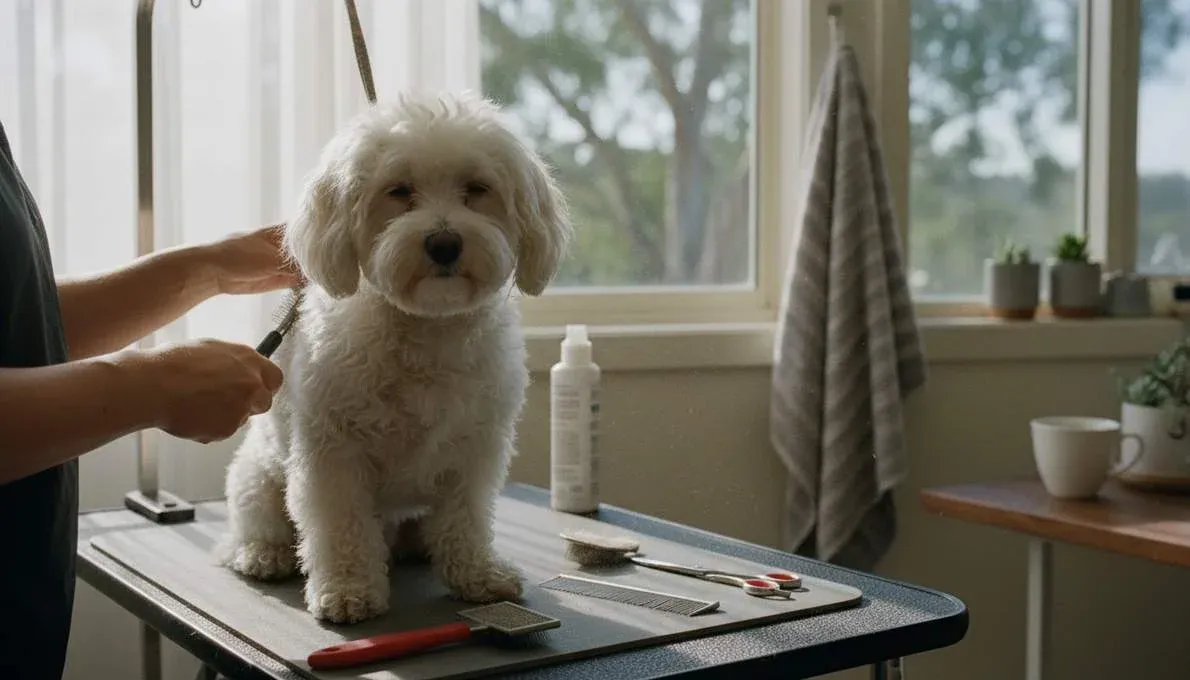
That gorgeous cotton-ball coat doesn’t maintain itself. The Bolognese has a long, fluffy white coat that doesn’t shed much (great for allergy sufferers) but mats easily if you skip grooming sessions. Here’s the honest breakdown:
| Task | Frequency | Notes |
|---|---|---|
| Brushing | 3–4 times per week minimum | Slicker brush + metal comb. Work through the coat in sections to prevent mats. |
| Bathing | Every 2–3 weeks | Use a whitening shampoo designed for white coats. Fidos White & Bright or similar Australian brand works well. |
| Eye Cleaning | Daily | Wipe tear stains with a damp cloth or tear stain remover. Bolognese are prone to visible staining on white fur. |
| Ear Cleaning | Monthly | Check for redness, odour, or discharge. Use vet-recommended ear cleaner — never tea tree oil. |
| Teeth Brushing | Daily (ideally) | Critical for this breed. Use dog-specific enzymatic toothpaste. |
| Nail Trimming | Every 2–3 weeks | Small breeds need regular trims as nails don’t wear down naturally on soft surfaces. |
| Professional Groom | Every 6–8 weeks | Budget $60–$100 AUD per session. Some owners keep a shorter “puppy cut” for easier maintenance. |
Many Bolognese owners opt to keep the coat trimmed shorter rather than maintaining the full show-length coat. It’s a practical choice that makes daily life much easier without affecting the dog’s health or comfort.
Exercise Needs
This is not a breed that needs 5 km runs or agility courses. Around 30 minutes of daily activity is enough for most Bolognese dogs — a gentle walk around the block plus some indoor playtime ticks every box.
That said, they’re smarter than they look. Mental stimulation matters just as much as physical exercise. Puzzle toys, hide-and-seek games, and short training sessions keep their brains engaged and reduce the likelihood of anxious behaviours when you’re briefly out of sight.
Australian climate warning: Bolognese dogs are brachycephalic-adjacent in their heat tolerance — meaning that thick white coat traps warmth, and their small size makes them vulnerable to overheating. In Australian summers (particularly in Queensland, the NT, and inland NSW/VIC), walk early morning or after sunset. Never leave a Bolognese in a parked car, even for “just a minute.” Provide constant access to fresh water and air-conditioned spaces during heatwaves.
Training Guide
Bolognese dogs are intelligent and genuinely eager to please, which makes them more trainable than many toy breeds. Interestingly, many Bolognese aren’t hugely food-motivated — praise and attention often work better as rewards than treats.
| Age | Training Focus |
|---|---|
| 8–12 weeks | Basic socialisation, name response, toilet training. Introduce to different surfaces, sounds, and people. Start gentle handling of paws, ears, and mouth for future grooming. |
| 3–6 months | Sit, stay, come. Crate training for short alone-time practice. Begin leash walking. This is the critical window for preventing separation anxiety — gradually build alone time. |
| 6–12 months | Reinforce commands. Introduce off-lead recall in safe, enclosed areas. Continue socialisation with other dogs — puppy school is excellent for this. |
| 1 year+ | Maintain training consistency. Teach tricks for mental stimulation. Address any behavioural issues early — small breed stubbornness can set in if boundaries aren’t clear. |
Honest difficulty rating: Easy to moderate. The Bolognese genuinely wants to make you happy, but they can develop “small dog syndrome” if you let them get away with too much. Consistent, gentle boundaries from day one prevent most problems.
Cost of Ownership (AUD)
The Bolognese is a rare breed in Australia, and that rarity comes with a price tag. Here’s a realistic breakdown of what you’ll spend:
| Expense | Cost (AUD) | Notes |
|---|---|---|
| Puppy (registered breeder) | $3,500–$6,000 | Expect waitlists. Very few ANKC-registered Bolognese breeders operate in Australia. |
| Adoption/Rescue | $300–$600 | Extremely rare to find Bolognese in Australian rescues. Check PetRescue.com.au periodically. |
| First-year vet costs | $800–$1,500 | Vaccinations, desexing, microchipping, initial health checks. |
| Annual vet costs | $400–$800 | Routine checkups, dental cleans, flea/tick/worming. |
| Food (monthly) | $40–$80 | Small breed = small appetite. Premium small-breed kibble recommended. |
| Grooming (annual) | $500–$900 | Professional grooming every 6–8 weeks plus home grooming supplies. |
| Pet Insurance (annual) | $400–$900 | Highly recommended. Compare on comparethemarket.com.au. |
| Miscellaneous | $200–$500/year | Toys, beds, leads, council registration, boarding/pet sitting. |
| Estimated Lifetime Cost | $20,000–$40,000+ | Over 12–14 years, including purchase price. |
Where to find breeders: Start with DogzOnline.com.au for ANKC-registered Bolognese breeders. Dogs NSW, Dogs Victoria, and Dogs SA also maintain breeder directories. Always visit the breeder in person, meet the parents, and request health screening documentation before committing [4].
Is the Bolognese Right for You?
work from home or are retired, want a low-shedding companion dog, live in an apartment or small home, prefer calm dogs over hyperactive ones, and don’t mind regular grooming sessions.
work long hours away from home with no one to stay with the dog, have very young children who play rough, want a dog for running, hiking, or high-energy activities, aren’t prepared for regular grooming upkeep, or are impatient with waitlists (finding a Bolognese in Australia takes time).
If your heart is set on a small white fluffy dog but the Bolognese isn’t quite the right fit, consider the Maltese (more independent), Bichon Frise (more outgoing and energetic), or Coton de Tulear (similarly gentle but slightly easier to source in Australia).
The Bolognese is a rare, genuinely lovely companion breed that rewards owners who can give them the time and closeness they crave. They’re healthy, long-lived, and hypoallergenic — ticking boxes that matter for Australian pet owners.
Separation anxiety is the real deal. If nobody’s home during the day, this isn’t your breed. Full stop.
Finding one in Australia requires patience and planning. Expect $3,500–$6,000 AUD from a registered breeder, and a waitlist that could stretch months. But for those willing to wait, the Bolognese is a hidden gem of the dog world.
Frequently Asked Questions
Are Bolognese dogs hypoallergenic?
Yes, the Bolognese is considered a hypoallergenic breed. They have a low-shedding, cotton-like coat that produces less dander than most breeds. No dog is 100% hypoallergenic, but the Bolognese is one of the better options for allergy sufferers.
Do Bolognese dogs shed?
Very little. The Bolognese has a single-layer coat that sheds minimally. You won’t find tumbleweeds of fur around your house, but regular brushing is still needed to prevent matting.
Do Bolognese dogs bark a lot?
Not typically. Bolognese dogs are alert and will bark to let you know someone’s at the door, but they’re not yappy or excessive barkers. That said, separation anxiety can trigger persistent barking if they’re left alone too long.
How much does a Bolognese dog cost in Australia?
Expect to pay $3,500–$6,000 AUD from a registered breeder in Australia. The breed is rare here, so prices reflect limited availability. Adoption through rescue organisations is much cheaper ($300–$600) but finding a Bolognese in an Australian shelter is uncommon.
What is the difference between a Bolognese and a Maltese?
Both are small, white, and part of the Bichon family, but they differ in temperament and coat texture. The Bolognese has a fluffier, cotton-like coat and is generally calmer and more reserved. The Maltese has a silkier, flatter coat and tends to be more independent and confident with strangers.
What is the difference between a Bolognese and a Bichon Frise?
The Bichon Frise is more outgoing, energetic, and sociable with everyone. The Bolognese is quieter, more reserved, and forms a deeper attachment to one or two people. Coat-wise, the Bichon has a curly coat while the Bolognese coat falls in soft, open flocks.
Can dogs eat bolognese sauce?
No. Bolognese pasta sauce typically contains onion, garlic, and high levels of salt — all of which are toxic or harmful to dogs. If your dog eats a small amount accidentally, monitor for symptoms like vomiting or diarrhoea and contact your vet if you’re concerned.
Are Bolognese dogs good for apartments?
Excellent. Their small size, low exercise needs, and calm temperament make them one of the best apartment-friendly breeds. They’re not excessive barkers either, which your neighbours will appreciate.
How long do Bolognese dogs live?
The average Bolognese lifespan is 12–14 years, with some reaching 15+. They’re a generally healthy breed with fewer genetic issues than many toy breeds.
Can I find Bolognese breeders in Melbourne or Sydney?
Bolognese breeders are very limited across Australia. Check DogzOnline.com.au and your state’s canine council (Dogs Victoria, Dogs NSW) for registered breeders. Be prepared for waitlists.
[1] DogZone — Bolognese Breed Information, Characteristics & Health Problems: https://www.dogzone.com/breeds/bolognese/
[2] Dogs NSW — Bolognese Breeds: https://www.dogsnsw.org.au/Breeds/browse-all-breeds/240/Bolognese/
[3] PetMD — Bolognese Dog Breed Health and Care: https://www.petmd.com/dog/breeds/bolognese
[4] DogzOnline — Bolognese Breeders in Australia: https://www.dogzonline.com.au/breeds/breeders/bolognese.asp
[5] Wisdom Panel — Bolognese Facts: https://www.wisdompanel.com/en-us/dog-breeds/bolognese
[6] American Kennel Club — Bolognese Dog Breed Information: https://www.akc.org/dog-breeds/bolognese/
[7] DogTime — Bolognese Dog Breed Information & Characteristics: https://dogtime.com/dog-breeds/bolognese
[8] Dogster — Bolognese Dog Breed: Info, Pictures, Facts & Traits: https://www.dogster.com/dog-breeds/bolognese