
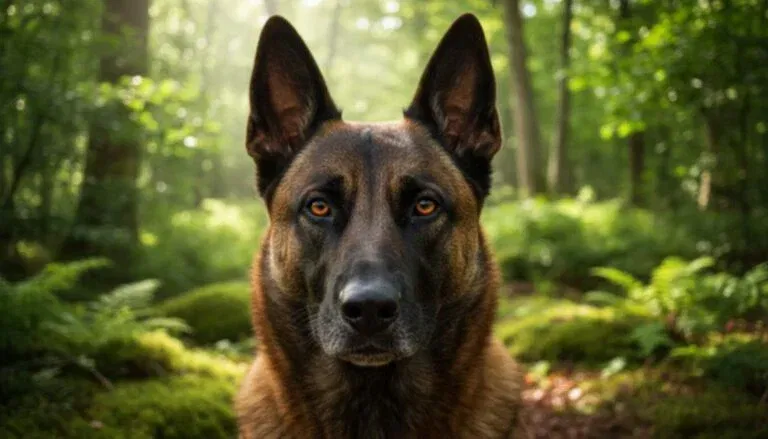
When two dozen Navy SEALs descended on Osama bin Laden’s compound in Pakistan on May 2, 2011, only one team member’s name was released to the public: Cairo, a 70-pound Belgian Malinois. The dog that helped execute the most famous special operations mission in history wasn’t a German Shepherd — it was a Malinois, the breed that has quietly become the world’s premier military and police working dog.¹
Pronounced “MAL-in-wah,” the Belgian Malinois has risen from relative obscurity to become one of the most sought-after working breeds on the planet. In Australia, they serve with the Australian Defence Force, the Australian Federal Police, state police services, and the anti-poaching unit at numerous wildlife reserves. They’re intense, intelligent, athletic, and fiercely loyal — but they’re also one of the most frequently surrendered breeds by owners who underestimated their needs.
This guide will help you understand whether you have what it takes to live with one of these extraordinary dogs, or whether you’d be better suited to their calmer cousins.
What You’ll Learn
- Why the Malinois has replaced the German Shepherd in elite military units
- The unique “Maligator” behaviour that makes owners laugh
- Health conditions every prospective owner must discuss with breeders
- Realistic exercise requirements — hint: it’s more than you think
- Australian pricing and where to find reputable breeders
Belgian Malinois Quick Facts
| Attribute | Details |
|---|---|
| Breed Group | Herding / Working |
| Origin | Belgium (Malines region, late 1800s) |
| Size Category | Medium-Large |
| Height (Male) | 61-66 cm (24-26 inches) |
| Height (Female) | 56-61 cm (22-24 inches) |
| Weight (Male) | 27-36 kg (60-80 lbs) |
| Weight (Female) | 18-27 kg (40-60 lbs) |
| Lifespan | 10-14 years (avg 12 years per UK study) |
| Coat Type | Short, dense double coat |
| Colours | Fawn to mahogany with black mask |
| Exercise Needs | 5/5 (Very High — 1-2+ hours daily) |
| Trainability | 5/5 (Exceptional — requires experienced handler) |
| Good with Children | With proper socialisation & supervision |
| Average Puppy Price (AUD) | $1,500 – $4,000+ |
Data sourced from AKC breed standard, The Kennel Club UK, and Australian breed registries.²

History of the Belgian Malinois
The Belgian Malinois takes its name from Malines (Mechelen in Dutch), a city in Belgium’s northwest region. In the late 1800s, Belgian pride drove interest in cataloguing the nation’s native shepherd dogs. In 1891, veterinary professor Adolphe Reul gathered shepherd dogs from across the country and identified a consistent type: medium-sized, brown-eyed dogs with triangular ears, differing primarily in coat.³
Four varieties emerged: the short-coated Malinois, the long-haired black Groenendael, the long-haired fawn Tervuren, and the wire-coated Laekenois. The Malinois was said to be the first variety to “breed true to type” and became the benchmark against which others were measured — for a time, the other three were collectively called “other-than-Malinois.”
While the Malinois has always been popular in Belgium, American and Australian interest remained modest until their military potential became undeniable. The breed proved itself during both World Wars, but it was the post-9/11 era that truly elevated the Malinois to legendary status. Their lighter, more agile build made them ideal for tandem parachute jumps and helicopter fast-roping — operations where the heavier German Shepherd struggled.
Today, the Belgian Malinois serves with elite forces worldwide, including the U.S. Navy SEALs, Secret Service, Australian Defence Force, and the Israel Defense Forces’ Oketz unit. Cairo, the Malinois who participated in Operation Neptune Spear, became the most famous military working dog in history — though he never received the Silver Star his human teammates earned, as service dogs aren’t entitled to military awards.⁴

Belgian Malinois Temperament
The breed standard describes the Belgian Malinois as “alert, intelligent, inquisitive and confident, showing neither fear nor aggression.” That’s the diplomatic version. Ask experienced owners, and they’ll tell you the Malinois is a high-voltage, mission-focused workaholic who needs a job — and will create one if you don’t provide it.
Intensely Loyal: The Malinois bonds deeply with its handler, often choosing one person as their primary focus. As Navy SEAL Will Chesney wrote about Cairo: “I would have taken a bullet for him, and he did in fact take one for me.” This loyalty is extraordinary but can become problematic if it manifests as over-protectiveness or separation anxiety.
Driven and Energetic: This is not a dog that will be satisfied with a daily walk around the block. The Malinois is an athlete bred to work all day, every day. Without adequate physical and mental stimulation, they become destructive, anxious, and difficult to live with. Many breed rescues are filled with Malinois surrendered by owners who thought they wanted an “active” dog.
Highly Intelligent: Their intelligence is legendary — and it cuts both ways. A Malinois will learn commands faster than almost any other breed, but they’ll also learn how to open doors, escape enclosures, and manipulate their owners. They need constant mental engagement.
Protective: The Malinois is an exceptional watchdog, vigilant and responsive. They’re reserved with strangers but should never be shy or aggressive. Early and ongoing socialisation is critical to ensure their protective instincts remain appropriate.
Belgian Malinois owners have affectionately nicknamed their dogs “Maligators” for good reason. One distinctive behaviour that startles new owners is teeth chattering or “chomping” — rapid clicking or snapping of the teeth, often while jumping towards your face. Don’t panic: this isn’t aggression. It’s typically a sign of excitement and happiness, a quirk common to the breed. As one experienced owner notes: “Duchess chomping is not a sign of aggression. She does this when she’s excited. It’s a common quirk of Mals.”⁵
Belgian Malinois can be good family dogs — but only in the right family. Their high energy, prey drive, and herding instincts mean they may attempt to “herd” running children by nipping at heels. They’re best suited to families with older children who understand how to interact respectfully with dogs. All interactions between children and Malinois should be supervised, no matter how well-trained the dog.
The Malinois has a strong prey drive. Small animals — cats, rabbits, chickens — may trigger chase behaviour. With proper socialisation from puppyhood, many Malinois live peacefully with cats and other dogs, but this cannot be assumed. Their drive to chase moving objects is hardwired and requires careful management.

Belgian Malinois Health Issues
The good news: Belgian Malinois are generally healthy dogs, bred for function rather than appearance. Their relative lack of extreme physical traits means they’ve avoided many problems plaguing other breeds. However, they’re not immune to health issues, and responsible ownership means understanding what to watch for.⁶
According to PetMD and the American Belgian Malinois Club health statement, prospective owners should be aware of the following conditions.⁷
Like most medium-to-large breeds, Malinois can develop hip and elbow dysplasia — hereditary conditions where joints don’t form correctly, leading to arthritis and mobility issues.
Symptoms: A “bunny hop” gait, reluctance to jump or climb stairs, and stiffness after rest
Prevention: The Australian Veterinary Association recommends screening breeding dogs. The ABMC requires OFA hip and elbow evaluations for CHIC certification.⁸
Belgian Malinois are predisposed to idiopathic epilepsy — seizures without identifiable cause, believed to have a genetic component. It typically appears between 6 months and 5 years of age.
Symptoms: Seizures can range from brief “absence” episodes to full grand mal seizures
Management: While epilepsy requires lifelong medication management, many affected dogs live normal lives with proper treatment. Ask breeders about seizure history in their lines.
This genetic eye disease causes progressive vision loss and eventual blindness. There’s no treatment, but responsible breeders screen their dogs to prevent passing it on. The ABMC requires eye examinations registered with CERF or OFA.
- Cataracts (clouding of the eye lens)
- Hypothyroidism (underactive thyroid)
- Hemangiosarcoma (aggressive cancer of blood vessel walls)
- Gastric Dilatation-Volvulus (bloat)
Health Testing Requirements (CHIC Program):
- Hip dysplasia evaluation (OFA)
- Elbow dysplasia evaluation (OFA)
- Eye examination (CERF/OFA)
- Recommended: discussion of epilepsy, cancer, thyroid, and cardiac history

Belgian Malinois Lifespan & Longevity Tips
Belgian Malinois typically live 10-14 years, with a UK study finding an average of 12 years for the breed — comparable to the 12.7 years for purebreds overall. This is slightly longer than the German Shepherd’s average, attributed in part to the Malinois’s leaner build and fewer structural issues.⁹
Tips for a Longer, Healthier Life:
- Purchase from breeders who provide documented health clearances
- Maintain a lean body weight — this breed should look athletic, not chunky
- Provide substantial daily exercise appropriate to age
- Feed smaller, more frequent meals to reduce bloat risk
- Keep up with routine veterinary care and vaccinations
- Don’t over-exercise puppies — protect developing joints
- Monitor for seizure activity and seek prompt veterinary care if observed

Belgian Malinois Grooming Guide
One advantage the Malinois holds over longer-coated breeds is relatively low grooming requirements. Their short, hard coat is weather-resistant and naturally clean. However, they do shed — year-round with heavier shedding in spring and autumn. The AKC notes: “The Belgian Malinois is a natural breed and there is no need for excessive grooming.”
Coat Characteristics: The coat is short, straight, and hard enough to be weather-resistant, with a dense undercoat. It’s somewhat longer around the neck (forming a slight collarette), on the tail, and the backs of the thighs. Colours range from rich fawn to mahogany, with black tips on the hairs creating an overlay appearance. A black mask is standard, extending to the lips, corners, and eyelids.
Grooming Schedule Table
| Task | Frequency | Time | Notes |
|---|---|---|---|
| Brushing | Weekly (daily when shedding) | 10-15 mins | Firm bristle brush or rubber curry |
| Bathing | As needed | 20-30 mins | Natural coat self-cleans; infrequent bathing |
| Nail Trimming | Weekly | 5-10 mins | Active dogs may wear them naturally |
| Ear Cleaning | Weekly | 5 mins | Check for debris and infection |
| Teeth Brushing | 2-3x weekly | 3-5 mins | Daily is ideal for dental health |
Australian products like PAW by Blackmores and Dermcare work well. For shedding control, consider a deshedding tool like the Furminator during heavy shedding seasons.

Belgian Malinois Exercise Needs
This is where many owners get into trouble. The Belgian Malinois requires MORE exercise than almost any other breed. The RSPCA Australia recommends at least 40 minutes of exercise daily for working breeds, but for the Malinois, that’s a bare minimum. Most breed experts recommend 1-2+ hours of vigorous activity daily — and mental stimulation on top of that.¹⁰
As PetMD notes: “Belgian Malinois should get more than 40 minutes of exercise per day — with you by their side.” That last part is crucial: this breed wants to work WITH you, not just burn energy alone in a backyard.
- Running, hiking, and trail work
- Agility training and competition
- Protection sports (IPO/IGP, Schutzhund)
- Nose work and tracking
- Obedience and rally
- Fetch and frisbee (they’re naturally athletic)
- Swimming (many love water)
- Any “job” — they need purpose
If your Belgian Malinois becomes destructive, anxious, obsessive, or develops problem behaviours like excessive barking, spinning, or resource guarding, insufficient exercise and mental stimulation are almost always contributing factors. This breed will create chaos if you don’t channel their energy appropriately. Many surrendered Malinois end up in rescue simply because owners underestimated their needs.

Belgian Malinois Training Tips
Trainability Score: 5/5 – Exceptional (requires experienced handler)
The Belgian Malinois is one of the most trainable breeds on earth — which is exactly why they’re so popular with military and police. But their intelligence is a double-edged sword. They learn fast, which means they can learn bad habits just as quickly as good ones. They need consistent, fair training from someone who understands working dogs.
PetMD recommends: “It’s recommended that Belgian Malinois puppies be trained by a professional who is familiar with the breed. A seasoned trainer will be able to help train your dog for jobs that can stimulate their mind — a critical aspect for this breed.”
According to the American Kennel Club, Belgian Malinois respond best to positive reinforcement training that engages their drive to work.¹¹
Key Training Principles:
- Start early — socialisation should begin the day you bring your puppy home
- Use positive reinforcement — harsh methods damage trust and can create aggression
- Keep sessions engaging — they bore easily with repetition
- Provide structure and consistency — they thrive on clear expectations
- Give them a job — they need purpose to be happy
- Continue training throughout life — this isn’t a breed you “finish” training
- Work with a trainer experienced in working breeds
Socialisation & Training Timeline
| Age | Training Focus | Expected Outcomes |
|---|---|---|
| 8-16 weeks | Critical socialisation window, positive exposure to everything | Confident, well-adjusted temperament |
| 3-6 months | Basic obedience, bite inhibition, impulse control | Reliable sit/down/stay, gentle mouth |
| 6-12 months | Advanced obedience, sport introduction, adolescent challenges | Solid recall, beginning sport training |
| 1-2 years | Sport competition, refined obedience, maturity training | Reliable working partner |
Belgian Malinois Price & Costs in Australia
Belgian Malinois pricing in Australia varies significantly based on breeding, bloodlines, and intended purpose. Working-line dogs from proven service lineages command premium prices, while pet-quality puppies are more accessible.
Finding Your Belgian Malinois:
Locate registered breeders through Dogs Australia or the Belgian Shepherd breed clubs.¹² Be cautious of online marketplace listings — many backyard breeders capitalise on the breed’s popularity without health testing. Ask about working titles, health clearances, and meet both parents if possible. Reputable breeders will ask YOU questions too — they want their puppies in appropriate homes.
Initial Costs Table
| Expense | Approx. Cost (AUD) |
|---|---|
| Pet Quality Puppy | $1,500 – $2,500 |
| Working Line / Show Quality Puppy | $2,500 – $4,000+ |
| Initial Vet + Vaccinations | $200 – $350 |
| Desexing | $300 – $500 |
| Essential Supplies | $300 – $500 |
| Secure Fencing (if needed) | $1,000 – $3,000 |
| TOTAL INITIAL COST | $3,300 – $7,350+ |
Annual Ongoing Costs
- Premium Food (high protein): $1,000 – $1,500
- Veterinary Care & Preventatives: $300 – $600
- Pet Insurance: $600 – $1,200
- Training Classes / Sport Fees: $500 – $2,000
- Toys, Treats, Equipment: $300 – $600
TOTAL ANNUAL: $2,700 – $5,900
Lifetime Cost Estimate
Lifetime Cost Estimate: $35,000 – $75,000 (based on 12-year lifespan, including initial costs)
Note: Working-line Malinois bred for military, police, or protection sport applications from elite bloodlines can cost $4,000-$8,000 or more. These dogs are typically sold to experienced handlers, not first-time owners.
Belgian Malinois vs German Shepherd: Key Differences
This comparison comes up constantly — and for good reason. Both are outstanding working breeds with overlapping capabilities. Here’s how they differ:
| Attribute | Belgian Malinois | German Shepherd |
|---|---|---|
| Size | Leaner, lighter (25-36 kg) | Larger, heavier (30-40 kg) |
| Build | Square, compact | Longer back, more sloped |
| Energy Level | Extremely high | High |
| Drive | Intense, “always on” | Driven but more adaptable |
| Family Pet Potential | Requires very experienced owner | More adaptable to pet life |
| Health Issues | Generally fewer structural issues | More prone to hip dysplasia, DM |
| Lifespan | 10-14 years | 9-13 years |
Bottom line: German Shepherds are approximately 10% larger and often more adaptable to varied household situations. The Malinois is typically lighter, faster, more agile — and considerably more intense. Elite military and police units increasingly prefer the Malinois for physically demanding operations, but the German Shepherd remains an excellent choice for experienced owners who want a slightly more manageable working dog.

Is a Belgian Malinois Right for You?
The perfect Belgian Malinois owner is experienced with working breeds and understands the difference between a pet and a working partner. They have time — lots of it — for daily training, exercise, and engagement. They’re physically active and want a dog to share that lifestyle. They have a secure property with high fencing. They’re prepared for a 12+ year commitment to a demanding but incredibly rewarding dog.
Home Size: House with secure yard strongly preferred; apartments rarely suitable
Yard: High, secure fencing essential — they can jump and climb
Climate: Adaptable but need shade in Australian heat
Work Schedule: Cannot be left alone for long periods
Family: Best with older children who understand dogs
There’s a reason experienced trainers often say: “If you think you want a Malinois, get a German Shepherd instead.” It’s not an insult — it’s recognition that the Malinois is genuinely NOT the right dog for most households. If this guide makes you hesitate, that’s healthy. The breed’s popularity has led to countless dogs surrendered to rescue because owners underestimated their intensity.
❌ First-time dog owners without professional mentorship
❌ Anyone unable to provide 1-2+ hours of daily exercise AND mental stimulation
❌ Those who work long hours with no one home
❌ People seeking a “cool” dog based on their military reputation
❌ Anyone unwilling to commit to ongoing training
❌ Households with young children without supervision capacity
❌ Those who want a casual, low-maintenance pet
The Belgian Malinois is not just a dog — it’s a lifestyle. From Cairo’s legendary role in capturing the world’s most wanted terrorist to the countless Malinois serving with Australian police and defence forces, this breed has earned its reputation as the ultimate working dog. They’re loyal beyond measure, intelligent beyond belief, and athletic beyond comparison.
Perfect for: Experienced, active owners who want a genuine working partner. Ideal for those involved in protection sports, detection work, or high-level obedience. Excellent for rural properties or active households with secure facilities and time for extensive training.
Think twice if: You want a pet rather than a project. If you can’t commit 1-2+ hours daily to exercise AND training, or if you’re attracted to the breed primarily because of its military reputation, please consider other options.
First-time owner verdict: Not recommended without extensive professional support. If you’re determined to have a Malinois as your first dog, work closely with an experienced breeder who will mentor you, enrol in professional training from day one, and be prepared for a steep learning curve. Many experienced trainers specifically recommend first-timers choose a German Shepherd instead — not because Malinois are “better,” but because they’re less forgiving of mistakes.
Belgian Malinois FAQs
How do you pronounce Belgian Malinois?
Belgian Malinois is pronounced “MAL-in-wah.” The name comes from the Belgian city of Malines (Mechelen in Dutch), where the breed originated.
What is the difference between a Belgian Malinois & German Shepherd?
While both are outstanding working breeds, Belgian Malinois are typically lighter (25-36 kg vs 30-40 kg), have a more square build, and are generally more intense and driven. German Shepherds have longer backs and are often more adaptable to varied household situations. Elite military units increasingly prefer Malinois for operations requiring jumping and rappelling, but both breeds excel at police and protection work.
Are Belgian Malinois legal in Australia?
Yes, Belgian Malinois are legal throughout Australia. They are not restricted in any state or territory. However, some local councils have specific regulations about fencing requirements for working breeds.
Why do Belgian Malinois chatter their teeth?
Teeth chattering, snapping, or “chomping” is a common behaviour in Malinois that typically indicates excitement or happiness — not aggression. It’s one of the reasons they’re affectionately called “Maligators.” While it can look alarming, it’s usually a quirky expression of their intense, high-energy personality.
Are Belgian Malinois good family dogs?
They CAN be good family dogs — but only in the right family. They require experienced handling, extensive exercise, ongoing training, and supervision around children. They’re best suited to families with older children who understand dogs. Their herding instincts may lead them to nip at running children. They’re not recommended for inexperienced owners or families seeking a casual pet.
Do Belgian Malinois shed?
Yes, Belgian Malinois shed year-round with heavier shedding in spring and autumn. Their short, dense coat is relatively easy to maintain with weekly brushing (more during shedding seasons), but expect hair on furniture and clothing. They are NOT hypoallergenic.
How much does a Belgian Malinois cost in Australia?
Pet-quality puppies typically range from $1,500-$2,500. Working-line or show-quality puppies from health-tested parents cost $2,500-$4,000+. Elite working-line dogs from proven service bloodlines can exceed $8,000. Always purchase from registered breeders who provide health clearances.
How much exercise does a Belgian Malinois need?
Belgian Malinois require 1-2+ hours of vigorous exercise DAILY, plus mental stimulation. This is significantly more than most breeds. They thrive with activities like running, hiking, agility, protection sports, and any work that engages both their body and mind. Insufficient exercise leads to destructive behaviour, anxiety, and other problems.
Primary Sources:
- Will Chesney, “No Ordinary Dog: My Partner from the SEAL Teams to the Bin Laden Raid” (St. Martin’s Press, 2020)
- AKC Official Belgian Malinois Breed Standard; The Kennel Club UK
- Belgian Shepherd Wikipedia — History and origins
- Military.com — The Untold Story of Cairo and Operation Neptune Spear
- Owner reports on teeth chattering behaviour (TikTok, dog forums)
Veterinary & Health Sources:
- Hepper Pet Resources — Belgian Malinois Health Issues (Vet Answer)
- PetMD — Belgian Malinois Dog Breed Health and Care: petmd.com
- Australian Veterinary Association — Health screening guidelines: ava.com.au
- UK Study on Belgian Shepherd lifespan (Wikipedia citation)
Australian-Specific Sources:
- RSPCA Australia — Exercise guidelines: rspca.org.au
- American Kennel Club — Training recommendations: akc.org
- Dogs Australia — Breeder directory: dogsaustralia.org.au