

A Beagle doesn’t walk into a room. It sniffs its way in, nose glued to the floor, tail up, completely ignoring everyone until it’s catalogued every scent molecule in the vicinity. Then it looks up, decides you’re interesting, and suddenly you’re its best friend. That’s the Beagle experience in thirty seconds.
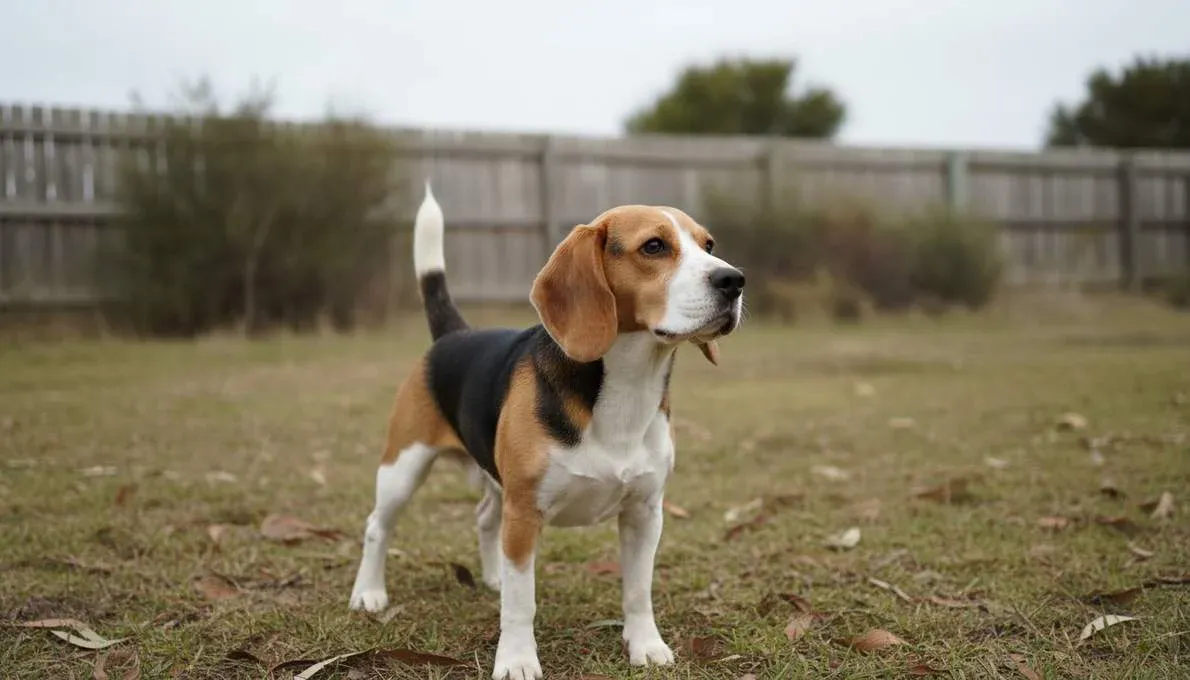
There’s a reason Beagles are one of the most popular dog breeds in Australia and worldwide. They’re small enough for apartment living (in theory), sturdy enough for families with kids, friendly enough to charm everyone at the dog park, and cute enough to get away with absolutely anything. The floppy ears, the soulful eyes, that tricolour coat — they look like a dog drawn by someone who really, really likes dogs.
But owning a Beagle is not just about the cuteness. Behind those innocent eyes is a scent-driven hunting machine with a bark that could wake a suburb, a food obsession that borders on clinical, and a talent for selective hearing that would impress a teenager. Beagles are wonderful dogs for the right owner. For the wrong owner, they’re a noisy, escape-prone headache on four stubby legs.
This guide gives Australian owners the full, honest picture: what a Beagle actually costs in AUD, which health problems to watch for, what training really looks like (spoiler: it involves a lot of cheese), and whether this breed genuinely suits your lifestyle.
What You’ll Learn
- Breed traits & temperament
- Health concerns to know
- True cost in Australia
- Training & exercise needs
- Is this breed right for you?
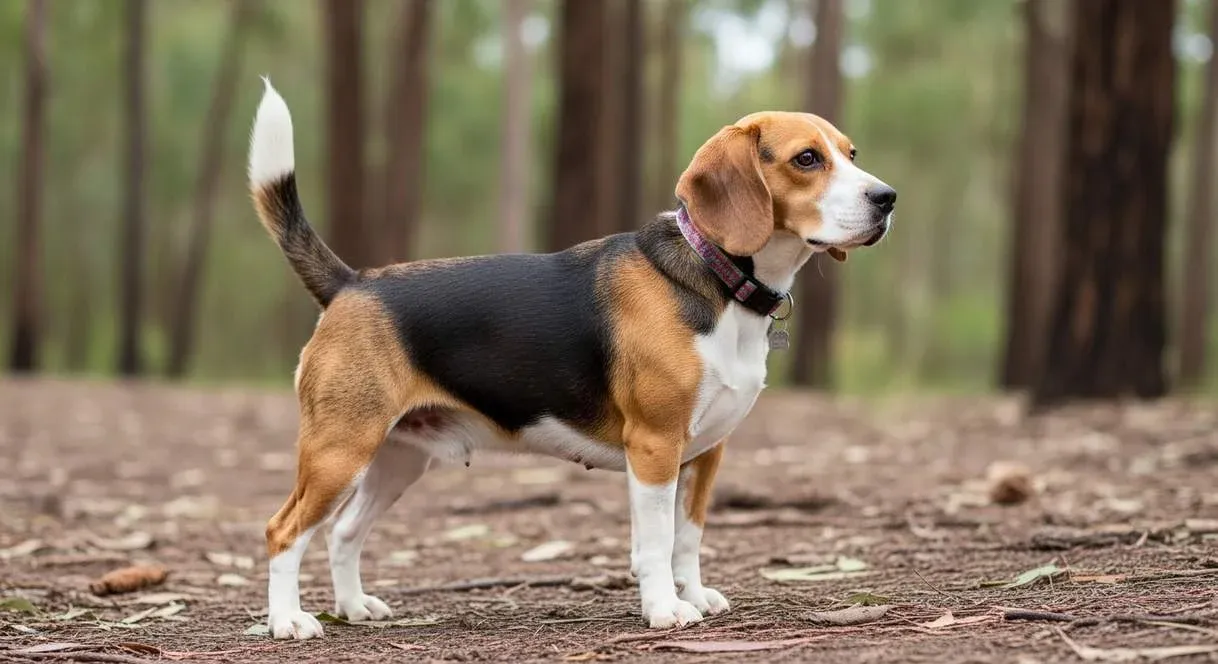
Quick Facts at a Glance
| Attribute | Detail |
|---|---|
| Breed Group | Hound (Scenthound) |
| Origin | England |
| Height | 33–40 cm (13–16 inches) — two size varieties |
| Weight | 9–14 kg (20–30 lbs) |
| Lifespan | 12–15 years |
| Coat Type | Short, dense, weather-resistant double coat |
| Colours | Tricolour (black/tan/white), lemon & white, red & white, chocolate tricolour, and other hound colours |
| Shedding | Moderate to high — year-round with heavier spring/autumn moults |
| Exercise Needs | High — at least 1–1.5 hours daily |
| Trainability | Moderate — intelligent but easily distracted by scent; food-motivated |
| Good with Kids | Excellent — sturdy, playful, patient |
| Good with Other Dogs | Yes — pack-bred and sociable |
| Barking Level | High — baying, howling and barking are breed traits |
| Apartment Suitable | Challenging — noise and exercise needs make it difficult |
| Puppy Price (AUD) | $1,500–$3,500 from registered breeders |
History & Origins
The Beagle’s origins stretch back centuries in England, where small hounds were used to track hare and rabbit on foot. The name likely derives from the Old French “begueule” (meaning “open throat” — a nod to their vocal habits) or possibly the Old English “beag” (meaning “small”). Either etymology fits perfectly.
By the 1300s, English hunters were using packs of small hounds that could be followed on foot, and these gradually became the foundation of the modern Beagle. Queen Elizabeth I famously kept “Pocket Beagles” small enough to fit in a saddlebag — a miniature variety that no longer exists in its original form, though the name persists in marketing (more on that later). The breed was standardised in the mid-1800s, and the AKC recognised it in 1885.
The Beagle’s most famous historical passenger was perhaps not a dog at all — Charles Darwin sailed aboard HMS Beagle from 1831 to 1836, a voyage that shaped the theory of evolution. The ship was named for the breed, reinforcing how deeply embedded Beagles were in English culture.
In Australia, Beagles arrived with early British settlers, and foxhound packs (Beagles’ larger cousins) were imported to hunt alongside captive foxes. Today, Beagles are consistently among the top 30 most registered breeds in Australia. Each state has an active Beagle club — Beagle Club NSW, Beagle Club of Victoria, and others — and there are dedicated rescue organisations including Beagle Rescue Victoria and Beagle Freedom Australia, which rehomes dogs retired from laboratory testing.
Temperament & Personality
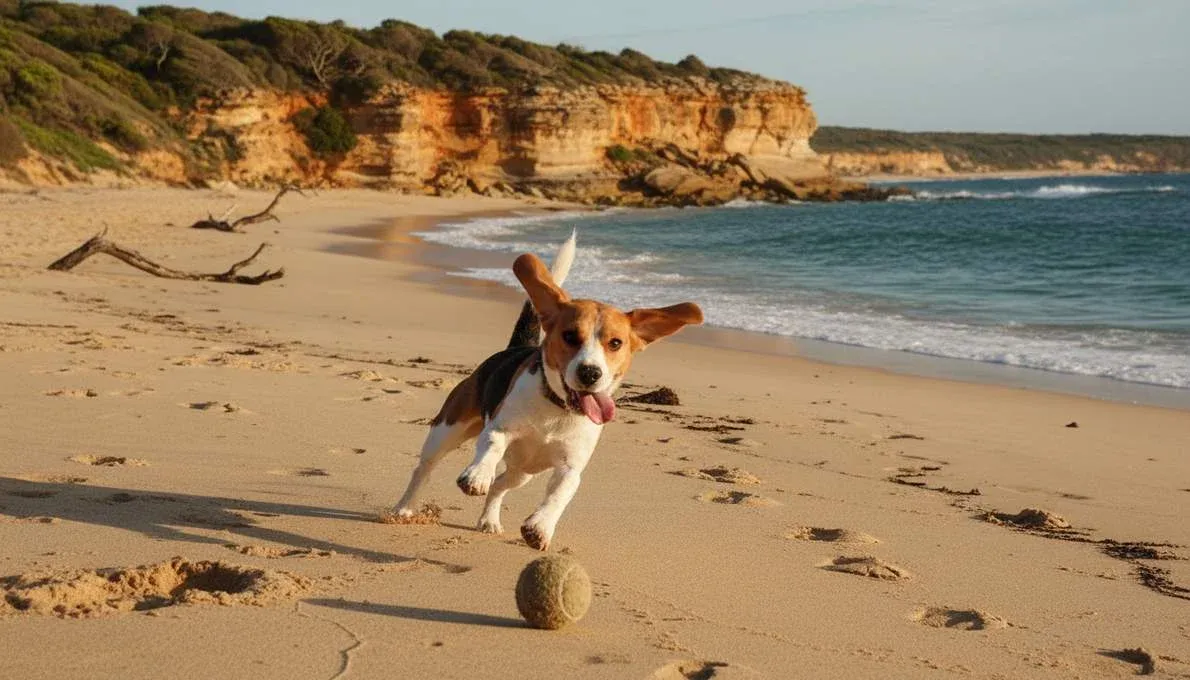
The Beagle temperament is why millions of people worldwide choose this breed. They’re merry, friendly, curious and completely devoted to their families. A Beagle greets every human, every dog and every sandwich with the same enthusiastic optimism. They’re the extroverts of the dog world — no stranger is a stranger for more than five seconds.
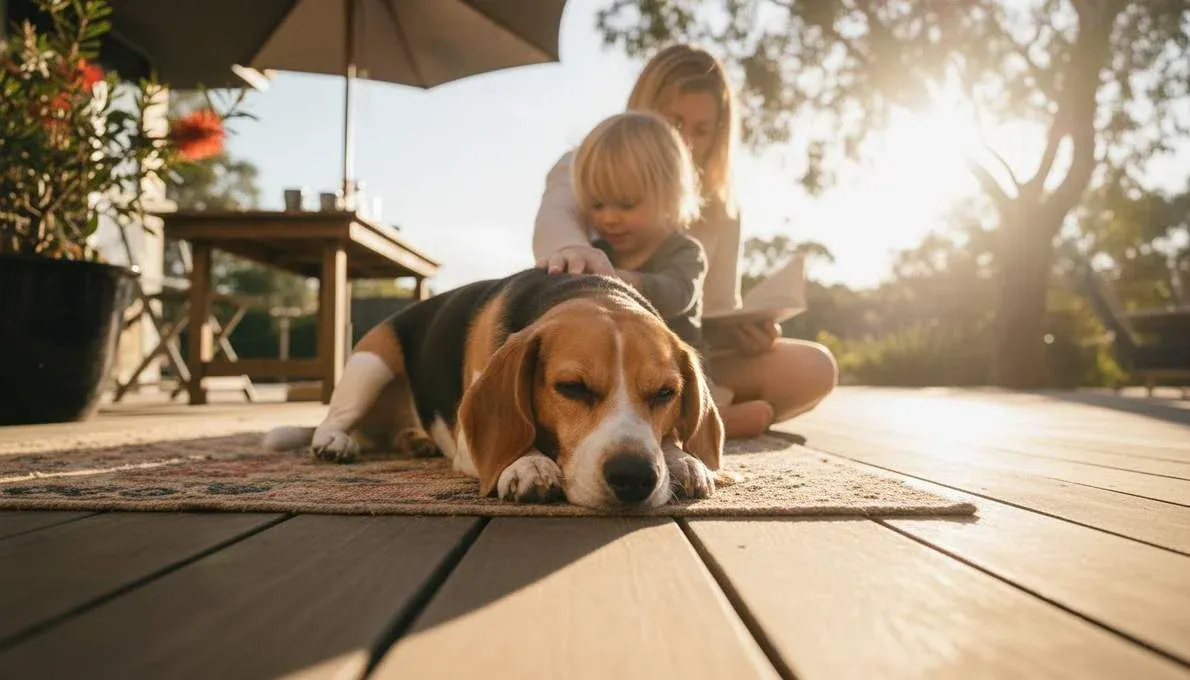
With children, Beagles are outstanding. They’re sturdy enough to handle rough play, gentle enough not to retaliate, and energetic enough to keep up with kids all day. They’re rarely aggressive — the breed standard essentially describes a dog incapable of holding a grudge. For Australian families looking for a kid-friendly, active companion, the Beagle is regularly and rightly recommended.
The other side of the coin is where reality sets in. Beagles are driven by their noses to a degree that’s hard to overstate. When a Beagle locks onto a scent trail, the rest of the world ceases to exist. Your voice becomes white noise. The recall command becomes a philosophical suggestion. The treat in your hand competes with the phantom rabbit that walked through the park three hours ago — and the rabbit wins.
They’re vocal. Very vocal. Beagles have three distinct vocalisations: a standard bark, a baying howl (the classic hound sound) and a half-bark-half-howl they use when excited or frustrated. Left alone, a bored Beagle will howl persistently, and this carries. Neighbours will hear it. Neighbours’ neighbours will hear it. If you live in a unit complex with noise complaints, a Beagle is a risky choice.
Food obsession is another defining trait. Beagles will eat anything, and they’re astonishingly creative about accessing food. They’ll counter-surf, open bins, unzip bags and guilt-trip visitors into sharing their lunch. This isn’t charming — it’s a genuine management challenge, because obesity is the breed’s most common preventable health problem.
Separation anxiety is common. Beagles are pack dogs to their core and do not handle being alone for long periods. Destructive behaviour, howling and escape attempts are typical responses to loneliness. A second dog, doggy daycare or a reliable midday walker can make all the difference.
Escape artistry deserves its own warning. A Beagle that wants to follow a scent will go over, under, through or around your fence. They dig. They climb. They’re surprisingly athletic. Secure, checked-regularly fencing is essential — not a suggestion.

Health & Genetic Conditions
Beagles are generally a robust, healthy breed with fewer structural problems than many purebreds. That said, they have their own set of conditions that owners need to watch for, and knowing what they are puts you ahead of the game. Here’s what an Australian Beagle owner should know.
The number one health concern in Beagles, full stop. Their food drive is relentless and their sad eyes are powerful manipulation tools. An overweight Beagle is at increased risk for joint disease, heart problems, diabetes and a shorter lifespan. You should be able to easily feel your Beagle’s ribs through a thin fat layer. If you can’t, it’s time to cut portions and increase exercise. Portion control, measured meals (not free-feeding) and limited treats are non-negotiable.
Beagles are one of the breeds most commonly affected by primary (idiopathic) epilepsy. Seizures typically begin between ages one and five. Epileptic dogs usually need lifelong anticonvulsant medication. Management costs run approximately $500–$1,500 AUD per year depending on the medication and monitoring required.
Those long, heavy ears trap moisture and reduce airflow — a perfect environment for bacteria and yeast. Ear infections are practically a rite of passage for Beagle ownership. Weekly cleaning is essential, and any signs of redness, odour or head-shaking should prompt a vet visit. Budget $150–$400 AUD per infection episode.
An underactive thyroid is relatively common in Beagles, causing weight gain, lethargy, skin problems and hair loss. It’s easily managed with daily thyroid hormone medication (levothyroxine) at around $300–$600 AUD per year, but it requires regular blood tests to monitor levels.
While more commonly associated with larger breeds, Beagles are moderately susceptible. Responsible breeders should hip-score their breeding dogs. Management ranges from weight control and joint supplements ($200–$500 AUD/year) to surgical intervention ($3,000–$8,000 AUD) in severe cases.
Beagles can develop disc problems, though less frequently than breeds with extreme spinal proportions like Dachshunds. Symptoms include back pain, reluctance to jump and, in severe cases, hind-limb weakness. Conservative management costs $500–$2,000 AUD; surgery runs $5,000–$12,000 AUD.
Prolapse of the third eyelid gland causes a distinctive red bulge in the corner of the eye. It looks alarming but isn’t usually painful. Surgical correction typically costs $500–$1,500 AUD per eye.
A relatively breed-specific condition, most common in puppies aged 5–10 months. Symptoms include severe neck pain, fever and depression. It’s treated with steroids and typically resolves, but requires prompt veterinary attention.
Both eye conditions can occur in Beagles. Glaucoma causes increased eye pressure and pain; PRA causes gradual vision loss. Regular eye checks and buying from breeders who test for eye conditions help mitigate risk.
When choosing a breeder, ask about health screening for hip dysplasia, eye conditions, and any history of epilepsy or cardiac issues in the breeding lines. Musladin-Lueke Syndrome (MLS) is a rare but serious genetic connective tissue disorder in Beagles for which DNA testing is available.

Lifespan & Longevity
The average Beagle lifespan is 12–15 years, making them one of the longer-lived breeds among hound dogs. With excellent care, some Beagles reach 16 or even 17 years.
Weight management is, once again, the single biggest factor. A lean Beagle consistently outlives an overweight one. Studies across multiple breeds have shown that dogs kept at a healthy weight live an average of two years longer than their overweight counterparts, and Beagles — with their food obsession — are prime candidates for this trap.
Beyond weight, the keys to Beagle longevity are straightforward: regular exercise (at least an hour daily), annual vet check-ups (biannual after age eight), dental care (periodontal disease is linked to systemic health issues), ear maintenance (chronic infections damage hearing over time), and mental stimulation (a bored Beagle is a stressed Beagle, and chronic stress shortens lives).
Senior Beagles (typically 9+) may develop age-related cognitive decline, reduced mobility from arthritis, and dental issues. Switching to a senior diet, adding joint supplements, and adjusting exercise to lower-impact activities like gentle walks and swimming (Beagles are generally competent swimmers, unlike Basset Hounds) will help maintain quality of life.
In Australian conditions, pay attention to heat management in summer and tick prevention year-round in endemic areas. Paralysis ticks along the eastern seaboard are a serious risk for all dogs, including Beagles.
Grooming & Care
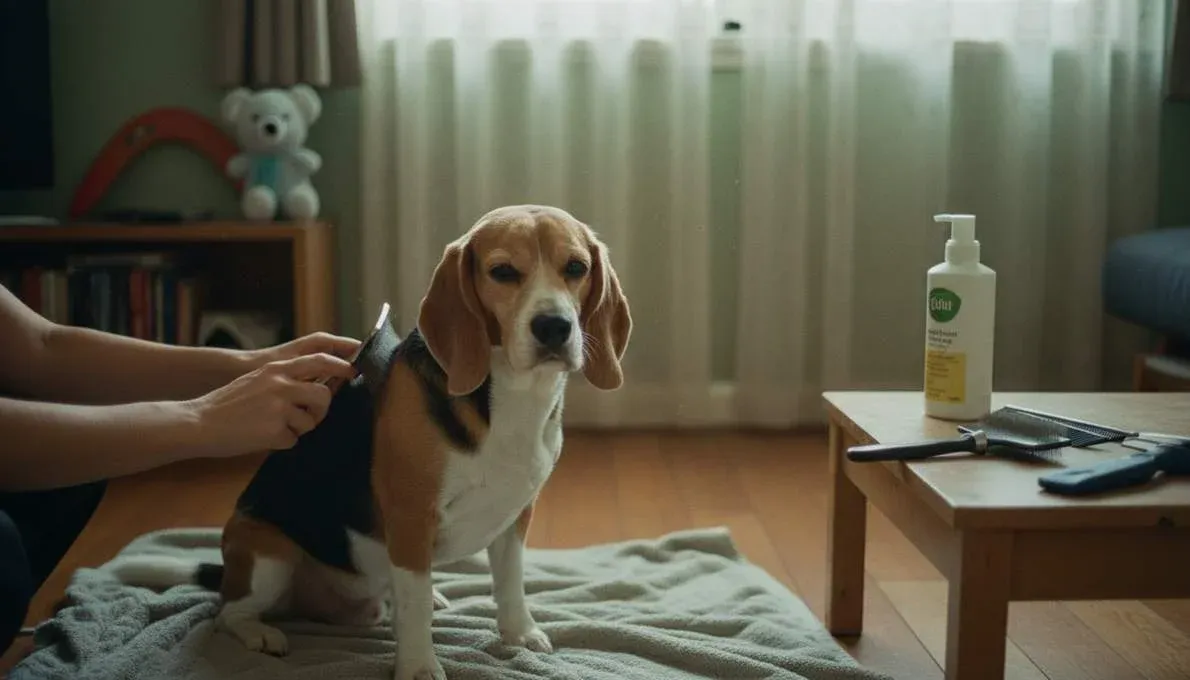
Beagles have a short, dense double coat that’s relatively low-maintenance but sheds more than you’d expect from a small dog. The honest answer to “do Beagles shed?” is yes — moderately year-round and heavily during spring and autumn coat changes.
Grooming Schedule
| Task | Frequency | Notes |
|---|---|---|
| Brushing | 2–3 times per week (daily in shedding season) | Use a rubber curry brush or hound glove. A deshedding tool during moult season helps enormously |
| Bathing | Every 4–6 weeks | Beagles have a mild hound odour. Regular bathing with gentle dog shampoo keeps it manageable |
| Ear cleaning | Weekly minimum | Non-negotiable. Use a vet-approved cleaner, check for redness, odour or debris every time |
| Nail trimming | Every 2–3 weeks | Active Beagles may wear nails naturally on hard surfaces; still check regularly |
| Teeth cleaning | Daily ideal; 3x/week minimum | Beagles are prone to dental disease. Start young, use enzymatic toothpaste |
| Eye checks | Weekly | Watch for cherry eye (red bulge), excessive discharge or cloudiness |
Beagle grooming is genuinely straightforward compared to long-coated or wiry breeds. The biggest time investment is ear care, which should be treated as a weekly ritual rather than an afterthought. A Beagle with chronic ear infections is a Beagle in constant discomfort.
For shedding management, a good rubber grooming mitt used a few times a week makes a noticeable difference. During spring and autumn coat blows in Australia, daily brushing for a week or two will save your furniture and sanity. Invest in a quality vacuum cleaner — you’ll use it.
Exercise Needs
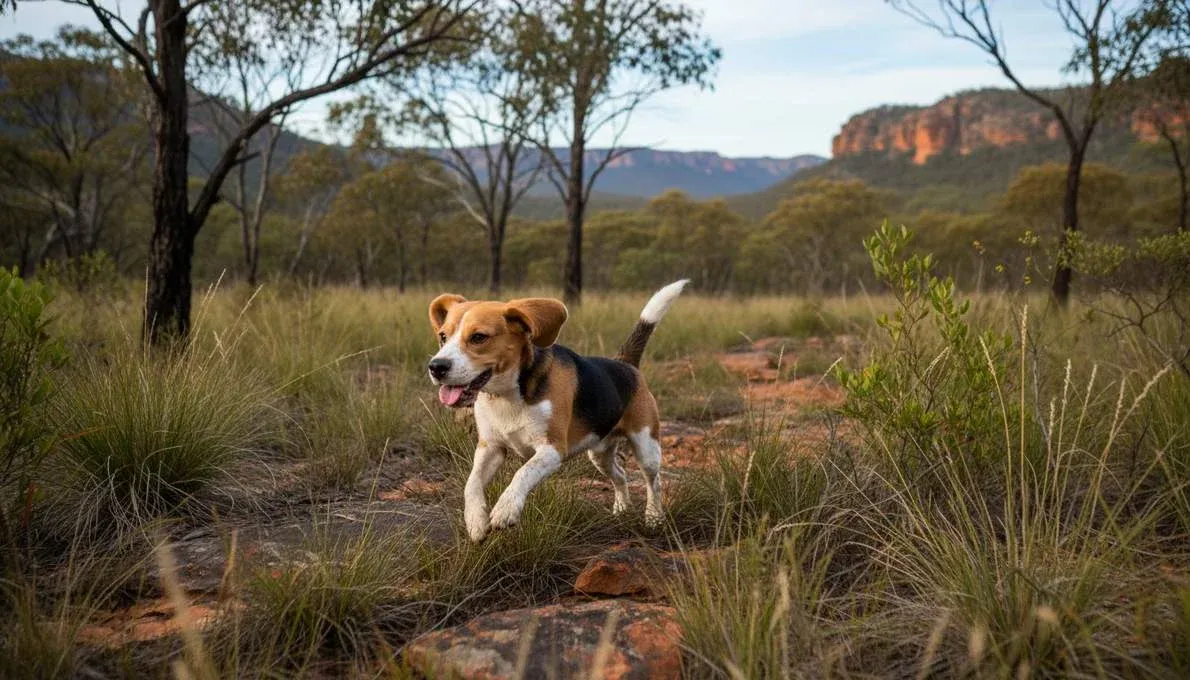
Beagles are athletic, energetic dogs that need significantly more exercise than their compact size suggests. Plan for at least 1 to 1.5 hours of daily exercise, split into two sessions. Under-exercised Beagles become destructive, vocal and overweight — the unholy trifecta of Beagle ownership problems.
The best exercise for a Beagle combines physical activity with scent engagement. A brisk morning walk (30–45 minutes) plus an afternoon scent-enrichment session or play in a secure area is ideal. Scatter feeding in the garden, hiding treats around the house, or joining a local nose work or tracking class taps into their natural abilities and tires them out far more effectively than physical exercise alone.
Off-lead exercise should only happen in fully enclosed, secure areas. A Beagle on a scent trail has no recall. This isn’t a training failure — it’s biological imperative. Their nose literally overrides their frontal cortex when tracking. Use a long line (5–10 metre) and harness in unfenced areas to give them sniffing freedom while maintaining control.
Australian climate note:
Beagles handle Australian conditions reasonably well thanks to their weather-resistant coat, but summer heat requires the usual precautions: early morning and evening exercise only when temperatures exceed 30°C, always carry water, avoid hot pavement, and watch for signs of heat stress. Their dark tricolour coats absorb heat, so shade access is important. In tick-endemic areas (much of coastal eastern Australia), year-round prevention is essential.
Beagles are surprisingly good swimmers and many enjoy water. If you have access to a dog-friendly beach or lake, swimming is excellent low-impact exercise, particularly for older dogs with joint stiffness.
Training Guide
Training a Beagle is an exercise in patience, timing and strategic bribery. They’re smart — genuinely problem-solving intelligent — but their motivation system runs on scent and food, not praise and obedience. If you want a dog that lives to please you, get a Golden Retriever. If you want a dog that will please you when appropriately compensated, get a Beagle.
Socialisation & Training Timeline
| Age | Focus Areas | Tips |
|---|---|---|
| 8–12 weeks | Socialisation, name recognition, crate training, toilet training | Beagles housetrain at average speed with consistent schedules. Crate training prevents accidents and destructive chewing |
| 3–6 months | Sit, down, stay, lead manners, early recall | Keep sessions 5–10 minutes. Use very high-value treats. Practise recall indoors and in low-distraction environments first |
| 6–12 months | Proofing commands, loose-lead walking, managing scent distractions, leave it | Adolescence is when the nose fully kicks in. “Leave it” and “drop it” become survival commands. Enrol in a positive-reinforcement group class |
| 1–2 years | Reliable basics, impulse control, scent work, trick training | Channel their intelligence into nose work or tracking trials. A Beagle with a job is a well-behaved Beagle |
The “leave it” command is arguably the most important thing you’ll teach a Beagle. Their scavenging instinct means they’ll attempt to eat anything remotely food-like (and some things that aren’t), including snail bait, macadamia nuts, chicken bones and mystery substances on footpaths. A reliable “leave it” could literally save their life.
Counter-surfing and bin-raiding are not behavioural problems in the traditional sense — they’re a Beagle being a Beagle. Management (securing bins, clearing benchtops, using baby gates) is more realistic than expecting a Beagle to resist accessible food through willpower alone. Set them up to succeed.
Positive reinforcement is the only effective training method. Beagles have soft temperaments and respond to harsh corrections by shutting down or becoming anxious. Food rewards, patience and consistency will get you further than any amount of scolding.
Cost of Ownership in Australia
Beagles are one of the more affordable purebred dogs to purchase in Australia, but ongoing costs add up — particularly vet bills related to ears, weight management and the breed’s predisposition to certain conditions. Here’s an honest breakdown.
| Expense | Estimated Cost (AUD) |
|---|---|
| Puppy (ANKC registered breeder) | $1,500–$3,500 |
| Rescue/adoption | $300–$600 |
| Initial setup (crate, bed, bowls, harness, long line, toys) | $400–$700 |
| Annual food (quality kibble or raw) | $800–$1,500 |
| Annual vet check-ups & vaccinations | $350–$650 |
| Pet insurance (comprehensive) | $600–$1,200/year |
| Flea, tick & worming prevention | $300–$500/year |
| Training classes (puppy + basic obedience) | $250–$500 |
| Desexing | $300–$600 |
| Ear cleaning supplies | $80–$150/year |
| Estimated first-year total | $4,500–$9,000+ |
| Estimated annual ongoing cost | $2,500–$4,500 |
Finding a breeder:
Contact your state’s Beagle club (e.g., Beagle Club of NSW, Beagle Club of Victoria) for breeder referrals. DogzOnline lists registered breeders nationally. Ask about health testing for hips, eyes, and any genetic screening. Puppies from health-tested parents typically cost more but reduce the risk of expensive conditions down the track.
Rescue:
Beagle rescue is well-established in Australia. Beagle Rescue Victoria, Beagle Rescue NSW, and Beagle Freedom Australia (which rehomes dogs from laboratory testing) are all active. Adopted Beagles typically cost $300–$600 AUD and come desexed, vaccinated and microchipped. Adult rescues can be fantastic companions — their personality is already established, and many are housetrained.
A note on “Pocket Beagles” and “Mini Beagles”:
There is no recognised miniature Beagle breed. Dogs marketed as “Pocket Beagles” or “Mini Beagles” are either runts, poorly bred undersized dogs, or crossbreeds sold at inflated prices. These dogs often come with significant health problems and no genetic testing. Buy from ANKC-registered breeders who breed to the standard.
Is the Beagle Right for You?
- Have an active family with children who want a sturdy, playful companion
- Can provide at least 1–1.5 hours of daily exercise including scent-enrichment activities
- Have a securely fenced yard with no gaps at ground level
- Are home a lot, or can arrange company (a second dog, daycare, or walker)
- Have patience for training and a good sense of humour about selective hearing
- Don’t mind a moderately vocal dog and have tolerant neighbours
- Are committed to weight management and portion control
- Need reliable off-lead recall in unfenced areas
- Work long hours and the dog would be alone all day
- Live in an apartment or unit with noise restrictions
- Want a quiet, low-energy indoor companion
- Leave food accessible on benches, in bins, or in bags
- Are not prepared for the vocal stylings of a hound at 6am
- Want a dog that obeys promptly without food motivation
Popular Beagle crosses in Australia include the Beaglier (Beagle x Cavalier King Charles Spaniel), the Puggle (Beagle x Pug), and the Beagle x Labrador. While crosses can make lovely pets, they’re unpredictable in size, temperament and health. A purebred Beagle from a tested breeder gives you the most predictable outcome.
- The Beagle is a cheerful, hardy, family-friendly scenthound that thrives with active owners who embrace the chaos of living with a nose-driven dog.
- They’re affordable to buy, relatively healthy, and have one of the best temperaments in the dog world — but the barking, the food obsession and the escape artistry are real, daily challenges.
- If you can commit to exercise, weight management, secure fencing, ear care, and enough cheese to train a small army, a Beagle will reward you with 12–15 years of relentless affection and entertainment.
Frequently Asked Questions
How long do Beagles live?
The average Beagle lifespan is 12–15 years, with some reaching 16–17 years with excellent care. Weight management is the single biggest factor influencing longevity.
How much does a Beagle cost in Australia?
A Beagle puppy from an ANKC-registered breeder typically costs $1,500–$3,500 AUD. Adoption from a rescue organisation costs $300–$600 AUD. The first year of ownership (including setup, vet bills, training, etc.) can range from $4,500 to $9,000+. Ongoing annual costs are around $2,500–$4,500 AUD.
Do Beagles shed a lot?
Yes. Beagles have a short double coat that sheds moderately year-round and heavily during spring and autumn coat changes. Regular brushing (2–3 times a week, daily during moult) helps manage the hair.
Are Beagles good with kids?
Excellent. Beagles are sturdy, patient, playful and rarely aggressive, making them one of the best family dog breeds for households with children. Supervision is always recommended, but Beagles are known for their gentle, tolerant nature.
Why do Beagles bark so much?
Baying, barking and howling are breed traits developed for hunting. Beagles use their voice to alert, communicate excitement, express frustration, and when bored or left alone. Proper exercise, mental stimulation and training can reduce but not eliminate this vocal tendency.
Are Beagles easy to train?
They are intelligent but easily distracted by scent. Training requires patience, high-value food rewards and consistency. They excel at scent work but can be stubborn with traditional obedience. Positive reinforcement is essential.
What is a lemon Beagle?
A lemon Beagle is a colour variation featuring a pale yellow or cream base coat with white markings. It’s a recognised hound colour, not a separate breed. Lemon Beagles have the same temperament and health profile as other colour variations.
Can Beagles live in apartments?
Challenging but possible with extreme dedication. Their high exercise needs and tendency to bark/bay make them poorly suited for apartments unless you can provide 1–1.5 hours of daily exercise, mental enrichment, and have tolerant neighbours. A securely fenced yard is strongly recommended.
- Pet Circle — Beagle Breed Guide: https://www.petcircle.com.au/discover/beagle-breed-guide
- Vets Love Pets — The Vet’s Guide to Beagles: https://vetslovepets.com.au/blogs/dog/beagle-breed-guide
- Vets Choice / Guild Insurance — Beagle Dog Breed: https://vetschoice.guildinsurance.com.au/dogs/dog-breeds/beagle
- Pets Online Australia — Common Beagle Health Issues: https://petsonline.com.au/dog-breeds/beagle/health-issues/
- Somerzby — Beagle Dog Breed Guide: https://www.somerzby.com.au/blog/beagle/
- Dogster — Beagle Health Issues: https://www.dogster.com/dog-health-care/beagle-health-problems
- Bonza — Beagle Health Issues Comprehensive Guide: https://www.bonza.dog/2024/12/beagle-dog-health-issues-comprehensive-guide-to-common-problems/
- Beagle Pro — Beagle Health: https://www.beaglepro.com/beagle-health
- American Kennel Club — Beagle Breed Information: https://www.akc.org/dog-breeds/beagle/
- Beagle Rescue Victoria: https://www.beaglerescuevictoria.org.au/