
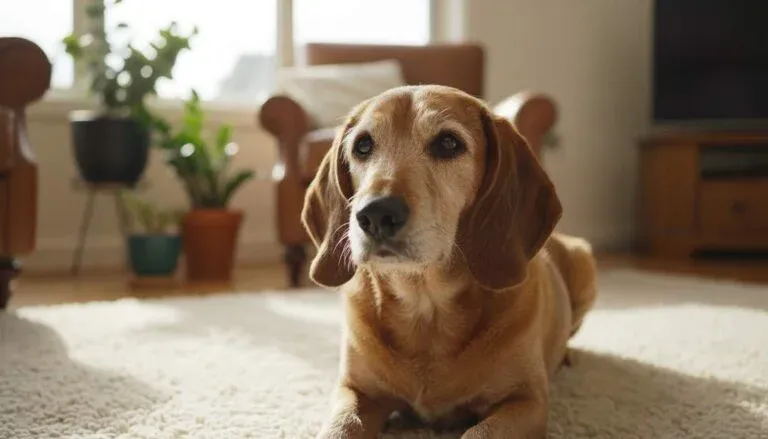
Imagine a dog that looks like someone crossed a terrier with a basset hound and then rolled it through a hedge backwards. Now imagine that dog completely ignoring your recall command because a rabbit ran past forty-five minutes ago and the scent is still interesting. That, in a nutshell, is the Basset Fauve de Bretagne.
Pronounced roughly as “bass-AY fohv duh bruh-TAN-yuh” (don’t worry, most vets just call them Fauves), this compact French scenthound has been charming hunters and frustrating obedience instructors since the 1800s. They’re rare in Australia — only a handful of registered breeders exist across the country — which means getting one takes patience, a waitlist, and usually a decent drive.
But for the right owner? A Fauve is an absolute gem. They’re cheerful, affectionate, surprisingly athletic for their size, and have a sense of humour that makes even the stubbornness endearing. This guide covers everything an Australian owner needs to know: real costs in AUD, honest temperament advice, health conditions to watch for, and whether this breed actually suits your lifestyle.
What You’ll Learn
- Breed traits & temperament
- Health concerns to know
- True cost in Australia
- Training & exercise needs
- Is this breed right for you?
Quick Facts at a Glance
| Attribute | Detail |
|---|---|
| Breed Group | Hound (Scenthound) |
| Origin | Brittany, France |
| Height | 32–38 cm (12.5–15 inches) |
| Weight | 14–18 kg (approx. 30–40 lbs) |
| Lifespan | 12–15 years (some live to 16+) |
| Coat Type | Short, harsh, wiry — dense and weather-resistant |
| Colours | Fawn, red-wheaten, golden-wheaten (sometimes small white chest patch) |
| Shedding | Low to moderate — minimal with regular stripping |
| Hypoallergenic | No — but wiry coat sheds less than smooth-coated breeds |
| Exercise Needs | High — 1.5–2 hours daily |
| Trainability | Moderate — intelligent but independent; food motivation helps |
| Good with Kids | Yes — gentle, playful and tolerant |
| Good with Other Dogs | Yes — bred to work in packs |
| Apartment Suitable | Possible but not ideal — needs secure yard and daily exercise |
| Puppy Price (AUD) | $3,000–$5,000+ from registered breeders |
| Pronunciation | bass-AY fohv duh bruh-TAN-yuh |
History & Origins
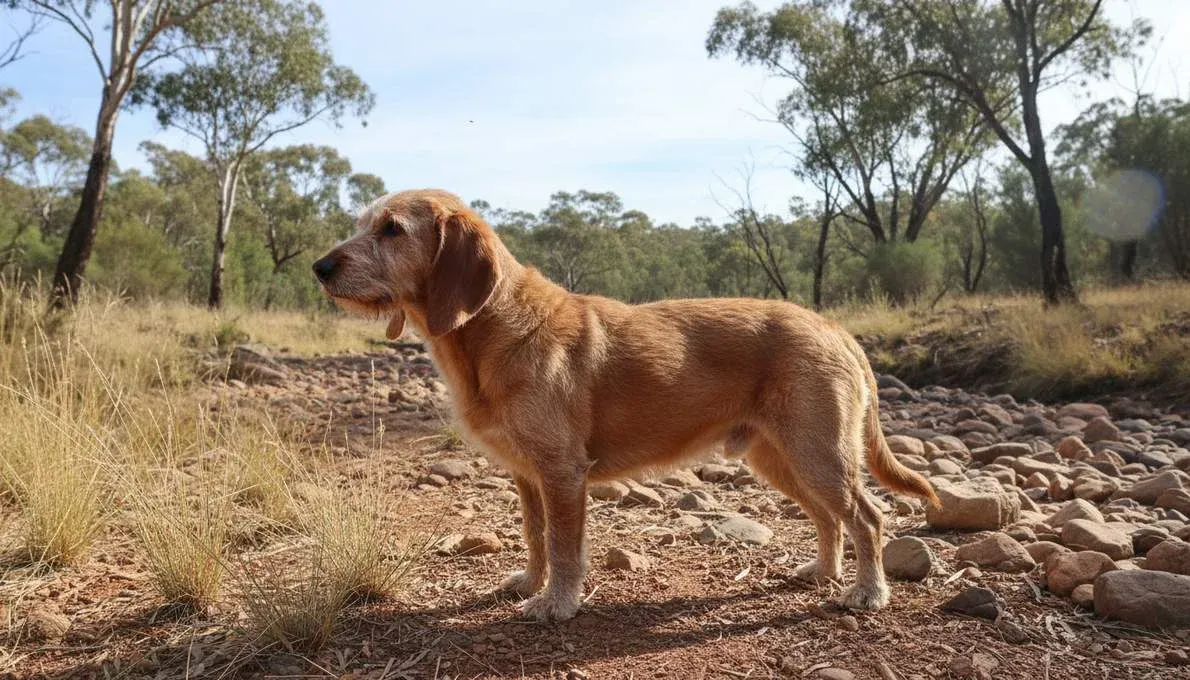
The Basset Fauve de Bretagne traces its roots to the Brittany region of north-western France, one of the country’s wildest and most rugged landscapes. The breed descends from the now-extinct Grand Fauve de Bretagne, a large fawn-coloured hound that stood 70–74 cm at the shoulder and was prized for hunting wild boar through Brittany’s dense, thorny thickets.
By the 16th century, four main varieties of large French hounds existed, distinguished primarily by coat colour: white, fawn, grey and black. The fawn hounds of Brittany were legendary for their fire, stamina and ability to work in cold, wet conditions. Only the French aristocracy were permitted to own them — a restriction that lasted until the French Revolution.
When the Revolution broke the aristocracy’s monopoly on hunting, shorter-legged “basset” versions of many French hounds became popular. Hunters on foot couldn’t keep up with tall hounds on horseback, so breeding for reduced height made practical sense. There’s debate about exactly how the Basset Fauve’s size reduction was achieved — some say through selecting the smallest pups from litters, others suggest crosses with other basset breeds and possibly the wire-haired Dachshund to maintain the fawn colour.
The French breed club denies rumours that the breed nearly went extinct after World War II, noting that Basset Fauves remained popular with hunters across western France throughout the 20th century. By 1985, 884 were registered with the French Kennel Club, climbing to over 1,000 by the early 2000s. In the UK, the breed was first registered with the Kennel Club in 1991 and came off the rare breed register in 2007.
In Australia, the Basset Fauve de Bretagne remains genuinely rare. Only a small number of ANKC-registered breeders exist, concentrated mainly in NSW and Victoria, with some imports from New Zealand, Ireland and the UK. If you’re after one in Australia, expect a waitlist.
Temperament & Personality
If you want a dog that hangs on your every word and lives to please you, the Basset Fauve de Bretagne is not your breed. If you want a dog with genuine character, a wicked sense of humour and enough personality to fill a room, keep reading.
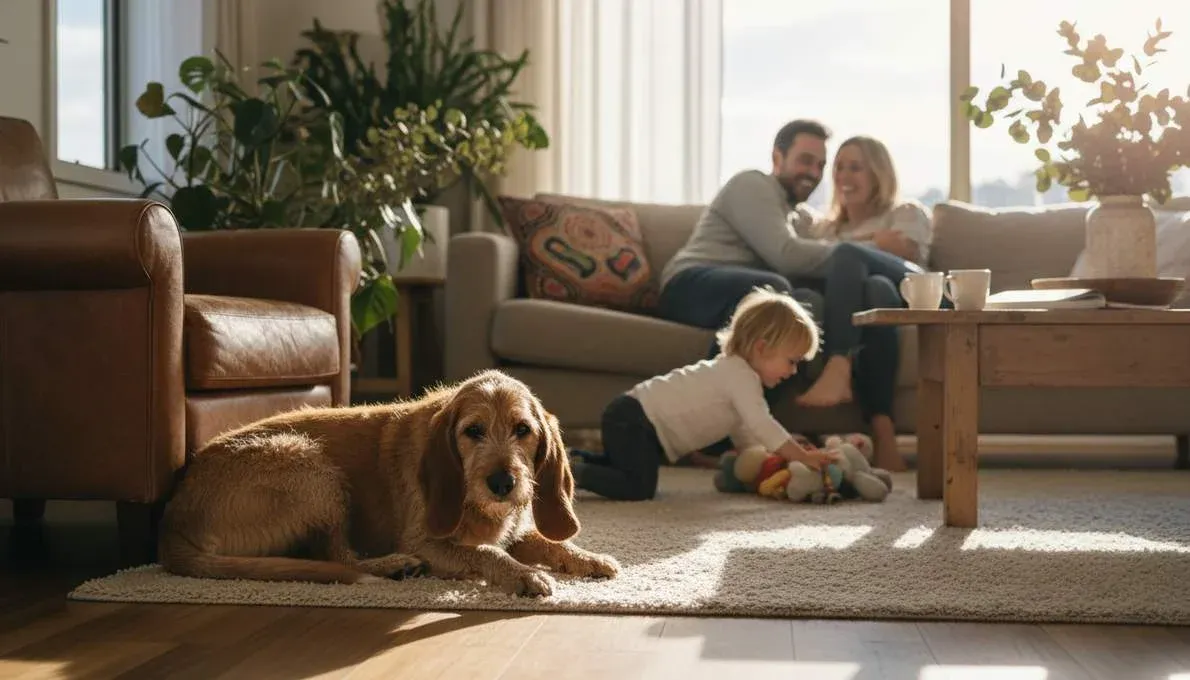
Fauves are cheerful, sociable dogs that bond deeply with their families. They get along brilliantly with children — they’re patient, playful and sturdy enough to handle a toddler’s enthusiastic affection. They were bred to work in packs, so they generally do well with other dogs too. Cats and small animals are a different story; that hunting instinct runs deep, and a Fauve that spots a possum in the backyard at dusk is not going to wait for your opinion on whether to chase it.
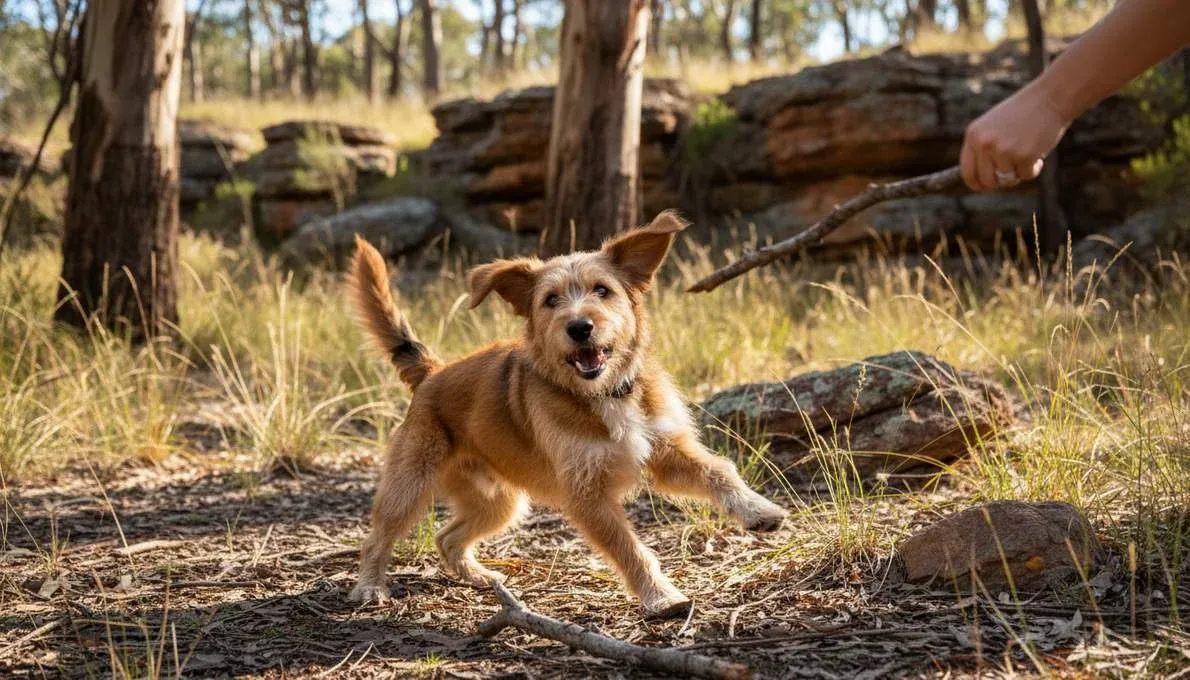
The breed’s independence is both its charm and its challenge. Fauves are genuinely intelligent — they excel in nose work, tracking and scent-based sports — but they process commands through a filter that essentially asks “what’s in it for me?” This isn’t stupidity. It’s the hardwired self-reliance of a hound that was bred to make its own decisions on the hunting trail.
Recall is the big one. Most Fauve owners will tell you that off-lead reliability in unfenced areas is, to put it politely, aspirational. Once that nose locks onto a scent, your voice becomes background noise. A long line and a secure harness are standard equipment for Fauve walks in Australia, and that’s not a training failure — it’s breed-appropriate management.
They’re vocal dogs with a deep, musical bay that they’ll use to announce visitors, express excitement, or simply because they feel like contributing to the conversation. If you live in a townhouse with thin walls, this is worth considering. They don’t bark constantly, but when they do, the neighbours will know about it.
Left alone for long stretches, a bored Fauve can become destructive. These are dogs that want to be involved in family life. They’re equally happy on a bushwalk or curled up on the couch — as long as they’ve had their exercise first.
Health & Genetic Conditions
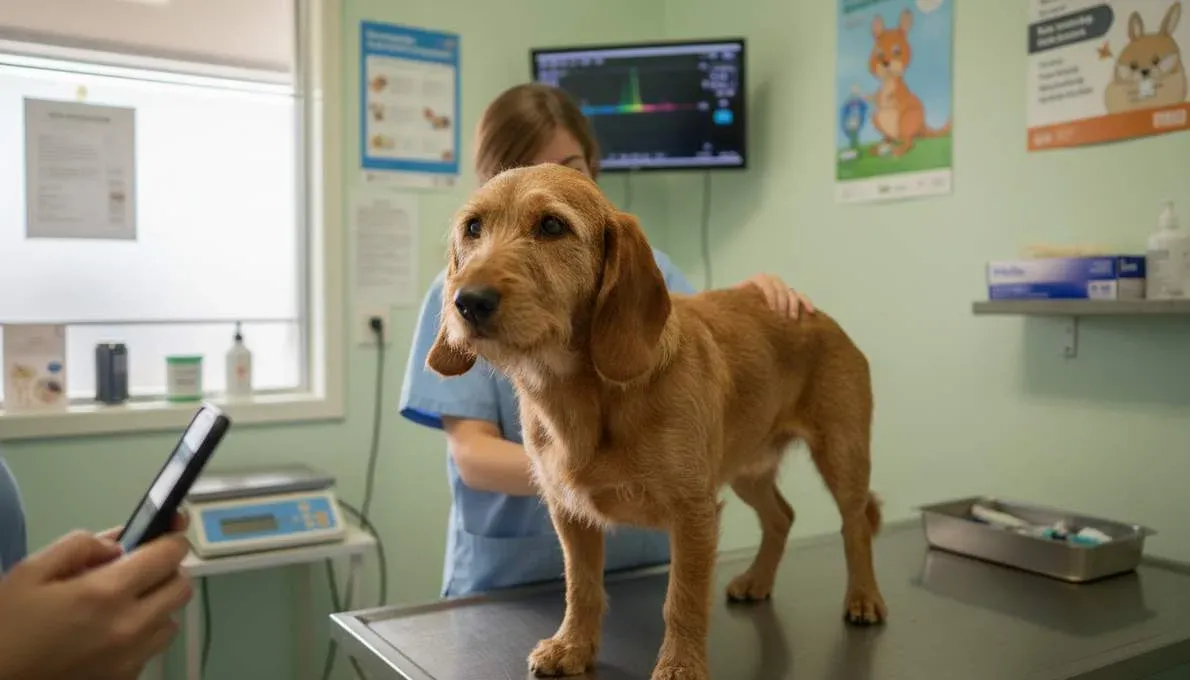
No owner wants to think about their dog getting sick, but knowing what to watch for — and what to ask a breeder about — can save you heartache and significant vet bills down the track. The good news is that the Basset Fauve de Bretagne is generally a robust, healthy breed with a relatively low inbreeding coefficient (measured at 3.9% in a 2006 French study).
That said, there are a few conditions that Fauve owners and prospective buyers in Australia should be aware of:
This is the breed’s most significant genetic health concern. POAG is caused by a mutation in the ADAMTS17 gene that prevents normal drainage of fluid from the eye, gradually increasing pressure and leading to pain, vision loss and eventually blindness. Onset typically occurs around five years of age. The condition is autosomal recessive, meaning a dog needs two copies of the faulty gene to be affected. A simple DNA cheek swab test exists — always ask your breeder for POAG test results for both parents. Treatment for glaucoma in Australia can run $2,000–$5,000+ per eye, and in severe cases, surgical removal of the eye may be necessary ($3,000–$6,000 AUD).
Like all breeds with long backs and short legs, Fauves can develop spinal disc problems. Discs can bulge or rupture, putting pressure on the spinal cord and causing pain, weakness or paralysis. Mild cases may be managed with rest, anti-inflammatories and cage rest ($500–$2,000 AUD), while surgical intervention can cost $5,000–$12,000 AUD.
Those gorgeous floppy ears are an infection waiting to happen. Reduced airflow creates a warm, moist environment where bacteria and yeast thrive. Regular weekly ear checks and cleaning are essential. Budget $150–$400 AUD per episode at the vet, and expect it to happen at least once or twice over the dog’s lifetime.
Occasionally, uneven bone growth can cause bowed or rotated legs, leading to lameness and pain. This is more of a developmental issue in puppies and is not extremely common, but it’s worth monitoring growth closely.
Some Fauves develop seasonal skin allergies, particularly in Australia’s warmer climates. Symptoms include itching, redness and hot spots. Management usually involves antihistamines, medicated shampoos or prescription diets ($300–$1,500 AUD per year depending on severity).
Reported occasionally in European lines, though diligent breeding has reduced its prevalence significantly. Lifetime medication costs can add up if a dog is affected ($500–$1,500 AUD per year).
The single most important thing you can do is buy from a breeder who DNA tests for POAG and can show you clear results for both parents. In a breed this rare in Australia, cutting corners on health testing is a red flag.
Lifespan & Longevity
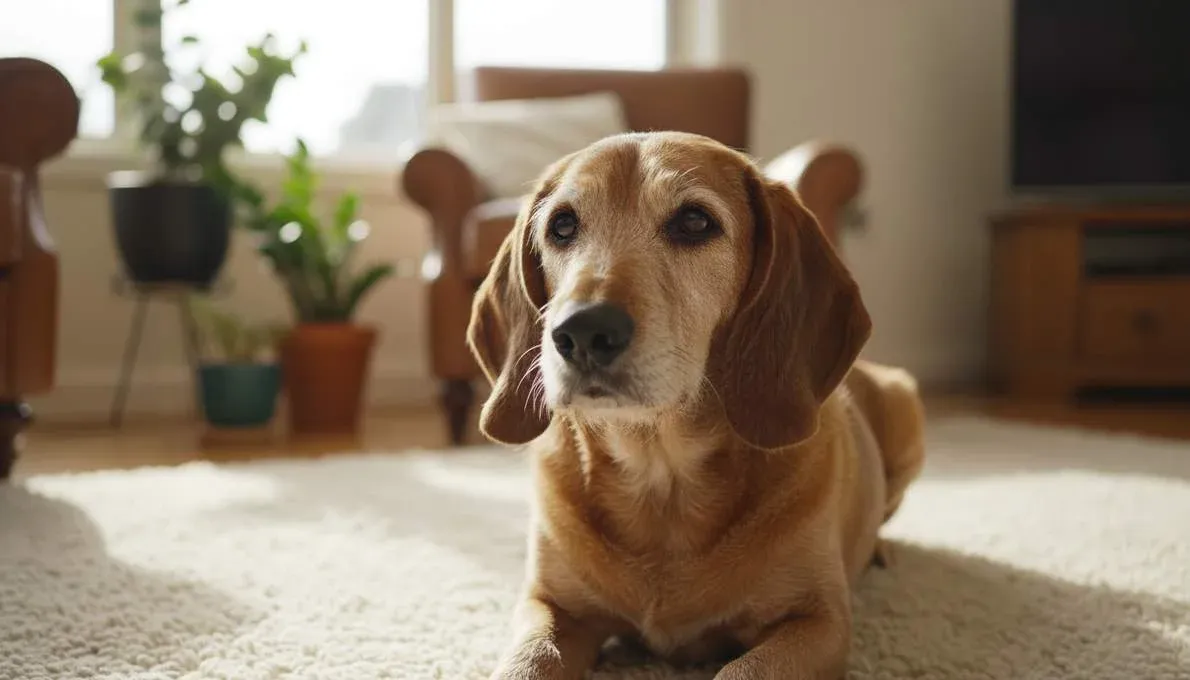
The Basset Fauve de Bretagne typically lives 12–15 years, with well-cared-for dogs sometimes reaching 16 or beyond. For a hound breed, that’s a solid lifespan — significantly longer than many breeds of similar size.
Keeping your Fauve healthy into old age comes down to a few basics: maintain a healthy weight (obesity puts enormous strain on those short legs and long spine), keep up with regular vet check-ups (annually until age seven, then every six months), feed a quality diet appropriate to their life stage, and keep those ears clean.
Senior Fauves may develop age-related eye cloudiness, reduced mobility from joint wear, and dental issues. Switching to a senior diet around age eight or nine, adding joint supplements like glucosamine and chondroitin, and keeping exercise consistent but gentler (shorter walks, softer surfaces) will all help maintain quality of life.
In Australia’s climate, heat management matters as the dog ages. Older Fauves are less tolerant of extreme heat, so summer walks should be early morning or evening only, with access to shade and fresh water throughout the day.
Grooming & Care
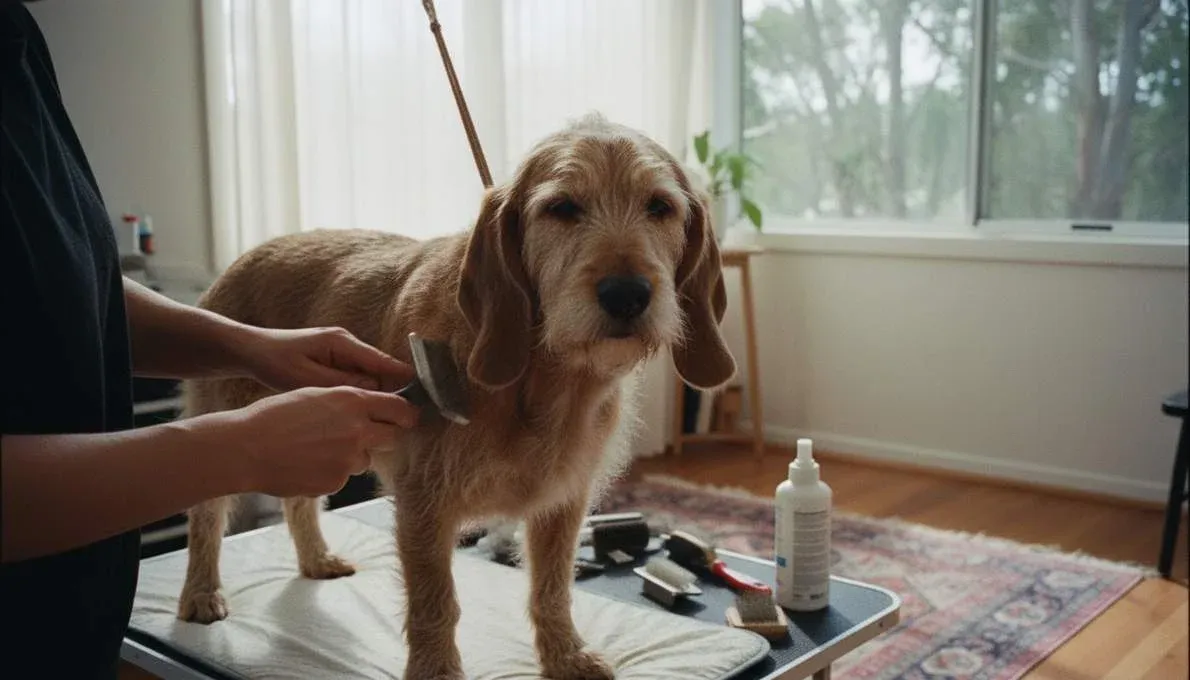
One of the genuine perks of owning a Basset Fauve de Bretagne is that their coat is remarkably low-maintenance compared to many breeds. The harsh, wiry coat resists matting and actually repels dirt — which is handy for a dog that will enthusiastically shove its face into every bush it encounters.
Grooming Schedule
| Task | Frequency | Notes |
|---|---|---|
| Brushing | Weekly | Use a stiff bristle brush after a fine-toothed comb to remove loose hair |
| Hand-stripping | 2–3 times per year | Removes dead coat and maintains wiry texture. Do NOT clip — it softens the coat permanently |
| Bathing | Only when necessary | The coat self-cleans well. Over-bathing strips natural oils |
| Ear cleaning | Weekly | Check for redness, odour or discharge. Use a vet-approved ear cleaner |
| Nail trimming | Every 2–3 weeks | If you can hear nails clicking on tiles, they’re too long |
| Teeth cleaning | Daily brushing ideal; 3x/week minimum | Dental disease is cumulative. Start young |
| Eye checks | Weekly | Watch for cloudiness, redness or excessive tearing (POAG awareness) |
A note on clipping vs. stripping: many Aussie groomers will default to clipping a wiry coat because it’s faster. Don’t let them. Clipping a Fauve’s coat changes its texture permanently, making it softer, more prone to matting and less weather-resistant. Hand-stripping (or using a stripping knife) pulls out dead hair from the root and encourages the correct harsh regrowth. If your groomer isn’t experienced with hand-stripping, ask your breeder for a recommendation or learn to do it yourself — it’s not difficult once you get the technique down.
For shedding, Fauves are on the lower end of the scale. Regular stripping keeps loose hair to a minimum. They’re not hypoallergenic (no dog truly is), but their wiry coat produces less dander and loose hair than smooth-coated breeds like Beagles, which makes them more tolerable for people with mild allergies.
Exercise Needs
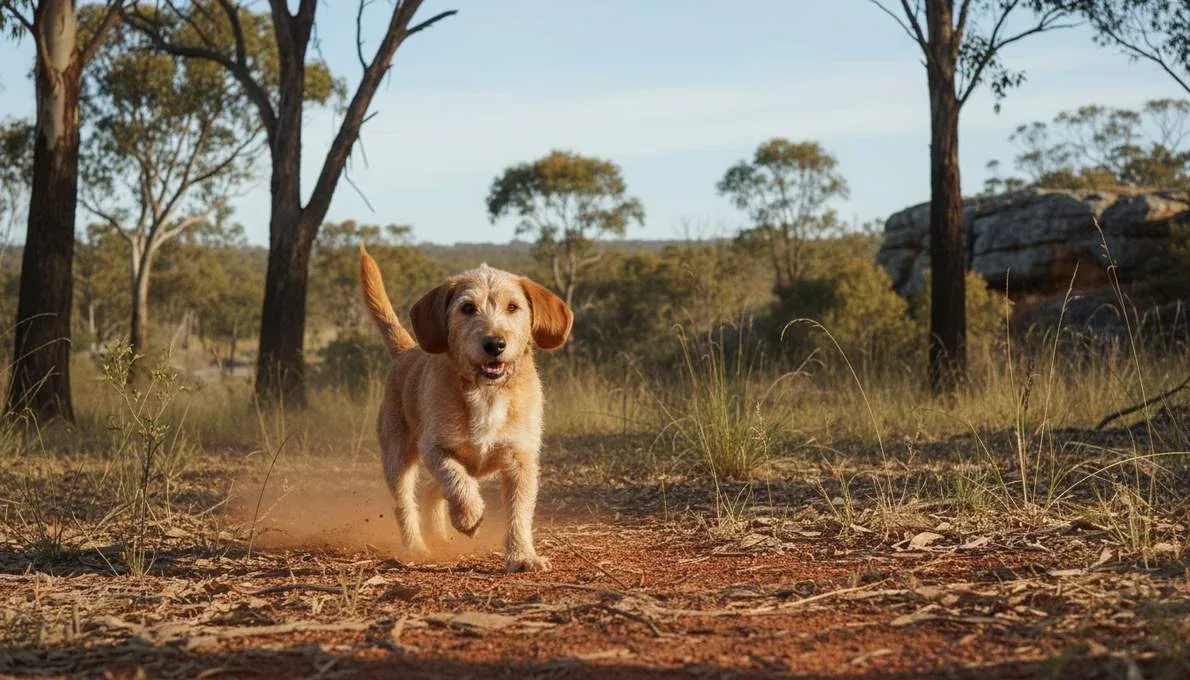
Don’t be fooled by the short legs. The Basset Fauve de Bretagne is an athletic, high-energy hound that was bred to chase game through dense bush for hours. They need 1.5 to 2 hours of exercise daily, and that means proper walks with sniffing opportunities — not just a lap around the block.
The ideal exercise routine for a Fauve in Australia includes a long morning walk (45–60 minutes) through varied terrain where they can use their nose, a shorter afternoon walk or off-lead play session in a securely fenced area, and regular “sniff walks” where the dog sets the pace and investigates scents rather than marching at heel.
Scent-based enrichment is gold for this breed. Scatter feeding in the garden, hiding treats around the house, or getting involved in organised nose work or tracking trials will mentally exhaust a Fauve far more effectively than physical exercise alone. Several Australian dog sport clubs offer scent work classes that are perfect for hound breeds.
Australian climate warning:
In summer, particularly in QLD, NSW and northern VIC, exercise must be shifted to early morning or late evening. Fauves are reasonably heat-tolerant thanks to their origins in coastal Brittany, but Australian summers are a different beast. Avoid hot pavement (press the back of your hand to the ground — if you can’t hold it for five seconds, it’s too hot for paws), carry water on every walk, and watch for signs of heat stress including excessive panting, drooling, lethargy and stumbling.
Secure fencing is non-negotiable. A Fauve that picks up an interesting scent will go over, under or through a fence to follow it. Standard 1.2m fencing is usually sufficient (they’re not big jumpers), but check for gaps at ground level — these dogs can dig when motivated.
Training Guide
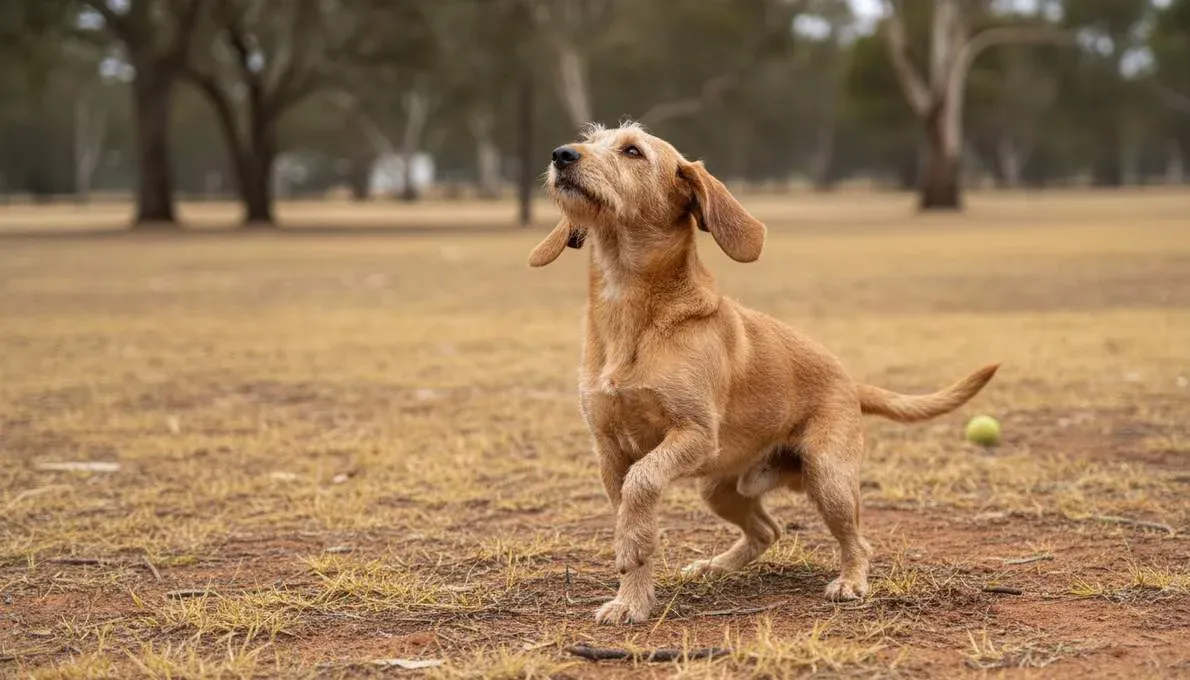
Training a Basset Fauve de Bretagne requires patience, a sense of humour, and a pocket full of high-value treats. This is not a breed for anyone who expects instant obedience. Fauves are smart — they’ll pick up what you’re asking quickly — but whether they choose to comply is a separate question entirely.
Socialisation & Training Timeline
| Age | Focus Areas | Tips |
|---|---|---|
| 8–12 weeks | Socialisation, name recognition, crate training, toilet training | Expose to varied surfaces, sounds, people and dogs. Toilet training takes longer than average — stay patient |
| 3–6 months | Basic commands (sit, down, stay), lead manners, recall foundations | Keep sessions under 10 minutes. Use high-value food rewards (cheese, chicken). Recall will be a lifelong project |
| 6–12 months | Proofing commands in distracting environments, longer lead walks, scent games | Adolescence hits hard. Independence increases. Don’t punish — redirect. Enrol in a positive-reinforcement group class |
| 1–2 years | Reliability, advanced recall, scent work, agility if interested | Continue training as a lifestyle, not a phase. Fauves mature slowly and may test boundaries well into their second year |
Positive reinforcement is the only effective approach. Fauves have soft temperaments and will shut down completely if corrected harshly. Food is your best currency — these dogs will do almost anything for the right treat. One experienced Fauve owner described training as “the strategic art of sausage-based bribery,” which is about as accurate a summary as you’ll find.
Housetraining is notoriously slower with basset breeds. Expect it to take longer than with a Labrador or Border Collie, and be prepared for occasional accidents well into the first year. Consistent scheduling, frequent outdoor breaks and generous praise when they get it right will get you there eventually.
Cost of Ownership in Australia
The Basset Fauve de Bretagne is a rare breed in Australia, and that rarity is reflected in both the purchase price and the effort required to find one. Here’s an honest breakdown of what you’re looking at financially.
| Expense | Estimated Cost (AUD) |
|---|---|
| Puppy (ANKC registered breeder) | $3,000–$5,000+ |
| Initial setup (crate, bed, bowls, lead, toys) | $500–$800 |
| Annual food (quality kibble/raw) | $1,000–$1,800 |
| Annual vet check-ups & vaccinations | $400–$700 |
| Pet insurance (comprehensive) | $800–$1,500/year |
| Grooming (hand-stripping 2–3x/year) | $200–$400/year |
| Flea, tick & worming prevention | $300–$500/year |
| Training classes (puppy + basic obedience) | $300–$600 |
| Desexing | $300–$600 |
| POAG DNA test (if not done by breeder) | $80–$150 |
| Estimated first-year total | $6,500–$11,000+ |
| Estimated annual ongoing cost | $3,000–$5,000 |
Finding a breeder in Australia:
Start with DogzOnline (dogzonline.com.au) which lists ANKC-registered Basset Fauve de Bretagne breeders. As of 2026, there are only around 3–4 active breeders in Australia, primarily in NSW. Dogs Victoria, Dogs NSW and Dogs Queensland can also point you in the right direction. Expect a waitlist of 6–12 months or longer.
Rescue:
Given the breed’s rarity in Australia, rescue Fauves are extremely uncommon. Your best bet is to contact the state breed clubs or check with Hound Rescue groups. Occasionally, adult dogs become available when owners’ circumstances change.
Import costs:
Some Australian owners have imported Fauves from the UK, Ireland or New Zealand. Import costs including quarantine, flights, vet checks and paperwork can add $5,000–$10,000+ AUD on top of the purchase price.
Is the Basset Fauve de Bretagne Right for You?
- Want a dog with genuine personality and a sense of humour
- Enjoy long walks and don’t mind carrying treats at all times
- Have a securely fenced yard
- Are patient with training and don’t need a dog that obeys instantly
- Have a family with children — Fauves are wonderful family dogs
- Are interested in scent work, tracking or other hound sports
- Are home for a good portion of the day or can arrange company for your dog
- Need reliable off-lead recall in unfenced areas
- Work long hours and the dog would be alone all day
- Live in a small apartment with no yard and limited exercise options
- Have cats, rabbits or other small pets that can’t be separated from the dog
- Want a quiet dog — Fauves bay, and they bay loudly
- Expect instant obedience or want a competitive obedience prospect
If you’re weighing up similar breeds, consider the Beagle (more readily available in Australia, similar temperament but higher shedding), the Petit Basset Griffon Vendéen (slightly larger, similar energy, also rare here), or the Wire Fox Terrier (similar coat type but different temperament).
- The Basset Fauve de Bretagne is a scruffy, charming, independent hound that thrives with active families who appreciate personality over obedience.
- They’re rare in Australia, expensive to acquire, and require patience to train — but owners who’ve done the work almost universally say they’d never choose another breed.
- If you can handle the recall challenges, the occasional bay at 6am, and the inevitable sausage bribery, a Fauve will reward you with 12–15+ years of loyalty, laughter and love.
Frequently Asked Questions
Are Basset Fauve de Bretagne hypoallergenic?
No, Basset Fauve de Bretagne are not considered hypoallergenic. However, their harsh, wiry coat sheds less than many smooth-coated breeds and produces less dander, which can make them more tolerable for people with mild allergies. Regular hand-stripping (not clipping) helps keep loose hair to a minimum.
How much does a Basset Fauve de Bretagne cost in Australia?
From an ANKC-registered breeder in Australia, expect to pay between $3,000 and $5,000+ AUD for a puppy. The breed’s rarity, limited number of breeders, and health testing requirements contribute to the higher price. Importing from overseas can add $5,000–$10,000+ in additional costs.
Do Basset Fauve de Bretagne shed a lot?
They are low to moderate shedders. Their wiry coat sheds minimally when maintained with regular hand-stripping (2–3 times per year). Clipping the coat instead of stripping will soften it and can increase shedding. Weekly brushing helps manage loose hair.
How do you pronounce Basset Fauve de Bretagne?
Roughly: bass-AY fohv duh bruh-TAN-yuh. Many owners and vets in Australia simply call them “Fauves” (pronounced “fohv”) for short.
Are Basset Fauve de Bretagne good apartment dogs?
Possible but not ideal. They can adapt to apartment living if given sufficient daily exercise (1.5–2 hours) and mental stimulation. However, their tendency to bay loudly and their need for a secure outdoor space make a house with a yard the better option.
What health problems do Basset Fauve de Bretagne have?
The primary concern is Primary Open Angle Glaucoma (POAG), a genetic eye condition. Other potential issues include Intervertebral Disc Disease (IVDD), ear infections, angular limb deformities, skin allergies, and occasional epilepsy. Always buy from a breeder who DNA tests for POAG.
Are Basset Fauve de Bretagne good with children?
Yes, they are generally excellent with children. They are patient, playful, sturdy and tolerant, making them wonderful family dogs. As with any breed, supervision with young children is always recommended.
Can you get a Basset Fauve de Bretagne in Australia?
Yes, but they are genuinely rare. Only a handful of ANKC-registered breeders exist, primarily in NSW and Victoria. Finding a puppy requires patience, joining a waitlist (often 6–12 months or longer), and potentially travelling interstate.
- American Kennel Club — Basset Fauve de Bretagne Breed Information: https://www.akc.org/dog-breeds/basset-fauve-de-bretagne/
- Basset Fauve de Bretagne Club (UK) — Breed Information: https://www.bassetfauvedebretagneclub.com/breed-information/
- Basset Fauve de Bretagne Club (UK) — Health: https://www.bassetfauvedebretagneclub.com/health/
- Basset Fauve de Bretagne Club of America — About Fauves: https://bassetfauve.org/about-fauves/
- The Royal Kennel Club (UK) — Basset Fauve de Bretagne: https://www.royalkennelclub.com/search/breeds-a-to-z/breeds/hound/basset-fauve-de-bretagne/
- Dogs Victoria — Basset Fauve de Bretagne Breed Profile: https://dogsvictoria.org.au/choosing-a-breed/browse-all-breeds/92/Basset-Fauve-de-Bretagne/
- Dogs NSW — Basset Fauve de Bretagne: https://www.dogsnsw.org.au/Breeds/browse-all-breeds/92/Basset-Fauve-de-Bretagne/
- Wikipedia — Basset Fauve de Bretagne: https://en.wikipedia.org/wiki/Basset_Fauve_de_Bretagne
- Purina UK — Basset Fauve de Bretagne: https://www.purina.co.uk/find-a-pet/dog-breeds/basset-fauve-de-bretagne
- Wisdom Panel — Basset Fauve de Bretagne Facts: https://www.wisdompanel.com/en-us/dog-breeds/basset-fauve-de-bretagne
- DogzOnline — Basset Fauve de Bretagne Breeders Australia: https://www.dogzonline.com.au/breeds/breeders/basset-fauve-de-bretagne.asp