
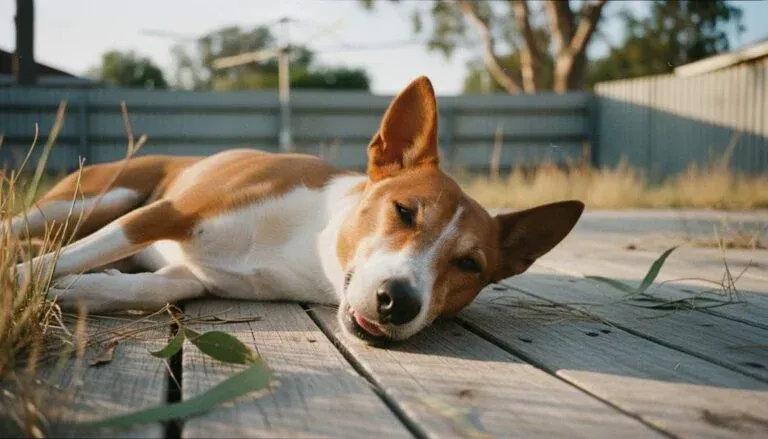
The Basenji doesn’t bark. Let’s get that out of the way immediately, because it’s the first thing everyone asks. Can a Basenji bark? Technically, their larynx is shaped differently from other dogs, so the sound that comes out is not a conventional bark. What comes out instead is a yodel — a distinctive, melodic “baroo” that sounds like someone crossed a dog with a Swiss mountaineer. They also chortle, growl, whine, and scream when truly offended. “Barkless” does not mean “silent.”
The Basenji is one of the oldest dog breeds on earth, depicted on Ancient Egyptian tombs and still found in Central African villages today. DNA sequencing has confirmed what the Egyptians already knew: this is about as close to the original domestic dog as you can get. They groom themselves like cats, come into season only once a year like wolves, and approach obedience training with the polite indifference of a teenager being asked to tidy their room.
If you want a dog that worships you, fetches on command, and lives to please, the Basenji is not your breed. If you want a dog that’s clever, independent, endlessly entertaining, and will keep you on your toes for the next 14 years — welcome. You’ve found your match.
What You’ll Learn
- Breed traits & temperament
- Health concerns to know
- True cost in Australia
- Training & exercise needs
- Is this breed right for you?
Quick Facts: Basenji at a Glance
| Breed Name | Basenji (African Barkless Dog, Congo Terrier) |
|---|---|
| Origin | Central Africa (Congo Basin region) |
| Breed Group | Hound (Sighthound / Primitive) |
| Height (Male) | 43 cm |
| Height (Female) | 40 cm |
| Weight (Male) | 11 kg |
| Weight (Female) | 9.5 kg |
| Lifespan | 12–16 years |
| Coat Type | Short, fine, sleek — very low maintenance |
| Colours | Red & white, black & white, tricolour, brindle & white |
| Temperament | Independent, intelligent, curious, alert, affectionate on their terms |
| Shedding | Very low — virtually no doggy odour, self-grooming |
| Good With Kids | Best with older children who respect boundaries |
| Good With Other Dogs | Variable — can be dominant, early socialisation essential |
| Hypoallergenic | Often recommended for allergy sufferers (low shedding, no odour) |
| Barking Level | Does not bark — makes yodels, howls, chortles instead |
| Exercise Needs | Moderate to high — daily exercise and mental stimulation |
| Suitable For | Experienced dog owners, secure-fenced homes, people who appreciate independence |
| ANKC Registered | Yes — Hound Group |
History & Origins
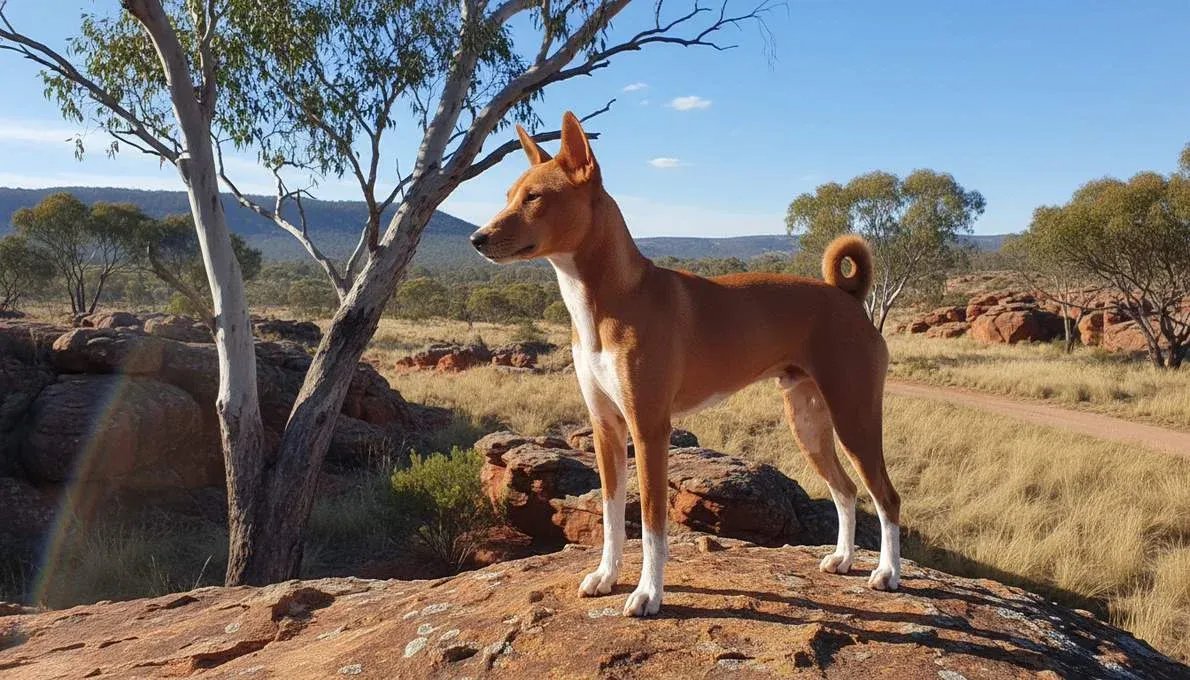
The Basenji history is ancient in the most literal sense. Dogs resembling the modern Basenji appear in Egyptian tomb art dating back over 4,000 years, and the breed’s DNA places it among the earliest divergences from the ancestral wolf-dog lineage. This isn’t a breed that was “created” by human selection in the way a Labrador or a Poodle was — the Basenji evolved through natural selection in the Congo Basin, shaped by the demands of survival rather than human preference.
In their native Central Africa, Basenjis were used by village hunters to flush small game into nets. Hunters tied gourds containing small stones around the dogs’ necks as rattles, allowing them to track the dogs through dense bush by sound. The breed’s silence — the absence of barking — was an advantage, not a novelty. A barking dog would alert prey and predators alike.
Western interest in the breed began in the 1930s, when dogs from the Congo were imported to England. The name “Basenji” means “bush thing” or “dog of the bush people,” depending on translation. They were initially called Congo Terriers. The breed was first brought to Australia in 1946 and was firmly established on the show scene by the 1960s. Further imports from Africa in the late 20th century broadened the gene pool.
Today, the Basenji retains more of its wild ancestral traits than almost any domestic breed. Like wolves and dingoes, Basenji females come into season only once per year — not twice like most domestic dogs. In Australia, all Basenji puppies are born during the winter months, typically between May and July, making this one of the few breeds with a defined “puppy season.”
Basenji Temperament & Personality
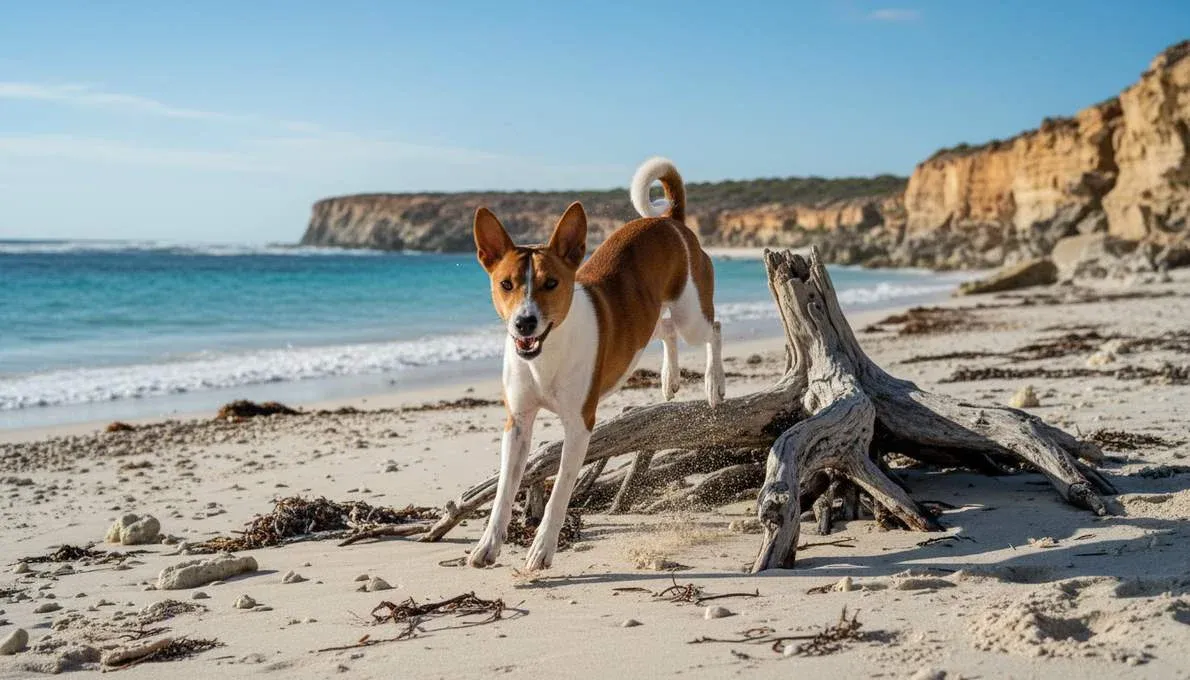
The Basenji temperament is unlike any other dog breed, and this is both its greatest appeal and the reason many people find themselves completely unprepared for ownership. The Basenji is often described as “cat-like,” and that comparison is surprisingly accurate: they groom themselves meticulously, they’re independent and selective with their affection, and they will ignore you completely if what you’re asking doesn’t align with their current priorities.
Basenji dog behaviour is driven by intelligence and curiosity. These dogs are constantly problem-solving, which sounds charming until you realise they’re problem-solving their way out of your yard, into the kitchen bin, or onto the bench to steal your lunch. Basenjis are notorious escape artists. If there’s a weakness in your fencing, they’ll find it. If there isn’t one, they’ll create one. Secure fencing is not a suggestion — it’s survival.
Are Basenjis aggressive? Not inherently, but they can be assertive and dominant with other dogs, particularly dogs of the same sex. They have a strong prey drive inherited from thousands of years of hunting, which means cats, rabbits, and other small animals are at risk unless the Basenji has been raised with them from puppyhood. Even then, trust but verify.
With their family, Basenjis are affectionate — but on their own schedule. They’ll curl up with you on the couch when they feel like it, not when you call them over. They’re loyal, alert, and form strong bonds, but they express love through proximity rather than constant tail-wagging enthusiasm. A Basenji sitting silently beside you while you read is giving you its highest compliment.
What are Basenji dogs like to live with? Entertaining, exasperating, and never boring. They’ll make you laugh every day. They’ll also make you say “how did you even get up there?” at least once a week.
Health & Genetic Conditions
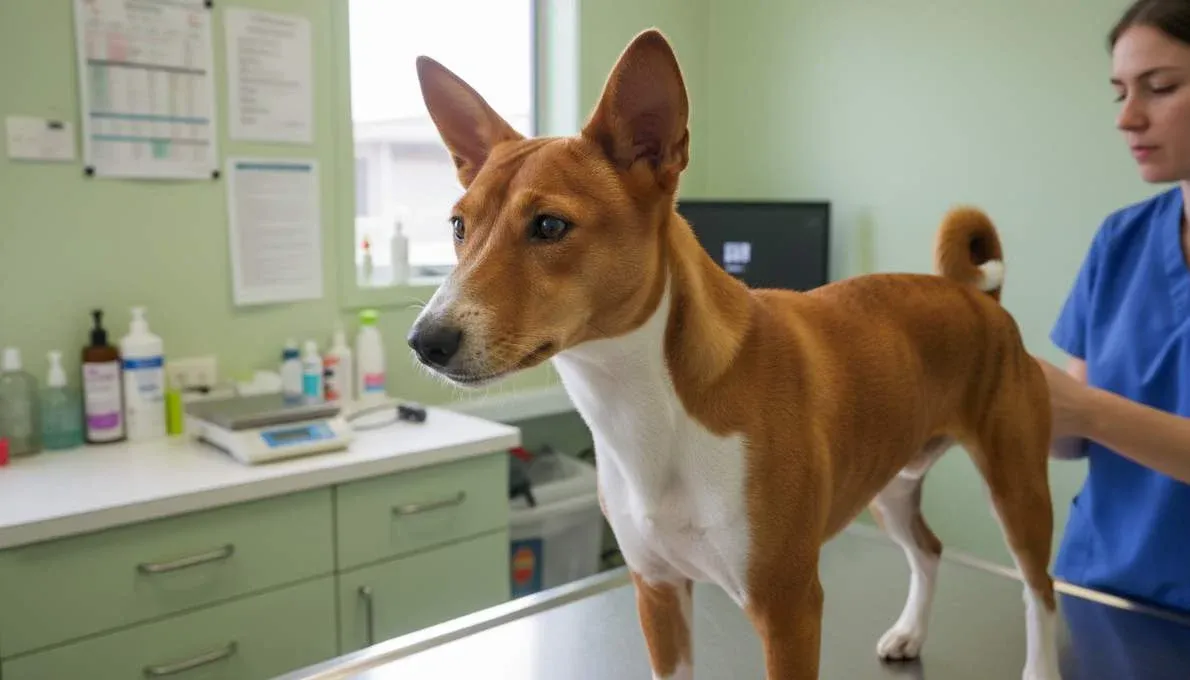
The average Australian Basenji is a healthy dog, and the breed benefits from a long history of natural selection. However, several breed-specific health conditions exist, and responsible breeders test extensively to minimise risk.
The most significant Basenji health concern. Fanconi Syndrome is an inherited kidney disorder where the kidneys fail to properly reabsorb nutrients, leading to excessive urination, thirst, weight loss, and eventually kidney failure if untreated. A DNA test is now available, and responsible breeders test all breeding stock. This single test has dramatically reduced the incidence of the disease. Ask any breeder for Fanconi test results before purchasing. Ongoing management for affected dogs costs $1,000–$3,000+ AUD per year.
An inherited eye condition causing progressive vision loss. DNA testing is available and should be performed on all breeding dogs. Affected dogs will eventually lose their sight, though they adapt remarkably well in familiar environments.
A hereditary blood disorder where red blood cells are destroyed prematurely. DNA testing has virtually eliminated this disease in well-bred lines. Ask your breeder for test results.
Basenjis can develop underactive thyroid function, causing weight gain, lethargy, and skin issues. Managed with daily medication costing $30–60 AUD per month. Note: like Azawakhs and other primitive breeds, Basenjis may have naturally lower thyroid levels, making experienced veterinary interpretation important.
Less common than in larger breeds but still documented. Reputable breeders hip-score their breeding dogs. Treatment costs range from medical management ($500–$1,500 AUD per year) to surgical intervention ($3,000–$8,000 AUD).
Budget $400–$700 AUD annually for routine vet care. The availability of DNA tests for Fanconi, PRA, and Pyruvate Kinase Deficiency means that a well-bred Basenji from a tested line should be at minimal risk for these diseases. Always ask for documented test results.
Basenji Lifespan & Longevity
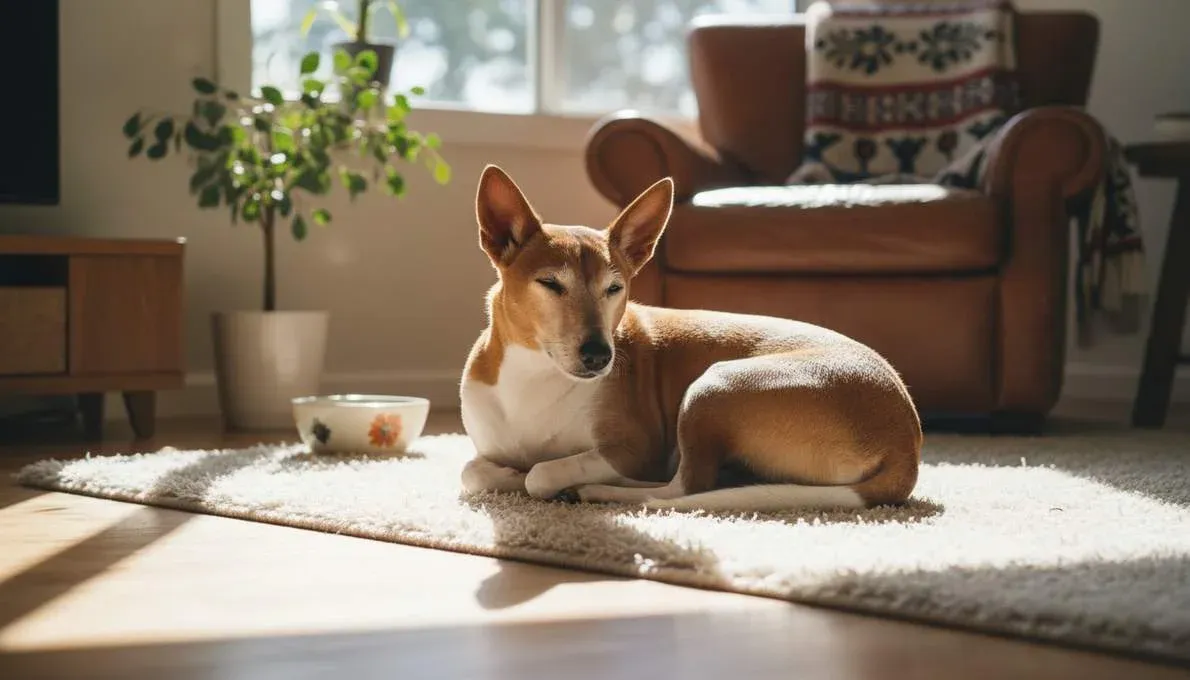
The Basenji lifespan is 12 to 16 years, which is excellent for a dog of any size and reflects the breed’s robust genetic heritage. Many Australian Basenjis live well into their mid-teens with proper care.
Factors influencing Basenji life expectancy include genetic health (buy from DNA-tested lines), weight management (Basenjis are naturally lean — don’t overfeed them), regular exercise and mental stimulation, dental care (small breed jaws are prone to dental issues), and sun protection (short coats offer limited UV protection — be mindful in Australian summers).
Basenjis tend to age gracefully, maintaining their energy and curiosity well into their senior years. A 12-year-old Basenji will still try to escape your yard — they just might take a nap halfway through the attempt.
Grooming & Care
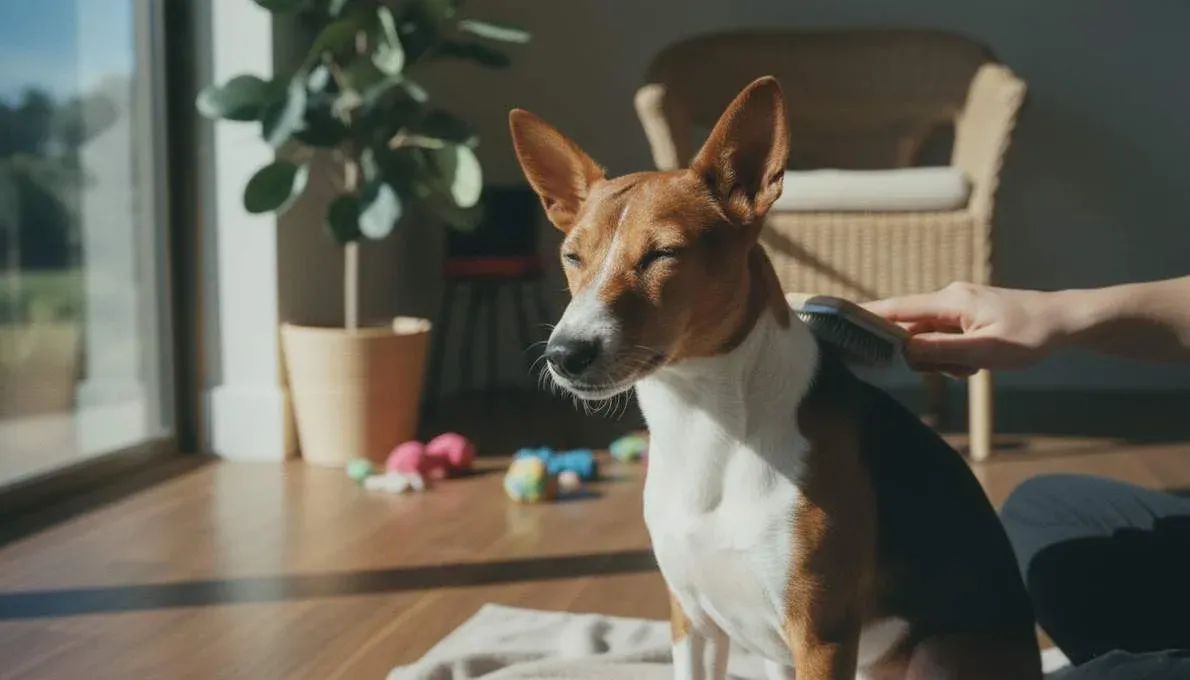
If grooming is your least favourite part of dog ownership, the Basenji is about to become your favourite breed. The Basenji grooms itself like a cat — meticulously, regularly, and without your help. They have virtually no doggy odour, their short coat sheds minimally, and they actively avoid getting dirty whenever possible.
Grooming Schedule
| Brushing | Once per week with a soft bristle brush or grooming mitt |
|---|---|
| Bathing | Rarely needed — every 2–3 months unless visibly dirty |
| Nail Trimming | Every 2–3 weeks |
| Ear Cleaning | Weekly check — erect ears stay well-ventilated |
| Teeth Brushing | 2–3 times per week (dental disease is common in small breeds) |
| Coat Odour | Virtually none — one of the least smelly dog breeds |
| Professional Grooming | Optional and rarely needed; $40–$70 AUD if desired |
Basenji colours include red and white (the most common and iconic), black and white, tricolour (black, tan, and white), and brindle and white. All-black Basenjis exist but are uncommon. Regardless of colour, the coat is uniformly short, fine, and easy to maintain.
Are Basenji dogs hypoallergenic? They’re often recommended for allergy sufferers due to their extremely low shedding and lack of doggy odour. No breed is truly hypoallergenic, but the Basenji comes closer than most.
Exercise Needs
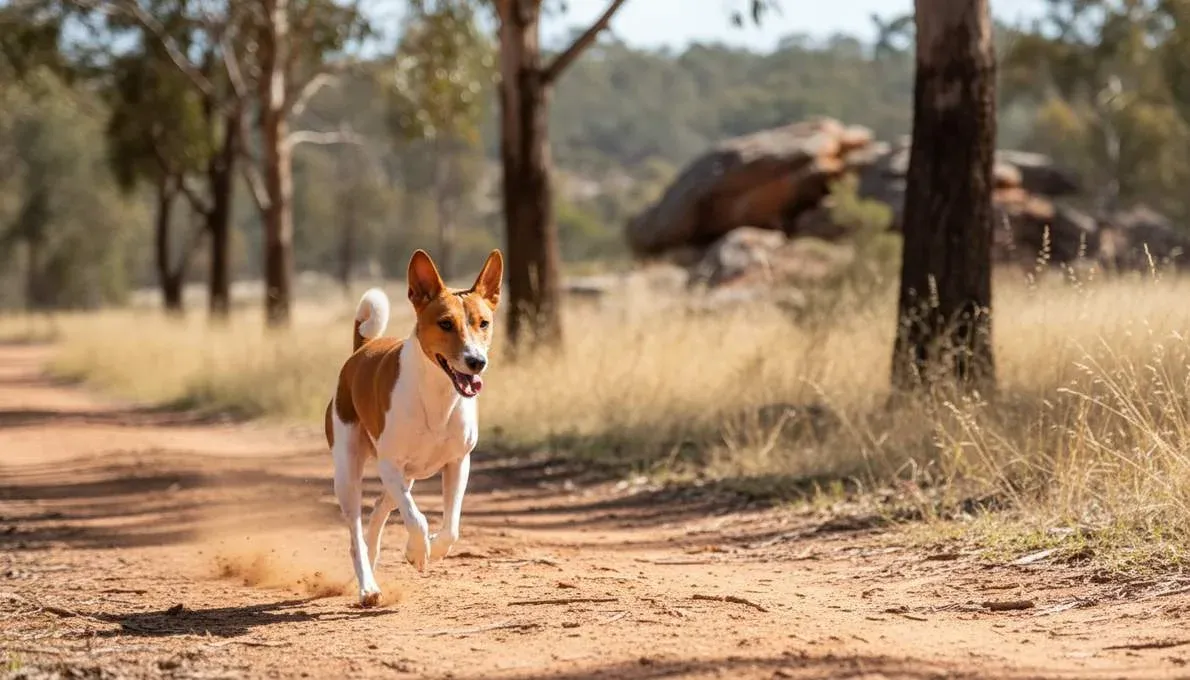
The Basenji is an athletic, active dog that needs daily exercise — but not as much as you might expect from a hound. A 30–45 minute walk plus interactive play or mental stimulation is the baseline for most adults. Basenjis are sprinters, not marathon runners — they’ll run in explosive bursts and then be content to curl up on the sunniest spot on the couch.
Lure coursing is the ideal sport for this breed. The Basenji’s prey drive makes it a natural lure courser, and several clubs operate across Australia. Canine nose work and tracking are also excellent outlets for the breed’s keen scenting ability.
Critical fencing requirement: Basenjis are legendary escape artists. They can climb chain-link fences, squeeze through gaps you didn’t know existed, and dig under barriers with impressive speed. You need secure, unclimbable fencing (minimum 1.8 m, with no footholds) and ground-level barriers to prevent digging. Never leave a Basenji unattended in an unfenced area. Their prey drive is absolute — if they see something to chase, no amount of recall training will stop them.
Are Basenjis good apartment dogs? Surprisingly, yes — if their exercise and mental stimulation needs are met. They’re quiet indoors (no barking to upset neighbours), clean, and relatively calm when adequately exercised. The challenge is providing enough outdoor activity and preventing boredom-driven destruction.
Training Your Basenji
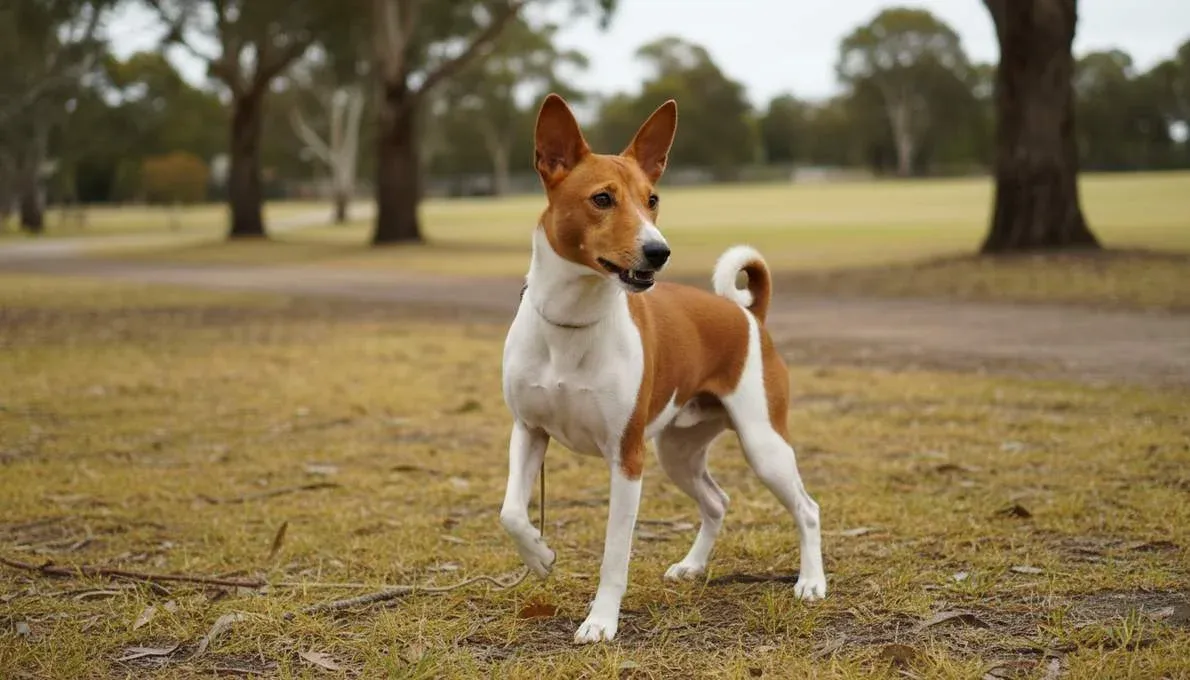
Are Basenjis easy to train? That depends entirely on your definition of “train.” If you mean “will they learn commands quickly,” yes — Basenjis are exceptionally intelligent and understand what you’re asking almost immediately. If you mean “will they reliably obey those commands,” that’s a different conversation entirely.
The Basenji approaches training as a negotiation, not a hierarchy. They’ll perform a command if they see the value in it. If the reward isn’t sufficiently motivating, or if something more interesting is happening, they’ll politely decline. This is not stubbornness in the traditional sense — it’s the independent decision-making of a primitive breed that survived for millennia by thinking for itself.
Positive reinforcement with high-value treats works best. Harsh corrections will damage your relationship permanently. Keep sessions short (5–10 minutes), varied, and end on success. Puppy school and early socialisation are strongly recommended, both for basic manners and for exposure to other dogs and people.
Socialisation & Training Timeline
| 8–12 weeks | Socialisation, name recognition, crate training, handling for vet visits |
|---|---|
| 3–6 months | Basic obedience (sit, come, stay), leash manners, recall foundation |
| 6–12 months | Impulse control, stay with distractions, escape prevention training |
| 12+ months | Ongoing reinforcement, lure coursing, nose work, trick training |
Reliable off-leash recall is extremely difficult to achieve with a Basenji. Most experienced Basenji owners accept that off-leash freedom is limited to fully fenced areas. This is a breed where management (good fencing, leashes, long lines) is as important as training.
Cost of Owning a Basenji in Australia
Basenji Price: Puppy Purchase
The Basenji dog price in Australia typically ranges from $2,500 to $4,500 AUD from a registered, health-tested breeder. The price of a Basenji reflects extensive DNA testing (Fanconi, PRA, Pyruvate Kinase), eye screening, hip scoring, and the limited annual breeding window. Because Basenjis cycle only once per year, all Australian Basenji puppies are born between May and July, and demand consistently exceeds supply.
Basenji puppies for sale in Australia are available through breeders registered with Dogs Victoria, Dogs NSW, Dogs QLD, and other ANKC member bodies. The Victorian Basenji Breed Association (VBBA) and Basenji Breed Network Australia maintain breeder directories. Expect waiting lists — contact breeders well before puppy season.
Adoption
If you want to buy or adopt a Basenji, rescue is an option but rare. The VBBA operates a Basenji rescue and adoption service, and occasional rehoming opportunities arise through breed networks. Adoption fees are typically $300–$800 AUD.
Ongoing Costs (Annual Estimates in AUD)
| Quality dog food (small/medium breed) | $800–$1,400 |
|---|---|
| Routine vet care | $400–$700 |
| Pet insurance | $400–$900 |
| Grooming supplies | $50–$100 |
| Secure fencing (install/maintenance) | $500–$2,000+ (first year) |
| Lure coursing / dog sports | $100–$400 |
| Parasite prevention | $200–$350 |
| Miscellaneous (toys, leads, enrichment) | $150–$400 |
| TOTAL ANNUAL ESTIMATE | $2,600–$6,250 |
Over a 12–16 year lifespan, the total cost of a Basenji in Australia ranges from $35,000 to $80,000+ AUD including purchase price. The breed’s good health and low grooming costs help offset the higher purchase price and fencing investment.
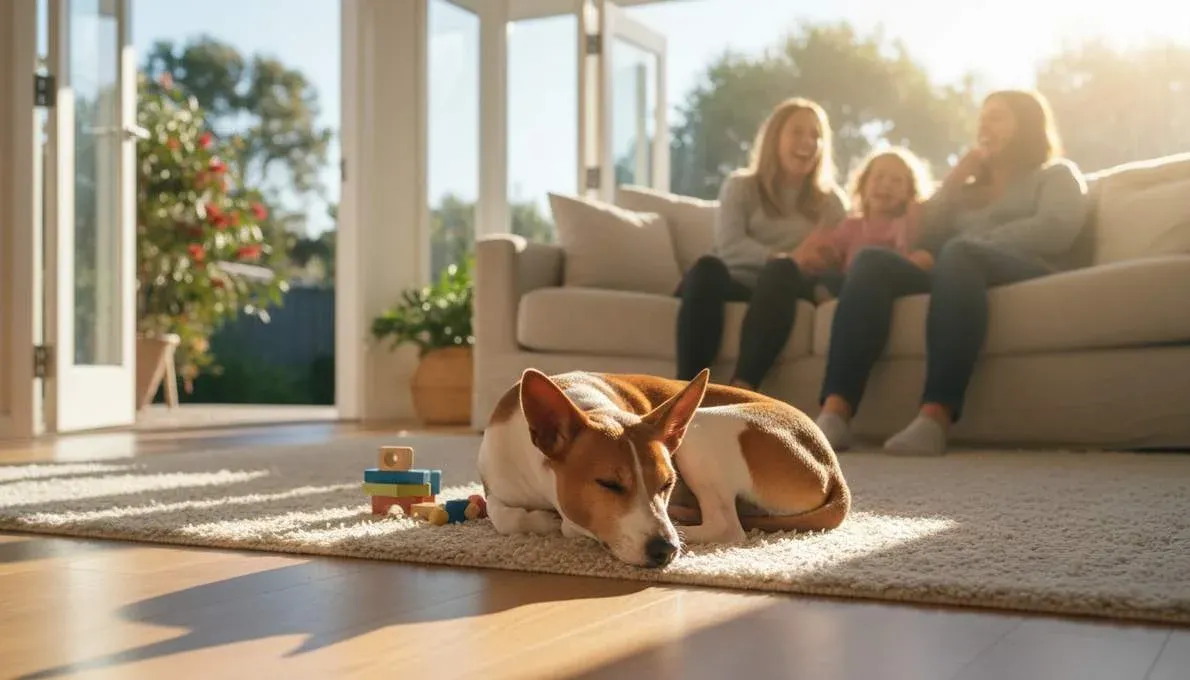
Is the Basenji Right for You?
- You appreciate an independent, intelligent dog with a mind of its own
- You have secure, escape-proof fencing (this is non-negotiable)
- You or someone in your household has allergies — low shedding and no odour help
- You live in an apartment or townhouse and need a quiet (non-barking) breed
- You enjoy puzzle toys, enrichment, and outsmarting a dog that’s trying to outsmart you
- You have experience with independent or primitive breeds
- You want a dog that comes when called reliably, every time, off-leash
- You have cats or small animals and can’t manage introductions carefully
- You expect instant obedience — Basenjis negotiate, they don’t comply
- You can’t invest in proper escape-proof fencing
- You leave your dog alone for 8+ hours daily with no stimulation
- You’re a first-time dog owner with no experience managing independent breeds
- Ancient, athletic, and brilliantly independent: The Basenji is one of the oldest and most genetically distinct dog breeds alive, and living with one is unlike any other dog ownership experience.
- Not for the faint-hearted: This breed requires experienced handling, creative problem-solving, and a sense of humour. The reward is a deeply loyal, endlessly fascinating companion.
- Health and longevity are genuine strengths: With DNA testing eliminating the worst hereditary diseases and a natural lifespan of up to 16 years, a well-bred Basenji from a responsible breeder is a sound long-term investment.
Frequently Asked Questions
Can a Basenji bark?
Not in the conventional sense. The Basenji’s larynx is shaped differently from other dogs, producing a distinctive yodel or “baroo” instead of a bark. They also chortle, growl, whine, and scream. “Barkless” means no traditional bark, not silent.
What does a Basenji sound like?
The Basenji yodel is a melodic, rising “baroo-roo-roo” sound, often made when the dog is excited or happy. They also make chortling sounds, low growls during play, and a distinctive scream when upset. The Basenji bark sound is unlike any other breed.
How much does a Basenji cost in Australia?
Basenji puppies from registered, health-tested breeders cost $2,500–$4,500 AUD. Annual ownership costs run $2,600–$6,250 AUD. Puppies are only born once a year (May–July in Australia), so expect waiting lists.
What is the Basenji temperament like?
Independent, intelligent, curious, and affectionate on their own terms. They’re often compared to cats — they groom themselves, are selective with affection, and make independent decisions. They’re loyal to their family but not blindly obedient.
Are Basenjis good apartment dogs?
Surprisingly yes, if exercised adequately. They don’t bark (ideal for apartments), are clean and odour-free, and are calm indoors when their exercise needs are met. The challenge is preventing boredom and providing enough mental stimulation.
Are Basenji dogs hypoallergenic?
They’re widely recommended for allergy sufferers due to very low shedding and virtually no doggy odour. No dog is truly 100% hypoallergenic, but Basenjis are among the best options.
What is the Basenji size?
Basenjis are small to medium dogs. Males stand about 43 cm tall and weigh around 11 kg. Females are slightly smaller at 40 cm and 9.5 kg. They’re compact, elegant, and surprisingly athletic for their size.
Are Basenjis easy to train?
They’re extremely intelligent and learn quickly, but reliable obedience is a different matter. Basenjis are independent thinkers who weigh up whether a command is worth following. Positive reinforcement, patience, and short, varied sessions work best.
What are common Basenji health problems?
The most significant breed-specific conditions are Fanconi Syndrome (kidney disorder), Progressive Retinal Atrophy (PRA), and Pyruvate Kinase Deficiency (haemolytic anaemia). DNA tests exist for all three, and responsible breeders test every breeding dog. Hypothyroidism and hip dysplasia can also occur.
Where can I find Basenji breeders in Australia?
Check the Victorian Basenji Breed Association (VBBA) breeder directory, Basenji Breed Network Australia, and DogzOnline. Breeders are active in VIC, NSW, QLD, SA, and WA. Contact breeders well before the May–July puppy season.
1. Dogs NSW – Basenji Breed Profile: https://www.dogsnsw.org.au/Breeds/browse-all-breeds/103/Basenji/
2. Tambuzi Basenjis – Basenji Breeders Victoria Australia: https://www.tambuzi.com/
3. Victorian Basenji Breed Association – Puppy Breeders Directory: http://basenji.org.au/
4. Burke’s Backyard – Basenji: https://www.burkesbackyard.com.au/fact-sheets/pets/pet-road-tests/dogs-breeds/basenji/
5. Basenji Breed Network Australia: https://www.basenjibreednetwork.org.au/
6. PetMD – Basenji Dog Breed Health and Care: https://www.petmd.com/dog/breeds/basenji
7. American Kennel Club – Basenji Breed Information: https://www.akc.org/dog-breeds/basenji/