
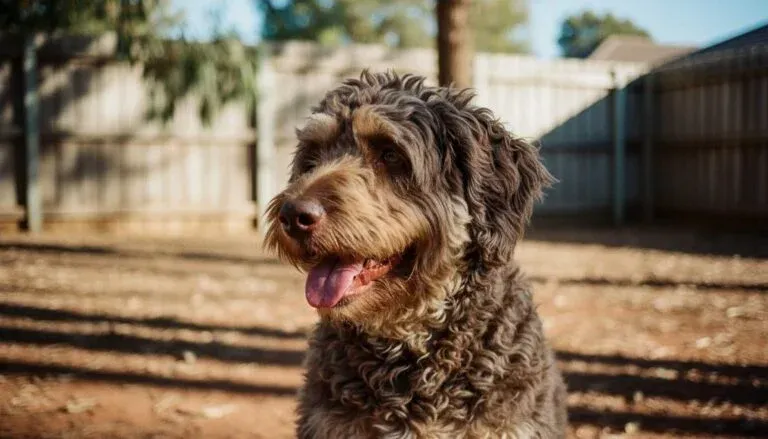
The Barbet looks like someone gave a teddy bear webbed feet and a deep love of swamp water. That curly, shaggy coat. That ridiculous beard. Those big, soulful eyes peering out from behind a fringe that would make an 80s rock band jealous. It’s impossible to look at a Barbet dog and not smile.
But underneath all that fluff is a serious working dog — a French water dog bred over centuries to plunge into freezing marshes, flush waterfowl from the reeds, and retrieve them without complaint. The 19th-century French had a saying: “muddy as a barbet.” That tells you everything about this breed’s idea of a good time.
The Barbet (pronounced “bar-BAY”) is one of the rarest dog breeds in Australia and globally. There are estimated to be only around 1,000 registered in the US, and Australian numbers are a fraction of that. If you’ve never heard of the Barbet dog breed, you’re not alone. But if you’re looking for an affectionate, intelligent, water-loving companion that doesn’t shed like a Labrador — and you don’t mind spending quality time with a slicker brush — this might be the dog you didn’t know you were looking for.
What You’ll Learn
- Breed traits & temperament
- Health concerns to know
- True cost in Australia
- Training & exercise needs
- Is this breed right for you?
Quick Facts: Barbet at a Glance
| Breed Name | Barbet (French Water Dog) |
|---|---|
| Origin | France (references from the 16th century) |
| Breed Group | Gundog / Sporting |
| Height (Male) | 53–64 cm |
| Height (Female) | 51–58 cm |
| Weight (Male) | 18–27 kg |
| Weight (Female) | 14–23 kg |
| Lifespan | 12–15 years |
| Coat Type | Long, dense, curly/woolly — continuously growing (hair, not fur) |
| Colours | Black, brown, fawn, grey, white, parti-colour (various combinations) |
| Temperament | Affectionate, playful, intelligent, loyal, goofy |
| Shedding | Very low — hair sheds in tufts during brushing, not all over furniture |
| Good With Kids | Yes — gentle, playful, and patient |
| Good With Other Dogs | Yes — sociable with proper introduction |
| Hypoallergenic | Yes — considered one of the better breeds for allergy sufferers |
| Barking Level | Low to moderate — will alert bark, not a nuisance barker |
| Exercise Needs | Moderate to high — loves swimming, daily walks, and active play |
| Suitable For | Active families, allergy households, water sport enthusiasts, first-time owners willing to commit to grooming |
| ANKC Registered | Yes — Gundog Group |
History & Origins
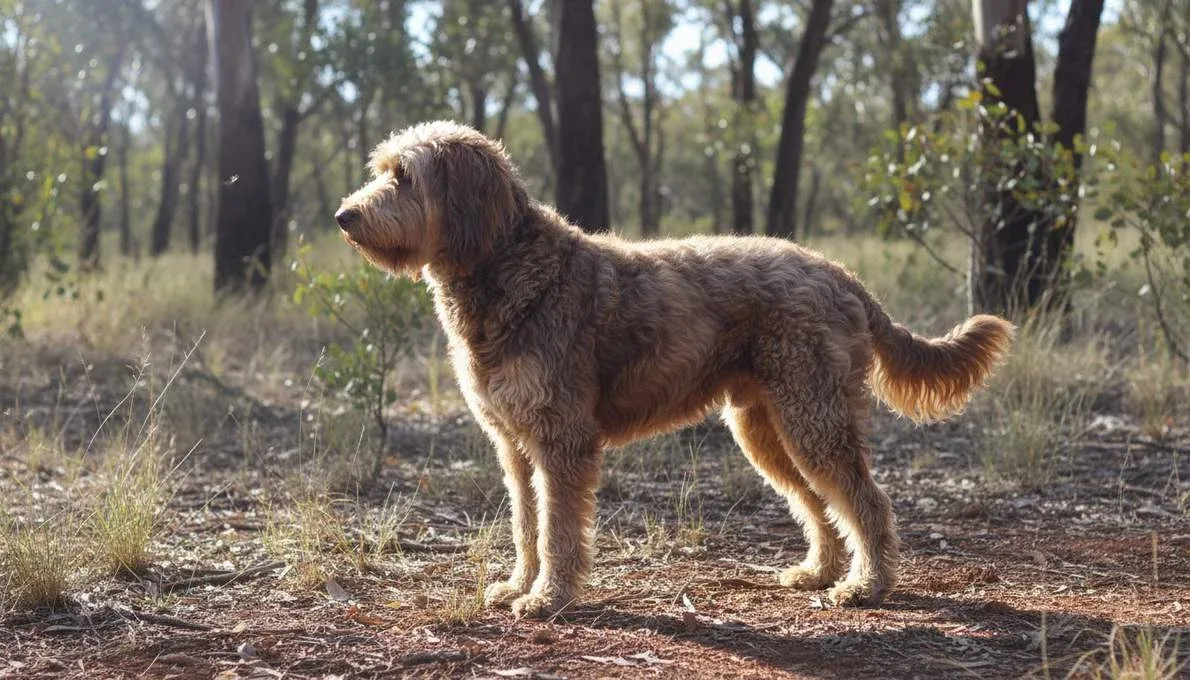
The Barbet dog history reaches back to at least the 16th century, with references in French literature and artwork depicting curly-coated water dogs used for fowling in the marshes and wetlands of France. The name comes from the French word “barbe,” meaning “beard” — a fitting description for a dog whose facial hair would put most hipsters to shame.
The Barbet’s working role was straightforward and demanding: plunge into icy, muddy water to flush and retrieve ducks, geese, and other waterfowl. Their thick, woolly, water-resistant coat and webbed paws made them perfectly suited to the job. They were the original French water dog, and their genetics likely contributed to the development of several modern breeds including the Poodle, the Bichon Frise, the Briard, and possibly even the Newfoundland.
For nearly a century, Barbets and Poodles were considered the same breed in France. The two diverged as the Poodle was refined for show and salon life while the Barbet stayed in the marshes. One became a fashion icon. The other stayed gloriously muddy.
The breed nearly vanished after both World Wars, and modern Barbets are essentially a reconstruction from a very small gene pool. French breeders revived the breed from the 1970s onwards, and a breed club formed in France in 1980. The first Barbet arrived in the US in 1994, and the AKC granted full recognition in 2020. In Australia, the Barbet is registered with the ANKC under the Gundog Group, but it remains extremely rare. Barbet dog breeders in Australia are few, and litters are infrequent.

Barbet Temperament & Personality
The Barbet dog temperament is the reason people fall in love with this breed and never look back. Owners consistently describe Barbets with the same words: goofy, loving, loyal, clownish, and velcro. This is a dog that wants to be wherever you are, doing whatever you’re doing, preferably while also being slightly damp.
Barbets are remarkably people-oriented. They bond deeply with their family and are genuinely happiest when included in daily activities. Left alone for long periods, they can develop separation anxiety — this is not a breed you can leave in the backyard while you work a 10-hour day. They need companionship as much as they need exercise.
With children, the Barbet is patient, gentle, and playful. They’re one of the better breeds for families with kids of all ages, though as with any medium-sized dog, supervision around toddlers is sensible. Barbets generally get along well with other dogs and, when properly introduced, can live happily with cats. However, they were bred to flush birds, so pet parakeets and the family Barbet may not be the best combination.
Barbets are intelligent and eager to learn, which makes them relatively easy to train compared to many other breeds. They respond beautifully to positive reinforcement and enjoy the mental stimulation of learning new tasks. However, they can get bored with repetitive drills — keep training sessions short, varied, and fun. Harsh training methods will cause a Barbet to shut down. These are sensitive dogs that read your emotions and take them personally.
One trait that surprises new Barbet owners: they’re calm indoors. Once exercised, a Barbet is content to flop on the couch beside you and doze. They’re not hyperactive house wreckers. The key word there is “once exercised” — skip the walk, and you’ll discover that a bored Barbet has very creative ideas about interior decorating.

Health & Genetic Conditions
The Barbet is generally a healthy breed with a lifespan of 12–15 years, which is excellent for a dog of this size. The breed’s rarity means the gene pool is small, and responsible breeding practices are particularly important. A 2013 French study found a coefficient of inbreeding of 9.1% in Barbets, which is notably higher than average, so genetic diversity is an ongoing concern.
Developmental conditions where joints don’t form properly, leading to arthritis and pain over time. Reputable Barbet dog breeders will have hip and elbow scores for breeding dogs. Surgical management ranges from $3,000–$8,000 AUD depending on severity.
An inherited eye condition causing gradual vision loss and eventual blindness. There’s no cure, but genetic testing can identify carriers. Always ask your breeder about PRA screening.
Seizures have been documented in the breed. Management with medication costs $500–$1,500 AUD per year. Early diagnosis and consistent treatment allow most affected dogs to live normal lives.
This is the most common Barbet health issue. Floppy, hair-covered ears combined with a love of water create ideal conditions for chronic ear infections. Prevention involves regular ear cleaning, plucking excess ear hair, and thoroughly drying ears after swimming. Treatment for established infections runs $100–$400 AUD per episode.
Some Barbets develop skin or food allergies, manifesting as itching, redness, and recurring ear issues. Management may involve special diets, medicated shampoos, and ongoing veterinary care, with annual costs of $500–$2,000 AUD for significant allergy cases.
Budget $400–$800 AUD annually for routine vet care, plus a contingency fund. Pet insurance is recommended, and premiums for the Barbet are typically moderate given the breed’s overall good health profile.

Barbet Dog Lifespan & Longevity
The Barbet dog lifespan is 12 to 15 years, with many dogs living comfortably into their early teens. This is a genuinely long-lived breed for its size, and it reflects the careful breeding practices of the small community of dedicated Barbet breeders worldwide.
Key factors in Barbet longevity include weight management (they’re food-motivated and can gain weight if overfed), regular exercise (particularly swimming, which is gentle on joints), ear care (preventing chronic infections that can affect quality of life), dental health (regular brushing is important), and mental stimulation (a bored Barbet is a stressed Barbet, and chronic stress affects lifespan).
Barbets tend to age gracefully. They slow down gradually rather than dramatically, and many remain playful and active well into their senior years. Joint supplements from around age 7–8 can help maintain mobility.
Grooming & Care
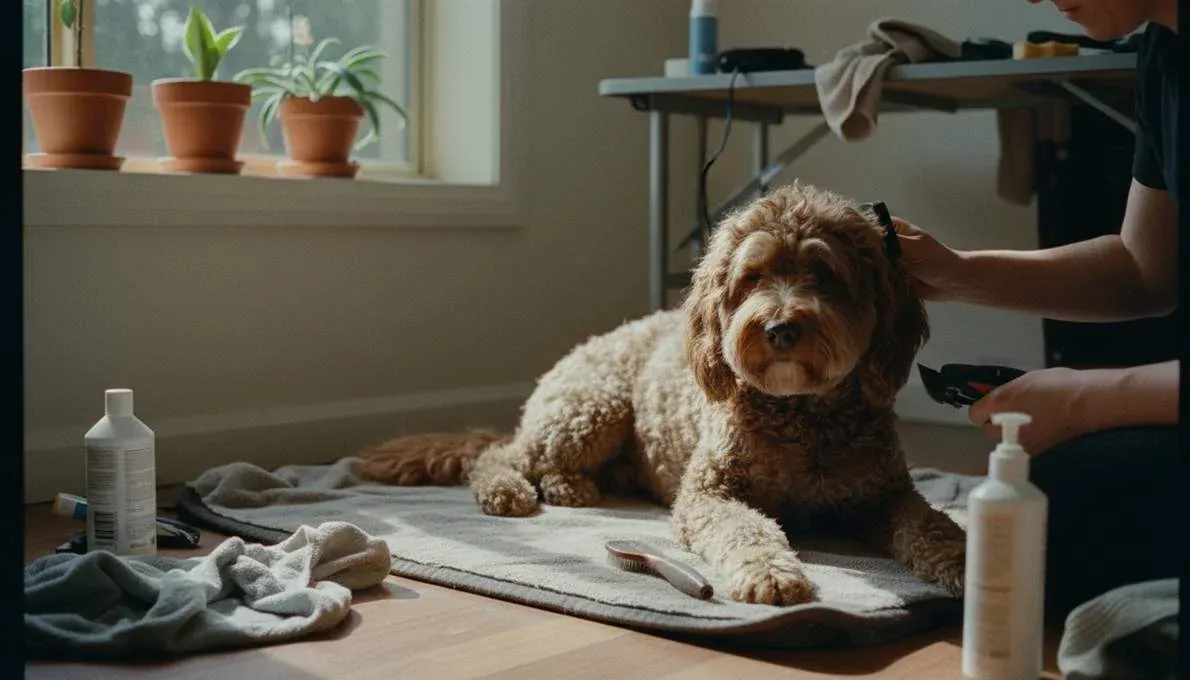
This is where the Barbet demands a serious commitment. The Barbet Club of America puts it perfectly: “The non-shedding hair in no way means no grooming. It means more.”
Do Barbet dogs shed? Technically, yes — all dogs shed to some degree. But the Barbet has hair, not fur, and it sheds in tufts that stay trapped in the coat rather than falling on your furniture. This is what makes the Barbet dog hypoallergenic (or as close to hypoallergenic as any breed can be). The trade-off is that all that trapped hair creates mats if you don’t brush it out regularly.
Grooming Schedule
| Brushing | 2–3 times per week minimum, right down to the skin with a slicker or pin brush |
|---|---|
| Mat Checks | Daily — especially behind ears, under legs, and around collar area |
| Bathing | Every 4–6 weeks. Blow dry, trim, re-wet, and air-dry to restore curls. |
| Coat Trimming | Every 6–8 weeks; trim to 8–13 cm to show body shape |
| Ear Care | Weekly plucking of excess ear hair + cleaning. Critical for this breed. |
| Nail Trimming | Every 2–3 weeks (nails grow quickly) |
| Teeth Brushing | Every 1–2 days ideally |
| Professional Grooming | $80–$150 AUD per session; every 6–8 weeks recommended |
Barbet dog colours include black, brown, fawn, grey, white, and various parti-colour combinations. Black Barbets are the most commonly seen in show rings, but all colours require the same grooming commitment. Some owners opt for a shorter all-over clip to reduce maintenance, which is perfectly fine for pet Barbets.
One thing nobody warns you about: after your Barbet swims (and it will swim, in any body of water it can find, regardless of your plans), you need to dry and brush the coat thoroughly. Swimming accelerates matting dramatically. If your Barbet swims daily, your grooming schedule doubles.

Exercise Needs
The Barbet is an active sporting dog that needs moderate to high amounts of daily exercise. A 30–45 minute walk plus 15–20 minutes of active play is the minimum. But the Barbet’s favourite exercise, by far, is swimming. These dogs have webbed paws and a water-resistant coat specifically designed for aquatic work, and most Barbets will dive into any water they can find — lakes, rivers, the ocean, mud puddles, your child’s wading pool, or the dog water bowl if nothing else is available.
Dock diving, retrieval games from water, and general beach or lake outings are the Barbet’s idea of paradise. If you live near water and enjoy an active lifestyle, the Barbet is a phenomenal companion. They also enjoy agility, fetch, and interactive toys.
Australian climate note: The Barbet’s thick, woolly coat makes them more prone to overheating than many breeds. They handle cold weather brilliantly but Australian summers require caution. Avoid midday exercise in warm months, ensure access to shade and fresh water at all times, and consider a shorter coat clip during summer. Early morning swims are the ideal warm-weather exercise for this breed.
Can a Barbet live in an apartment? With commitment, yes. They’re calm indoors once exercised and are not excessive barkers. But you need to provide reliable daily exercise and mental stimulation — a bored, under-exercised Barbet in a flat will find destructive ways to entertain itself.
Training Your Barbet
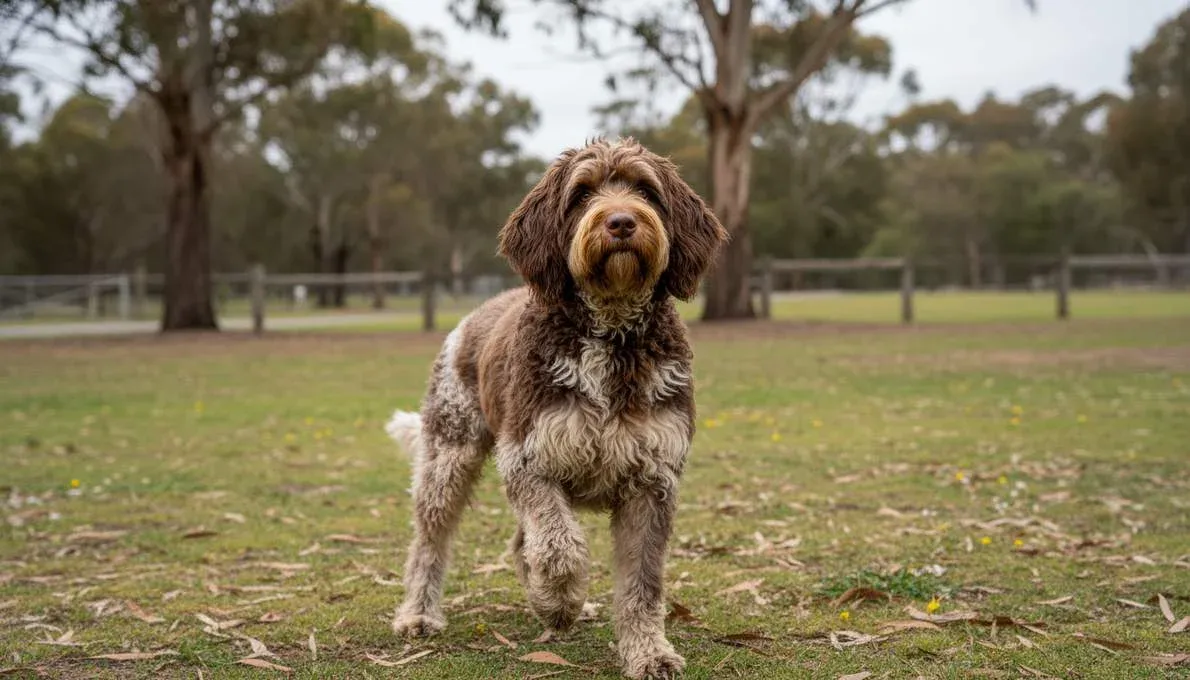
Training a Barbet is, compared to many breeds, a pleasure. They’re intelligent, eager to please, and food-motivated. They learn new commands quickly and generally enjoy training sessions — as long as those sessions are kept interesting.
The Barbet’s weak spot is repetition. Ask a Barbet to sit-stay twenty times in a row and you’ll watch the enthusiasm drain from its eyes somewhere around rep number seven. They’re clever enough to know they’ve already proven they can do it, so why keep demonstrating? Keep sessions to 10–15 minutes, vary the exercises, and end on a high note.
Positive reinforcement is the only effective approach. Barbets are sensitive dogs that are deeply attuned to their owner’s mood. Raised voices or harsh corrections will shut them down or create anxiety. Treats, praise, and play are your training currency.
Socialisation & Training Timeline
| 8–12 weeks | Socialisation, handling, name recognition, grooming desensitisation (start early!) |
|---|---|
| 3–6 months | Basic obedience (sit, stay, come), water introduction, leash manners |
| 6–12 months | Recall, stay duration, retrieval games, swimming confidence |
| 12+ months | Sporting activities (dock diving, agility), advanced obedience, ongoing social exposure |
Early socialisation is important for all dogs, but especially for Barbets. While naturally friendly, they can be reserved in new situations, and early positive exposure to a wide range of people, animals, and environments builds the confident, sociable adult you want.
Cost of Owning a Barbet in Australia
Barbet Dog Price: Puppy Purchase
The Barbet dog price in Australia reflects the breed’s extreme rarity. Expect to pay $4,000–$7,000+ AUD for a Barbet puppy from a registered breeder, with imported dogs or puppies from tested international lines sitting at the higher end. Barbet dog breeders in Australia are very few, and most maintain strict waiting lists of 12–24 months.
If you’re searching for a Barbet dog for sale in Australia, start by contacting the ANKC and breed-specific groups. Be extremely wary of online listings offering cheap Barbet puppies with no registration papers or health testing documentation — at this price point, scams are a real concern.
Adoption & Rescue
Barbet dog rescue opportunities in Australia are essentially non-existent due to the breed’s rarity. Internationally, the Barbet Club of America occasionally assists with rehoming, but importing a rescue involves quarantine logistics. A registered Australian breeder is the most realistic path to owning this breed.
Ongoing Costs (Annual Estimates in AUD)
| Premium dog food (medium breed) | $1,000–$1,800 |
|---|---|
| Professional grooming (every 6–8 weeks) | $600–$1,200 |
| Routine vet care | $400–$800 |
| Pet insurance | $500–$1,000 |
| Grooming supplies (brushes, shampoo, ear care) | $150–$350 |
| Training / puppy school | $200–$600 (first year) |
| Parasite prevention | $200–$350 |
| Miscellaneous (toys, leads, bedding) | $150–$400 |
| TOTAL ANNUAL ESTIMATE | $3,200–$6,500 |
Over a 12–15 year lifespan, the total cost of owning a Barbet in Australia comes to approximately $45,000–$100,000+ AUD including the purchase price. The grooming commitment — both in time and money — is the ongoing cost that catches new owners off guard.

Is the Barbet Dog Right for You?
- You want an affectionate, loyal companion that’s great with kids and other dogs
- You’re committed to regular grooming (or happy to pay a professional every 6–8 weeks)
- You love water activities — swimming, beach trips, lake outings
- Someone in your household has allergies and you need a low-shedding breed
- You’re home frequently and can provide the companionship this breed craves
- You enjoy training and want a dog that’s responsive and eager to learn
- You want a low-maintenance coat (the Barbet is the opposite of low-maintenance grooming)
- You’re away from home for long periods — separation anxiety is a real risk
- You can’t handle mud, wet dog smell, and twigs embedded in curly fur on a regular basis
- You want a guard dog or an imposing deterrent — Barbets are friendly to everyone
- You live in a hot climate with no air conditioning and limited access to water for swimming
- You’re not prepared for a 12–24 month wait and a significant purchase price
If you’re comparing the Barbet vs Portuguese Water Dog, the two breeds share water-loving heritage and curly coats, but the Portuguese Water Dog is more widely available, more independent, and slightly more assertive. The Barbet is gentler, goofier, and more of a velcro dog. Comparing the Barbet vs Spanish Water Dog, the Spanish version is more intense and driven, with stronger herding instincts and less of the Barbet’s easy-going nature.
- The ultimate water-loving family dog: If your family is active, near water, and wants a loyal, gentle companion that doesn’t leave hair on every surface, the Barbet is hard to fault.
- Grooming is the real commitment: The coat is magnificent but demanding. You need to go in knowing that 2–3 brushing sessions per week, regular professional grooming, and post-swim detangling are non-negotiable.
- Rare, rewarding, and worth the wait: Finding a Barbet in Australia takes patience. Owners who make the effort describe it as one of the most rewarding, joyful, and genuinely funny breeds they’ve ever lived with.
Frequently Asked Questions
What is a Barbet dog?
The Barbet is a rare French water dog breed dating back to the 16th century. Originally bred to flush and retrieve waterfowl from marshes, the Barbet is now primarily a companion dog prized for its affectionate temperament, curly hypoallergenic coat, and love of water. The name comes from “barbe,” the French word for “beard.”
Is the Barbet dog hypoallergenic?
Yes, the Barbet is considered one of the better breeds for allergy sufferers. It has hair, not fur, which sheds very little and drops in tufts during grooming rather than all over your home. No breed is 100% hypoallergenic, but the Barbet is as close as most people can get.
How much does a Barbet dog cost in Australia?
Expect to pay $4,000–$7,000+ AUD for a Barbet puppy from a registered breeder. The breed is extremely rare in Australia with very few breeders. Waiting lists of 12–24 months are standard. Annual ownership costs run $3,200–$6,500 AUD.
What is the Barbet dog lifespan?
The Barbet dog lifespan is 12–15 years, which is excellent for a medium-sized breed. Careful weight management, regular exercise (especially swimming), and consistent grooming contribute to long, healthy lives.
Do Barbet dogs shed?
Very little. Barbets have continuously growing hair rather than fur, so they don’t shed in the traditional sense. Loose hair stays trapped in the coat and comes out during brushing. This low shedding is what makes them suitable for allergy households — but it also means regular grooming is essential to prevent matting.
What is the Barbet dog size?
Male Barbets stand 53–64 cm tall and weigh 18–27 kg. Females are slightly smaller at 51–58 cm and 14–23 kg. They’re a solid, medium-sized dog with a sturdy frame beneath all that curly hair.
Barbet vs Portuguese Water Dog — what’s the difference?
Both are curly-coated water dogs, but the Portuguese Water Dog is more independent, more assertive, and significantly more available. The Barbet is softer in temperament, more people-focused, and rarer. The Barbet’s coat is generally woolier and requires more grooming maintenance.
Are Barbet dogs good with children?
Yes. Barbets are gentle, patient, and playful with children of all ages. They’re one of the better rare breeds for families. Supervision around very young children is always wise, as with any medium-sized dog.
What are common Barbet health problems?
The most common issues are ear infections (due to floppy, hair-covered ears and a love of water), hip and elbow dysplasia, progressive retinal atrophy (PRA), epilepsy, and allergies. Overall, the breed is considered healthy for its size.
Where can I find Barbet dog breeders in Australia?
Start with the ANKC and search for registered breeders in the Gundog Group. Barbet dog breeders in Australia are very few, so you may also need to explore import options from France, the UK, or North America. Always verify health testing and registration before purchasing.
1. American Kennel Club – Barbet Breed Information: https://www.akc.org/dog-breeds/barbet/
2. Wikipedia – Barbet (dog breed): https://en.wikipedia.org/wiki/Barbet_(dog_breed)
3. Barbet Club of America – Frequently Asked Questions: https://www.barbetclubofamerica.com/frequently-asked-questions
4. PetMD – Barbet Dog Breed Health and Care: https://www.petmd.com/dog/breeds/barbet
5. Wisdom Panel – Barbet Facts: https://www.wisdompanel.com/en-us/dog-breeds/barbet
6. WebMD – Learn About Barbets: https://www.webmd.com/pets/dogs/what-to-know-about-barbets
7. Wag! – Barbet Characteristics & Care: https://wagwalking.com/breed/barbet