
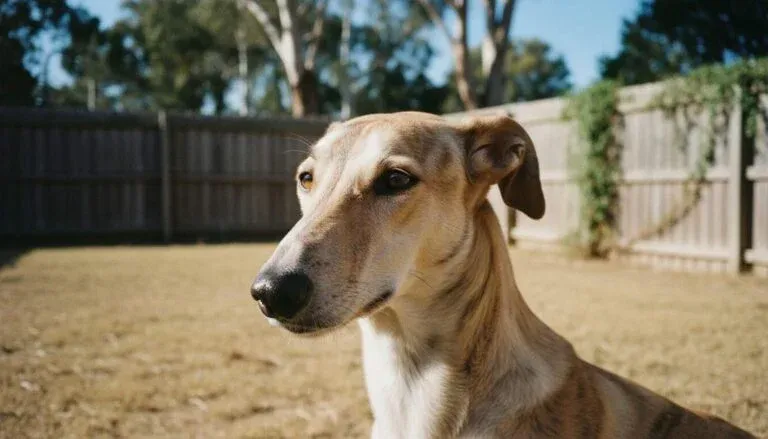
Most people see an Azawakh for the first time and think the same thing: “Is that dog okay?” The visible ribs, the prominent hip bones, the impossibly lean frame — it looks like a greyhound that skipped a few meals. But that’s exactly how this breed is supposed to look. The Azawakh is built for the Sahara, not for a suburban dog park, and every angle of its body reflects thousands of years of survival in one of the harshest landscapes on earth.
Pronounced “OZ-uh-wok,” this West African sighthound is one of the rarest dog breeds in Australia — and one of the most misunderstood. The Azawakh is not a greyhound, not a whippet, and definitely not a dog that will greet your dinner guests with a wagging tail. It’s a fiercely loyal, deeply independent, and strikingly beautiful animal that bonds intensely with its family and views everyone else with polite suspicion.
If you want a dog that thinks for itself, runs like the wind, and treats your household like its personal tribe, keep reading. If you want a dog that loves everyone it meets, this isn’t your breed.
What You’ll Learn
- Breed traits & temperament
- Health concerns to know
- True cost in Australia
- Training & exercise needs
- Is this breed right for you?
Quick Facts: Azawakh at a Glance
| Attribute | Details |
|---|---|
| Breed Name | Azawakh (also called Tuareg Sloughi, Idi n’ Illeli) |
| Origin | Sahel region, West Africa (Mali, Niger, Burkina Faso) |
| Breed Group | Hound (Sighthound) |
| Height (Male) | 64–74 cm |
| Height (Female) | 60–70 cm |
| Weight (Male) | 20–25 kg |
| Weight (Female) | 15–20 kg |
| Lifespan | 10–15 years |
| Coat Type | Short, fine, close-lying (can be nearly absent on belly) |
| Colours | Fawn, red, sand, brindle, blue, black, brown, parti-colour, white |
| Temperament | Loyal, reserved, independent, protective, affectionate with family |
| Shedding | Low — minimal grooming needed |
| Good With Kids | Best with older children who respect boundaries |
| Good With Other Dogs | Selective; best raised with them. Strong prey drive toward small animals. |
| Hypoallergenic | Not officially, but very low shedding |
| Barking Level | Low — generally quiet indoors |
| Exercise Needs | High — daily running or vigorous exercise essential |
| Suitable For | Experienced sighthound owners, rural or suburban with secure fencing |
| ANKC Registered | Yes — Hound Group |
History & Origins of the Azawakh
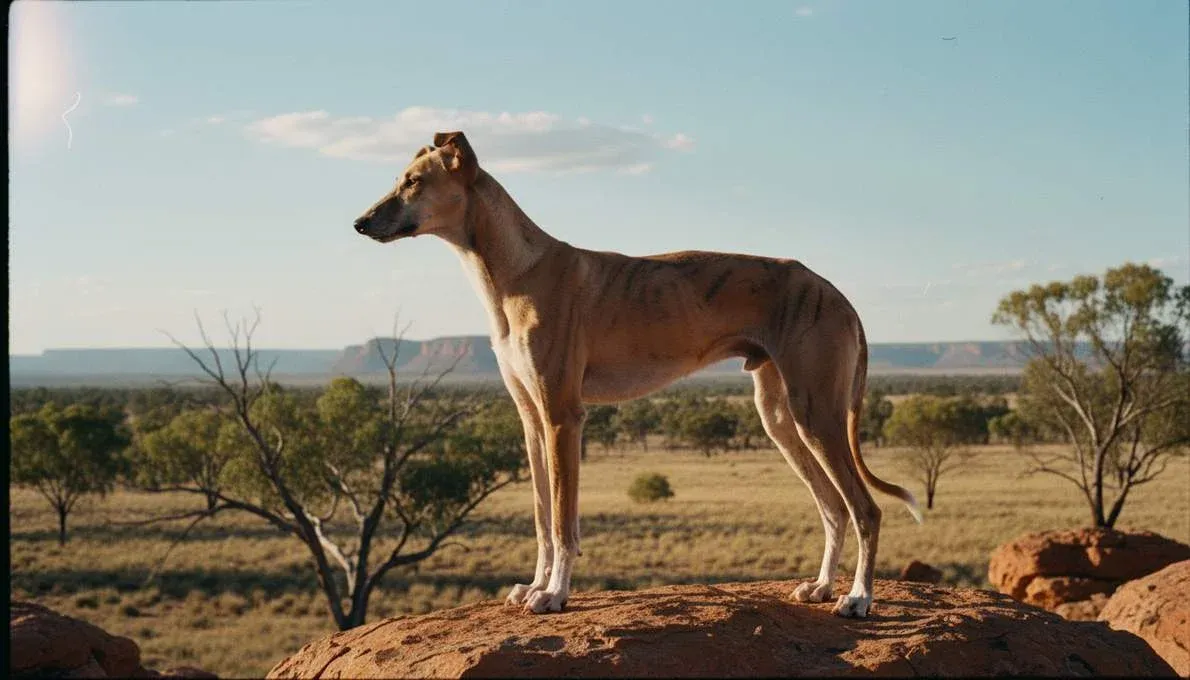
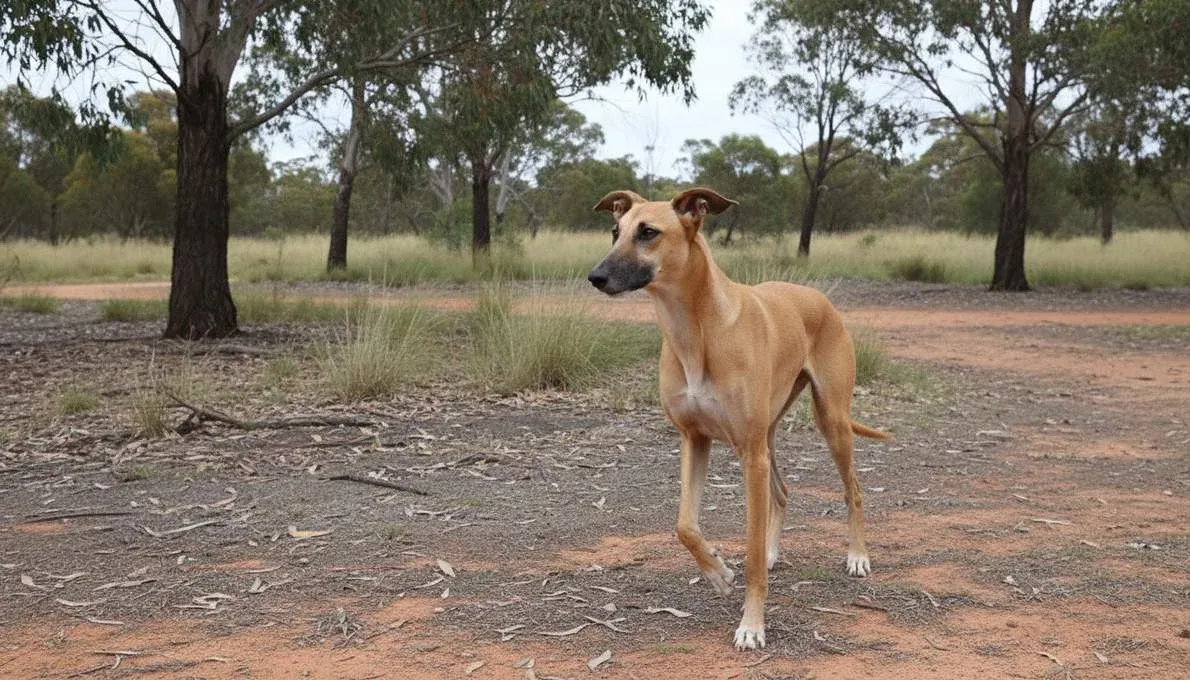
The Azawakh history stretches back thousands of years to the Sahel region of West Africa — the semi-arid band just south of the Sahara Desert that spans modern-day Mali, Niger, and Burkina Faso. The Tuareg nomads, along with other pastoralist peoples of the region, developed this sighthound as a multi-purpose dog: hunter of antelope and wild boar, guardian of the camp, and devoted companion.
The Tuareg called them “idi n’ illeli” — “sighthound of the free people.” That name tells you everything about this breed’s character. These were not kennel dogs. They lived alongside their people, slept in the tents, and were considered members of the family. The Azawakh’s deep loyalty and strong bond with its owner is not trained behaviour — it’s been bred in over millennia.
The breed remained virtually unknown outside Africa until the 1970s, when European enthusiasts began importing dogs from the Sahel. The first Azawakh arrived in Europe via France, and the FCI officially recognised the breed in 1981. The AKC granted full recognition in 2019, making the Azawakh one of the newest breeds in its registry. In Australia, the Azawakh is registered with the ANKC under the Hound Group, but it remains extremely rare. Finding Azawakh breeders in Australia requires patience — there are very few, and litters are infrequent.
One thing worth noting about the Azawakh origin: unlike most Western sighthounds (greyhounds, whippets, salukis), the Azawakh was developed as much for guarding as for hunting. This dual purpose gives the breed a territorial, protective streak that’s unusual in the sighthound family — and it’s the single most important thing to understand before you bring one home.
Azawakh Temperament & Personality
The Azawakh temperament is a study in contrasts. With its family, this dog is affectionate, gentle, and deeply bonded — almost clingy. Azawakhs will follow their person from room to room, lean against them on the couch, and sleep touching them at night. The bond they form is intense and personal, often centred on one or two people rather than the whole household.
With strangers, the Azawakh personality shifts dramatically. They’re reserved, watchful, and slow to warm up. This isn’t shyness — it’s assessment. The Azawakh is reading every new person who walks into your home, deciding whether they’re a threat or merely uninteresting. Most Azawakhs will simply ignore strangers. Some will bark a warning. Genuine aggression is rare, but territorial behaviour is not.
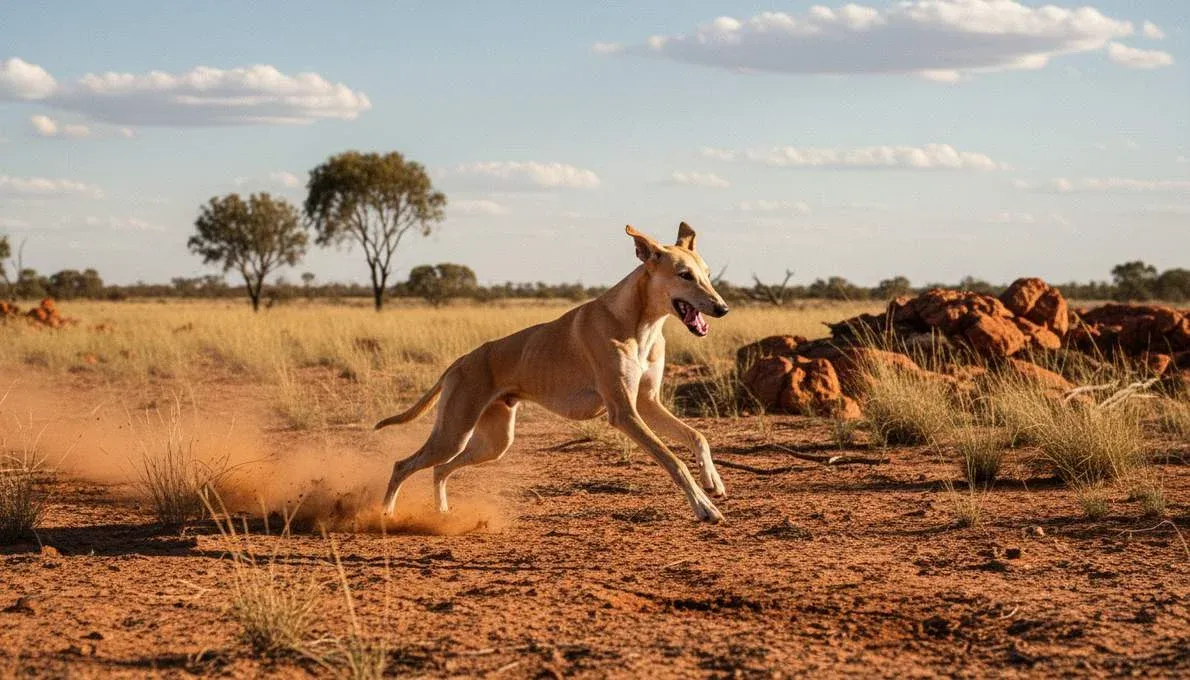
This is what separates the Azawakh from a greyhound or a whippet. Those breeds are generally friendly and social with everyone. The Azawakh is a sighthound with a guardian’s mindset. They’ll sprint after a rabbit at 60 km/h and then position themselves between you and an unfamiliar visitor five minutes later. It’s this combination of speed and protectiveness that made them indispensable to the Tuareg.
Are Azawakhs quiet indoors? Generally yes. They’re not excessive barkers. Once their exercise needs are met, they’re content to lounge on the couch (or, more accurately, on the most comfortable piece of furniture they can find). They have an almost cat-like quality indoors — elegant, quiet, and particular about comfort.
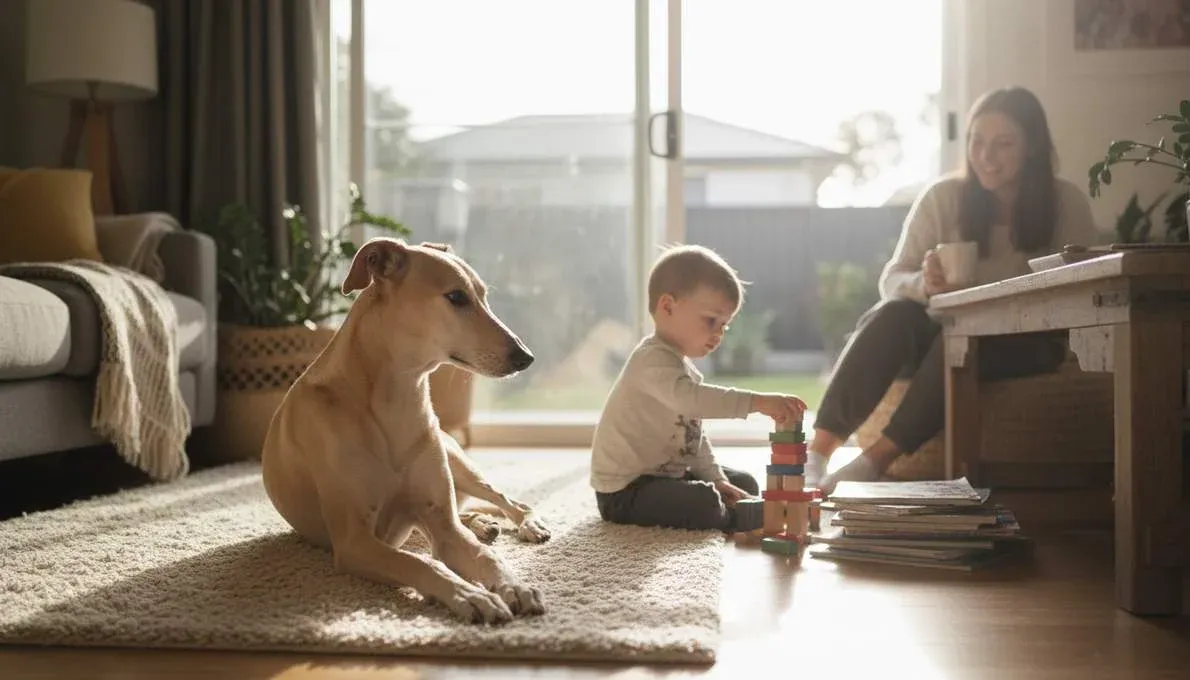
Are Azawakhs good family dogs? For the right family, absolutely. That means a calm, experienced household where the dog’s independence is respected. Azawakhs do best with older children who understand not to roughhouse with a dog that has thin skin (literally — sighthound skin is delicate), strong personal boundaries, and a prey drive that makes them unreliable around cats, rabbits, and other small animals unless raised together from puppyhood.
Health & Genetic Conditions
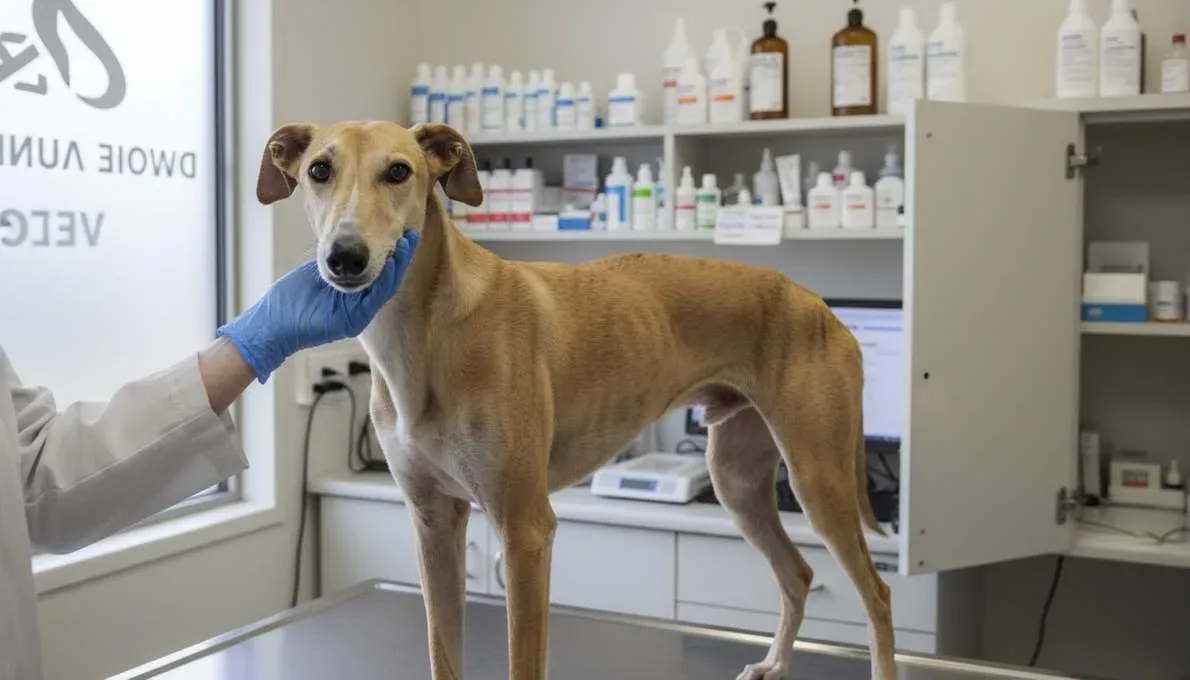
The Azawakh is considered a generally healthy breed — a benefit of its long history as a working landrace rather than a show dog bred for extreme physical traits. That said, Azawakh health problems do exist, and some require breed-specific knowledge that your average suburban vet may not have.
Azawakhs naturally produce lower thyroid hormone levels than most breeds, which can lead to misdiagnosis. A thyroid reading that looks “low” for a Labrador may be completely normal for an Azawakh. It’s essential to work with a vet experienced in sighthound health. True hypothyroidism causes weight gain, lethargy, and skin problems, and is managed with daily medication costing approximately $30–60 AUD per month.
Seizures have been noted in the breed, sometimes linked to thyroid dysfunction. Diagnosis and ongoing medication management typically costs $500–$1,500 AUD per year depending on severity.
Some Azawakhs are susceptible to autoimmune diseases, including autoimmune thyroiditis and autoimmune haemolytic anaemia. These conditions require specialist veterinary care and ongoing monitoring, with treatment costs varying widely from $500–$5,000+ AUD depending on the condition.
Like all deep-chested breeds, the Azawakh is at risk of bloat, a life-threatening emergency where the stomach twists. Emergency surgery costs $5,000–$10,000+ AUD. Feed two smaller meals instead of one, and avoid vigorous exercise immediately after eating.
Dilated cardiomyopathy has been reported in some Azawakh lines. Annual cardiac screening is recommended, particularly for breeding dogs. A cardiac ultrasound runs $300–$600 AUD.
Sighthounds metabolise anaesthesia differently from other breeds due to their low body fat. Always inform your vet that you have a sighthound before any procedure requiring sedation. This applies to all sighthound breeds, including the Azawakh, Sloughi, greyhound, and whippet.
Budget $400–$800 AUD annually for routine veterinary care, with a contingency fund of at least $2,000 for unexpected issues. Finding a vet experienced with sighthounds is worth driving an extra 30 minutes for.
Azawakh Lifespan & Longevity
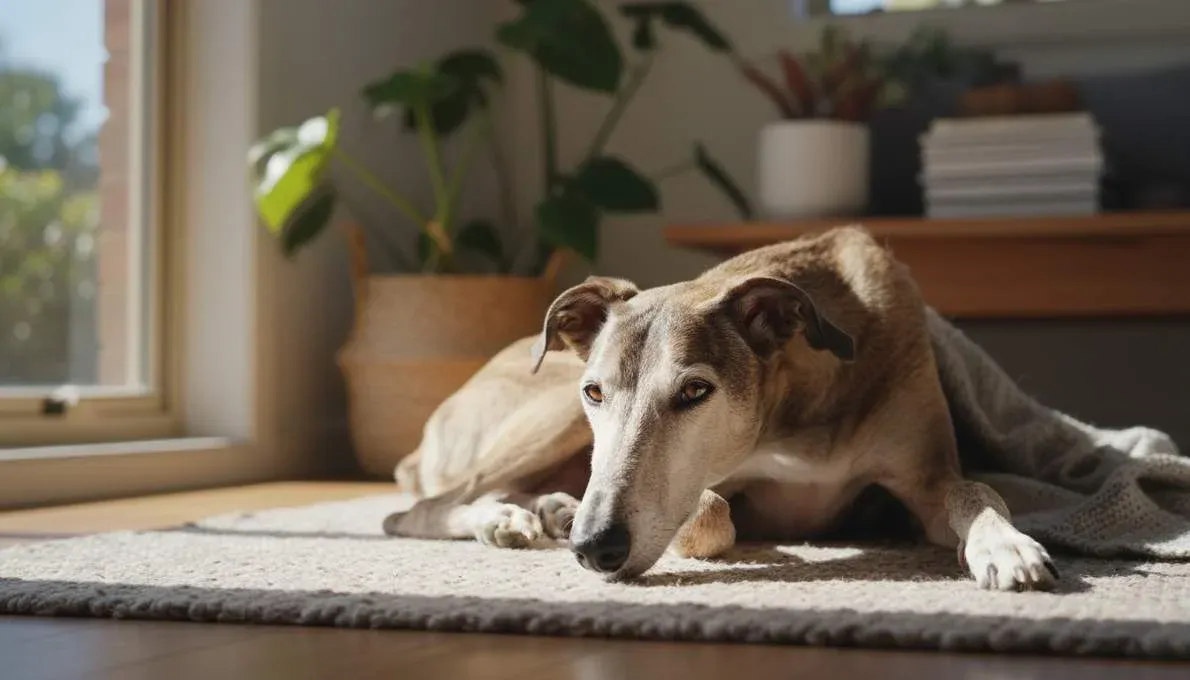
The Azawakh lifespan ranges from 10 to 15 years, with most dogs living 12–14 years with proper care. That’s a solid lifespan for a dog of this size, and it reflects the breed’s robust genetic heritage — these dogs weren’t overbred for aesthetics, and their functional build supports long-term health.
Azawakh life expectancy is influenced by diet (they need high-quality, protein-rich food — and less of it than you’d expect), weight management (an Azawakh should look lean — visible ribs and hip bones are normal and healthy for this breed, not a sign of malnourishment), regular exercise, and preventive health screening, particularly thyroid and cardiac checks.
One critical note: Azawakhs bond so deeply with their families that rehoming an adult dog is genuinely traumatic for them. If you’re considering this breed, commit to keeping the dog for life. Azawakhs do not transfer loyalties easily, and an adult dog rehomed to a new family may withdraw emotionally or develop anxiety.
Grooming & Care
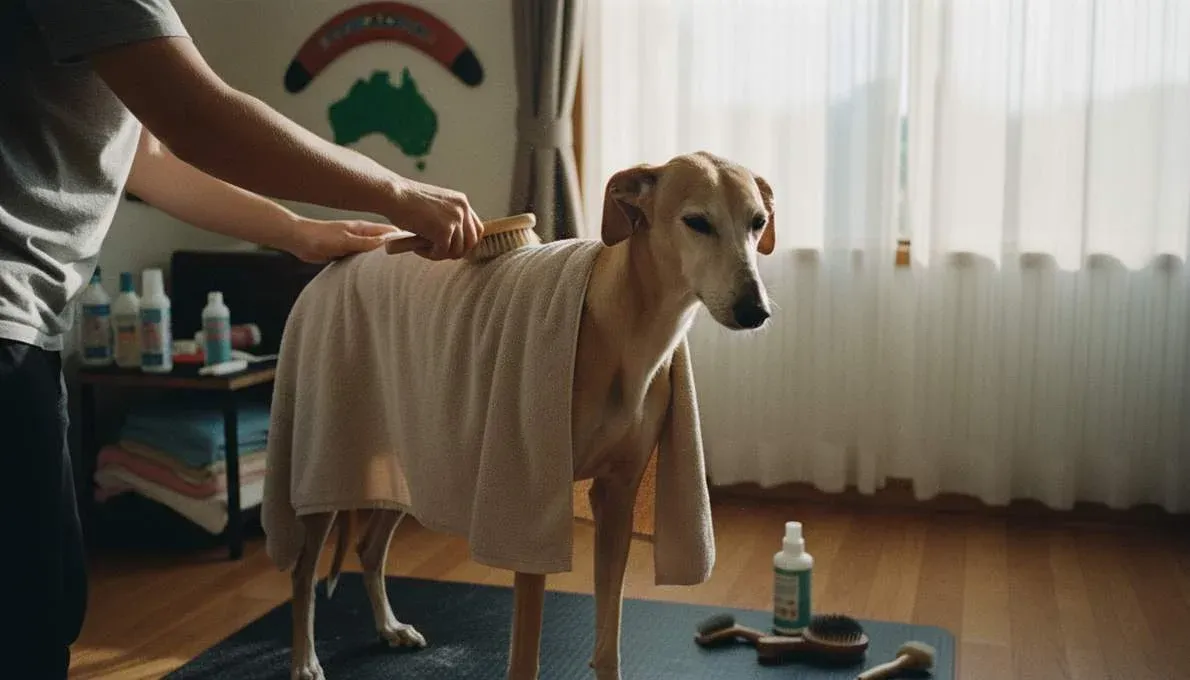
Azawakh grooming is about as low-maintenance as it gets. This breed’s short, fine coat is almost self-cleaning, and many Azawakh owners report that their dogs rarely need bathing.
Grooming Schedule
| Task | Frequency |
|---|---|
| Weekly Brushing | Once per week with a soft bristle brush or grooming mitt |
| Bathing | Rarely needed — every 2–3 months or when visibly dirty |
| Nail Trimming | Every 2–3 weeks (active dogs may wear nails naturally) |
| Ear Cleaning | Weekly check; clean as needed |
| Teeth Brushing | 2–3 times per week |
| Coat on Belly | Naturally thin to absent — this is normal, not a health issue |
| Cold Weather Gear | Essential — Azawakhs need a coat in Australian winters (especially VIC/TAS) |
Azawakh colours include fawn, red, sand, brindle, blue, black, brown, parti-colour, and white. Black Azawakhs and blue Azawakhs are less common but increasingly sought after. Brindle Azawakhs are particularly striking. Coat colour has no bearing on health or temperament.
One grooming consideration unique to sighthounds: their skin is thin and tears more easily than other breeds. Be gentle with brushing tools and check for nicks or scratches after running through scrub or long grass.

Exercise Needs
The Azawakh is an athlete. This is a dog that can hit speeds of up to 60 km/h, and it needs regular opportunities to run — properly run, not just walk around the block. A daily walk of 30–45 minutes is a good baseline, but your Azawakh also needs at least 2–3 sessions per week of off-leash running in a secure, fenced area.
Lure coursing is the ideal sport for this breed. Several lure coursing clubs operate across Australia, and the Azawakh excels at it. It satisfies the prey drive, provides explosive exercise, and channels the breed’s natural instincts into something constructive. Agility is another option, though the Azawakh’s independent streak means it may decide mid-course that the tunnel looks boring.
Australian climate warning: The Azawakh evolved in Saharan heat and generally handles hot Australian summers well — far better than most sighthounds. However, they are extremely cold-sensitive. In winter (particularly in VIC, TAS, ACT, and highland NSW), your Azawakh needs a proper dog coat for outdoor exercise and a warm indoor sleeping spot. These dogs have virtually no body fat for insulation.
Critical: Never let an Azawakh off-leash in an unsecured area. Their prey drive is phenomenal. If they spot a rabbit, cat, or anything that runs, they will chase it at 60 km/h, and no amount of recall training will bring them back. Secure fencing (minimum 1.8 m) is non-negotiable.
Training Your Azawakh
Training an Azawakh requires a fundamental mindset shift from training most other breeds. This is not a dog that lives to please you. The Azawakh is intelligent, perceptive, and perfectly capable of learning commands — it just doesn’t see why it should obey them unless there’s a good reason.
Positive reinforcement is the only training method that works. Harsh corrections, raised voices, or physical discipline will destroy your relationship with an Azawakh. These dogs are sensitive and have long memories. An Azawakh that’s been treated roughly will become withdrawn, defensive, or anxious — none of which is fixable easily.
Socialisation is the single most important investment you can make with an Azawakh puppy. Expose them to different people, environments, sounds, and animals between 8–16 weeks. Without adequate socialisation, the breed’s natural reserve toward strangers can develop into territorial behaviour or fearfulness.
Socialisation & Training Timeline
| Age | Focus |
|---|---|
| 8–12 weeks | Intensive socialisation, name recognition, crate training, handling exercises |
| 3–6 months | Basic obedience (sit, come, stay), leash manners, meeting new people calmly |
| 6–12 months | Recall reinforcement (in fenced areas only), impulse control, stranger desensitisation |
| 12+ months | Lure coursing introduction, ongoing socialisation, relationship-based obedience |
Are Azawakhs easy to train? Not in the conventional sense. They won’t perform tricks on demand or compete in obedience trials. But they’re remarkably attuned to their owner’s emotions and body language, and they respond beautifully to calm, consistent, relationship-based training. Think of it less as “commanding” and more as “negotiating.”
Cost of Owning an Azawakh in Australia
Azawakh Price: Puppy Purchase
The Azawakh price in Australia reflects the breed’s extreme rarity. Expect to pay $3,000–$6,000+ AUD for an Azawakh puppy from a registered breeder. Imported dogs or puppies from international championship lines may cost more. Azawakh puppies for sale in Australia are scarce — there are very few Azawakh breeders in Australia, and you should expect waiting lists of 12–24 months.
If you’re looking to buy or adopt an Azawakh, be prepared for a process that involves applications, interviews, and home checks. Reputable breeders of rare sighthounds are selective about where their puppies go, and rightly so. If someone is selling Azawakh puppies cheaply with no vetting process, that’s a serious warning sign.
Adoption
Azawakh rescue dogs are extremely rare in Australia. Internationally, organisations like the Azawakh Rescue network in the US occasionally rehome dogs, but importing a rescue sighthound involves quarantine costs and logistical complexity. Your best path to an Azawakh in Australia is through a registered breeder.
Ongoing Costs (Annual Estimates in AUD)
| Item | Estimated Annual Cost (AUD) |
|---|---|
| Premium dog food (high-protein, lean breed) | $1,000–$1,800 |
| Routine vet care (sighthound-experienced vet) | $400–$800 |
| Pet insurance | $500–$1,200 |
| Lure coursing entry fees / sport | $200–$500 |
| Cold-weather gear (coats, beds) | $100–$300 |
| Grooming supplies | $50–$150 |
| Parasite prevention | $200–$350 |
| Secure fencing (install/maintenance) | $500–$2,000+ (first year) |
| Miscellaneous (toys, leads, treats) | $150–$400 |
| TOTAL ANNUAL ESTIMATE | $3,100–$7,500 |
Over a 12–14 year lifespan, the total cost of owning an Azawakh in Australia ranges from approximately $40,000 to $90,000+ AUD, including the initial purchase price. The breed’s generally good health keeps veterinary costs lower than many purebreds, but the high purchase price and need for secure fencing add to the initial outlay.
Is the Azawakh Right for You?
- You’re experienced with sighthounds or independent breeds
- You have secure, high fencing (1.8 m minimum) and a safe space for off-leash sprinting
- You want a deeply loyal, one-person (or one-family) dog
- You appreciate a quiet, elegant dog that’s calm indoors and explosive outdoors
- You’re interested in lure coursing or other sighthound sports
- You’re willing to commit to this dog for its entire life — Azawakhs don’t rehome well
- You want a dog that loves everyone it meets (this breed is reserved with strangers)
- You have cats, rabbits, or other small animals (prey drive is extreme)
- You want an off-leash dog park dog (they will chase anything that moves)
- You’re a first-time dog owner (this is an advanced breed)
- You can’t provide daily vigorous exercise and regular running opportunities
- You live in a cold climate without heated indoor living space
If you’re comparing the Azawakh vs Greyhound, the greyhound is more socially adaptable, lower energy after retirement, and widely available through rescue. The Azawakh is more territorial, more bonded to its owner, and requires significantly more socialisation. If you’re looking at the Sloughi vs Azawakh, the two breeds look similar but the Sloughi is generally softer in temperament and less guardian-like. Both are rare in Australia.
- A living artefact: The Azawakh is one of the oldest and most genetically distinct dog breeds on earth, shaped by thousands of years of desert survival alongside the Tuareg nomads.
- Not for casual owners: This breed requires experienced handling, secure fencing, daily exercise, and an owner who respects its independence. The reward is a bond unlike any other.
- Rare and worth the wait: Finding an Azawakh in Australia takes time and patience, but owners who make the commitment describe it as the most loyal, elegant, and rewarding breed they’ve ever lived with.
Frequently Asked Questions
How do you pronounce Azawakh?
It’s pronounced “OZ-uh-wok.” The name comes from the Azawakh Valley in the border region between Mali and Niger, where the breed originated.
How fast can an Azawakh run?
Azawakhs can reach speeds of up to 60 km/h (approximately 37 mph), making them one of the fastest dog breeds in the world. Their speed and endurance evolved for hunting antelope across the Saharan plains.
Are Azawakhs good family dogs?
They can be excellent companions in calm, experienced households. Azawakhs bond deeply with their family but are reserved with strangers and best suited to homes with older children. They’re not ideal for busy households with lots of visitors.
What is the Azawakh size and weight?
Males stand 64–74 cm tall and weigh 20–25 kg. Females are 60–70 cm and 15–20 kg. The lean, visible-rib build is healthy and normal for this breed — not a sign of underfeeding.
How much does an Azawakh cost in Australia?
Expect to pay $3,000–$6,000+ AUD for an Azawakh puppy from a registered breeder. The breed is extremely rare in Australia with very few breeders. Waiting lists of 12–24 months are typical.
What is the Azawakh lifespan?
The Azawakh lifespan is 10–15 years, with most dogs living 12–14 years with proper care. Their robust landrace genetics and lean build contribute to their longevity.
Are Azawakhs hypoallergenic?
Not officially, but their short, fine coat sheds very little, making them a better option than many breeds for allergy sufferers. No dog is truly hypoallergenic.
Azawakh vs Greyhound — what’s the difference?
Both are sighthounds built for speed, but the Azawakh has a strong guardian instinct that greyhounds lack. Azawakhs are more reserved with strangers, more territorial, and more deeply bonded to their owner. Greyhounds are generally more socially adaptable and widely available through rescue.
Sloughi vs Azawakh — what’s the difference?
The Sloughi originates from North Africa and is generally softer in temperament, less guardian-like, and more broadly social. The Azawakh is from the sub-Saharan Sahel, more territorial, and more independent. Both are rare in Australia.
What are common Azawakh health problems?
The most notable health concerns include hypothyroidism (often misdiagnosed due to naturally lower thyroid levels), seizures, autoimmune conditions, bloat, and cardiac issues. Anaesthetic sensitivity is common in all sighthounds. Work with a vet experienced in sighthound breeds.
1. American Kennel Club – Azawakh Breed Information: https://www.akc.org/dog-breeds/azawakh/
2. PetMD – Azawakh Dog Breed Health and Care: https://www.petmd.com/dog/breeds/azawakh
3. DogTime – Azawakh Dog Breed Information & Characteristics: https://dogtime.com/dog-breeds/azawakh
4. Wisdom Panel – Azawakh Facts: https://www.wisdompanel.com/en-us/dog-breeds/azawakh
5. WebMD – Azawakh Dogs: What to Know: https://www.webmd.com/pets/dogs/what-to-know-about-azawakh
6. Dog Breed Info – Azawakh Dog Breed Information and Pictures: https://www.dogbreedinfo.com/azawakh.htm
7. American Azawakh Association: https://azawakhs.org/