
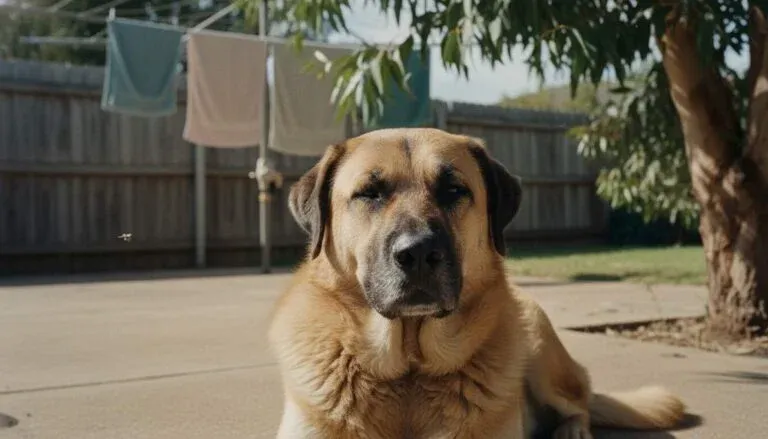
If you’ve ever watched a 60-kilogram dog stare down a fox without flinching, you’ve probably met an Anatolian Shepherd. This Turkish livestock guardian dog has been protecting flocks from wolves for thousands of years — and in Australia, the Anatolian Shepherd dog has quietly become one of the most effective predator deterrents on farms from Queensland to Tasmania.
But here’s the thing most breed guides won’t tell you: the Anatolian Shepherd is not a pet for everyone. They’re independent thinkers, deeply territorial, and about as interested in fetching a ball as a cat is in learning algebra. If you’re looking for a golden retriever in a bigger body, stop reading now. If you want a dog that will patrol your boundary fence at 3 a.m. and think nothing of it, keep going.
What You’ll Learn
- Breed traits & temperament
- Health concerns to know
- True cost in Australia
- Training & exercise needs
- Is this breed right for you?
Quick Facts
| Attribute | Details |
|---|---|
| Breed Name | Anatolian Shepherd Dog (also known as Kangal Shepherd Dog, Anatolian Karabash) |
| Origin | Turkey (Anatolian Plateau) |
| Breed Group | Utility / Livestock Guardian Dog |
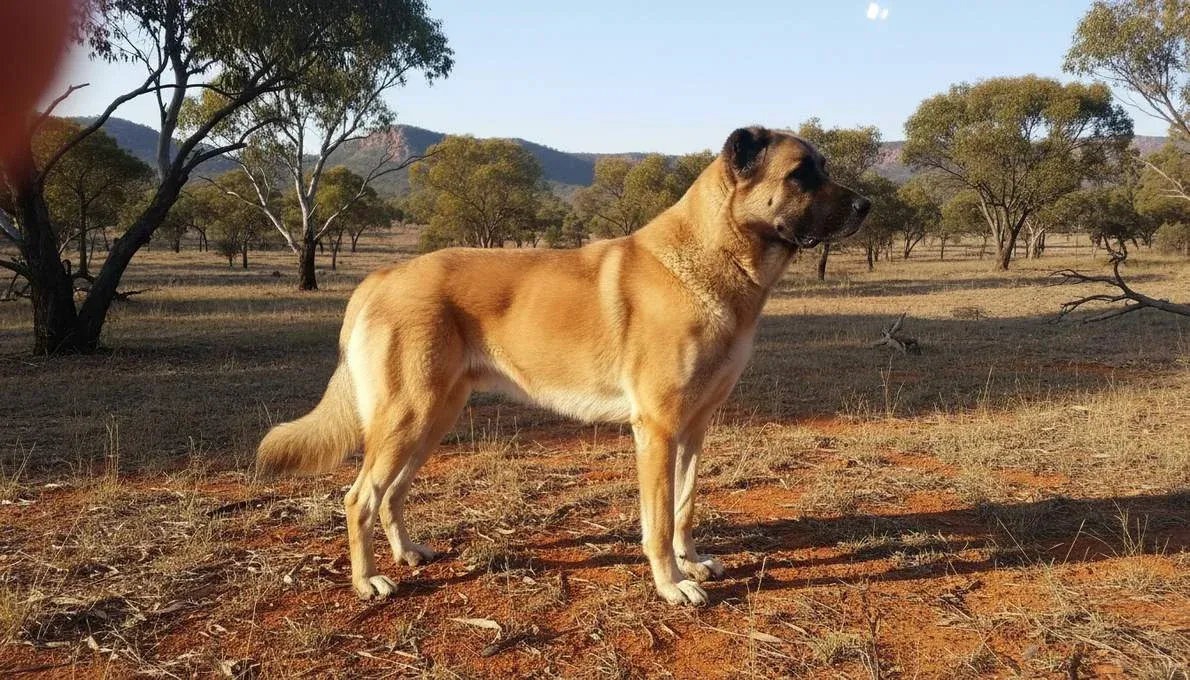
| Height (Male) | 74–81 cm |
| Height (Female) | 71–79 cm |
| Weight (Male) | 50–68 kg |
| Weight (Female) | 40–55 kg |
| Lifespan | 11–15 years |
| Coat Type | Short to medium, dense double coat |
| Colours | Fawn with black mask (most common), brindle, white, pinto, blue fawn, grey fawn |
| Temperament | Loyal, independent, protective, calm, territorial |
| Shedding | Heavy (seasonal blowouts twice a year) |
| Good With Kids | Yes, with supervision — protective of family children |
| Good With Other Dogs | Cautious; best raised with them from puppyhood |
| Hypoallergenic | No |
| Barking Level | High — especially at night (guarding instinct) |
| Exercise Needs | Moderate — self-regulating with adequate space |
| Suitable For | Farms, rural properties, acreage; experienced owners |
| ANKC Registered | Yes — Utility Group |
History & Origins
The Anatolian Shepherd’s history stretches back thousands of years to the high Anatolian Plateau in modern-day Turkey. These dogs were bred by Turkish shepherds as front-line defenders against wolves, bears, and jackals — not as herding dogs, but as livestock guardian dogs whose job was to live among the flock and protect it with their life.
In Turkey, they’re known as Çoban Köpeği (literally “Shepherd’s Dog”), and the breed has always been a working landrace rather than a show dog. Court Painter Levni depicted a grey shepherd’s dog with cropped ears and a traditional spiked collar marching before Sultan Ahmed III in 1720, giving us one of the earliest visual records of the breed in Ottoman culture.
The Anatolian Shepherd arrived in Australia in February 1985, when Truvas Febiha — an Anatolian Karabash — was imported from England by Randall and Sue Freshwater of RANSU Angora Goats in Western Australia. Simultaneously on the east coast, Dean and Irene Beynon imported the first breeding pair, producing the first registered Anatolian Shepherd litter in Australia.
There’s ongoing discussion about whether the Anatolian Shepherd and the Kangal dog are the same breed or separate breeds. In Australia, the ANKC resolved this in 2012 by registering all Kangal Dogs and Anatolian Shepherd Dogs under the single breed name of Anatolian Shepherd Dog. Internationally, the debate continues, but in practical terms, if you’re buying an Anatolian Shepherd in Australia, the Kangal and Anatolian lines are now combined under one registry.
Temperament & Personality
The Anatolian Shepherd temperament is unlike almost any other dog breed you’ll encounter. This is not a golden retriever in a bigger body. The Anatolian Shepherd personality is defined by calm confidence, fierce loyalty, and a stubborn independence that can test even experienced dog owners.
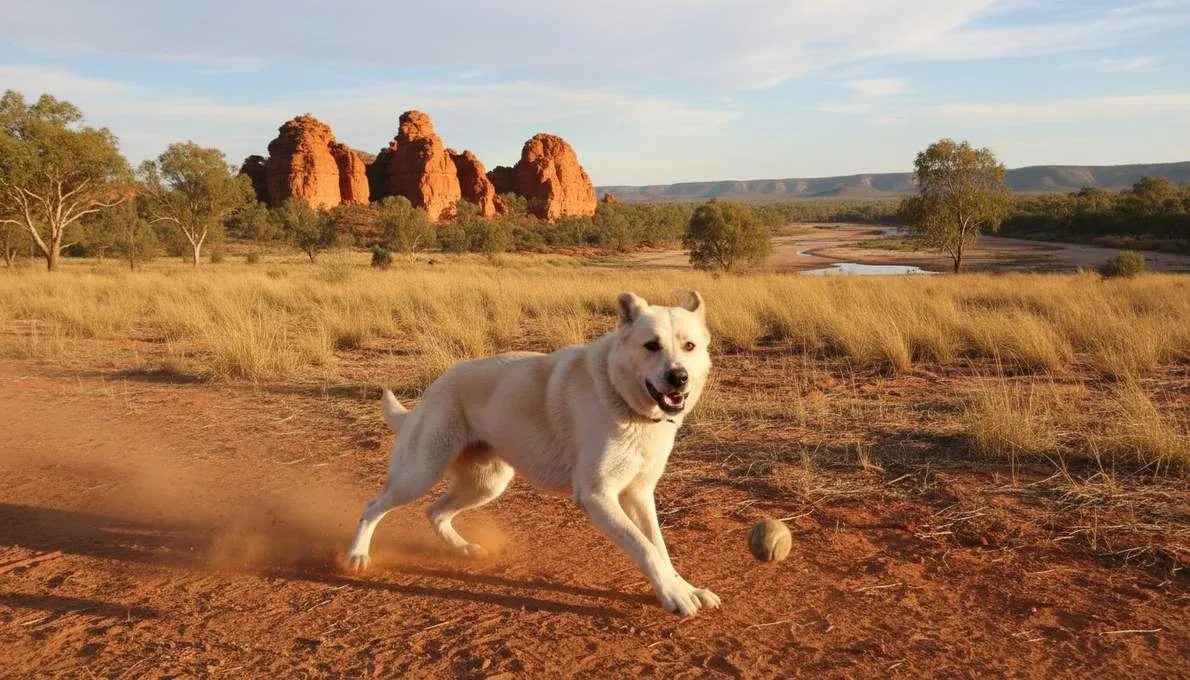
On a typical day, an Anatolian will find the highest point on your property, lie down, and watch. They don’t need to be told what to do — their guarding instinct is hardwired. They’ll patrol the perimeter at dawn and dusk, bark at anything unfamiliar (including the postie, the neighbour’s cat, and wind), and position themselves between their family and any perceived threat.
With family, the Anatolian Shepherd is gentle and affectionate, especially with children they’ve grown up with. They’re patient with kids in a way that surprises people given their size. But this comes with a caveat: they’re protective. If your child’s friends are wrestling in the backyard, your Anatolian may decide to intervene. Supervision is non-negotiable.
Are Anatolian Shepherds aggressive? Not inherently, but they’re territorial and will not back down from a confrontation. They’re not aggressive in the way that reactive dogs are — they don’t lunge and snap. They assess, warn (deep bark, body blocking), and only escalate if the threat doesn’t leave. This is exactly what makes them outstanding livestock guardian dogs, but it means they need a confident owner who understands boundaries.
Are Anatolian Shepherds good family dogs? Yes, with the right family. That means a household where someone has large-breed experience, a secure property, and the patience to work through a dog that will occasionally look you dead in the eye and decide your command is more of a suggestion.
Health & Genetic Conditions
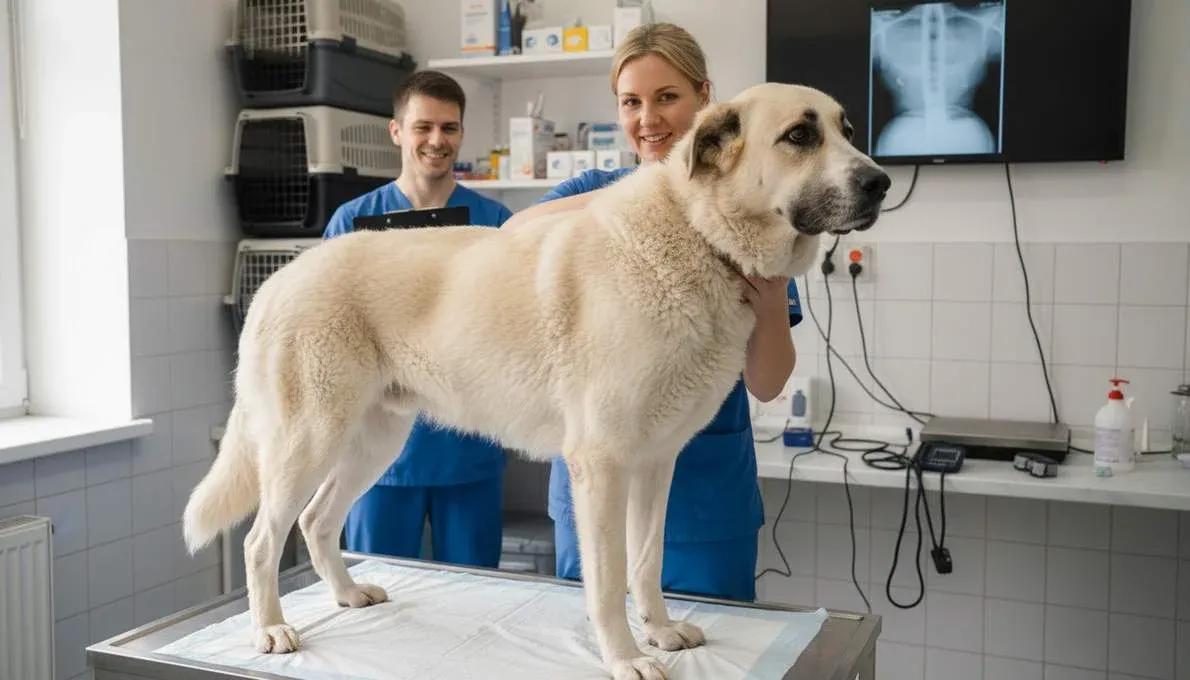
Nobody wants to think about health problems when they’re choosing a puppy, but being informed now can save you thousands of dollars and a lot of heartbreak later. The good news is that the Anatolian Shepherd is a relatively hardy breed — their working heritage means they weren’t bred for aesthetics at the expense of health.
That said, Anatolian Shepherd health issues do exist, and you should be aware of them:
A genetic malformation of the hip joint that causes pain, lameness, and arthritis over time. Common in large and giant breeds. Reputable Anatolian Shepherd breeders in Australia will have hip scores for both parents. Treatment costs range from $3,000–$8,000 AUD for surgical intervention, with ongoing management adding $500–$1,500 AUD per year.
A condition where the eyelid rolls inward, causing the lashes to irritate the cornea. It’s painful and requires surgical correction, typically costing $1,500–$3,000 AUD per eye.
An underactive thyroid that causes weight gain, lethargy, and coat problems. Manageable with daily medication costing around $30–60 AUD per month for life.
A life-threatening emergency where the stomach twists on itself. Deep-chested breeds like the Anatolian Shepherd are at higher risk. Emergency surgery costs $5,000–$10,000+ AUD, and without treatment, bloat is fatal within hours. Feeding two smaller meals instead of one large meal and avoiding vigorous exercise after eating can reduce the risk.
Some Anatolian Shepherds show sensitivity to certain anaesthetic protocols. Always inform your vet that you have a Turkish livestock guardian breed before any procedure requiring sedation.
Overall, Anatolian Shepherd health problems are manageable with proactive screening and a good relationship with a vet who understands giant breeds. Budget $400–$800 AUD annually for routine veterinary care (vaccinations, check-ups, parasite prevention), with a contingency fund of at least $2,000 for unexpected issues.
Lifespan & Longevity
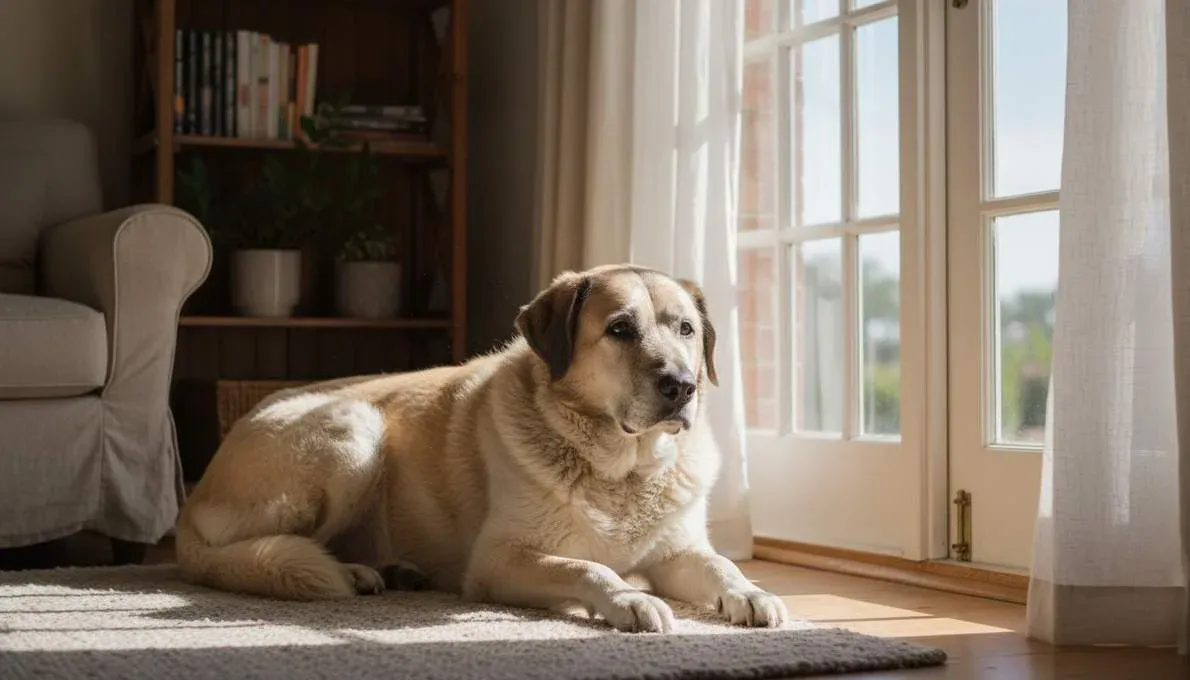
The Anatolian Shepherd lifespan is impressive for a giant breed, typically ranging from 11 to 15 years. That’s significantly longer than many breeds of comparable size — Great Danes average 7–9 years, and Mastiffs around 8–10.
This longevity is largely thanks to the breed’s working heritage. Anatolian Shepherds were never overbred for extreme physical traits, so they’ve retained a functional, athletic build that supports a longer, healthier life.
How long do Anatolian Shepherds live in practice? Most Australian owners report their dogs living comfortably into their early teens with proper care. The key factors that influence Anatolian Shepherd life expectancy include diet quality (avoid overfeeding — this breed conserves energy and doesn’t need as much food as you’d expect), weight management (extra kilos put enormous strain on joints), regular but not excessive exercise, and preventive veterinary care.
By age 8–10, you may notice your Anatolian slowing down on patrols and sleeping more. Joint supplements (glucosamine and chondroitin) from around age 6 can help maintain mobility. An orthopaedic dog bed is worth the investment for a dog this size.
Grooming & Care
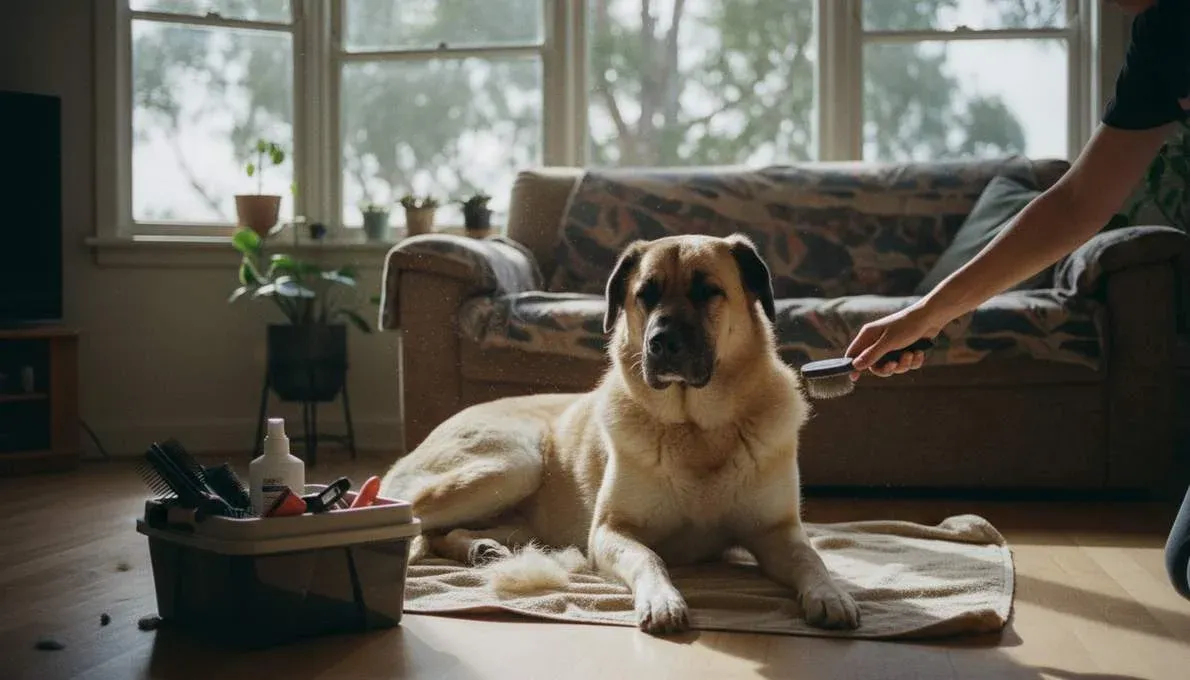
Anatolian Shepherd grooming is relatively straightforward compared to many breeds, but “low maintenance” doesn’t mean “no maintenance.” Do Anatolian Shepherds shed? Absolutely. They shed moderately year-round and have two enormous seasonal blowouts (typically spring and autumn) where the undercoat comes out in clumps.
Grooming Schedule
| Task | Frequency |
|---|---|
| Weekly Brushing | 1–2 times (use an undercoat rake or slicker brush) |
| During Shedding Season | 3–4 times per week minimum |
| Bathing | Every 6–8 weeks, or when visibly dirty |
| Nail Trimming | Every 2–4 weeks |
| Ear Cleaning | Weekly check; clean as needed |
| Teeth Brushing | 2–3 times per week (start young!) |
| Professional Grooming | Optional; $80–$150 AUD per session for giant breeds |
The Anatolian Shepherd coat comes in short and medium-length varieties, and neither requires clipping. Long-haired Anatolian Shepherds do exist but are less common; they need slightly more brushing to prevent matting behind the ears and on the legs.
Invest in a good vacuum cleaner. You’ll need it.

Exercise Needs
Here’s something that surprises first-time Anatolian Shepherd owners: these dogs are not high-energy in the way that Border Collies or Kelpies are. The Anatolian Shepherd energy level is best described as “bursts of intensity separated by long periods of watchful rest.”
On a working farm, an Anatolian will self-regulate their exercise perfectly. They’ll patrol, walk the perimeter, and then rest in a strategic position. If you’re keeping an Anatolian Shepherd as a family dog on acreage, a daily walk of 30–45 minutes plus free access to a securely fenced yard is sufficient.
Australian climate warning:
Anatolian Shepherds have excellent heat tolerance compared to many giant breeds (they evolved on the scorching Anatolian Plateau), but common sense still applies. In Australian summer, exercise your Anatolian early morning or late evening. Provide shade and fresh water at all times. Watch for signs of heat stress in humid coastal regions — the breed handles dry heat far better than tropical humidity.
Anatolian Shepherd puppies need carefully managed exercise. Their rapid growth (these dogs gain roughly 1–2 kg per week in the first few months) puts stress on developing joints. Avoid long runs, jumping from heights, and rough play on hard surfaces until they’re at least 18 months old.
Training Your Anatolian Shepherd
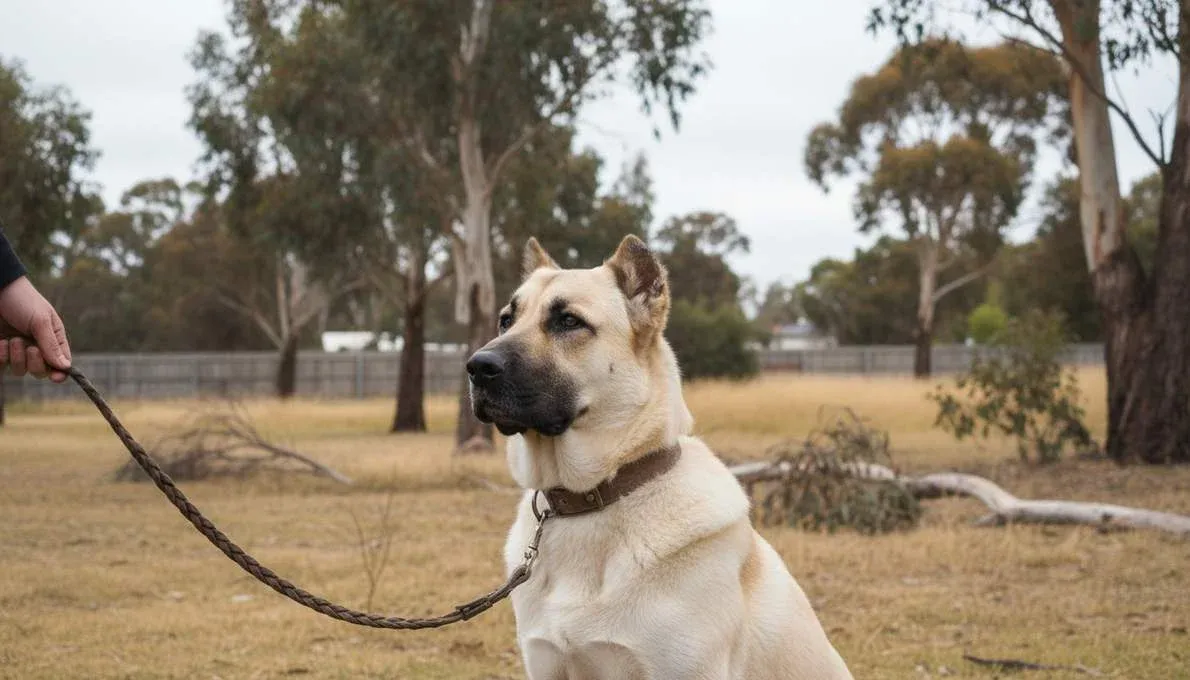
Let’s be honest: training an Anatolian Shepherd is an exercise in patience, consistency, and humility. This is a breed that was developed to think independently — out on the Anatolian Plateau, there was no shepherd standing behind the dog telling it what to do. The dog had to assess threats and make decisions alone. That intelligence is still there, and it means your Anatolian will question every command.
Anatolian Shepherd training should start the day you bring your puppy home. Puppy preschool is non-negotiable. Socialisation with different people, animals, sounds, and environments between 8–16 weeks is the single most important thing you can do for this breed.
Are Anatolian Shepherds easy to train? No. Are they trainable? Absolutely — but on their terms. They respond well to calm, consistent leadership and positive reinforcement. They do not respond to harsh corrections or dominance-based methods. An Anatolian that’s been treated roughly will become defensive and distrustful, which in a 60-kg dog is genuinely dangerous.
Socialisation & Training Timeline
| Age | Focus |
|---|---|
| 8–12 weeks | Socialisation, name recognition, crate training, basic ‘sit’ and ‘come’ |
| 3–6 months | Leash manners (critical at this size), ‘stay’, ‘leave it’, visitor introductions |
| 6–12 months | Recall reinforcement (don’t expect perfection), boundary training, desensitisation |
| 12–24 months | Advanced obedience, livestock introduction (if applicable), impulse control |
| 2+ years | Ongoing reinforcement — Anatolians mature slowly and test boundaries well into adulthood |
How to train an Anatolian Shepherd for livestock guarding is a separate skill set. If you’re buying an Anatolian Shepherd as a livestock guardian dog, talk to your breeder about puppy bonding protocols. The best Anatolian Shepherd breeders in Australia will have their puppies started on stock before they leave.
Cost of Owning an Anatolian Shepherd in Australia
The Anatolian Shepherd cost doesn’t stop at the purchase price. Here’s what you’re actually looking at over the lifetime of your dog.
Anatolian Shepherd Price Australia: Puppy Purchase
Anatolian Shepherd puppies from a registered ANKC breeder in Australia typically cost between $2,000 and $4,500 AUD. Working-line dogs and those from imported bloodlines sit at the upper end. Pet-quality Anatolian Shepherd puppies without notable lineage are priced closer to $2,000.
Anatolian Shepherd puppies for sale in Australia are not common — there are only a handful of registered breeders across QLD, VIC, TAS, and NSW. Expect waiting lists of 6–12 months. If someone is offering cheap Anatolian Shepherd puppies with no papers, walk away.
Adoption
If you’d prefer to adopt an Anatolian Shepherd, rescue fees typically range from $400–$800 AUD. However, Anatolian Shepherd rescue dogs are rare in Australia. The Anatolian Shepherd Dog Club of Victoria (ASDCV) occasionally assists with rehoming.
Ongoing Costs (Annual Estimates in AUD)
| Item | Cost Range (AUD) |
|---|---|
| Premium dog food (giant breed) | $1,500–$2,500 |
| Routine vet care | $400–$800 |
| Pet insurance (giant breed) | $800–$1,800 |
| Grooming supplies / sessions | $200–$500 |
| Fencing maintenance (critical!) | $300–$1,000+ |
| Training / behavioural support | $200–$800 (first 2 years) |
| Parasite prevention | $200–$350 |
| Miscellaneous (beds, toys, collars) | $200–$500 |
| TOTAL ANNUAL ESTIMATE | $3,800–$8,250 |
Over a 12-year lifespan, the total cost of owning an Anatolian Shepherd in Australia ranges from approximately $50,000 to $100,000+ AUD, including the initial purchase price. It’s a serious financial commitment.
Is the Anatolian Shepherd Right for You?
This is the section where we’re going to be brutally honest, because an Anatolian Shepherd rehomed to the wrong family is a disaster for everyone involved.
- You live on a rural property or acreage with secure fencing (minimum 1.8 m high)
- You have experience with large, independent dog breeds
- You need a working livestock guardian dog for sheep, goats, poultry, or horses
- You understand that this breed will bark — a lot — especially at night
- You’re willing to commit to early socialisation and ongoing training
- You want a loyal, devoted companion who takes their job seriously
- You live in a suburban house with a small backyard
- You’re a first-time dog owner (this is a terrible starter breed)
- You want an off-leash dog park dog (they cannot be trusted off-leash in public)
- You have close neighbours who’ll complain about barking
- You want a dog that listens to every command instantly
- You can’t afford the ongoing costs of a giant breed
If you’re comparing the Anatolian Shepherd vs Great Pyrenees, the Pyrenees is generally softer in temperament and more social with strangers, while the Anatolian is more territorial and independent. If you’re looking at the Anatolian Shepherd vs Kangal, in Australia they’re registered as the same breed. And for those wondering about the Anatolian Shepherd vs Maremma, the Maremma is more commonly available in Australia and tends to be slightly more biddable, though both are excellent livestock guardian dogs.
- Built to work: The Anatolian Shepherd is one of the most effective livestock guardian dog breeds in the world, and Australian farmers have relied on them since 1985.
- Not a casual pet: This breed needs space, secure fencing, experienced handling, and an owner who respects their independence.
- Worth it for the right home: If you have the property, the patience, and the experience, the Anatolian Shepherd will reward you with unwavering loyalty for 11–15 years.
Frequently Asked Questions
What is an Anatolian Shepherd?
The Anatolian Shepherd is a large to giant livestock guardian dog breed originating from the Anatolian Plateau in Turkey. They were bred for thousands of years to protect flocks from predators like wolves and bears, and in Australia they’re used to guard sheep, goats, poultry, and horses from foxes and wild dogs.
How big do Anatolian Shepherds get?
Male Anatolian Shepherds typically stand 74–81 cm tall and weigh 50–68 kg. Females are slightly smaller at 71–79 cm and 40–55 kg. Full-grown Anatolian Shepherds reach their adult height by 12–18 months but continue filling out until around age 3.
Are Anatolian Shepherds good family dogs?
They can be excellent family dogs for experienced owners with rural or semi-rural properties. They’re gentle and protective with family children but require proper socialisation and supervision around visitors and other animals.
Are Anatolian Shepherds the same as Kangals?
In Australia, yes. The ANKC merged the Anatolian Shepherd Dog and Kangal Dog registries in 2012. Internationally, some kennel clubs still recognise them as separate breeds. Many Turkish breeders consider them distinct, while Western kennel clubs have historically grouped them together.
How much does an Anatolian Shepherd cost in Australia?
Expect to pay $2,000–$4,500 AUD for a purebred Anatolian Shepherd puppy from a registered breeder. Adoption fees are $400–$800 AUD, but rescue dogs are rare. Annual ownership costs run $3,800–$8,250 AUD.
Do Anatolian Shepherds shed a lot?
Yes. Anatolian Shepherds shed moderately year-round and have two heavy seasonal blowouts. Regular brushing helps manage the shedding, but they are not a hypoallergenic breed.
How long do Anatolian Shepherds live?
The average Anatolian Shepherd lifespan is 11–15 years, which is exceptional for a giant breed. Proper diet, weight management, and preventive health care are key to reaching the upper end of this range.
Are Anatolian Shepherds dangerous?
Anatolian Shepherds are not inherently dangerous, but they are powerful, territorial dogs that require responsible ownership. Without proper socialisation and training, their protective instincts can become problematic. This is not a breed for inexperienced owners.
Where are Anatolian Shepherds from?
The breed originates from the Anatolian region of Turkey, where they’ve been used as livestock guardian dogs for thousands of years. The first Anatolian Shepherd arrived in Australia from England in 1985.
Can Anatolian Shepherds live in hot climates?
Yes. The Anatolian Shepherd evolved in the extreme heat of the Turkish plateau and has better heat tolerance than many giant breeds. In Australia, they handle dry heat well but should have shade and water in humid coastal areas.
1. Dogs NSW – Anatolian Shepherd Dog Breed Profile: https://www.dogsnsw.org.au/Breeds/browse-all-breeds/238/Anatolian-Shepherd-Dog/
2. Dogz Online – Anatolian Shepherd Dog Breeders Australia: https://www.dogzonline.com.au/breeds/breeders/anatolian-shepherd-dog.asp
3. Takas Volkodav – History of the Anatolian Shepherd Dog in Australia: https://www.takasvolkodav.com/anatolian-shepherd-dogs-in-australia.asp
4. Anatolian Shepherd Dog Club of Victoria: https://www.cobankopegi.org/about-askdc.asp
5. Perfect Pets – Anatolian Shepherd Dog Breed Guide: https://perfectpets.com.au/pets/dogs/dog-breeds/dog-breeders/anatolian-shepherd-dog
6. Australian Dog Lover – Anatolian Shepherd Breed Profile: https://www.australiandoglover.com/2016/08/anatolian-shepherd-breed-profile.html
7. Pet Insurance Australia – Anatolian Shepherd Dog: https://www.petinsuranceaustralia.com.au/dog-breed/anatolian-shepherd-dog/
8. Pets Online Australia – Anatolian Shepherd Prices: https://petsonline.com.au/dog-breeds/anatolian-shepherd-dog/prices/