
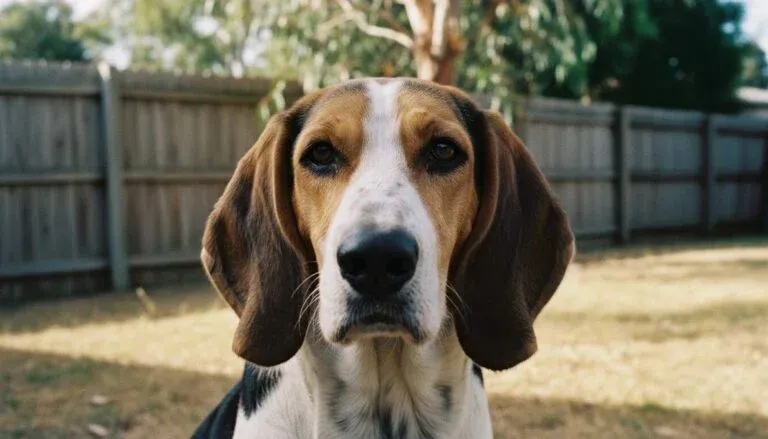
Picture a Beagle, stretch it taller, give it longer legs and a voice that carries across three postcodes. That’s the American Foxhound — one of the oldest American dog breeds and, ironically, one of the rarest you’ll ever meet. In Australia, finding one is like finding a parking spot at Bondi on a 38-degree day.
This breed was literally shaped by George Washington. He crossed English hounds with French stock gifted by the Marquis de Lafayette during the American Revolution, creating a lean, tireless hunter built for stamina over speed. The American Foxhound has been an AKC-recognised breed since 1886 and is the official state dog of Virginia — yet it consistently ranks at the very bottom of AKC popularity lists.
If you’re researching the American Foxhound dog breed because you’ve fallen for those soulful eyes and that athletic frame, this guide will give you the unfiltered truth. Temperament quirks, health realities, Australian availability (spoiler: it’s limited), and honest advice on whether this hound belongs in your life.
What You’ll Learn
- Breed traits & temperament
- Health concerns to know
- True cost in Australia
- Training & exercise needs
- Is this breed right for you?
Breed Quick Facts Table
| Trait | Details |
|---|---|
| Breed Group | Hound (AKC recognised since 1886) |
| Height | Males: 53–64 cm | Females: 51–61 cm |
| Weight | Males: 27–32 kg | Females: 23–27 kg |
| Lifespan | 11–13 years (some sources cite 10–15) |
| Coat | Short, hard, medium-length. Usually tri-colour (black, white, tan). Any colour accepted. |
| Shedding | Low to moderate — weekly brushing is plenty |
| Temperament | Gentle, friendly, independent, pack-oriented, vocal |
| Exercise Needs | Very high. 1–2 hours daily minimum. Bred for all-day endurance hunts. |
| Training Difficulty | Moderate to hard — intelligent but independent. Scent-driven. Will ignore you for a good smell. |
| Good with Kids? | Excellent. Gentle and patient. One of the best hound breeds for families. |
| Good with Other Dogs? | Outstanding. Bred as pack dogs. Thrives with canine company. |
| Apartment Friendly? | No. Needs space and will bay loudly. Neighbours will complain. |
| Availability in Australia | Extremely rare. English Foxhounds are more common here. Expect long waitlists. |
| Puppy Price (AUD est.) | $1,500–$3,500+ (limited availability means higher prices) |
History & Origins of the American Foxhound
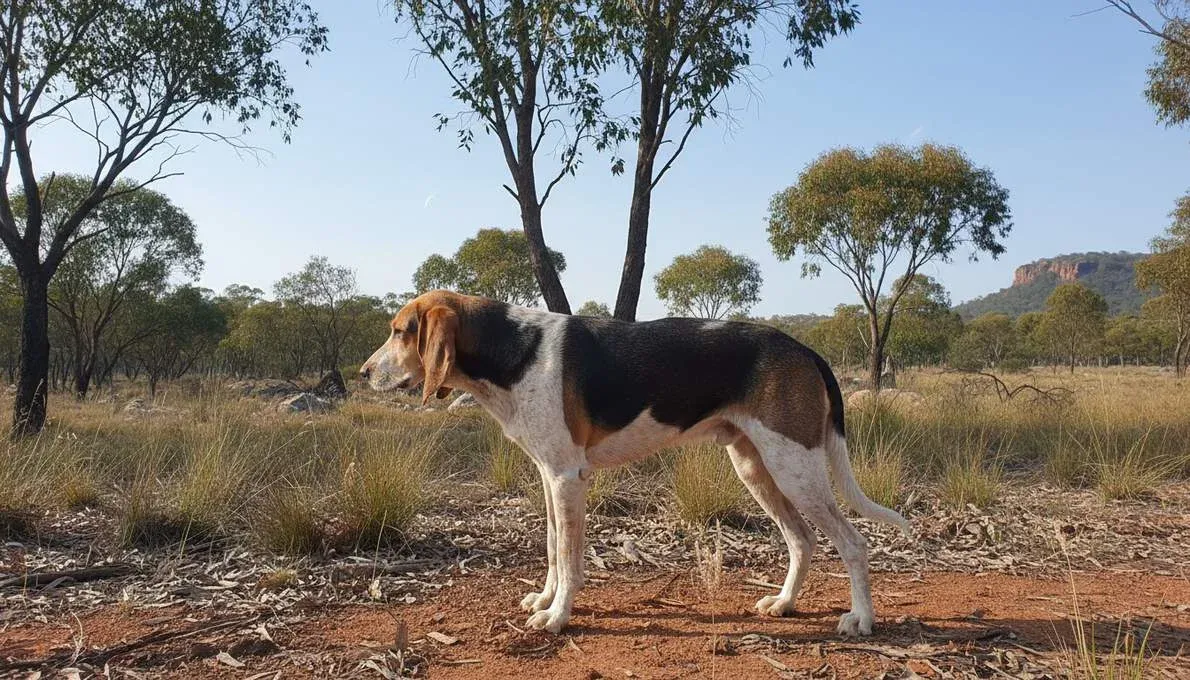
The American Foxhound’s story begins in 1650, when Robert Brooke sailed from England to the Maryland colony with a pack of hunting hounds. Those dogs — known as “Brooke Hounds” — stayed in the Brooke family for nearly 300 years, making them one of the longest-documented breeding lines in canine history.
The breed really took shape in the late 1700s when George Washington, an avid fox hunter, crossed English hounds with French Foxhounds gifted to him by the Marquis de Lafayette. Washington was methodical about it — he kept detailed breeding records and is credited by the AKC as the father of the American Foxhound.
The result was a hound that was taller, leaner and faster than its English cousin, with incredible stamina and a nose that could track a scent for kilometres. Over the centuries, different regional strains developed — Walker, Trigg, July, Calhoun, Goodman and Penn-Marydel — each bred to suit different hunting styles and terrain. All are recognised as a single breed by the AKC.
In Australia, the Foxhound arrived with British settlers in the 1800s, primarily as part of fox hunting packs. However, it’s the English Foxhound that has a more established presence here. American Foxhounds remain extremely rare in Australia, with no dedicated American Foxhound breeders currently listed through the major Australian registries. English Foxhound breeders like Foxhunt, Foxgully and Sarangrave (listed through Dogs Australia) are the closest equivalent, and some may be able to assist with sourcing or provide guidance.
Temperament & Personality
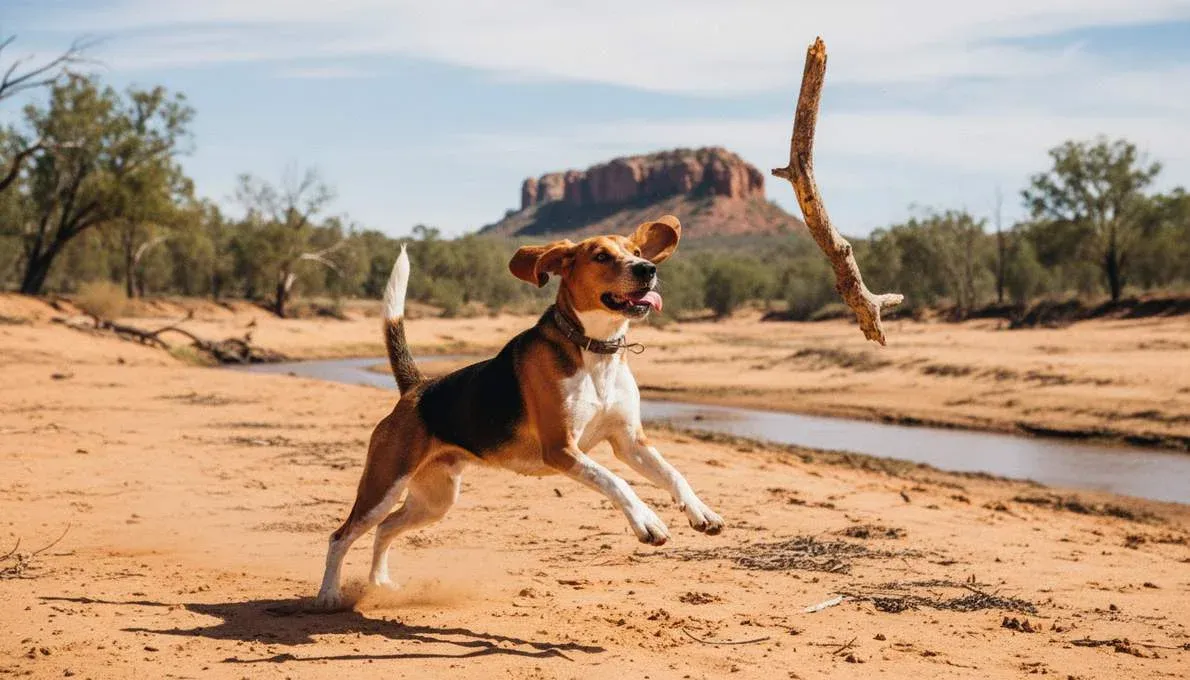
The American Foxhound temperament is a study in contrasts. On one hand, they’re one of the sweetest, gentlest hounds you’ll ever meet — docile, affectionate and remarkably patient with children. On the other, they are independent thinkers bred to work autonomously, and they will completely ignore you the moment an interesting scent hits their nose.
Foxhounds are genuine pack animals. They get along brilliantly with other dogs and thrive in multi-dog households. They’re friendly with strangers (making them poor guard dogs, honestly), and they have an easygoing, tolerant nature that makes them excellent with kids of all ages. Many longtime owners say that having two Foxhounds is actually easier than having one, because they keep each other company.
They bay. Loudly. The American Foxhound has a musical howl — often described as a “bay” — that was bred to be heard for kilometres during a hunt. In a suburban Australian setting, this is a noise complaint waiting to happen. If you have close neighbours, this breed will create problems unless you can manage the barking through training, exercise and stimulation.
They’re also escape artists. A Foxhound that catches a scent will follow it with single-minded determination — over fences, through gaps, and completely deaf to your calls. Underground electric fences are useless with this breed; they’ll take the shock and keep running. You need solid, physical fencing at least 1.8 metres high.
Left alone or under-exercised, they become destructive and depressed. This is a breed that was never designed to sit in a backyard by itself. They need company — human or canine — and they need to move.
This is one of the most common comparisons people search for, and it makes sense — they look like cousins. The American Foxhound is essentially a taller, leaner, more athletic version of the Beagle. Foxhounds stand 53–64 cm versus the Beagle’s 33–40 cm. Temperament-wise, both are friendly and scent-driven, but Foxhounds have significantly higher exercise needs and are louder. Beagles are better suited to smaller homes and less active owners. If you want the Foxhound look in a more manageable package, a Beagle is the natural alternative.
Health & Genetic Conditions
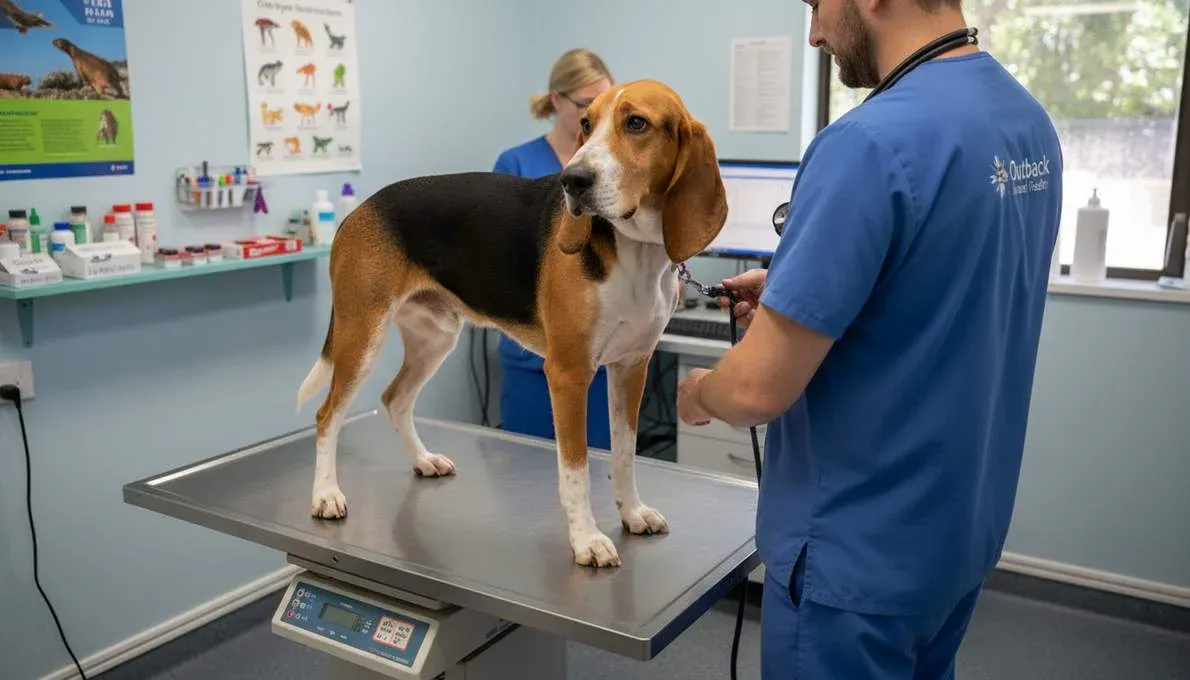
Here’s a genuine bright spot: the American Foxhound is one of the healthier dog breeds out there. Being bred for function over form for centuries means they’ve avoided many of the structural health issues that plague more popular breeds. That said, they’re not bulletproof.
| Condition | What It Is | Estimated Cost (AUD) |
|---|---|---|
| Hip Dysplasia | Malformed hip joint leading to arthritis and pain. Common in medium-large breeds. | $1,500–$6,000+ per hip (surgical) |
| Thrombocytopathy | Inherited platelet disorder causing abnormal bleeding. No cure — affected dogs must avoid surgery if possible. | $150–$300 (blood tests for diagnosis) |
| Ear Infections | Long, floppy ears trap moisture and bacteria. Recurring issue without regular cleaning. | $100–$400 per episode |
| Elbow Dysplasia | Joint malformation in elbows. Less common than hip dysplasia but still a concern. | $1,500–$4,000 per elbow |
| Eye Conditions | Progressive retinal atrophy and cataracts can occur in older Foxhounds. | $1,500–$3,500 per eye (surgical) |
| Obesity | Foxhounds love food and will overeat if allowed. Obesity worsens joint issues. | Prevention: proper diet. Treatment if complications arise: $500+ |
The most important breed-specific concern is thrombocytopathy — a blood platelet disorder that means affected dogs don’t clot properly. There’s no cure, so if your dog has it, even minor surgeries become high-risk. Ask any breeder whether this condition has appeared in their lines.
Overall, the Foxhound’s health profile is a major selling point. Routine vet care, a proper diet and regular exercise will keep most Foxhounds in excellent shape well into their senior years.
American Foxhound Lifespan & Longevity
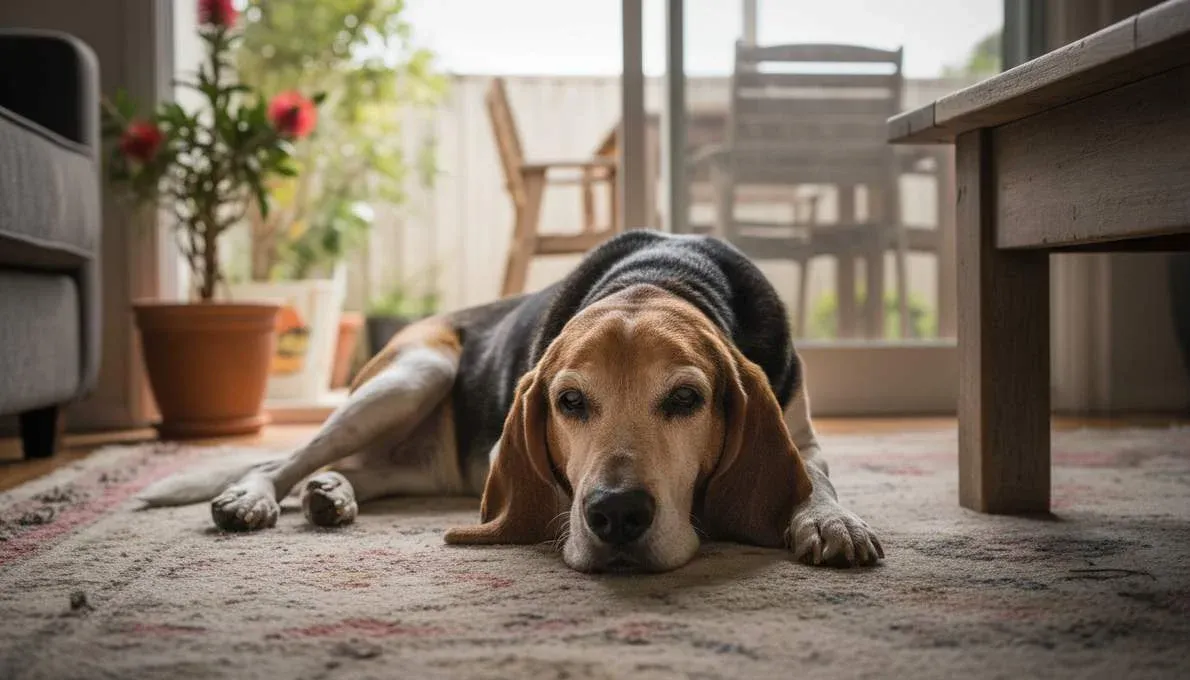
The American Foxhound lifespan is typically 11–13 years, with some individuals reaching 15 years. For a medium-to-large breed dog, this is above average and reflects the breed’s generally robust health.
Weight management: This is the biggest controllable factor. Foxhounds will eat anything and everything. Their ribs should be easily felt — a bit of rib visibility is actually normal for this breed. If your Foxhound looks chunky, they’re overweight.
Exercise: A Foxhound that gets proper daily exercise will live longer and stay healthier. Under-exercised Foxhounds develop joint problems, behavioural issues and obesity — all of which shorten lifespan.
Diet: High-quality protein with limited carbs. Avoid grain-heavy fillers. Two measured meals per day (2–3 cups total) for an average adult. Adjust based on activity level.
Ear care: Chronic ear infections are uncomfortable, but they can also lead to more serious complications over time. Keep those long ears clean and dry.
Puppies (0–2 years): Foxhounds mature slowly. Feed a quality puppy food and don’t over-exercise growing joints — short, frequent play sessions rather than marathon runs.
Adults (2–8 years): Peak years. Annual vet checks, consistent daily exercise and weight monitoring. This is when they’re at their most energetic and demanding.
Seniors (8+ years): Twice-yearly vet visits. Watch for joint stiffness, vision changes and gradual hearing loss. Reduce intensity but maintain regular gentle exercise.
Grooming & Care
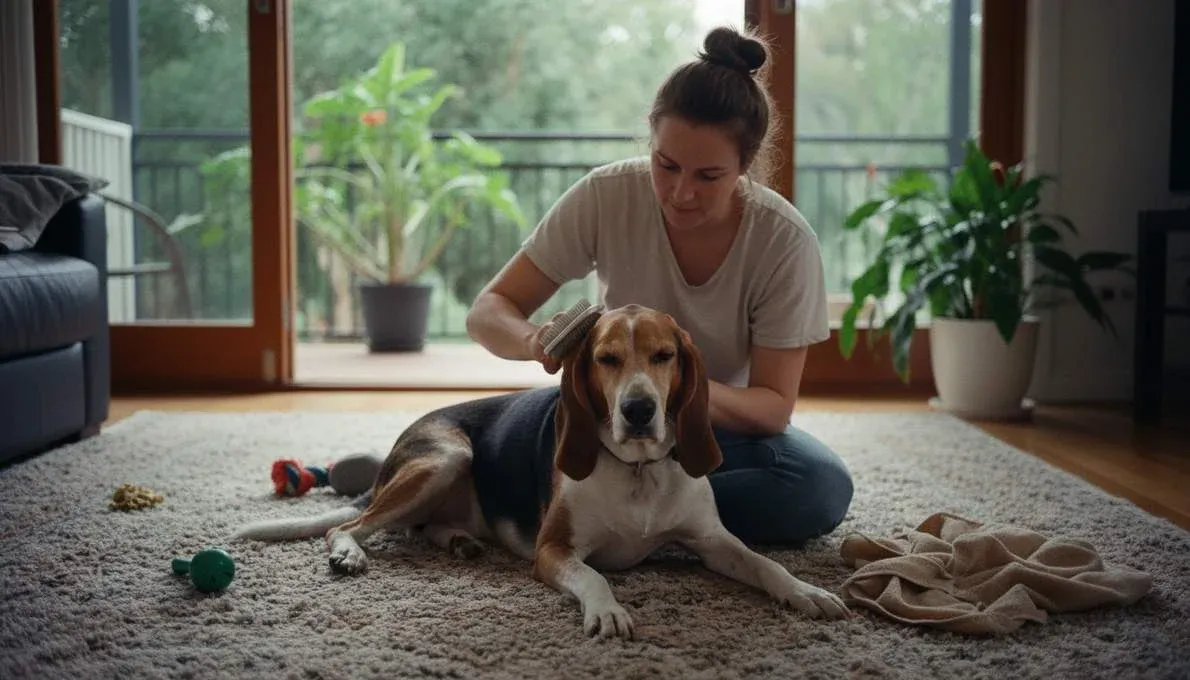
If low-maintenance grooming is high on your list, the American Foxhound delivers. Their short, hard coat was built to withstand rough terrain and essentially looks after itself.
Grooming Schedule
| Task | Frequency | Notes |
|---|---|---|
| Brushing | Once per week | Bristle brush or hound glove. Removes loose hair and distributes natural oils. |
| Bathing | Only when dirty | Over-bathing strips natural coat oils. A hound glove wipe-down is usually enough. |
| Ear Cleaning | Weekly | Critical for this breed. Long ears trap moisture. Use a vet-recommended ear cleaner. |
| Nail Trimming | Every 2–3 weeks | Active dogs may wear nails down naturally. Check regularly. |
| Dental Care | Daily brushing (ideally) | Annual professional clean. Dental chews help between cleanings. |
One thing Foxhound owners mention: these dogs can have a distinct “houndy” smell, especially when wet. It’s not a sign of poor health — it’s just the breed. Regular ear cleaning and occasional bathing keeps it manageable.
Exercise Needs
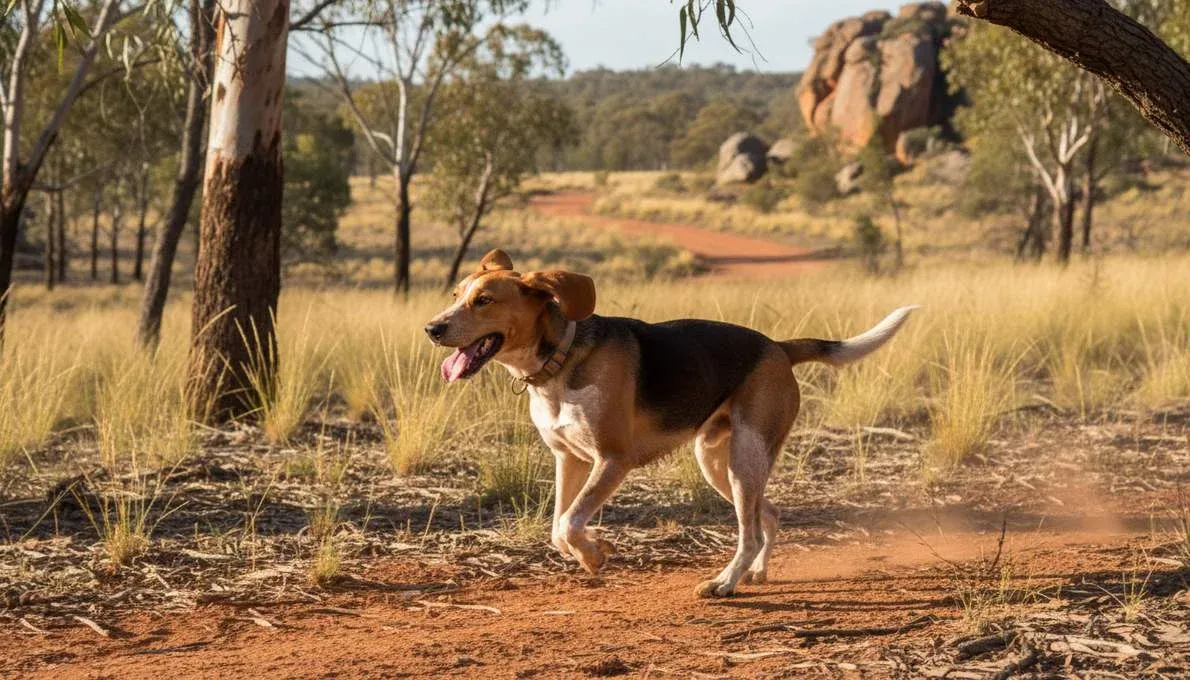
This is where people underestimate the American Foxhound, and it’s the number one reason dogs of this breed end up in rescue. They were bred to chase foxes across open country for hours at a time. A 20-minute stroll around the block is an insult to their DNA.
Daily requirement: 1–2 hours minimum of vigorous exercise. This means running, not just walking. A brisk 45-minute walk plus off-lead time in a secure area is the bare minimum.
Ideal activities: Long-distance jogging or running (they make outstanding running partners once fully grown), scent work, tracking trials, lure coursing, agility, and hiking. If you have rural property, they’ll happily patrol it all day.
Mental stimulation: Scent-based games and puzzle feeders are ideal for this breed. Hide treats around the yard and let them track — it activates their strongest instinct in a productive way.
Australian Climate Warning
American Foxhounds handle heat better than flat-faced breeds, but Australian summers still require caution. Exercise in early morning or evening during warmer months. Always carry water and watch for signs of heat stress. Their short coat means they’re also vulnerable to sunburn on lighter-coloured areas — particularly the nose and ears. Apply pet-safe sunscreen if they’ll be in direct sun for extended periods.
For Australian owners with acreage or rural property, this breed is a natural fit. Suburban owners need to be realistic about whether they can meet the exercise demands day after day, year after year.
Training Guide
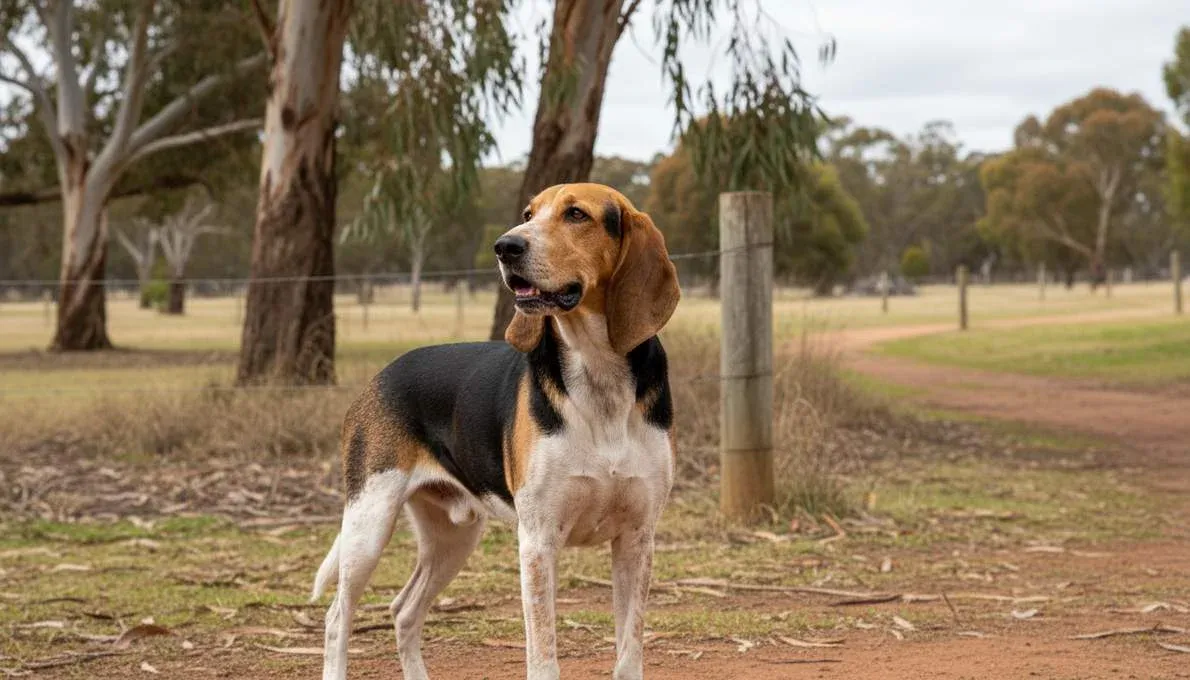
Let’s be honest: the American Foxhound is not the breed you choose if you want a dog that hangs on your every word. They’re intelligent — no question — but they were bred to work independently, following scent rather than human commands. Training requires patience, consistency and a good sense of humour.
Socialisation & Training Timeline
| Age | Focus | Tips |
|---|---|---|
| 8–16 weeks | Socialisation, basic name recognition, crate training | Expose to people, dogs, sounds, environments. This breed socialises easily — use that window. |
| 4–6 months | Sit, stay, come (in low-distraction settings), lead manners | Use high-value food rewards. Keep sessions short (10 min). End on a success. |
| 6–12 months | Recall (the hardest command for this breed), impulse control, bay management | Practice recall in enclosed areas first. Never trust off-lead near roads. A long training line is your best friend. |
| 1–2 years | Advanced recall, scent work channels, structured activities | Redirect the hunting drive into tracking trials or nose work. A mentally engaged Foxhound is a well-behaved one. |
| 2+ years | Maintenance and enrichment | Keep regular training sessions. Consistency matters more than intensity with this breed. |
Key training truth: you will never fully override a Foxhound’s nose. Off-lead reliability in open areas is unrealistic for most dogs of this breed. Accept that and plan accordingly — long leads, secure fencing and enclosed exercise areas are non-negotiable.
Price & Costs
Owning an American Foxhound in Australia presents a unique challenge: finding one. The breed is extremely rare here, and the cost of acquisition may be higher than in the US simply because of limited supply. Once you have one, though, they’re a relatively affordable breed to maintain.
Purchase Price
In the United States, American Foxhound puppies typically cost US$500–$1,500 from a breeder. In Australia, the extreme rarity of the breed means you’re unlikely to find a dedicated American Foxhound breeder. Your options include importing (which involves quarantine, transport and paperwork costing $5,000–$15,000+ AUD on top of the puppy price), contacting English Foxhound breeders through Dogs Australia (ANKC) for guidance, or monitoring breed-specific rescues.
If you’re set on a Foxhound in Australia, the English Foxhound is far more accessible. Breeders like Foxhunt, Foxgully and Sarangrave are established, ethical kennels producing quality dogs with similar temperament and needs. Contact them through DogzOnline or your state kennel council.
Ongoing Annual Costs (Estimated AUD)
| Expense | Estimated Annual Cost (AUD) |
|---|---|
| High-quality dog food | $700–$1,200 |
| Routine vet care (check-ups, vaccinations) | $300–$600 |
| Pet insurance | $500–$1,100 |
| Flea/tick/worming prevention | $200–$350 |
| Council registration | $50–$200 (varies by council) |
| Grooming supplies | $50–$100 (minimal needs) |
| Training (group classes) | $150–$500 |
| Toys, bedding, misc. | $150–$300 |
| TOTAL (approximate) | $2,100–$4,350 per year |
The Foxhound’s health robustness means fewer unexpected vet bills compared to many breeds. Their biggest ongoing costs are food (they’re enthusiastic eaters) and whatever fencing upgrades you need to keep them contained.
Rescue & Adoption
American Foxhounds in Australian shelters are exceptionally rare. However, PetRescue (petrescue.com.au) occasionally lists Foxhound-type dogs and hound crosses. In the US, breed-specific rescues rehome retired hunting Foxhounds in large numbers — if you’re open to importing a rescue, organisations like the American Foxhound Rescue can be contacted, though Australian quarantine and import rules will apply.
Is the American Foxhound Right for You?
- Have a large, securely fenced property (rural or semi-rural is ideal)
- Are an active person who runs, hikes or cycles regularly and wants a canine companion
- Already have another dog — Foxhounds thrive in pairs or packs
- Have experience with independent hound breeds and understand scent-driven behaviour
- Don’t mind vocal dogs and have enough distance from neighbours to manage baying
- Are patient with training and can accept a dog that will never be robotically obedient
- Live in an apartment, townhouse or suburban home with close neighbours
- Want a dog that comes when called reliably off-lead in open areas
- Work long hours and the dog would be alone without canine company
- Have non-dog pets (rabbits, guinea pigs, chickens) and cannot guarantee separation — the prey drive is real
- Expect a quiet, low-energy companion
- Aren’t prepared for the difficulty of sourcing this breed in Australia
If the American Foxhound appeals but availability is a concern, consider the English Foxhound (more common in Australia with established breeders), the Beagle (similar temperament in a smaller package) or the Harrier (a mid-sized hound that bridges the gap between Beagles and Foxhounds).
The American Foxhound is a gorgeous, good-natured breed that most Australians will never encounter in person. Here’s the honest summary:
- They are one of the sweetest, most gentle hound breeds — exceptional with children, brilliant with other dogs and genuinely easygoing in temperament.
- They need serious exercise, serious fencing and an owner who can accept that a Foxhound’s nose will always outrank your voice. Training is about management, not domination.
- Finding one in Australia is the biggest obstacle. English Foxhounds are the realistic alternative for most Aussie owners, with similar traits and established local breeders.
If you can meet their needs — and you can actually find one — the American Foxhound will reward you with a decade-plus of loyal, musical, endlessly enthusiastic companionship. Just warn the neighbours first.
American Foxhound FAQs
Are American Foxhounds available in Australia?
Barely. The American Foxhound is extremely rare in Australia. There are no dedicated American Foxhound breeders currently registered through Dogs Australia (ANKC). English Foxhound breeders are established here and produce dogs with a very similar temperament and build. If you’re specifically set on an American Foxhound, importing from the US is possible but involves significant cost and quarantine logistics.
How long do American Foxhounds live?
The average American Foxhound life expectancy is 11–13 years, with well-cared-for dogs sometimes reaching 15. They’re a generally healthy breed, and the biggest factors affecting longevity are weight management, consistent exercise and routine veterinary care.
How much does an American Foxhound cost?
In the US, American Foxhound puppies from reputable breeders cost US$500–$1,500. In Australia, the extreme rarity of the breed means you’d likely need to import, which can push the total cost to $5,000–$15,000+ AUD including transport, quarantine and breeder fees. English Foxhound puppies from Australian breeders are a more accessible and affordable option.
What is the difference between an American Foxhound and an English Foxhound?
American Foxhounds are taller, leaner and faster than their English cousins. English Foxhounds are stockier and slightly more compact. Both share a friendly, pack-oriented temperament, but American Foxhounds tend to be more independent and have a rangier build. English Foxhounds are more common in Australia due to the country’s historical ties to English fox hunting traditions.
Do American Foxhounds shed?
Yes, but moderately. American Foxhound shedding is manageable with weekly brushing using a bristle brush or hound glove. They have a short, hard coat that doesn’t require professional grooming. They’re not a heavy-shedding breed compared to double-coated dogs like Huskies or German Shepherds.
Are American Foxhounds good family dogs?
Absolutely — for the right family. They’re gentle, patient with children and get along well with other dogs. The caveats are their high exercise needs, vocal nature (baying can be very loud), and the fact that they’ll follow a scent over a cliff if given the chance. Families with space, active lifestyles and secure fencing will find them wonderful companions.
How big do American Foxhounds get?
Males stand 53–64 cm at the shoulder and weigh 27–32 kg. Females are slightly smaller at 51–61 cm and 23–27 kg. They’re a medium-to-large breed with a lean, athletic build — they should look fit and rangy, not bulky.
Can American Foxhounds live in apartments?
No. This is one of the worst breeds for apartment living. They need significant space to move, and their loud baying will create noise complaints in any shared-wall living situation. They’re best suited to houses with large, securely fenced yards — ideally in rural or semi-rural settings.
Are American Foxhounds and Beagles related?
Yes, both belong to the hound group and share common ancestry in English hunting dogs. The Beagle is smaller (33–40 cm) while the American Foxhound is larger (53–64 cm). Both are scent-driven, friendly and can be stubborn during training. Beagles are a more practical choice for Australian suburban living, while Foxhounds suit active, space-rich households.
What colours do American Foxhounds come in?
The most common pattern is tri-colour — black, white and tan. However, the breed standard accepts any colour combination. You may also see bi-colour dogs (white and tan, or white and black), as well as red, lemon and blue variations. Coat colour has no effect on temperament or health.
1. American Kennel Club — American Foxhound Breed Information: https://www.akc.org/dog-breeds/american-foxhound/
2. PetMD — American Foxhound Health and Care: https://www.petmd.com/dog/breeds/american-foxhound
3. Wisdom Panel — American Foxhound Breed Facts: https://www.wisdompanel.com/en-us/dog-breeds/american-foxhound
4. DogTime — American Foxhound Breed Information & Characteristics: https://dogtime.com/dog-breeds/american-foxhound
5. Burke’s Backyard — Foxhounds in Australia: https://www.burkesbackyard.com.au/fact-sheets/pets/pet-road-tests/foxhounds/
6. DogzOnline — Foxhound Breeders in Australia: https://www.dogzonline.com.au/breeds/breeders/foxhound.asp
7. Dogs NSW — Foxhound Breeds: https://www.dogsnsw.org.au/Breeds/browse-all-breeds/95/Foxhound/
8. Wikipedia — American Foxhound: https://en.wikipedia.org/wiki/American_Foxhound