
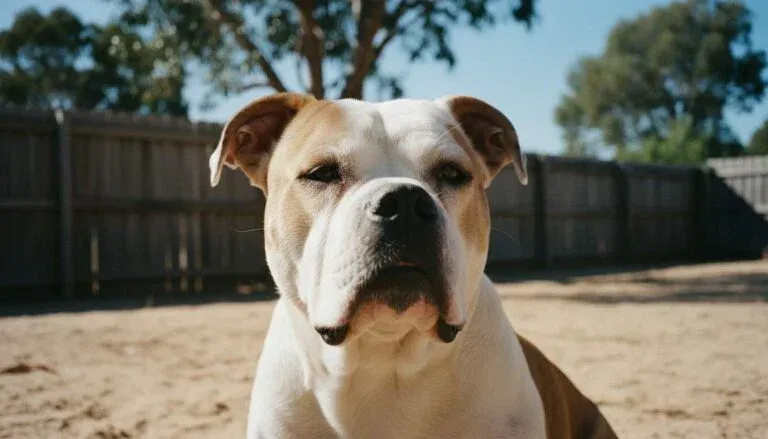
There’s a moment every American Bulldog owner knows. You’re on the couch, minding your own business, and 45 kilograms of muscle decides it’s a lap dog. That’s the American Bulldog in a nutshell — equal parts tank and teddy bear.
Originally bred as farm utility dogs in the American South, these powerhouses nearly went extinct before breeders John D. Johnson and Alan Scott brought them back from the brink in the 1940s. Today, the American Bulldog is one of the most misunderstood breeds in Australia. People confuse them with Pit Bulls (they’re not), assume they’re aggressive (they’re not inherently), and underestimate just how much exercise, training and commitment they actually need.
This guide covers the real deal — American Bulldog temperament, health issues, Australian costs in AUD, and honest advice on whether this breed belongs in your home. No fluff, no recycled textbook info.
What You’ll Learn
- Breed traits & temperament
- Health concerns to know
- True cost in Australia
- Training & exercise needs
- Is this breed right for you?
Breed Quick Facts Table
| Trait | Details |
|---|---|
| Breed Group | Working / Utility (UKC recognised; not yet full AKC breed) |
| Height | Males: 56–69 cm | Females: 51–64 cm |
| Weight | Males: 27–45 kg | Females: 23–36 kg |
| Lifespan | 10–15 years (average 11–12 years) |
| Coat | Short, smooth. Mostly white with coloured patches (brindle, fawn, brown, red) |
| Shedding | Low to moderate — weekly brushing is enough |
| Temperament | Loyal, protective, confident, affectionate with family, can be strong-willed |
| Exercise Needs | 1–2 hours daily. High energy. Needs a job or structured activity. |
| Training Difficulty | Moderate to high — intelligent but stubborn. Early socialisation critical. |
| Good with Kids? | Yes, with older children. Too powerful for toddlers without supervision. |
| Apartment Friendly? | No. Needs a house with a securely fenced yard. |
| Banned in Australia? | No. American Bulldogs are legal. Often confused with the banned American Pit Bull Terrier. |
| Puppy Price (AUD) | $1,500–$4,000+ from a registered breeder |
History of the American Bulldog
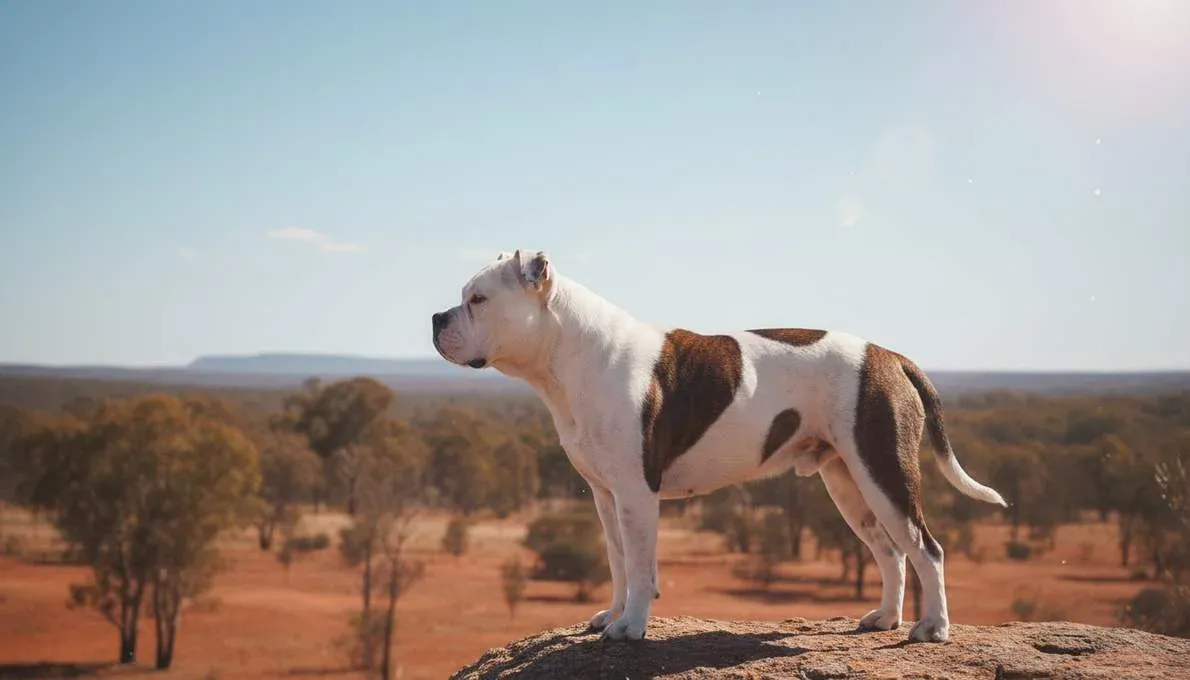
The American Bulldog is a direct descendant of the Old English Bulldog — not the squat, flat-faced English Bulldog you see today, but the original athletic working dog bred for bull-baiting in 17th-century England.
When English immigrants moved to the American South, they brought these dogs along as all-purpose farm workers. The breed was used for everything from herding cattle and guarding property to hunting feral hogs. They went by regional names like “English White,” “Alabama Bulldog” and “Southern Bulldog” before the name “American Bulldog” became standard in the 1980s.
By the mid-20th century, the breed was nearly extinct. Two men — John D. Johnson and Alan Scott — are credited with saving the American Bulldog from disappearing entirely. Their separate breeding programmes created the two recognised bloodlines that still exist today:
Johnson (Classic/Bully) type: Bigger, heavier, broader skull. More mastiff-like in build. Think stocky and imposing.
Scott (Standard/Performance) type: Leaner, more athletic, longer muzzle. Built for agility and endurance.
In Australia, both bloodlines are bred by registered kennels through the American Bulldog Registry & Archives (ABRA). Many Australian breeders, including established operations like Theora American Bulldogs (VIC/NSW border) and Gray’s American Bulldogs (South Australia), import semen from American and European champion lines to maintain genetic diversity.
Temperament of the American Bulldog
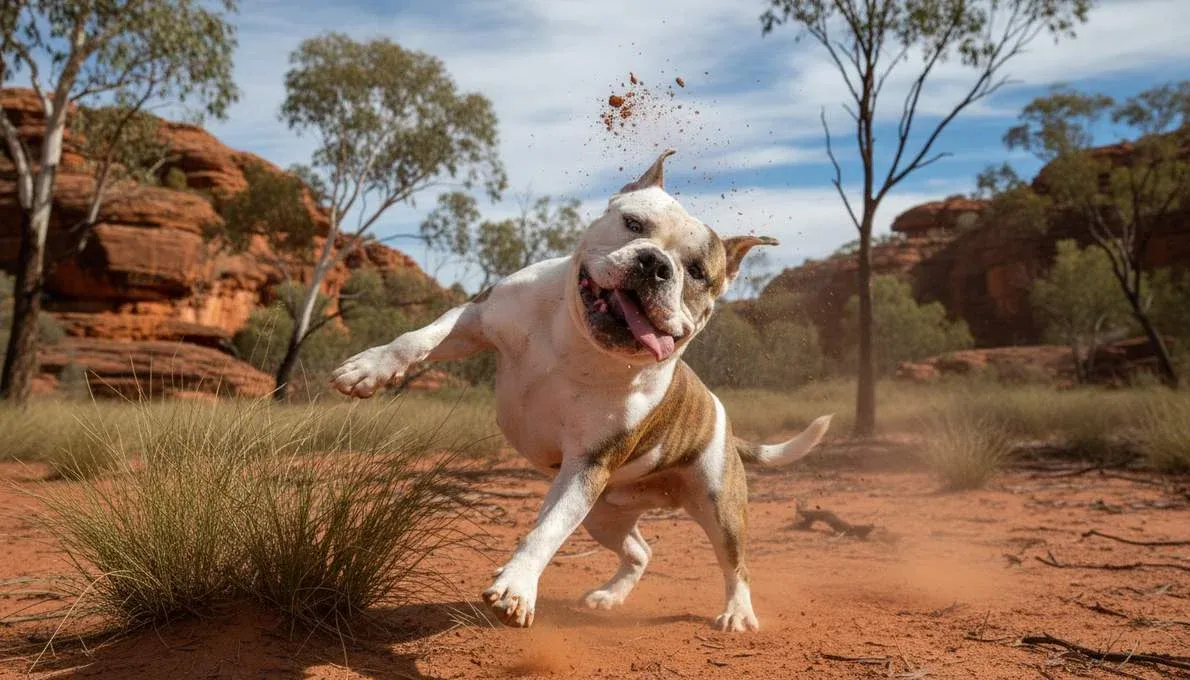
If you’re researching American Bulldog temperament, here’s what the breed profiles won’t always tell you: this dog will test you. They are incredibly loyal, genuinely affectionate and often hilariously goofy with their families — but they are also strong-willed, physically powerful and not a breed that responds well to passive ownership.
American Bulldogs bond deeply with their people. They’re known to be patient with children (especially older kids) and many owners describe them as “gentle giants” who just want to be near you at all times. They’re alert, naturally protective and make excellent watchdogs without being neurotic barkers.
They can be territorial and suspicious of strangers if not socialised early and consistently. Same-sex aggression is a real concern with this breed, and they have a prey drive that can make them risky around small dogs and cats. Introducing a new pet into a home with an American Bulldog needs to be managed very carefully.
They don’t do well left alone for long periods. A bored American Bulldog will redecorate your house — and not in a good way. Destructive chewing, excessive barking and anxious behaviour are common complaints from owners who underestimated the breed’s need for stimulation.
This is one of the most searched questions about the breed in Australia, and the answer is nuanced. American Bulldogs are not inherently dangerous or vicious. However, they are large, powerful dogs with a high drive and a protective instinct. In the hands of an inexperienced or irresponsible owner, any powerful breed can become a problem. Early socialisation, consistent positive-reinforcement training and responsible ownership are non-negotiable with this breed.
Importantly, American Bulldogs are not the same breed as American Pit Bull Terriers, despite the frequent confusion. American Bulldogs are legal in all Australian states and territories.
Health of the American Bulldog
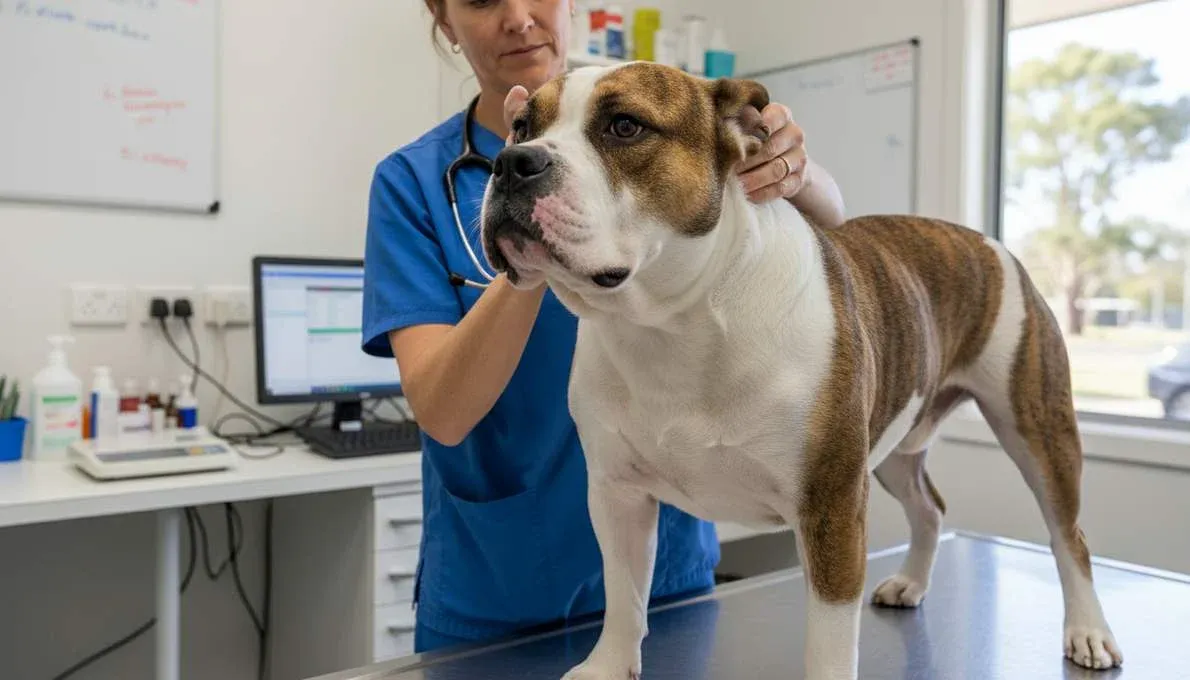
No one wants to think about health problems when they’re gazing at a chubby American Bulldog puppy, but knowing what’s ahead can save you thousands of dollars and a lot of heartbreak. The breed is considered generally hardy, but there are conditions that crop up more often than average.
| Condition | What It Is | Estimated Cost (AUD) |
|---|---|---|
| Hip Dysplasia | Malformed hip joint causing arthritis and mobility loss | $1,500–$6,000+ per hip (surgical) |
| Elbow Dysplasia | Similar joint malformation in elbows | $1,500–$4,000 per elbow |
| Cherry Eye | Prolapsed third eyelid gland. Red, swollen lump at eye corner. | $500–$1,500 per eye |
| Skin Allergies | Itching, redness, recurring ear/skin infections from overactive immune system | $200–$800/year (ongoing management) |
| NCL (Neuronal Ceroid Lipofuscinosis) | Inherited neurological disease. Fatal and untreatable. DNA test available. | $80–$150 (DNA test to screen) |
| Deafness | Often linked to predominantly white coats. Can affect one or both ears. | BAER test: $200–$400 |
| Cataracts / Eye Problems | Progressive vision loss, especially in older dogs | $1,500–$3,500 per eye (surgical) |
The single most important thing you can do is buy from a breeder who health tests their dogs. Reputable Australian breeders screen for hip and elbow dysplasia (via PennHIP or OFA-equivalent scoring), NCL, and other breed-specific conditions. If a breeder can’t show you health clearances for both parents, walk away.
Pet insurance is worth serious consideration with this breed. Annual premiums for an American Bulldog in Australia typically run $60–$120 per month depending on cover level and your location.
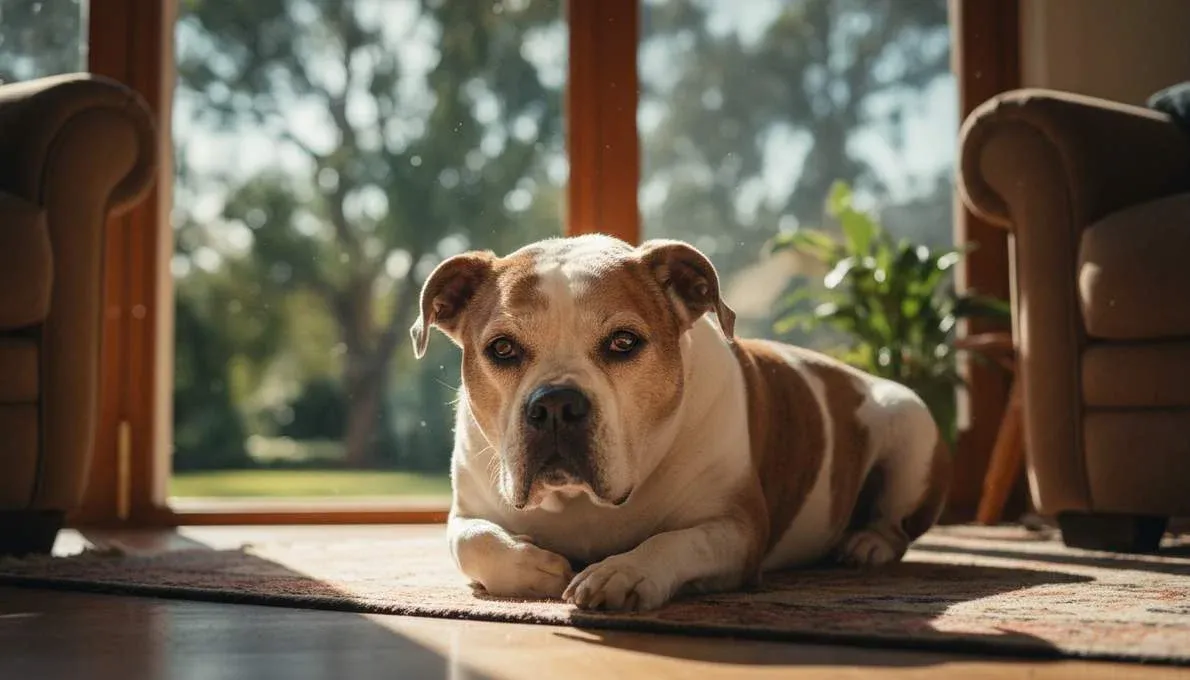
Lifespan of the American Bulldog
The average American Bulldog lifespan is 10–12 years, with some sources citing up to 15 years for particularly healthy individuals. That’s a solid lifespan for a large-breed dog — they tend to outlive many other breeds of similar size.
Genetics: Buying from health-tested parents is the single biggest factor. NCL, in particular, is a fatal inherited disease that can be completely avoided through DNA screening.
Weight management: American Bulldogs are prone to obesity, especially as they age. An overweight Bulldog puts enormous stress on joints already at risk of dysplasia.
Diet: High-protein, low-carb food formulated for large breeds. Avoid cheap filler-heavy kibble.
Exercise: Consistent daily exercise keeps joints healthy and prevents the boredom-driven stress that impacts overall wellbeing.
Puppies (0–2 years): Feed large-breed puppy food for the first 14 months. Avoid calcium supplements that accelerate bone growth too quickly. Three meals per day, transitioning to two.
Adults (2–7 years): Annual vet checks, joint supplements if recommended, and maintaining ideal body condition. You should be able to feel ribs without pressing hard.
Seniors (7+ years): Twice-yearly vet visits. Watch for joint stiffness, vision changes and weight gain. Adjust exercise to lower-impact activities like swimming.
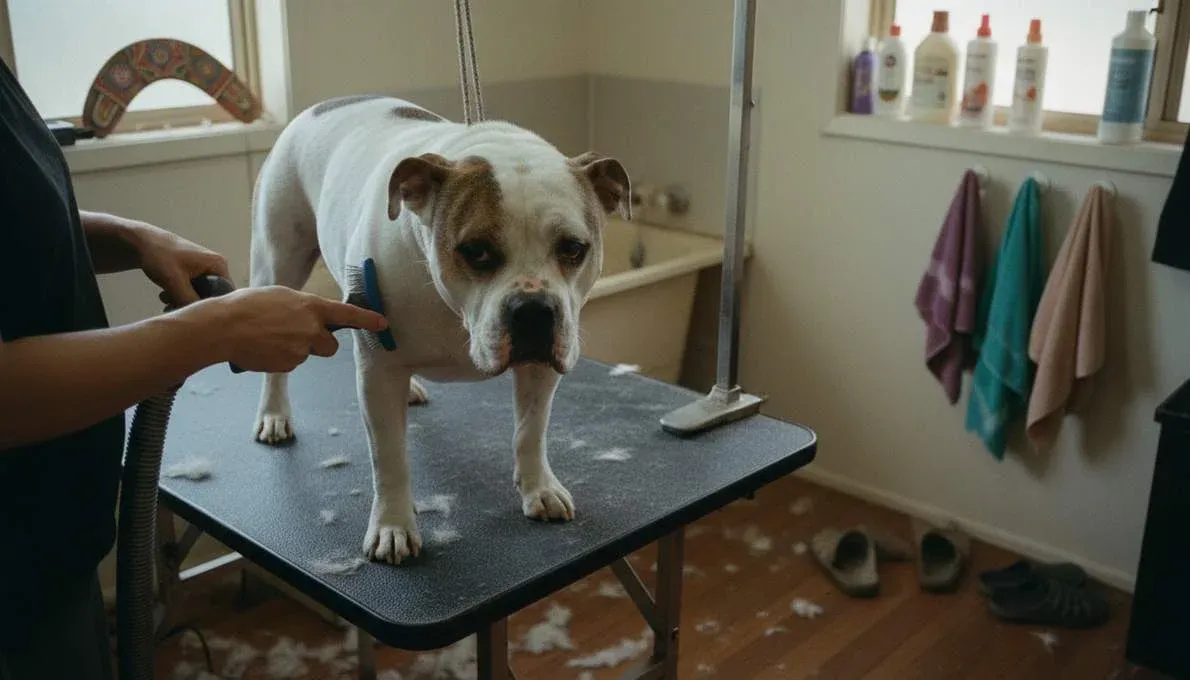
Grooming the American Bulldog
Good news: American Bulldogs are low-maintenance in the grooming department. Their short, smooth coat doesn’t need professional grooming, and they shed far less than double-coated breeds.
Grooming Schedule
| Task | Frequency | Notes |
|---|---|---|
| Brushing | Once per week | Bristle brush to remove dead hair and add shine |
| Bathing | Monthly (or as needed) | Use a gentle dog shampoo. More often if they roll in something foul. |
| Wrinkle Cleaning | Daily | Wipe muzzle folds with a damp cloth. Bacteria thrives in skin folds. |
| Ear Cleaning | Monthly (check weekly) | Soft cotton pad. Never insert anything into the ear canal. |
| Nail Trimming | Every 2 weeks | Use dog-specific clippers. If you hear clicking on hard floors, they’re overdue. |
| Dental Care | Daily brushing (ideally) | Annual professional clean at the vet. Dental disease is common in the breed. |
For Australian owners, look for products available at local pet retailers like PETstock or Pet Circle. A decent bristle brush ($15–$25), dog-specific ear cleaner ($15–$30) and a gentle oatmeal-based shampoo ($12–$20) are all you need to get started.
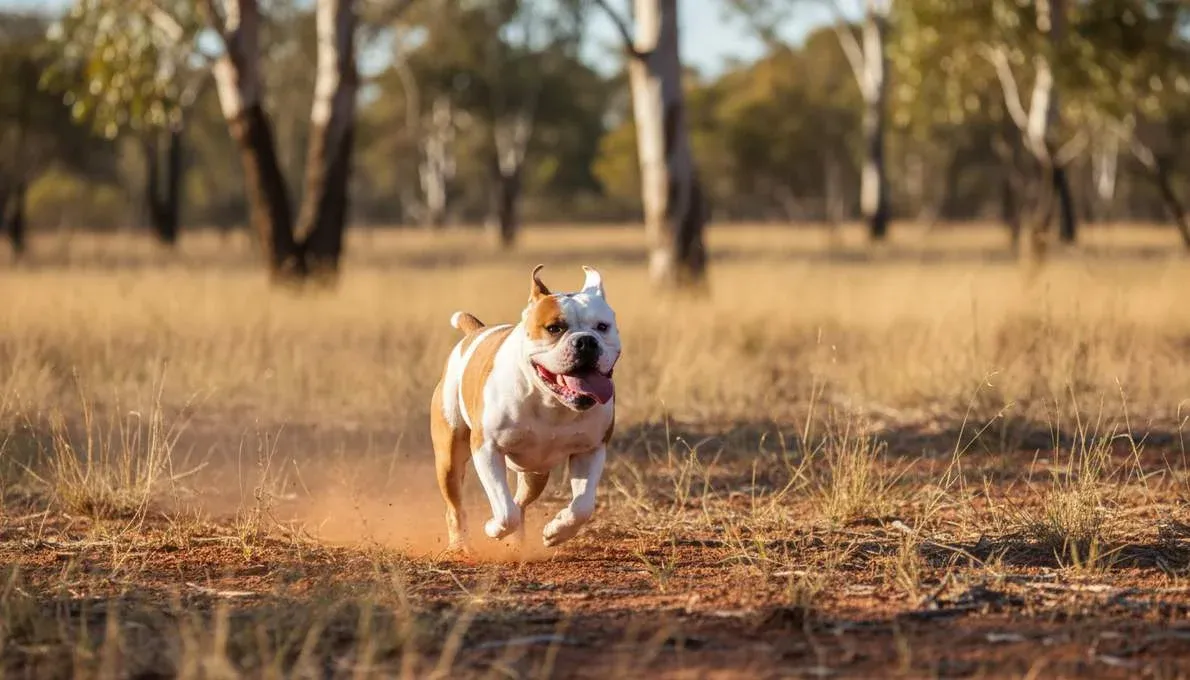
Exercise Needs of the American Bulldog
American Bulldogs are athletic, high-energy working dogs. If you’re picturing a lazy Bulldog that sleeps on the couch all day, you’re thinking of the English Bulldog. The American version needs to move.
Daily requirement: 1–2 hours of exercise. This should include at least one structured walk of 45+ minutes plus off-lead play in a secure area.
Ideal activities: Brisk walking, jogging (once fully grown), fetch, tug-of-war, agility courses, and weight pulling. They also love swimming, which is excellent for joints.
Mental stimulation: Just as important as physical exercise. Puzzle toys, training sessions and scent games prevent boredom-driven destruction.
Australian Climate Warning
American Bulldogs are brachycephalic-adjacent — they have shorter muzzles than many breeds, which makes them more prone to overheating. In Australian summers, this is a serious concern.
Exercise in the early morning or after sunset during warmer months. Always carry water, watch for heavy panting and drooling, and never leave them in a car or direct sun. Heatstroke can be fatal and it can happen faster than you’d expect with this breed. If you’re in Darwin, Far North Queensland or inland WA, you’ll need to be especially careful from October through March.
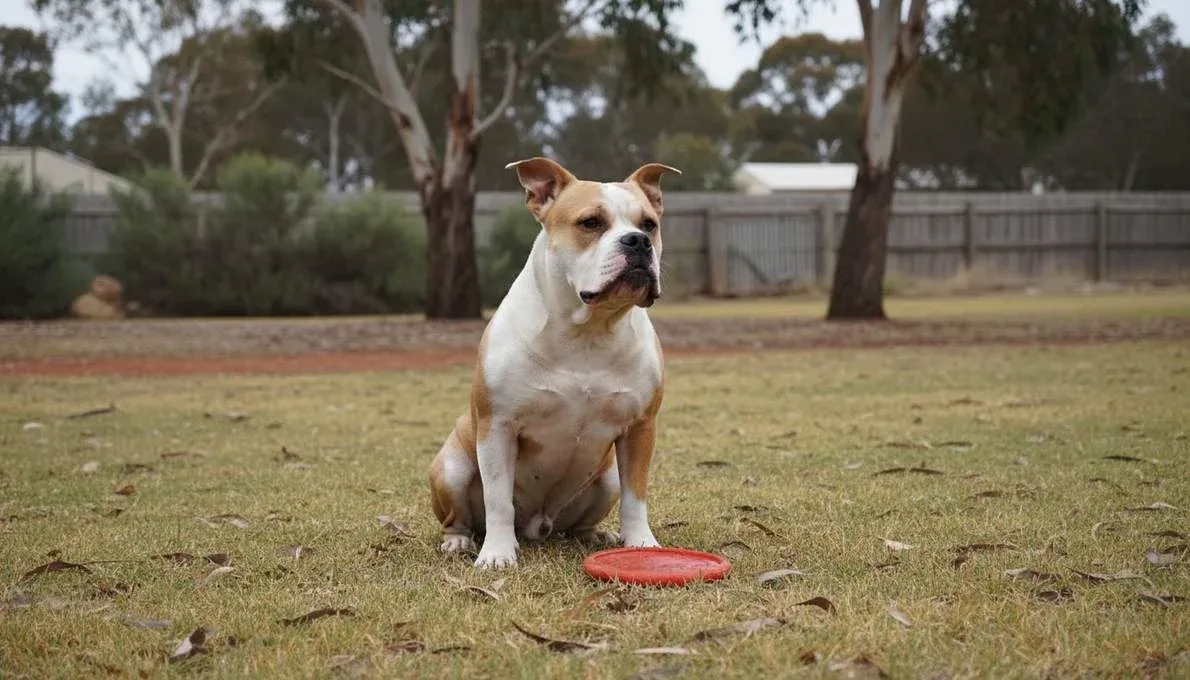
Training the American Bulldog
Are American Bulldogs easy to train? Honestly — it depends on the owner. They’re intelligent dogs who learn quickly, but they’re also stubborn and will push boundaries if you let them. A confident, consistent owner who uses positive reinforcement will get excellent results. A passive or inconsistent owner will end up with a 40 kg dog who thinks he’s in charge.
Socialisation & Training Timeline
| Age | Focus | Tips |
|---|---|---|
| 8–16 weeks | Socialisation, name recognition, basic house training | Expose to different people, dogs, sounds, environments. This is the most critical window. |
| 4–6 months | Basic obedience: sit, stay, come, lead walking | Short 10–15 min sessions. High-value treats. End on a win. |
| 6–12 months | Impulse control, recall under distraction, loose-lead walking | Adolescent stubbornness peaks here. Stay consistent. Consider a professional trainer. |
| 1–2 years | Advanced obedience, off-lead reliability, ongoing socialisation | Introduce structured activities like agility or nose work. Mental stimulation is key. |
| 2+ years | Maintenance and enrichment | Keep training sessions regular. A trained American Bulldog is a joy; an untrained one is a liability. |
Never use punishment-based methods with this breed. Harsh corrections can create fear-based aggression in a dog this powerful. Positive reinforcement, patience and starting early are the formula.
Price & Costs of an American Bulldog in Australia
Let’s talk money — because American Bulldogs are not a cheap breed to own. Between the purchase price, food bills and potential vet costs, you’re looking at a significant financial commitment over 10–15 years.
Purchase Price
American Bulldog puppies from a registered, health-tested breeder in Australia typically cost between $1,500 and $4,000 AUD. Johnson bloodline puppies and dogs from champion lines can exceed $4,000. Prices on platforms like Gumtree range from $1,000 to $2,500, but be extremely cautious with unregistered sellers who may not health test.
Registered breeders to look into include those listed with the American Bulldog Registry & Archives (ABRA) in Australia. Dogs should come with health clearances, vaccination records, microchip details and registration papers.
Ongoing Annual Costs (Estimated AUD)
| Expense | Estimated Annual Cost (AUD) |
|---|---|
| High-quality large-breed dog food | $800–$1,500 |
| Routine vet care (check-ups, vaccinations) | $300–$600 |
| Pet insurance | $720–$1,440 |
| Flea/tick/worming prevention | $200–$400 |
| Council registration | $50–$200 (varies by council) |
| Grooming supplies | $100–$200 |
| Training (group classes) | $150–$500 |
| Toys, bedding, misc. | $200–$400 |
| TOTAL (approximate) | $2,520–$5,240 per year |
That doesn’t include unexpected vet bills. A single hip dysplasia surgery can run $3,000–$6,000+, so factor in either a dedicated emergency fund or comprehensive pet insurance.
Rescue & Adoption
Adoption fees through rescue organisations typically range from $400–$800 and usually include desexing, vaccinations and microchipping. Check PetRescue (petrescue.com.au) and your local RSPCA for American Bulldogs and American Bulldog crosses looking for homes.
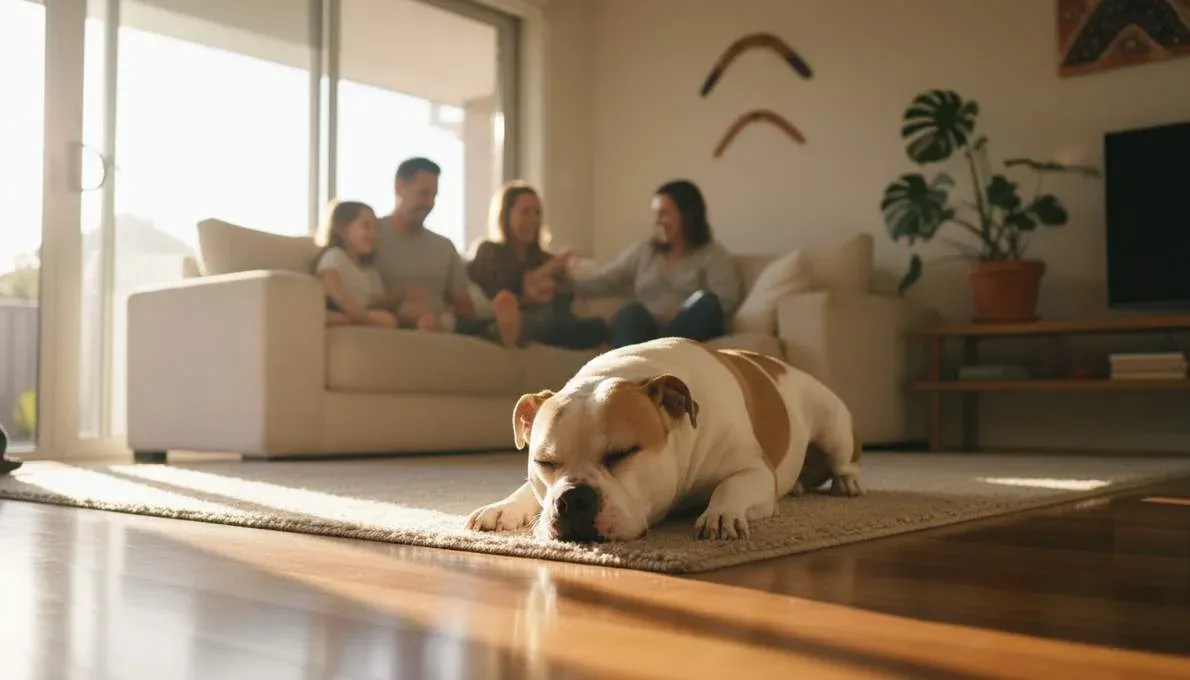
Is the American Bulldog Right for You?
- Have experience with large, strong-willed breeds
- Can commit to 1–2 hours of daily exercise and mental stimulation
- Have a house with a securely fenced yard (1.8m minimum fence height — they can jump)
- Are home often or can arrange company for your dog
- Are prepared for potential vet costs in the thousands
- Will invest in early socialisation and ongoing positive-reinforcement training
- Live in an apartment or have no yard
- Are a first-time dog owner with no experience handling powerful breeds
- Work long hours and the dog would be alone most of the day
- Have small pets (cats, rabbits) and cannot guarantee safe, supervised introductions
- Want a “set and forget” breed that requires minimal engagement
- Are uncomfortable with a dog that may attract public attention and misidentification as a “dangerous breed”
If you’re comparing breeds, American Bulldogs share some traits with the American Staffordshire Terrier and the Boxer, but they’re a larger, more driven breed. If you want a similar temperament in a slightly easier package, a Staffordshire Bull Terrier or a Labrador might be worth considering.
The American Bulldog is a spectacular breed in the right hands. Here’s the honest summary:
- They are fiercely loyal, affectionate and protective family dogs that bond deeply with their people.
- They require experienced, committed owners who can provide consistent training, daily exercise and proper socialisation from puppyhood.
- They come with real financial and time costs — from potential health issues (hip dysplasia, skin allergies, cherry eye) to the sheer volume of food a 40+ kg dog needs.
If you’re prepared for the commitment, an American Bulldog will give you a decade or more of unwavering loyalty, clumsy couch cuddles and a level of devotion that’s hard to match. If you’re not — both you and the dog will suffer. Choose wisely.
American Bulldog FAQs
Are American Bulldogs banned in Australia?
No. American Bulldogs are not a restricted or banned breed in any Australian state or territory. They are frequently confused with the American Pit Bull Terrier, which is banned from importation under Commonwealth customs legislation. American Bulldogs are a separate breed entirely and are legal to own, breed and register in Australia through organisations like ABRA.
Are American Bulldogs dangerous?
American Bulldogs are not inherently dangerous, but they are large, powerful dogs with a strong protective instinct. Without proper socialisation, training and responsible ownership, any powerful breed can become a risk. With early socialisation and consistent training, they are typically gentle, loyal family companions. They are not classified as a dangerous breed under Australian law.
How long do American Bulldogs live?
The average American Bulldog lifespan is 10–12 years, with some living up to 15 years with good genetics, diet and veterinary care. For a large breed, this is above average. The biggest factors affecting longevity are genetic health screening of parents, weight management and consistent veterinary check-ups.
How much does an American Bulldog cost in Australia?
Expect to pay $1,500–$4,000 AUD from a registered breeder with health-tested parents. Prices vary depending on bloodline (Johnson vs Scott), breeder reputation and whether the puppy comes with ABRA registration. Ongoing costs run approximately $2,500–$5,000 per year including food, vet care, insurance and supplies.
Are American Bulldogs good family dogs?
Yes — for the right family. They are loyal, affectionate and patient with older children. However, their size and strength mean they’re not ideal around toddlers without close supervision. They do best in active households with experienced dog owners who can provide structure, training and regular exercise.
Are American Bulldogs the same as Pit Bulls?
No. While they share some Old English Bulldog ancestry, the American Bulldog and the American Pit Bull Terrier are distinct breeds with different histories, breed standards and physical characteristics. American Bulldogs are generally larger and heavier. The confusion is common but the legal and practical distinction matters — especially in Australia where Pit Bull Terriers are restricted and American Bulldogs are not.
Do American Bulldogs shed a lot?
No. American Bulldogs have a short, smooth coat that sheds lightly year-round. Weekly brushing with a bristle brush is enough to manage loose hair. They’re one of the lower-shedding large breeds, which is a bonus for owners who don’t want fur covering every surface in the house.
How big do American Bulldogs get?
Males typically stand 56–69 cm at the shoulder and weigh 27–45 kg. Females are slightly smaller at 51–64 cm and 23–36 kg. Johnson-type bulldogs tend to be at the heavier end of the range, while Scott-type dogs are leaner and more athletic.
Can American Bulldogs swim?
Most American Bulldogs can swim, though they’re not natural water dogs like Labradors. Their muscular build means they tire more quickly in water. Swimming is actually excellent low-impact exercise for the breed, especially for dogs with joint concerns. Always supervise them around water and introduce swimming gradually.
What is the difference between a Johnson and Scott American Bulldog?
Johnson (Classic/Bully) American Bulldogs are stockier, heavier and have a broader, more mastiff-like head. Scott (Standard/Performance) American Bulldogs are leaner, more athletic and have a longer muzzle. Many modern American Bulldogs are a mix of both bloodlines. In Australia, reputable breeders can tell you exactly which lines their dogs come from.
1. PetMD — American Bulldog Breed Guide: https://www.petmd.com/dog/breeds/american-bulldog
2. American Kennel Club — American Bulldog Breed Information: https://www.akc.org/dog-breeds/american-bulldog/
3. Chewy — American Bulldog Breed Characteristics & Care: https://www.chewy.com/education/dog-breeds/american-bulldog
4. Dogster — American Bulldog: Breed Info, Facts, Traits & Care: https://www.dogster.com/dog-breeds/american-bulldog
5. Australian Veterinary Association — Breed-Specific Legislation Position Statement: https://www.ava.com.au/policy-advocacy/policies/companion-animals-dog-behaviour/breed-specific-legislation/
6. RSPCA Australia — View on Breed-Specific Legislation: https://kb.rspca.org.au/knowledge-base/what-is-the-rspcas-view-on-breed-specific-legislation/
7. American Bulldog Registry & Archives (ABRA) — Australia: https://www.abra1st.com/australia/
8. PuppyList Australia — American Bulldog Price Guide: https://puppylist.com.au/breeds/american-bulldog/price/