
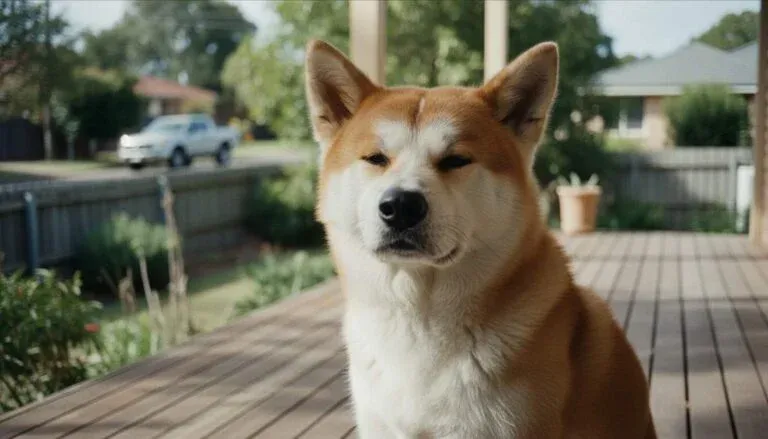
Hachikō never stopped waiting. Every afternoon for nine years, nine months, and fifteen days, the Akita Inu walked to Shibuya Station in Tokyo and sat on the platform, watching for a train that would never bring his owner home. Professor Ueno had died of a brain haemorrhage at work in 1925 — but Hachikō returned to that platform every single day until his own death in 1935.
That story made the Akita Inu a national symbol of loyalty in Japan. A bronze statue still stands at Shibuya Station. The breed was declared a Japanese National Monument in 1931. And when Helen Keller visited Japan in 1937, the Japanese government gifted her an Akita — the first to arrive on American soil.
But there’s a reason every Akita resource opens with warnings alongside the wonder. This is a dog that would die for its family and simultaneously ignore every command if it decides you haven’t earned the right to give one. The Akita Inu is not a Golden Retriever in a bigger coat — it’s a complex, independent, fiercely proud animal that demands a specific kind of owner.
What You’ll Find in This Guide:
- Japanese Akita Inu vs American Akita — they’re not the same breed
- The real temperament: dignity, dominance, and that legendary stubborn streak
- Health issues and their AUD costs
- Why this breed is banned or restricted in some countries
- Honest suitability assessment for Australian owners
Comparing Japanese breeds? Our breeds directory covers everything from toy companions to working giants.
Akita Inu Quick Facts
| Attribute | Details |
|---|---|
| Breed Group | Working (AKC) / Utility (ANKC Group 6) |
| Also Known As | Japanese Akita, Akita-ken, Great Japanese Dog |
| Origin | Akita Prefecture, northern Japan |
| Size Category | Large |
| Height (Adult) | Male: 66–71 cm | Female: 61–66 cm |
| Weight (Adult) | Male: 34–54 kg | Female: 25–45 kg |
| Lifespan | 10–14 years |
| Coat Type | Dense double coat, thick undercoat |
| Shedding | Heavy (“blowing coat” twice yearly) |
| Exercise Needs | 60–90 minutes/day |
| Trainability | 3/5 — intelligent but independent |
| Good with Children | Best with older children, supervised |
| First-Time Owner Suitable | 2/5 — experienced owners strongly preferred |
| Average Puppy Price (AUD) | $2,500 – $5,000+ |
| Australian Legal Status | Legal in all states. Not on prohibited breed list. |
Data sourced from AKC Akita breed standard and PetMD veterinary database.¹²
History of the Akita Inu
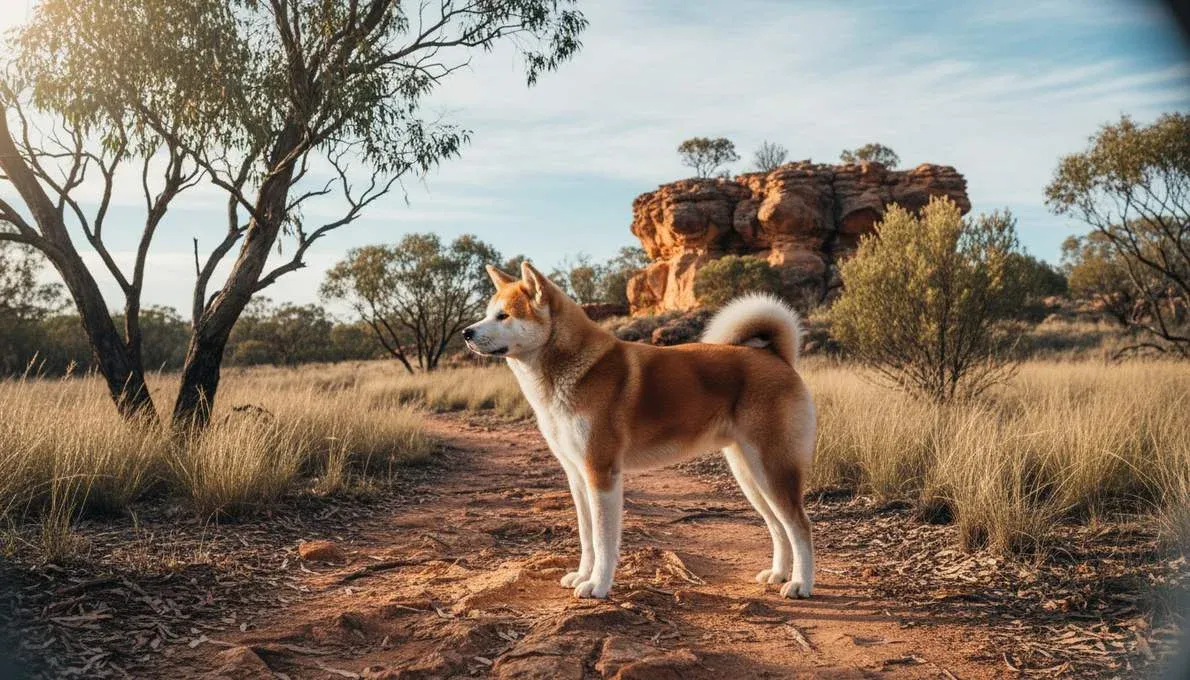
The Akita Inu’s roots trace to the mountains of Akita Prefecture on the northern tip of Honshū island, where they were originally called “Matagi Inu” — meaning “hunting dog for large game.” Their job was to track bears, wild boar, and deer through heavy snow and hold them at bay until hunters arrived.¹
By the 17th century, Akitas had transitioned from hunting companions to guardians of Japanese royalty. Their status was so elevated that a special set of words existed in the Japanese language just for feeding, handling, and speaking about them. Ownership outside the aristocracy was tightly restricted.
The breed nearly went extinct during World War II, when food shortages led to government orders to cull dogs. Only a handful of dedicated breeders hid their best Akitas in remote mountain areas, preserving the bloodline. After the war, American servicemen stationed in Japan brought Akitas home to the United States, beginning a divergence that would eventually split the breed into two distinct lines.³
Japanese Akita Inu vs American Akita
This distinction matters and is one of the most searched topics around the breed. Here’s the honest breakdown:
| Feature | Japanese Akita Inu | American Akita |
|---|---|---|
| Size | 34–54 kg, leaner build | 45–65 kg, heavier, more muscular |
| Head Shape | Fox-like, refined muzzle | Broader, bear-like head |
| Colours | 4 only: red, brindle, white, sesame | All colours including pinto, black masks |
| Temperament | More reserved, quieter, aloof | Bolder, more protective, outgoing |
| Recognition | FCI Standard #255, separate breed | AKC treats as same breed |
Most countries outside the US — including Australia — recognise these as two separate breeds under FCI standards. If you’re buying an Akita in Australia, confirm whether you’re getting a Japanese Akita Inu or an American Akita. They look different, behave differently, and have different registration pathways.
Akita Inu Temperament
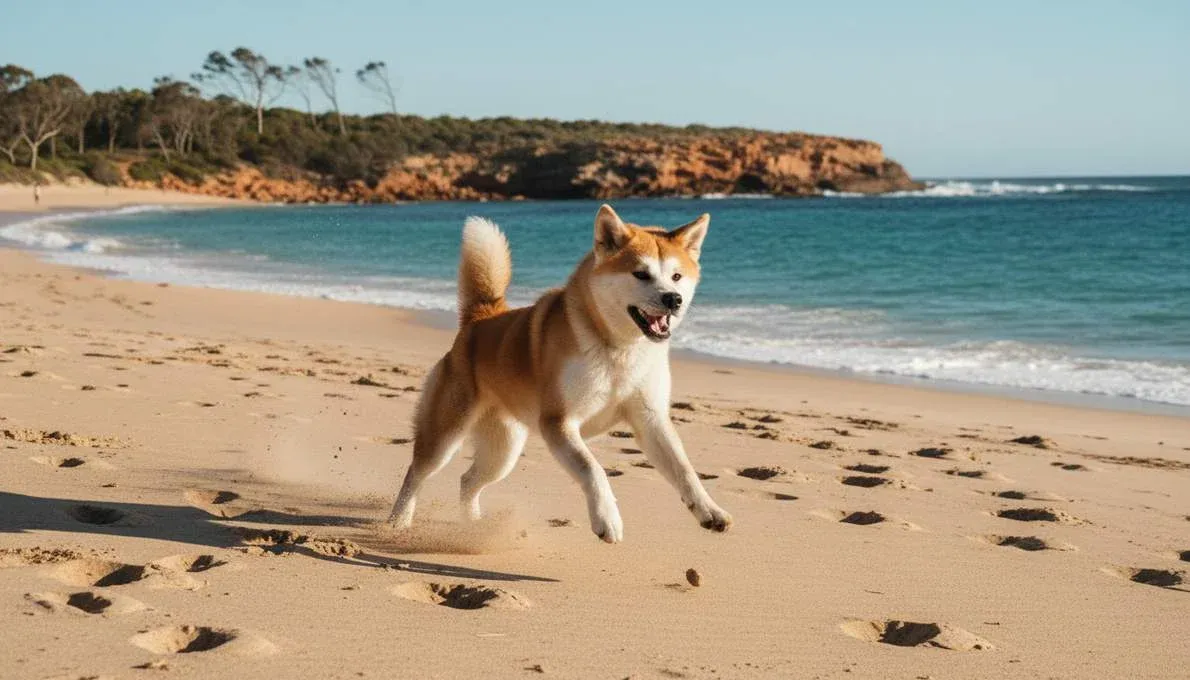
The Akita Inu’s temperament is built on contradictions. This is a dog that is simultaneously one of the most loyal breeds alive and one of the most independent. Understanding this duality is the key to living happily with one.
Dignified Silence: Akitas rarely bark without reason. When an Akita speaks, it’s worth paying attention — something is genuinely wrong. This quietness can mislead new owners into thinking the dog is passive. It isn’t. It’s watching, always.
One-Person Loyalty: While Akitas love their whole family, they typically bond most intensely with one person. That bond is legendary — the Hachikō story isn’t an outlier, it’s the breed’s baseline. They’ll follow their chosen person from room to room with quiet devotion.
Cat-Like Independence: Akita owners frequently describe them as “more like a cat than a dog.” They groom themselves meticulously, can be aloof with strangers, and will sometimes simply decide not to comply with a command they consider beneath them.
Protective Instinct: Akitas don’t need guard dog training — the instinct is hardwired. They’re naturally suspicious of strangers and will position themselves between their family and anything unfamiliar.¹
Experienced Akita owners describe living with one as “earning a partnership, not training a pet.” The dog respects consistency and fairness. It will never fawn over you the way a Labrador might — but the quiet head-rest on your knee at the end of a long day carries a weight that’s hard to describe until you’ve felt it.
This is where the Akita’s temperament becomes genuinely challenging. Same-sex aggression is a well-documented breed characteristic — not a training failure, but a deep-seated genetic tendency. Most breed experts recommend Akitas as an only-pet household, or at minimum opposite-sex pairing with careful introduction. Their prey drive is also high, making them unreliable around cats, small dogs, or small animals unless raised together from puppyhood.²
If your Akita stiffens, raises its tail high, and locks eyes with another dog on a walk — that’s the warning before the reaction. Redirect immediately with a firm “leave it” and change direction. Once an Akita commits to a confrontation, you will not physically stop a 45-kilogram dog mid-charge. Prevention is your only strategy.
The Akita isn’t aggressive by nature — it’s selective, proud, and wired to see the world through a guardian’s lens. If that resonates with you, this breed will reward your dedication with a bond unlike any other. If it sounds exhausting, that’s good self-awareness. The Golden Retriever or Samoyed offer the big fluffy look without the intensity.
Akita Inu vs Shiba Inu: The Key Differences
This is one of the most common comparisons people search for, and it makes sense — both are Japanese spitz-type breeds with curled tails and fox-like faces. But that’s where the similarities end.
| Feature | Akita Inu | Shiba Inu |
|---|---|---|
| Size | 34–54 kg (large breed) | 8–11 kg (small/medium) |
| Energy | Calm, measured, moderate exercise | Spirited, active, “cheeky” energy |
| Barking | Extremely quiet, rarely barks | Known for the “Shiba Scream” |
| Guarding | Natural guardian, protective | Alert but not a guard dog |
| Living Space | House with yard preferred | Apartment-friendly |
| Owner Level | Experienced handlers | Intermediate — still stubborn |
Both breeds share the Japanese spitz independence and can be stubborn with training. If you love the Akita’s look but need a smaller, more adaptable dog, the Shiba Inu may be a better fit.
Akita Inu Health Issues
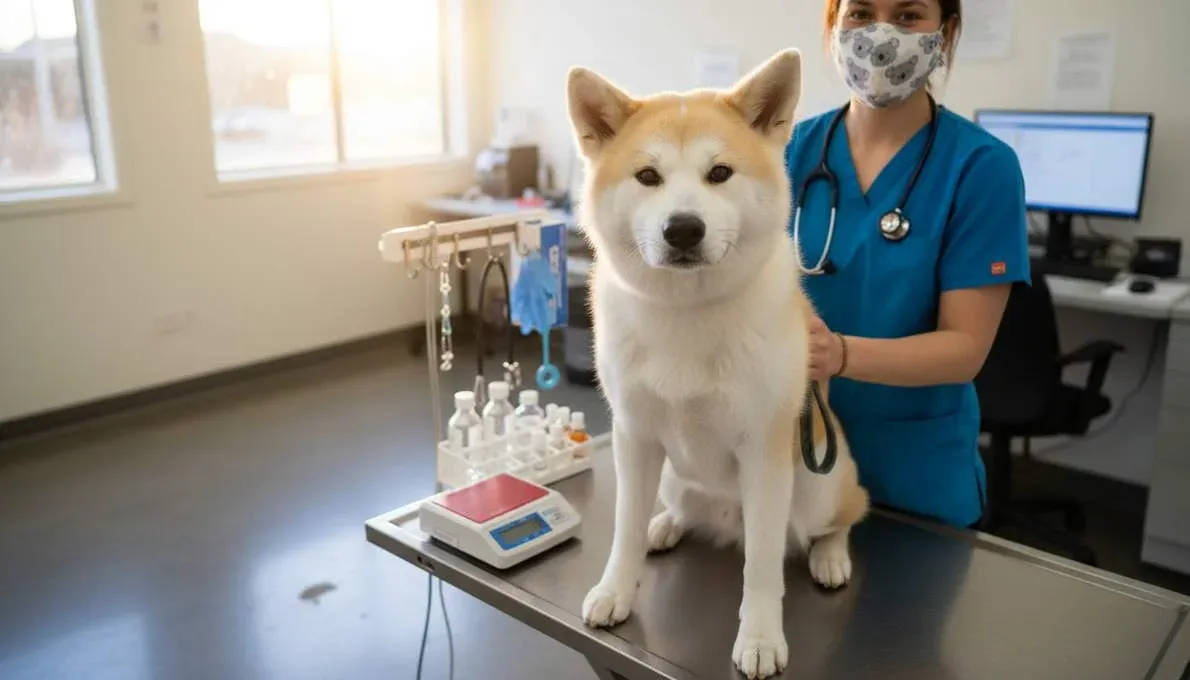
Akitas are generally robust dogs with a lifespan of 10 to 14 years — better than many large breeds. But they carry some breed-specific vulnerabilities that every potential owner needs to budget for, both emotionally and financially.
Prevalence: Common in large breeds. Genetic predisposition in Akitas.
Symptoms: Limping, bunny-hop gait, difficulty rising, stiffness after exercise.
Treatment Cost (AUD): $3,000–$8,000 for total hip replacement per hip. Managed cases: $100–$300/month in medication and supplements.
Prevention: Request PennHIP or OFA hip scores from breeder. Maintain lean body weight. Use large-breed puppy food.²
Deep-chested breeds like the Akita are at high risk.
Symptoms: Distended abdomen, dry heaving, restlessness, excessive drooling.
Treatment Cost (AUD): $5,000–$10,000+ emergency surgery.
Prevention: Feed two smaller meals instead of one large meal. Avoid exercise for 30 minutes after eating. Discuss prophylactic gastropexy with your vet.²
Akitas are especially predisposed to low thyroid function.²
Symptoms: Weight gain, lethargy, dull coat, hair loss, and — notably — behavioural changes including aggression.
Treatment Cost (AUD): Diagnosis $150–$300 (blood test). Lifelong daily medication: $30–$60/month.
Key Point: An Akita that suddenly becomes aggressive or withdrawn should have thyroid levels checked before any behavioural intervention.
A genetic eye disease causing gradual vision loss, eventually leading to blindness. No cure exists.²
Symptoms: Night blindness first, progressing to daytime vision loss.
Prevention: DNA testing of breeding dogs. Ask breeders for PRA-clear certificates.
An autoimmune skin condition more common in Akitas than most other breeds. Destroys the sebaceous glands, causing scaly skin, hair loss, and secondary infections.²
Treatment Cost (AUD): Lifelong management: medicated shampoos, topical treatments, possible immunosuppressants — $50–$200/month. No cure.
Akita Inu Lifespan
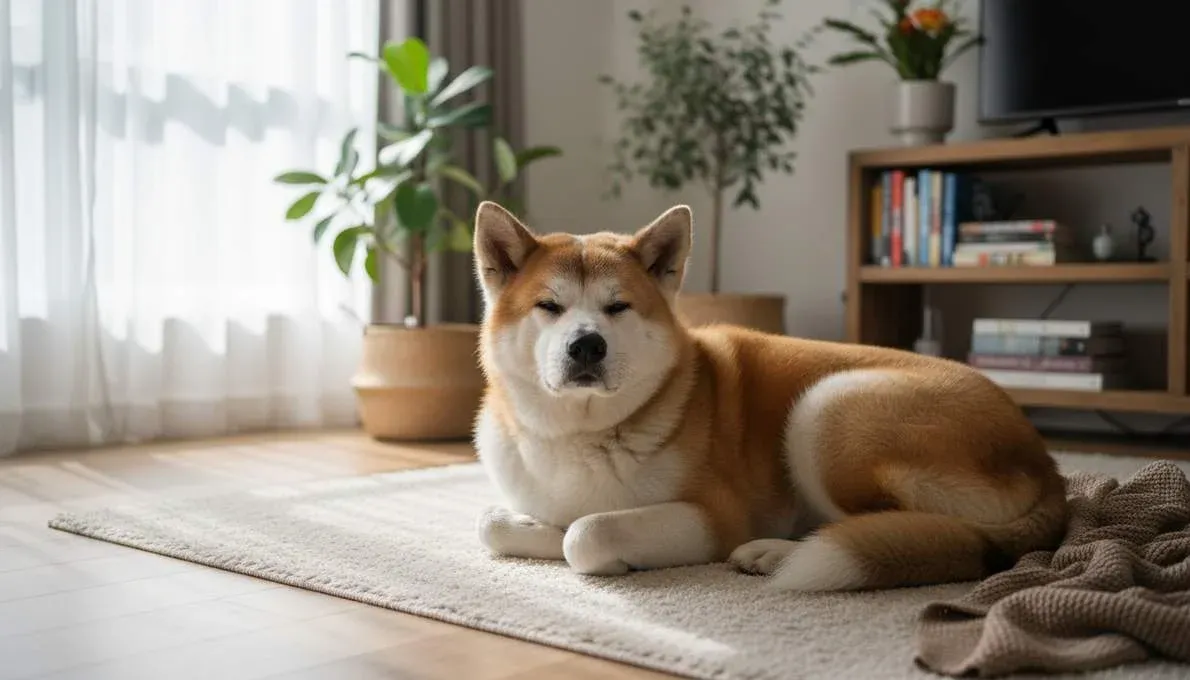
The Akita Inu typically lives 10 to 14 years, which is strong for a large breed. Japanese Akitas tend toward the longer end of that range compared to the heavier American Akita.²
Longevity factors:
- Weight management — extra kilos accelerate hip deterioration
- Thyroid monitoring — annual blood work after age 3
- Quality diet with high meat content and no unnecessary fillers
- Twice-yearly vet visits after age 7
- Dental care — Akitas can be prone to dental issues
- Mental stimulation — bored Akitas develop stress-related health problems
Akita Inu Grooming Guide
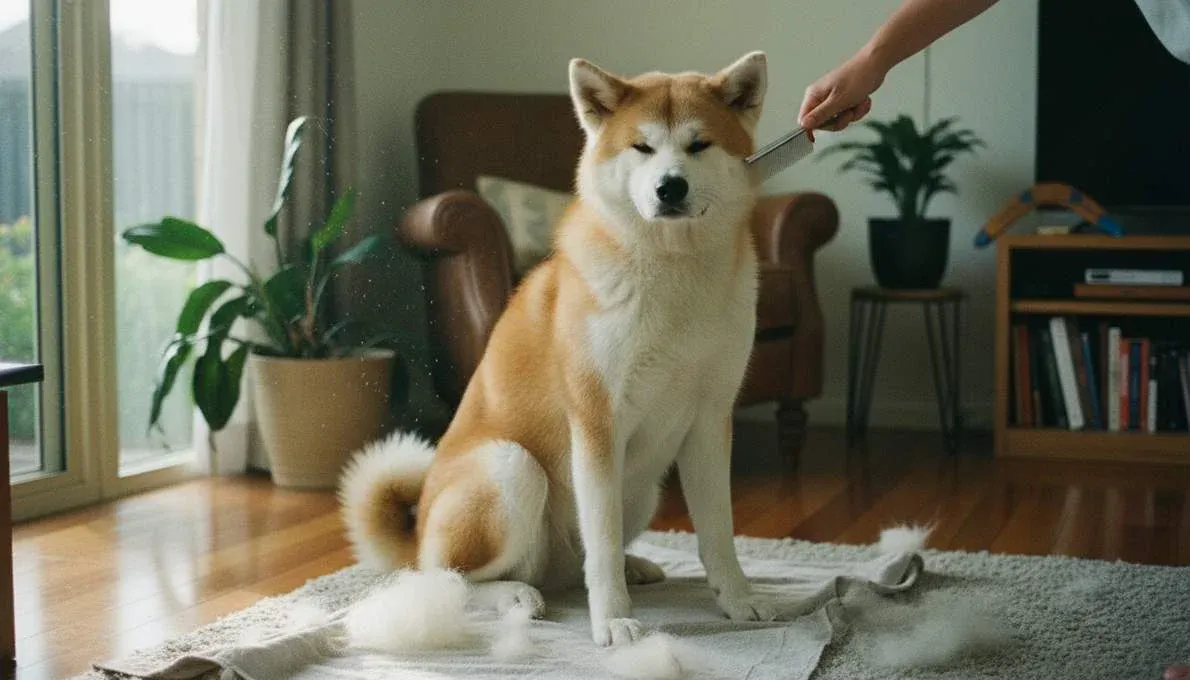
The Akita’s magnificent double coat is both its glory and your ongoing project. For most of the year, grooming is surprisingly manageable. Twice a year, during “coat blow” season, you’ll wonder how one dog can produce that much fur.
| Task | Frequency | Time | Notes |
|---|---|---|---|
| Brushing (normal) | Weekly | 15–20 mins | Slicker brush + undercoat rake |
| Brushing (coat blow) | Daily for 2–4 weeks | 30+ mins | Deshedding tool essential. Twice yearly. |
| Bathing | Every 2–3 months | 45–60 mins | Dermcare Natural Shampoo. Self-cleaning coat. |
| Nail Trimming | Every 2–3 weeks | 10 mins | Heavy nails — introduce handling early |
| Dental Care | Daily ideal | 5–10 mins | PAW by Blackmores dental chews + toothpaste |
| Ear Cleaning | Weekly check | 5 mins | Erect ears = good airflow, less prone to infection |
Akita owners joke that they don’t own a dog — they own a fur factory with legs. During coat blow season, expect clumps of undercoat drifting across your house like tumbleweeds. A good quality deshedding tool (FURminator Large is popular in Australian pet stores) and a robot vacuum are considered essential equipment, not optional.
Akita Inu Exercise Needs
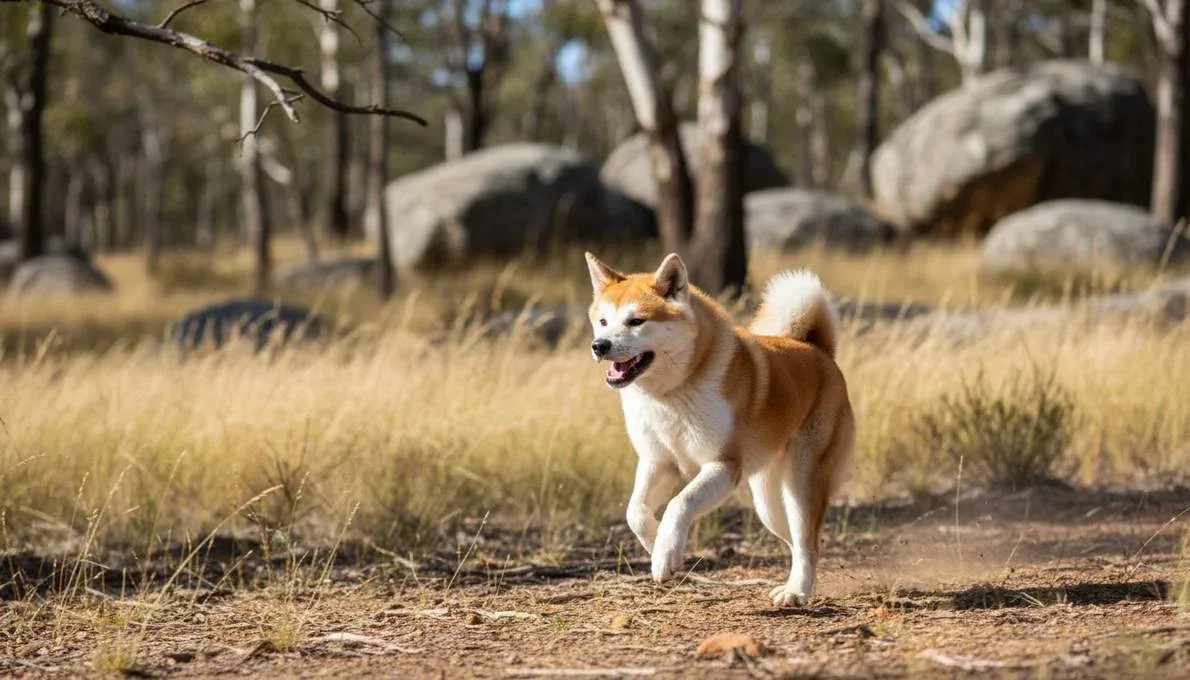
Akitas need 60 to 90 minutes of exercise daily, but they’re not the typical “fetch and frolic” breed. They prefer purposeful activity — long walks at a steady pace, scent work, or exploring a secure property. Repetitive games bore them quickly.
Australian heat warning: The Akita’s thick double coat was designed for the snowy mountains of northern Japan. In Australian summers, particularly in Queensland, Western Australia, and inland regions, heat stress is a real concern. Walk during early morning or evening only. Provide shade and cool water access at all times. Never exercise an Akita in temperatures above 28°C. Dogs Australia’s exercise guide recommends tailoring activity to individual breed needs.⁴
If your Akita starts “zoning out” on walks — planting its feet, staring into the middle distance, ignoring your voice — it’s not being defiant. It’s bored. Akitas need variety: different routes, new scents, occasional trail walks. The same 20-minute loop every day will produce a dog that simply refuses to participate.
Akita Inu Training Guide
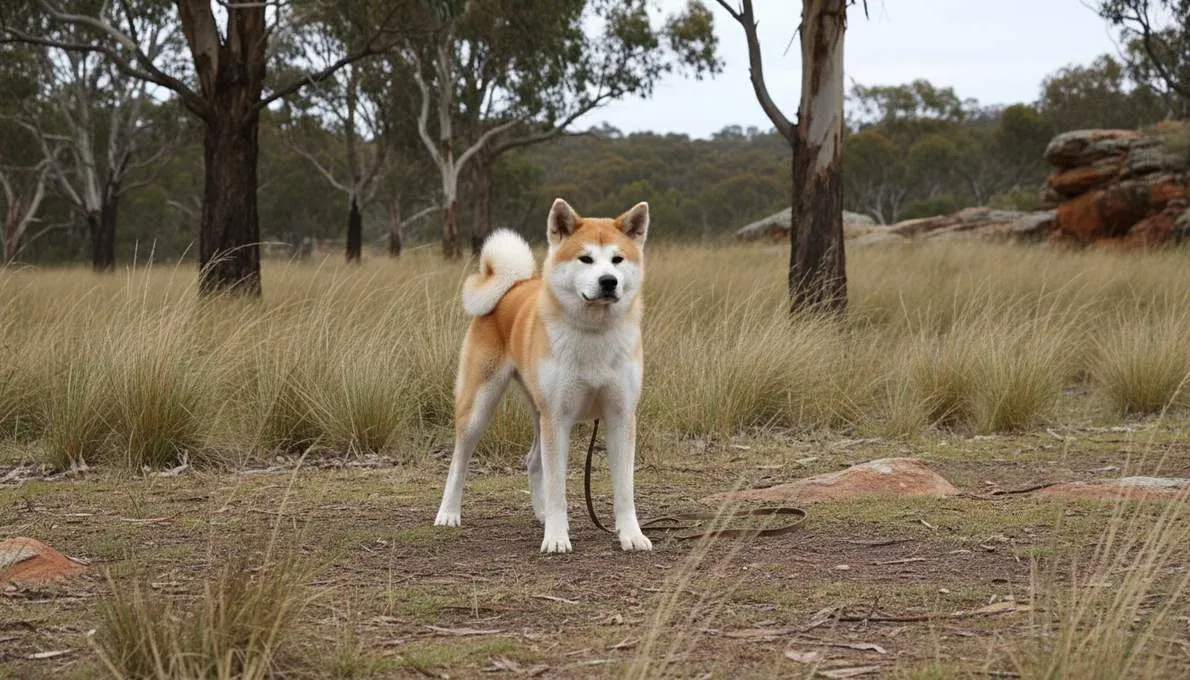
Training an Akita is unlike training most other breeds. They’re highly intelligent — they understand what you want. Whether they choose to comply is a separate question entirely. This isn’t disobedience; it’s the breed’s fundamental character.
| Age | Training Focus | Priority |
|---|---|---|
| 8–16 weeks | Socialisation — people, sounds, environments | CRITICAL window. Most important period. |
| 4–6 months | Basic obedience: sit, stay, come, leash manners | Keep sessions short (10 mins). Akitas lose interest fast. |
| 6–12 months | Impulse control, leave it, reliable recall | Expect testing. Stay consistent. |
| 12–18 months | Adolescent reinforcement, advanced commands | Dominant behaviours peak. Don’t back down. |
| 18+ months | Ongoing maintenance, variety to prevent boredom | Lifelong commitment. Akitas never “finish” training. |
A veteran Akita breeder once said: “If your Akita does something the first time you ask, it’s because it respects you. If it does it the third time, it’s tolerating you. If it never does it, it’s decided the command was unreasonable — and honestly, it might be right.”
Akita Inu Price & Costs in Australia
Akita Inu are uncommon in Australia, which affects both availability and pricing. Japanese Akita Inu puppies from registered breeders command a premium over the more widely available American Akita.
Initial Costs:
| Expense | Approx. Cost (AUD) |
|---|---|
| Puppy Price (Japanese Akita Inu, registered) | $3,500 – $5,000+ |
| Puppy Price (American Akita, registered) | $2,500 – $4,000 |
| Adoption / Rescue Fee | $350 – $700 |
| Initial Vet + Vaccinations | $300 – $500 |
| Desexing (large breed) | $350 – $600 |
| Secure Fencing (1.8m+ minimum) | $1,500 – $4,000 |
| Essential Supplies (large crate, bed, bowls, grooming) | $400 – $700 |
| TOTAL INITIAL (with puppy) | $5,900 – $11,800+ |
Annual Ongoing Costs:
- Food (premium large-breed, e.g., Black Hawk, Advance, Ivory Coat): $1,200–$2,000
- Vet & Preventatives (flea/tick/worming, dosed by weight): $600–$1,000
- Pet Insurance (large breed): $700–$1,300
- Grooming (professional deshedding sessions x2 + regular care): $200–$500
- Training (ongoing): $300–$800
- TOTAL ANNUAL: $3,000–$5,600
Lifetime Cost Estimate: $38,000–$67,000+ (based on 12-year average lifespan)
Finding Akita Inu breeders in Australia: Start with the Dogs Australia directory or search PetRescue for occasional surrenders. Akita-specific breed clubs exist in Victoria and NSW.
Is an Akita Inu Right for You?
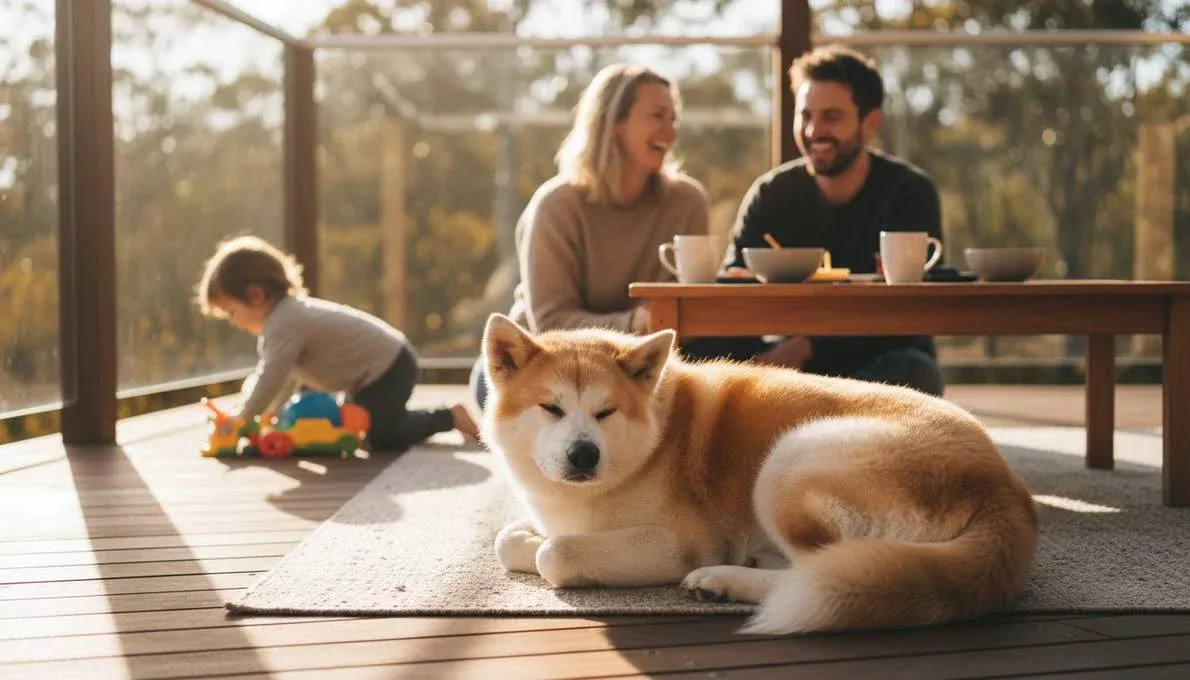
Confident, calm, experienced dog owners who respect independence in a breed and don’t need constant affection to feel bonded. Ideally someone who has previously owned a strong-willed or working breed. Quiet, structured households suit the Akita perfectly.
- House with securely fenced yard (1.8m+ fencing — Akitas can jump)
- Climate: Can tolerate Australian conditions but needs shade and cooling in summer
- Activity: 60–90 mins daily exercise + mental stimulation
- First-time dog owners without professional training support
- Households with multiple dogs (especially same-sex)
- Families with toddlers or very young children
- People who want an off-leash, dog-park social butterfly
- Hot-climate homes without adequate cooling and shade
- Anyone who sees the coat and thinks “oh, it’s like a big Shiba” — it isn’t
If the Akita’s independence appeals to you but you want something more manageable, consider the Shiba Inu (→ bestdog.au/shiba-inu/ for the same Japanese spitz charm at a quarter of the weight. For a large, loyal breed that’s more forgiving with new owners, the German Shepherd (→ bestdog.au/german-shepherd/ offers trainability the Akita simply doesn’t.
- Perfect for: Experienced, patient owners who want a quiet, dignified, fiercely loyal companion and don’t need a “people-pleaser” breed
- Think twice if: You’ve never owned a large independent breed, have multiple pets, or live in a small space without adequate fencing
- First-time owner rating: Not recommended without professional training guidance from day one
Explore more breeds in our breeds directory or compare with the Shiba Inu and German Shepherd.
Akita Inu FAQs
Is the Akita Inu the same as the American Akita?
No. Most countries recognise them as separate breeds under FCI standards. The Japanese Akita Inu is smaller, leaner, and comes in fewer colours. The American Akita is larger, heavier, and accepts all coat colours. In Australia, they’re registered separately.
Are Akita Inu good family dogs?
With experienced owners and older children — yes. Akitas are deeply loyal and protective of their family. However, their size, independence, and intolerance of rough handling make them unsuitable for homes with toddlers or very young children.¹
How much does an Akita Inu cost in Australia?
Japanese Akita Inu puppies from registered breeders cost $3,500–$5,000+ AUD. American Akitas are slightly less at $2,500–$4,000. Annual costs run $3,000–$5,600. Lifetime ownership: $38,000–$67,000+.
Do Akita Inu shed a lot?
Yes. They shed moderately year-round and heavily (“blow coat”) twice a year for 2–4 weeks. During coat blow, expect daily brushing and visible fur on every surface in your home.
Are Akita Inu aggressive?
Not inherently toward people, but they are reserved with strangers and can be aggressive toward other dogs — particularly same-sex dogs. This is a breed characteristic, not a training failure. Proper socialisation from 8 weeks minimises risk but never fully eliminates it.²
How much exercise does an Akita Inu need?
60 to 90 minutes daily. This should include structured walks plus mental stimulation. Akitas prefer purposeful activity over repetitive fetch. Exercise in cool hours during Australian summers to avoid heat stress.
What is the Akita Inu lifespan?
10 to 14 years, with Japanese Akita Inu trending toward the longer end. Good breeding, weight management, and regular thyroid screening are the biggest longevity factors.²
Primary Sources:
- AKC — Akita Breed Profile
https://www.akc.org/dog-breeds/akita/ - PetMD — Akita Dog Breed Health and Care
https://www.petmd.com/dog/breeds/akita - DogTime — Akita Dog Breed Information & Characteristics
https://dogtime.com/dog-breeds/akita - Dogs Australia — Exercise & What You Need to Consider
https://dogsaustralia.org.au/getting-a-dog/exercise-and-what-you-need-to-consider/ - VCA Hospitals — Progressive Retinal Atrophy in Dogs
https://vcahospitals.com/know-your-pet/progressive-retinal-atrophy-in-dogs - Akita Club of America — Health Issues
https://www.akitaclub.org/faq-items/what-health-issues-are-there-with-your-breed/