

In 1918, an Airedale Terrier named Jack ran half a mile through relentless enemy fire to deliver a vital message for the Sherwood Foresters battalion. Shrapnel shattered his jaw and tore open his back, but he kept running. When Jack finally reached headquarters, he collapsed at the receiver’s feet — mission complete. He was posthumously awarded the Victoria Cross, Britain’s highest military honour.
That story tells you everything about the Airedale Terrier. This is a breed defined by courage, determination, and an unshakeable loyalty that borders on legendary. The largest of all terrier breeds, the Airedale has earned its nickname — the “King of Terriers” — through decades of service as a hunter, war dog, police companion, and devoted family member.
If you’re considering bringing an Airedale into your Australian home, you’re in the right place. This comprehensive guide covers everything from their distinctive temperament to the real costs of ownership, with honest insights from breeders and owners across Australia.
What You’ll Learn
- Breed traits & temperament
- Health concerns to know
- True cost in Australia (2025)
- Training & exercise needs
- Is this breed right for you?
Airedale Terrier Quick Facts
| Attribute | Details |
|---|---|
| Breed Group | Terrier Group |
| Origin | Yorkshire, England |
| Size Category | Large |
| Height (Adult) | Male: 58–61 cm | Female: 56–58 cm |
| Weight (Adult) | Male: 23–29 kg | Female: 18–25 kg |
| Lifespan | 10–13 years |
| Coat Type | Dense, wiry double coat (black and tan) |
| Exercise Needs | 60–90 minutes/day |
| Trainability | 4/5 (intelligent but independent) |
| Good with Children | Yes (with supervision) |
| First-Time Owner Suitable | 3/5 (some experience preferred) |
| Average Puppy Price (AUD) | $1,500 – $3,000 |
Data sourced from Dogs Australia (ANKC) Breed Standards and The Kennel Club UK.¹
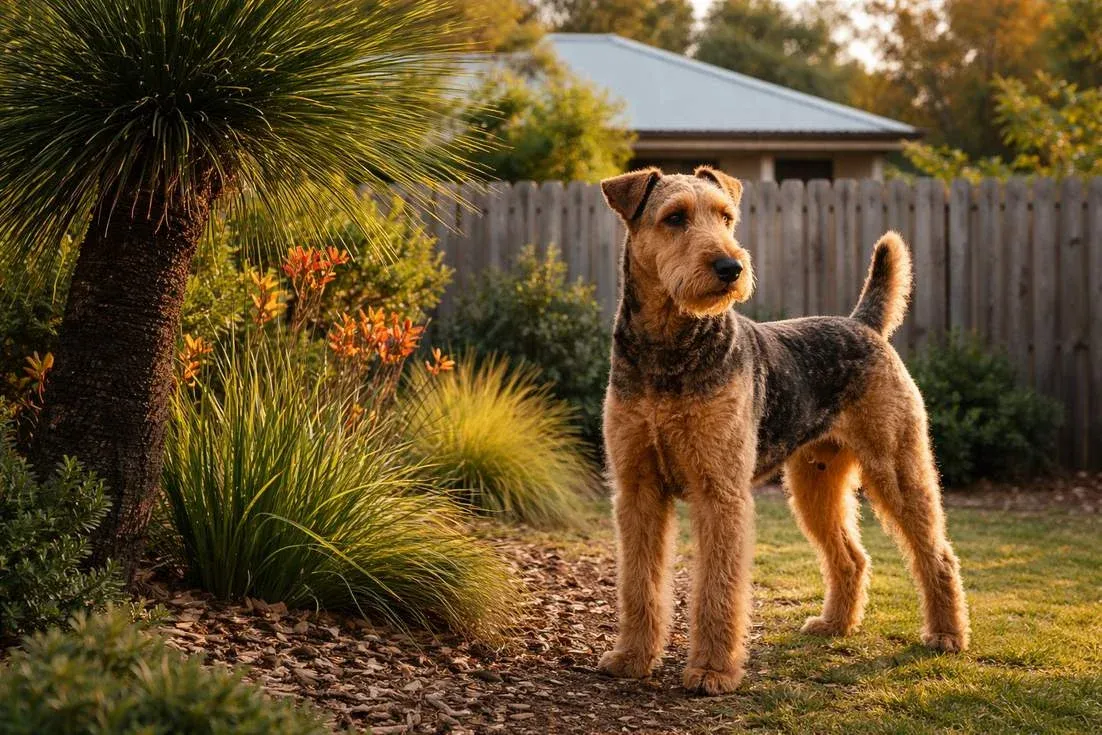
History of the Airedale Terrier
The Airedale Terrier emerged in the mid-19th century from Yorkshire’s Aire River valley, where working-class mill workers needed a versatile dog that could hunt otters and rats along the riverbanks. By crossing the now-extinct Old English Black and Tan Terrier with the Otterhound, they created a larger, more capable terrier that could work both land and water.²
First exhibited in 1864 at a show sponsored by the Airedale Agricultural Society, the breed went by several names — including Waterside Terrier and Bingley Terrier — before being officially recognised as the Airedale Terrier by the Kennel Club of England in 1886.³
Airedales reached Australian shores by 1890, with Victoria hosting the first Airedale Terrier Championship in 1931. Their popularity soared through the 1920s, and they’ve maintained a dedicated following ever since. Today, Australian breeders continue to produce dogs that honour the breed’s impressive heritage while excelling as family companions.

Airedale Terrier Temperament
The Airedale Terrier temperament is a fascinating blend of terrier tenacity and hound-like sociability. The Kennel Club UK describes them as “outgoing and confident, friendly, courageous and intelligent” — and they’re not exaggerating.
Intelligent: Ranking 37th in Stanley Coren’s canine intelligence tests, Airedales are quick learners with excellent problem-solving abilities. This intelligence means they need mental stimulation — a bored Airedale is a creative Airedale, and their creativity usually involves redecorating your garden.
Confident: These dogs carry themselves with a dignified self-assurance that’s unmistakably terrier. They’re not aggressive, but they won’t back down from a challenge either.
Loyal: Many Airedale Terrier owners report that their dog follows them from room to room, quietly supervising every activity. This isn’t clingy behaviour — it’s the deep devotion that defines the breed.
Independent: Unlike some breeds that live to please, Airedales think for themselves. This independence can read as stubbornness, but it’s actually the same quality that made them effective working dogs.
Energetic: There’s no such thing as a lazy Airedale. These dogs have stamina to spare and thrive on activity.
First-time Airedale Terrier owners are often surprised by the breed’s sense of humour. As one Victorian breeder put it: “An Airedale will make you laugh every single day — they have this almost human expressiveness that’s utterly charming.”
Airedales generally do well with children, particularly when raised together. They’re patient with younger kids and energetic enough to keep up with older ones. However, their size and boisterousness mean supervision is essential with toddlers. These dogs play with enthusiasm, and they don’t always know their own strength.
This varies significantly between individual dogs — some Airedales coexist peacefully with cats and other pets, while others retain strong prey drive. Early socialisation is crucial. If raised with other animals from puppyhood, most Airedales learn to accept them as part of the family. However, strange cats and small animals may trigger their hunting instincts.
If your Airedale Terrier starts digging craters in your backyard, don’t panic — this is classic terrier behaviour, not defiance. Redirect that energy immediately with a designated digging spot or increase their mental stimulation through puzzle toys and training sessions. Boredom is the root cause of most Airedale mischief.

Airedale Terrier Health Issues
If you’re worried about Airedale Terrier health issues, you’re not alone — it’s one of the first things prospective owners ask. The good news is that Airedales are generally robust dogs, and responsible breeding has reduced the incidence of many hereditary conditions.
The typical life expectancy for an Airedale Terrier is 10–13 years.⁴ However, like all breeds, they’re predisposed to certain conditions that potential owners should understand.
A hereditary condition where the hip joint develops abnormally, causing pain and mobility issues. Research from North American veterinary hospitals found approximately 6% of Airedale Terriers are affected.⁵
Symptoms: Limping, difficulty rising, reluctance to exercise
Treatment: Ranges from medication to surgery, depending on severity
Prevention: Ask your breeder for hip score certificates from both parents — responsible breeders screen for this condition
As a deep-chested breed, Airedales are susceptible to bloat, a life-threatening emergency where the stomach fills with gas and can twist.
Symptoms: Distended abdomen, unproductive retching, restlessness, excessive drooling
Action: Requires immediate veterinary attention
Prevention: Feed smaller, frequent meals and avoid exercise immediately before or after eating
The thyroid gland produces insufficient hormones, causing sluggish behaviour, weight gain, hair loss, and chronic skin problems. The Australian Veterinary Association notes this condition is manageable with lifelong medication once diagnosed through blood testing.⁶
Airedales can be prone to skin sensitivities, presenting as itching, redness, and hair loss. Environmental allergens, food sensitivities, and flea bites are common triggers. Regular grooming helps identify problems early, and your vet can recommend appropriate treatments.

Airedale Terrier Lifespan & Longevity Tips
The average Airedale Terrier lives 10–13 years, with many reaching the higher end when properly cared for. A UK study found their life expectancy comparable to other purebreds of similar size.⁷
Tips for a Longer, Healthier Life:
- Maintain a healthy weight — obesity strains joints and organs
- Provide regular exercise appropriate to their age
- Schedule annual veterinary check-ups (twice yearly for seniors)
- Keep up with dental care — dental disease affects overall health
- Feed a high-quality, balanced diet
- Monitor for early signs of health issues

Airedale Terrier Grooming Guide
The Airedale’s distinctive wiry coat requires regular attention, but the payoff is a virtually non-shedding dog that many allergy sufferers tolerate well. Their double coat consists of a hard, dense outer layer and a softer undercoat.
For pet Airedales, professional grooming every 6–8 weeks keeps their coat manageable. Show dogs require hand stripping — a technique that maintains coat texture and colour — but most family pets do well with clipping. Products like Dermcare Natural Shampoo (vet-recommended) or PAW by Blackmores work well for their coat type.
Grooming Schedule
| Task | Frequency | Time | Tools/Products |
|---|---|---|---|
| Brushing | 2–3 times weekly | 10–15 mins | Slicker brush, metal comb |
| Bathing | Every 4–6 weeks | 30–45 mins | Dermcare/Fido’s Shampoo |
| Nail Trimming | Every 3–4 weeks | 10–15 mins | Clippers or grinder |
| Pro Grooming | Every 6–8 weeks | 1–2 hours | $80–$150 |
| Dental Care | Daily brushing | 2–3 mins | Oravet, Greenies |
Don’t neglect the beard! Airedales have distinctive facial furnishings that need daily attention to prevent food debris and bacteria buildup. A quick wipe after meals keeps things hygienic.

Airedale Terrier Exercise Needs
Airedale Terriers are athletes at heart. It is recommend that active breeds like Airedales receive 60–90 minutes of daily exercise to maintain physical and mental health.⁸
Many Airedale Terrier owners report that the first year is the most demanding — adolescent Airedales have boundless energy that needs proper channelling. But by age two, with consistent exercise and training, you’ll have a well-adjusted companion who’s equally happy on a bushwalk or relaxing at your feet.
Ideal Activities:
- Long walks or jogs (they make excellent running partners)
- Fetch games — their hunting heritage makes them natural retrievers
- Swimming — many Airedales love water
- Agility training
- Scent work and tracking games
If your Airedale starts becoming destructive or excessively barky, this often indicates insufficient exercise. Before assuming behavioural problems, try adding an extra 20–30 minutes of vigorous activity to their daily routine. You’ll likely see a calmer, happier dog within a week.

Airedale Terrier Training Guide
Don’t be discouraged if your Airedale seems to have selective hearing during training sessions — their independent streak is legendary, and it’s not a reflection of your abilities as an owner. With patience and the right approach, these intelligent dogs learn quickly.
Airedales respond best to positive reinforcement training that keeps sessions short, varied, and interesting.⁹ Repetitive drills bore them, leading to that famous Airedale “I’ve decided not to participate” look.
Key Training Principles:
- Start early — socialisation between 8–16 weeks is crucial
- Use high-value treats (they’re food-motivated)
- Keep sessions to 10–15 minutes
- Be consistent but not harsh — they don’t respond well to heavy-handed methods
- Make training feel like a game
Socialisation & Training Timeline
| Age | Training Focus | Expected Outcomes |
|---|---|---|
| 8–12 weeks | Name recognition, toilet training, crate introduction | Basic recognition, routine established |
| 3–4 months | Sit, stay, come, leash walking | Basic obedience foundations |
| 4–6 months | Advanced commands, broad socialisation | Reliable basics, confident around others |
| 6–12 months | Off-leash recall, impulse control | Well-mannered adolescent dog |
When your Airedale hits adolescence around 6–9 months, expect some regression in previously learned behaviours. They’ll test boundaries — it’s completely normal. The key is to remain consistent and patient. Experienced Airedale Terrier handlers often say that pushing through this phase with calm persistence pays dividends for years to come.
Airedale Terrier Price & Costs
Understanding the true Airedale Terrier price Australia helps you budget realistically. This is an investment in a decade-long companion, and quality matters — especially when it comes to health screening and ethical breeding practices.
Finding Your Airedale:
Find registered breeders through the Dogs Australia Breeder Directory. Members of state breed clubs like the Airedale Terrier Club of Victoria follow strict codes of ethics and conduct health screening on breeding dogs.¹⁰
Consider adoption through PetRescue or breed-specific rescues. Adult Airedales can make wonderful companions, and you’ll be giving a dog a second chance.
Initial Costs:
| Expense | Approx. Cost (AUD) |
|---|---|
| Puppy Price (Registered Breeder) | $1,500 – $3,000 |
| Adoption Fee (Rescue) | $300 – $600 |
| Initial Vet + Vaccinations | $200 – $400 |
| Desexing | $300 – $600 |
| Essential Supplies (crate, bed, bowls, etc.) | $400 – $700 |
| TOTAL INITIAL COST | $2,700 – $5,300 |
Annual Ongoing Costs:
- Premium Food (Black Hawk, Advance, Ivory Coat): $1,200 – $1,800
- Veterinary Care & Preventatives: $400 – $800
- Pet Insurance: $600 – $1,200
- Grooming (professional): $500 – $900
- Toys, Treats, Misc: $200 – $400
- TOTAL ANNUAL: $2,900 – $5,100
Lifetime Cost Estimate: $35,000 – $65,000 (based on 12-year average lifespan)

Is an Airedale Terrier Right for You?
The perfect Airedale owner is active, patient, and enjoys spending time with their dog. You don’t need a farm, but you do need time and energy. These dogs thrive with owners who appreciate their intelligence and independent spirit rather than viewing these traits as problems to fix.
- Home Size: House with secure yard strongly preferred
- Yard: Securely fenced — Airedales will follow interesting scents
- Climate: Adaptable to most Australian climates; provide shade and water in summer
This can feel overwhelming, but being honest about challenges upfront saves heartbreak later. It’s far better to know now whether an Airedale suits your lifestyle than to discover incompatibility after bringing one home.
- First-time owners unwilling to invest in training and socialisation
- Apartment dwellers without access to substantial daily exercise
- Those seeking a low-maintenance, couch-potato companion
- Households where the dog will be left alone for long periods
- Anyone expecting instant obedience without relationship-building
The Airedale Terrier is a magnificent breed for the right owner. Their combination of intelligence, loyalty, courage, and character creates a companion unlike any other — but they require commitment in return.
Perfect for: Active families or individuals who want an engaged, athletic companion and have time for training, exercise, and grooming.
Think twice if: You want a low-maintenance dog, have limited time for exercise, or prefer a breed that’s eager to please above all else.
First-time owner rating: Possible with dedication, but prior dog experience helps. Commit to puppy school and consider working with a professional trainer.
Airedale Terrier FAQs
Are Airedale Terriers good for first-time owners?
They can be, with caveats. Airedales are intelligent but independent, requiring consistent training and patience. First-time owners who commit to puppy classes and invest time in socialisation can succeed, but those expecting an “easy” dog may struggle.
Do Airedale Terriers shed a lot?
No — Airedales are considered a low-shedding breed. Their wiry coat holds onto dead hair rather than releasing it onto your furniture. Regular brushing and professional grooming remove this dead coat. Many allergy sufferers tolerate Airedales well, though no dog is truly hypoallergenic.
How much exercise does an Airedale Terrier need?
Plan for 60–90 minutes of daily exercise, including both physical activity and mental stimulation. This can be split between walks, play sessions, and training. Adolescent Airedales may need even more to prevent destructive behaviour.
How long do Airedale Terriers live?
The average lifespan is 10–13 years. With proper care, regular veterinary check-ups, appropriate exercise, and a healthy diet, many Airedales reach the higher end of this range.
How much does an Airedale Terrier cost in Australia?
Expect to pay $1,500–$3,000 from a registered breeder. This price reflects health screening, registration, vaccinations, and microchipping. Puppies from unregistered sources may be cheaper but come with significant risks regarding health and temperament.¹¹
Are Airedale Terriers good with children?
Yes, generally. Airedales are patient and playful with children, particularly when raised together. However, their size and exuberance mean supervision is essential with young children. Teach kids how to interact respectfully with dogs, and your Airedale will likely become their devoted protector.
Are Airedale Terriers aggressive?
No — the breed standard specifically describes them as “not aggressive but fearless.” Properly socialised Airedales are confident and friendly. However, they were bred as hunting dogs and may not tolerate challenges from other dogs. Early socialisation is essential.
Primary Sources:
- Dogs Australia (ANKC) — Official breed registration and standards (dogsaustralia.org.au)
- American Kennel Club — Breed history archives (akc.org)
- The Kennel Club UK — Breed standards (thekennelclub.org.uk)
Veterinary & Health Sources:
- VCA Hospitals — Airedale Terrier breed health information (vcahospitals.com)
- Orthopedic Foundation for Animals — Hip dysplasia statistics (ofa.org)
- Australian Veterinary Association — Care guidelines (ava.com.au)
- UK Kennel Club Health Survey 2004 — Mortality data
Australian-Specific Sources:
- RSPCA Australia — Exercise guidelines (rspca.org.au)
- American Kennel Club — Training recommendations (akc.org)
- Airedale Terrier Club of Victoria — Breeder directory (airedaleclub.com)
- DogzOnline Australia — Pricing data (dogzonline.com.au)