
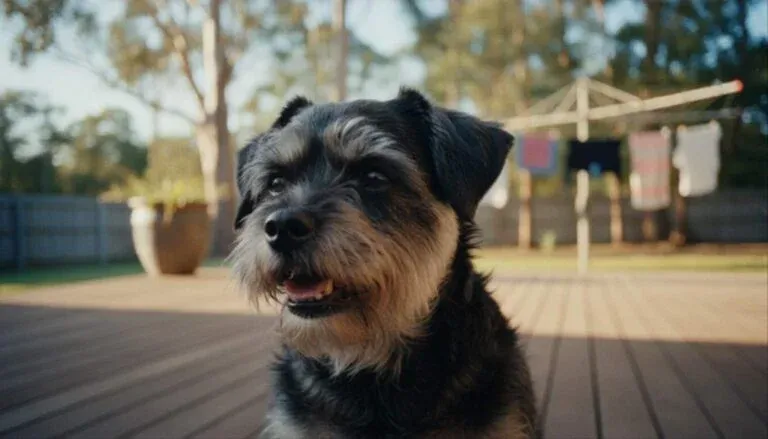
Legend has it that an Affenpinscher once chased a grizzly bear clean off a property in Alaska — and if you’ve ever met one of these tiny, wire-haired firecrackers, you wouldn’t doubt it for a second. Weighing barely four kilograms soaking wet, the Affenpinscher carries itself with the swagger of a dog ten times its size.
In 2013, an Affenpinscher named Banana Joe V Tansen made breed history by winning Best in Show at the Westminster Kennel Club Dog Show — the most prestigious dog competition in the world. That single victory catapulted this rare, monkey-faced toy breed into the spotlight, and interest has been growing ever since.¹
But behind the comedic expressions and fearless attitude lies a breed with very specific needs. If you’re considering bringing an Affenpinscher into your Australian home, this guide covers everything from temperament quirks to real health costs — honestly, without the sugar-coating.
What You’ll Learn
- Breed traits & temperament
- Health concerns to know
- True cost in Australia
- Training & exercise needs
- Is this breed right for you?
Whether you’re browsing Australia’s toy breeds or you’ve already fallen for that unforgettable monkey face, let’s get into it.
Affenpinscher Quick Facts
| Attribute | Details |
|---|---|
| Breed Group | Toy (ANKC Group 1) |
| Origin | Germany |
| Size Category | Toy / Small |
| Height (Adult) | Male: 25–30 cm | Female: 23–28 cm |
| Weight (Adult) | Male: 3–6 kg | Female: 3–5 kg |
| Lifespan | 12–15 years |
| Coat Type | Wiry, dense, rough with shaggy mane |
| Shedding | Low (considered hypoallergenic) |
| Exercise Needs | 20–30 minutes/day |
| Trainability | 3/5 |
| Good with Children | Best with older children (8+) |
| First-Time Owner Suitable | 3/5 — manageable but stubborn |
| Average Puppy Price (AUD) | $2,500 – $5,000+ |
Data sourced from ANKC Breed Standards and AKC breed registry.¹
History of the Affenpinscher
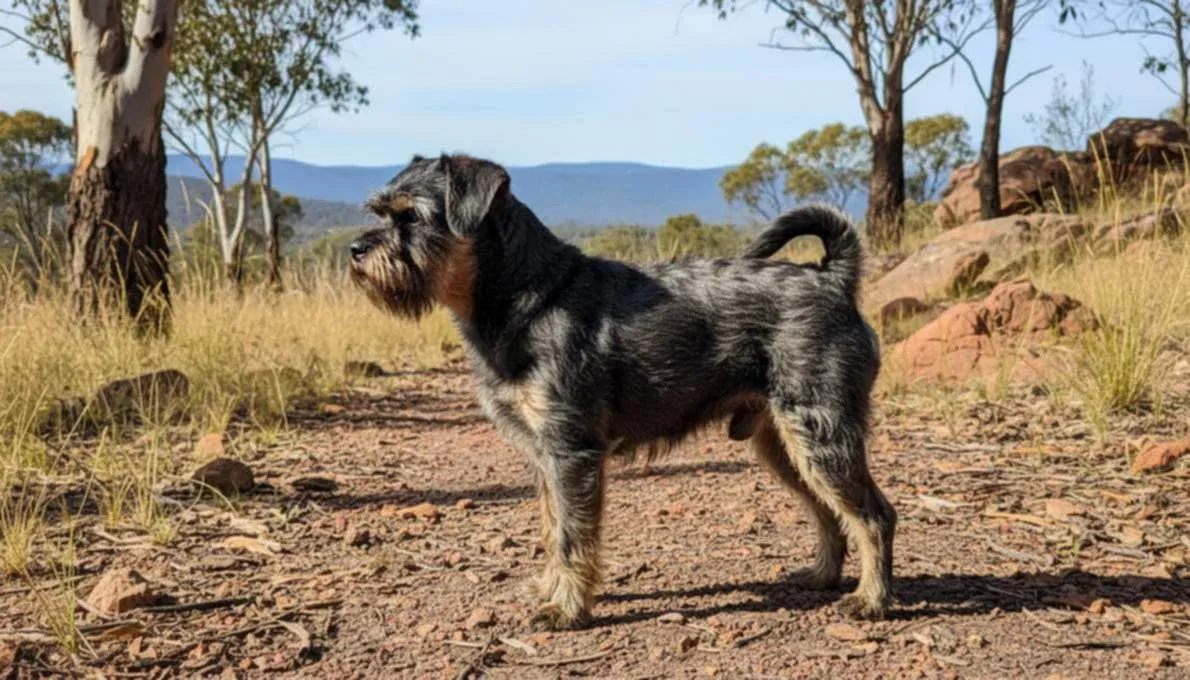
The Affenpinscher’s roots reach back to 17th-century Germany, where these small, rough-coated dogs earned their keep as ratters in kitchens, granaries, and stables. The name itself translates to “monkey terrier” in German — “Affe” meaning monkey and “Pinscher” meaning terrier — a nod to their remarkably expressive, primate-like faces.
The city of Munich became the heart of early Affenpinscher development, though the breed was popular across Germany. The AKC’s breed history page notes that the breed was eventually bred smaller, transitioning from working ratter to beloved companion among European nobility.² The Berlin Lapdog Club began formalising a breed standard in 1902, though the official standard wasn’t finalised until 1913.
The French nicknamed them “Diablotin Moustachu” — the moustached little devil — which anyone who’s owned one will tell you is spot-on. The AKC recognised the breed in 1936, but World War II nearly wiped them out. Breeders had to rebuild from almost nothing in the 1950s, and the Affenpinscher remains rare to this day. In Australia, they’re an uncommon sight, making registered breeders difficult to find.
Affenpinscher Temperament
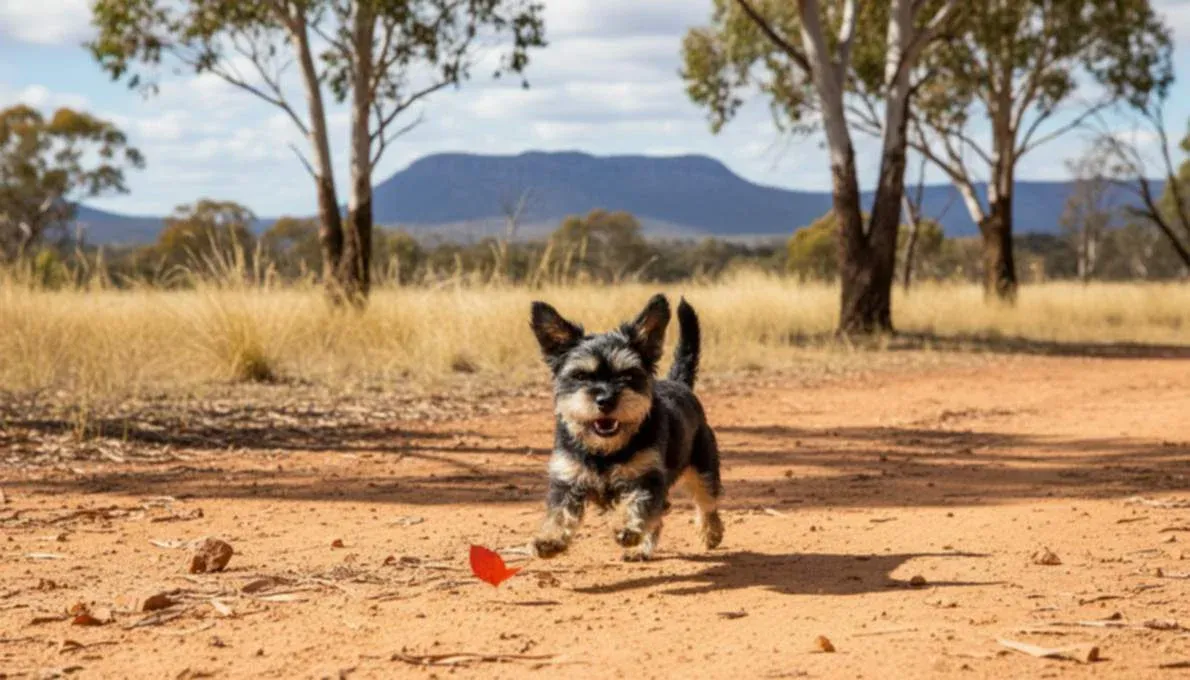
Loyal? Absolutely. But the Affenpinscher’s loyalty comes with a side of pure, undiluted attitude. This is a dog that will follow you from room to room, supervise your cooking with intense focus, and then completely ignore your recall command because something more interesting caught its eye.
Fearless Confidence: Don’t let the small size fool you. Affenpinschers genuinely believe they’re the biggest dog in the room — and they’ll attempt to prove it. This can be endearing and slightly terrifying when they square up to a Labrador at the park.
Curious Intelligence: These dogs are problem-solvers. They’ll figure out how to open a cupboard, escape a pen, or steal food from a surface you thought was too high. Their intelligence is genuine, but it’s paired with independence.
Comical Charm: The AKC breed profile describes them as carrying themselves with “comic seriousness” — and that perfectly captures it.² They’re natural entertainers who take their antics very seriously.
Loyal Attachment: Affenpinschers bond deeply with their primary person. They’re affectionate on their own terms, though — this isn’t a breed that tolerates being held like a baby for extended periods.
Many Affenpinscher owners report that the breed’s personality is more cat-like than dog-like — independent, slightly aloof with strangers, but fiercely devoted to their chosen human.
This varies significantly between individual dogs, but as a general rule, Affenpinschers do best with older children who understand how to handle a small dog gently. Their terrier fire means they won’t tolerate rough play, grabbing, or being chased. For families with toddlers, a calmer toy breed like the Cavalier King Charles Spaniel (→ bestdog.au/cavalier-king-charles-spaniel/ may be a safer match.
Affenpinschers generally get along with other dogs when properly socialised, but their ratting heritage means small pets like mice, hamsters, and guinea pigs are a genuine risk. Their prey drive is real, and it doesn’t switch off indoors.
If your Affenpinscher starts resource-guarding toys or food — and this breed can be possessive — don’t panic. Redirect with a high-value treat trade and begin structured “leave it” training early. Punishing a guarding Affenpinscher will only escalate the behaviour.
Every Affenpinscher is different. Some are bold social butterflies while others are cautious one-person dogs. Early socialisation between 8 and 16 weeks is the single biggest factor in which personality your puppy develops.
As one Australian breeder put it: “An Affenpinscher doesn’t think it’s a big dog trapped in a small body — it genuinely doesn’t know it’s small. That’s what makes them hilarious and occasionally terrifying at the dog park.”

Affenpinscher Health Issues
If you’re worried about health problems, you’re not alone — it’s one of the first things prospective owners research, and rightly so. The good news is that Affenpinschers are generally hardy little dogs with no single devastating breed-specific condition. But there are several health issues worth understanding before you commit.
PetMD’s veterinary team reports that Affenpinschers are “generally healthy dogs with no significant predisposed health issues,” but recommends breeders screen for hips, eyes, and heart.³
Prevalence: Common in toy breeds.
Symptoms: Intermittent skipping or hopping on one hind leg, sudden lameness.
Treatment Cost (AUD): $1,500–$4,000 for surgical correction.
Prevention: Maintain healthy weight; avoid jumping from heights. Your vet can screen for this with a standard patella evaluation.
As flat-faced dogs, Affenpinschers can struggle with breathing, particularly in hot Australian summers.
Symptoms: Noisy breathing, snoring, exercise intolerance, blue-tinged gums in severe cases.
Treatment Cost (AUD): $2,000–$5,000 for corrective surgery if severe.
Prevention: Avoid exercise in heat, keep weight healthy, ensure adequate airflow.
Affenpinschers are susceptible to patent ductus arteriosus (PDA), a congenital heart defect, and mitral valve disease (MVD) in older dogs.³
Symptoms: Coughing, difficulty breathing, lethargy, exercise intolerance.
Treatment Cost (AUD): $3,000–$8,000+ for PDA surgery; ongoing medication for MVD.
Prevention: Request heart screening from breeder; annual vet check-ups for early detection.
Cataracts and progressive retinal atrophy (PRA) can affect the breed. VCA Hospitals explains that cataracts cloud the lens and impair vision, while PRA is a genetic condition leading to gradual blindness.⁴
Affenpinscher Lifespan
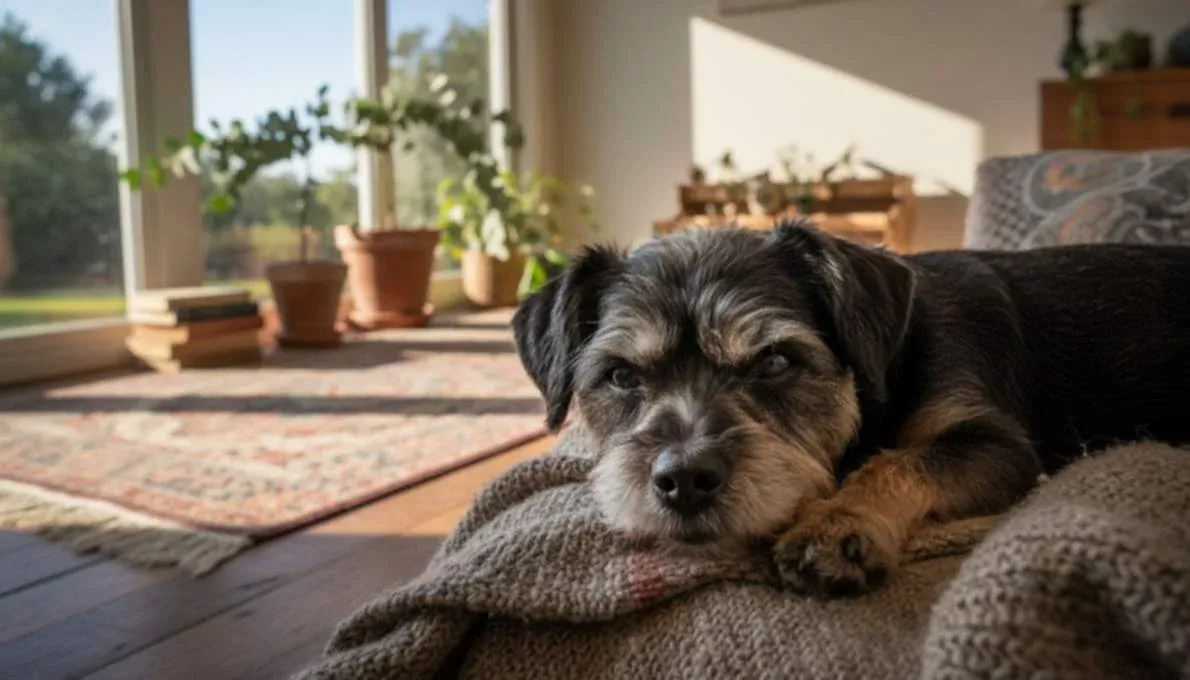
The average Affenpinscher lifespan is 12 to 15 years, which is solid for a toy breed. Some well-cared-for dogs exceed this range, particularly those from health-tested lines.
To help your Affenpinscher live its longest, healthiest life, the AKC’s senior health guide recommends age-appropriate exercise to maintain muscle mass and joint health, which becomes especially important after age eight.⁵
Key longevity factors include maintaining a healthy weight (obesity worsens brachycephalic and joint issues), regular dental care (small breeds are prone to dental disease), twice-yearly vet visits after age seven, and feeding a high-quality diet appropriate to your dog’s life stage.

Affenpinscher Grooming Guide
The Affenpinscher’s wiry, rough coat is part of its charm — that shaggy, slightly unkempt look is actually the breed standard. Grooming is moderate: not as demanding as a Poodle, but more involved than a short-coated breed.
| Task | Frequency | Time | Tools/Products |
|---|---|---|---|
| Brushing | 2–3 times/week | 10–15 mins | Pin brush + metal comb |
| Bathing | Every 6–8 weeks | 20 mins | Dermcare Natural or Fido’s Shampoo |
| Nail Trimming | Every 2–3 weeks | 10 mins | Small-dog clippers or grinder |
| Dental Care | 3–4 times/week | 5 mins | Oravet chews + PAW by Blackmores toothpaste |
| Coat Stripping | Every 3–4 months | 1–2 hours | Professional groomer: $60–$90 AUD |
A key Affenpinscher grooming tip: never clip the coat with electric clippers unless absolutely necessary. Hand-stripping (pulling dead hair) preserves the wiry texture the breed standard requires. Clipping softens the coat permanently.
Affenpinscher shedding is minimal. They’re often listed among hypoallergenic breeds, though no dog is truly 100% hypoallergenic. If allergies are a concern, spend time with the breed before committing.
Affenpinscher colours recognised by the AKC include black (most common), grey, silver, black and tan, and red. The ANKC standard generally aligns with these.
Affenpinscher Exercise Needs
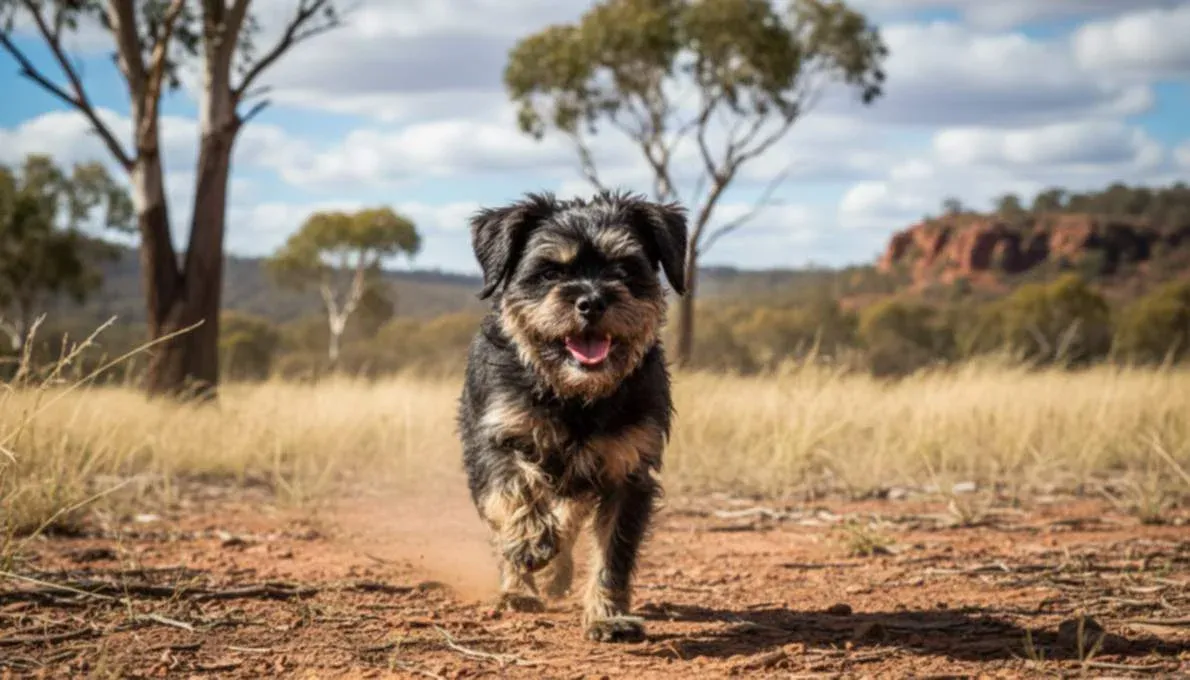
Dogs Australia’s exercise guide recommends tailoring daily activity to your breed’s group, and for toy breeds like the Affenpinscher, 20 to 30 minutes of daily exercise is generally sufficient.⁶
That said, don’t mistake “low exercise” for “no exercise.” An under-stimulated Affenpinscher is a destructive one. This level of exercise is comparable to other toy breeds like the Pug — short bursts of energy followed by enthusiastic napping.
First-time Affenpinscher owners are often surprised by the breed’s bursts of manic energy — what some call “zoomies.” These intense 5-minute sprints around the house are completely normal and usually end with the dog flopping over dramatically, panting.
If your Affenpinscher starts tearing around the house, knocking things off tables, or obsessively digging at cushions, it’s almost always a sign of insufficient mental stimulation rather than physical exercise. Add a puzzle feeder or a short training game and you’ll see the behaviour settle within days.
Exercise caution in Australian heat. Affenpinschers are brachycephalic, which means they overheat faster than long-nosed breeds. Walk early morning or late evening during summer, always carry water, and never leave them in a car — even for minutes.
Affenpinscher Training Guide
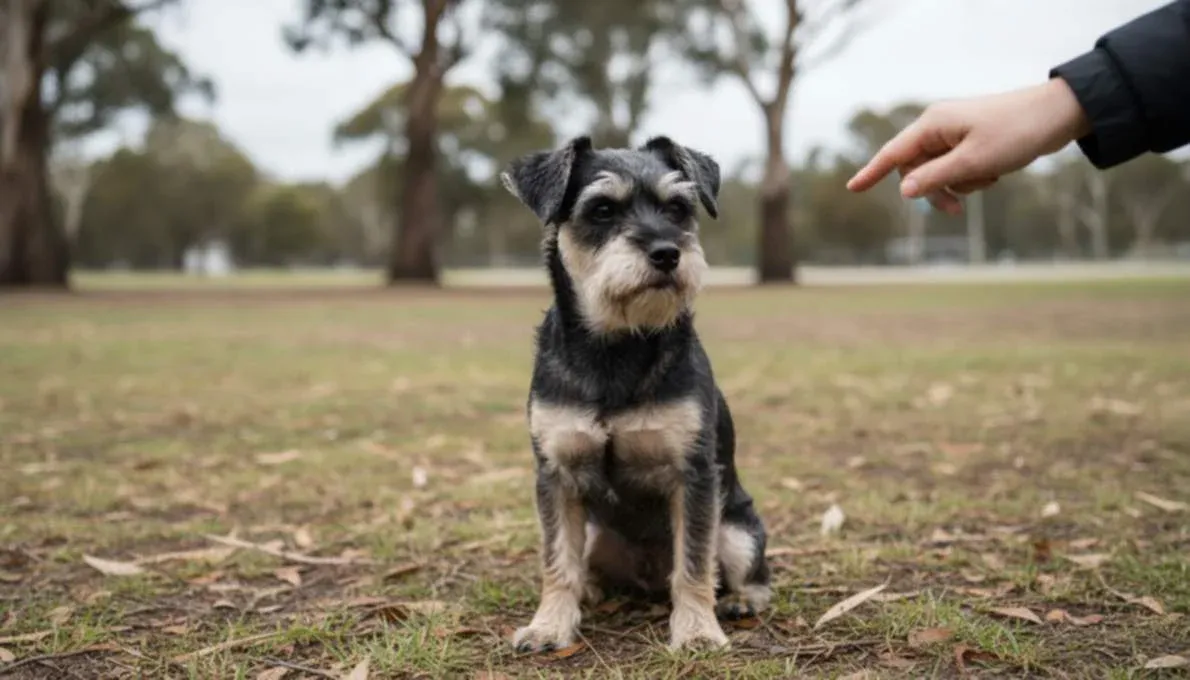
Don’t be discouraged if your Affenpinscher seems to have selective hearing — this breed is intelligent, but they’re also famously stubborn. Training isn’t about force or repetition; it’s about making your Affenpinscher think that obeying was its own idea.
The AKC recommends positive reinforcement as the foundation for all Affenpinscher training, keeping sessions short (5–10 minutes) and fun.² Long, repetitive drills will bore this breed into open defiance.
| Age | Training Focus | Expected Outcomes |
|---|---|---|
| 8–12 weeks | Name, potty training, crate | Basic recognition |
| 3–4 months | Sit, stay, come, leash | Basic obedience |
| 4–6 months | Socialisation, “leave it” | Reliable basics around distractions |
| 6–12 months | Impulse control, recall | Well-mannered companion |
When your Affenpinscher hits adolescence around 6 to 9 months, expect a temporary regression in obedience — commands they’ve known for weeks will suddenly be met with a blank stare. The key is to stay consistent and increase the value of your rewards. This phase passes.
Experienced Affenpinscher handlers often say that training this breed is less like training a dog and more like negotiating with a very small, very opinionated housemate. Patience, humour, and high-value treats are your best tools.
Affenpinscher Price & Costs
Let’s talk numbers. The Affenpinscher is a rare breed in Australia, which means both availability and pricing reflect that scarcity. If you’re searching for an Affenpinscher in Australia, expect longer wait times and higher prices than more common toy breeds.
| Expense | Approx. Cost (AUD) |
|---|---|
| Puppy Price (Registered Breeder) | $2,500 – $5,000+ |
| Adoption Fee (Rescue) | $300 – $600 |
| Initial Vet + Vaccinations | $200 – $400 |
| Desexing | $200 – $400 |
| Essential Supplies | $300 – $500 |
| TOTAL INITIAL COST | $3,500 – $6,900+ |
Annual Ongoing Costs:
- Food (premium small-breed, e.g., Black Hawk or Ivory Coat): $500–$800
- Vet & Preventatives: $400–$700
- Pet Insurance: $400–$800
- Grooming (professional stripping 3–4x/year): $240–$360
- TOTAL ANNUAL: $1,540–$2,660
Lifetime Cost Estimate: $22,000–$40,000 (based on 13-year average lifespan)
Find registered breeders through the Dogs Australia Breeder Directory Given the breed’s rarity in Australia, you may need to contact state breed clubs directly or join waiting lists.
Consider adoption through PetRescue While Affenpinschers are rarely surrendered, they do occasionally appear through breed-specific rescues and general toy breed rescue groups.
Is an Affenpinscher Right for You?
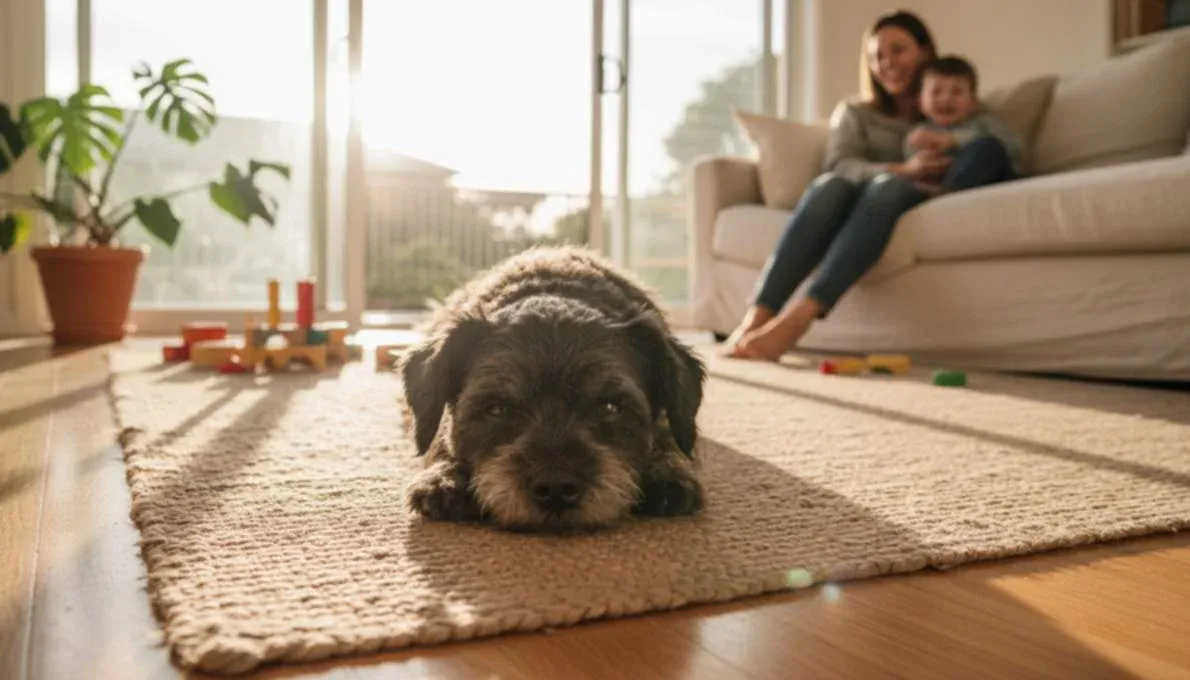
Adults or couples in apartments or small homes who want a compact, characterful companion with moderate exercise needs. Works well for retirees, work-from-home professionals, and experienced toy-breed owners.
- Home Size: Apartment-friendly — thrives in small spaces
- Yard: Not required, but a secure courtyard is a bonus
- Climate: Prefers cooler climates; struggles in extreme Australian heat due to brachycephalic breathing
This can feel overwhelming, but being honest about challenges upfront saves heartbreak later. The Affenpinscher isn’t for everyone, and that’s perfectly okay.
- Families with toddlers or very young children — this breed doesn’t tolerate rough handling
- Owners who want an off-leash dog — their prey drive and stubbornness make reliable recall difficult
- People away from home 10+ hours daily — Affenpinschers bond deeply and can develop separation anxiety
If the Affenpinscher isn’t quite right for your lifestyle, consider exploring our toy breeds guide (→ bestdog.au/toy-breeds/ for similar alternatives. The Brussels Griffon (→ bestdog.au/brussels-griffon/ shares many personality traits with a slightly calmer temperament, while the Miniature Schnauzer (→ bestdog.au/miniature-schnauzer/ offers that same wiry-coated charm with better trainability.
- Perfect for: Experienced toy-breed lovers who want a loyal, hilarious, low-shedding companion with a huge personality
- Think twice if: You have young children, want an off-leash dog, or live in an extremely hot climate without air conditioning
- First-time owner rating: Manageable with patience, but not the easiest first dog — their stubbornness requires calm, consistent handling
Still deciding? Browse our complete breed directory or compare with similar breeds like the Brussels Griffon and Pug.
Affenpinscher FAQs
Are Affenpinschers good for first-time owners?
They can be, with patience. Affenpinschers are intelligent but independent, so first-time owners need to commit to consistent positive reinforcement training. They’re not as eager to please as breeds like Golden Retrievers, but their manageable exercise needs and small size make daily care straightforward.²
Do Affenpinschers shed a lot?
No. Affenpinschers are low-shedding dogs with wiry coats that trap loose hair rather than dropping it. They’re often listed as hypoallergenic, though no breed is completely allergy-free. Regular brushing two to three times per week keeps the coat healthy and minimises any shedding.³
How much exercise does an Affenpinscher need?
Around 20 to 30 minutes of daily activity, split between walks and play. Mental stimulation (puzzle feeders, training games) is equally important. Avoid exercise in extreme heat due to their brachycephalic airways.⁶
How long do Affenpinschers live?
The average Affenpinscher lifespan is 12 to 15 years. With proper diet, regular vet care, dental maintenance, and healthy weight management, many live to the upper end of that range.³
How much does an Affenpinscher cost in Australia?
Expect to pay $2,500 to $5,000+ AUD from a registered breeder. The breed is rare in Australia, so availability is limited and waiting lists are common. Adoption through rescue organisations is significantly cheaper ($300–$600) but Affenpinschers rarely appear in shelters.
Are Affenpinschers good with children?
Best with older children (8+) who understand gentle handling. Affenpinschers don’t tolerate rough play, grabbing, or being held against their will. Supervision is essential with any child-dog interaction.
Do Affenpinschers bark a lot?
They’re generally quiet dogs, but they can become vocal when excited, threatened, or left alone. Early training to manage alert barking helps prevent it from becoming a habit.²
1. AKC — Affenpinscher Breed Profile
https://www.akc.org/dog-breeds/affenpinscher/
2. AKC — Affenpinscher History
https://www.akc.org/expert-advice/dog-breeds/affenpinscher-history/
3. PetMD — Affenpinscher Breed Health Profile
https://www.petmd.com/dog/breeds/affenpinscher
4. VCA Hospitals — Cataracts in Dogs
https://vcahospitals.com/know-your-pet/cataracts-in-dogs
5. AKC — Senior Dog Exercise Guide
https://www.akc.org/expert-advice/health/easy-do-at-home-exercises-for-senior-dogs/
6. Dogs Australia — Exercise & What You Need to Consider
https://dogsaustralia.org.au/getting-a-dog/exercise-and-what-you-need-to-consider/