
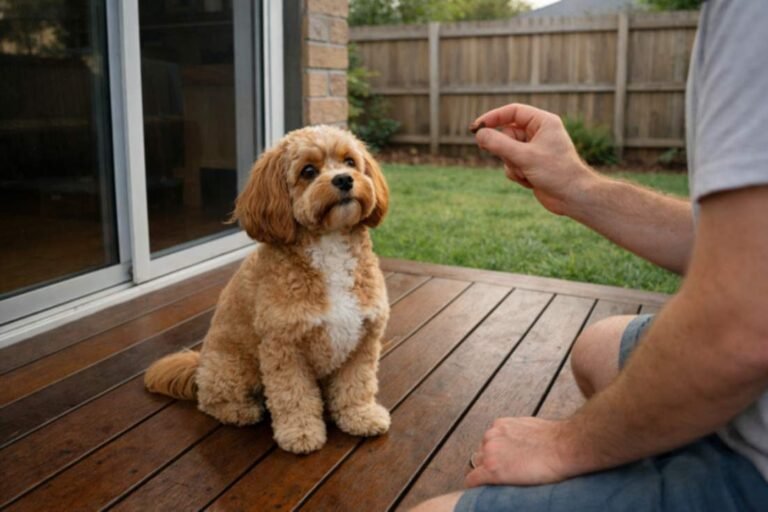
Teaching your dog to respond to basic cues is one of the first things most owners want sorted after bringing a new pup home. In Australia, where off-leash beaches, shared footpaths and cafe culture are part of everyday dog life, a solid foundation of sit, stay, drop and come makes the difference between a dog you can take anywhere and one that stays home. how to teach your dog “leave it” and “drop it” how to train your dog to wait at doors
For breeds like the Dutch Shepherd, mastering basic commands is especially important due to their high intelligence and working drive.
Basic commands are especially important for breeds like the English Setter, whose natural elegance and hunting instincts require consistent guidance to ensure they remain well-behaved companions.
For breeds known for their vocal nature, such as the Finnish Spitz, mastering basic commands like ‘sit’ and ‘stay’ can help manage their enthusiastic barking tendencies.
While teaching basic commands is essential for all breeds, it’s especially important for larger dogs like the English Mastiff, whose size can make obedience training a top priority for safety and control.
Basic commands like sit and stay are especially important for small breeds such as the English Toy Terrier, ensuring they remain safe and well-behaved in any situation.
When teaching basic commands, it’s helpful to understand the unique traits of different breeds, such as the Puli dog, which excels in agility and obedience due to its herding background.
Breeds such as the Norwegian Elkhound thrive when trained with consistent commands, making them excellent companions for those who enjoy outdoor activities.
If you’re looking for a breed that excels in obedience and strength, consider the Greater Swiss Mountain Dog, a breed known for its intelligence and versatility in both work and companionship.
If you’re training a larger breed like a St Bernard, patience is key — their size and strength require consistent, gentle guidance to master basic commands effectively.
While teaching basic commands, it’s worth noting that some breeds like the Parson Russell Terrier may require extra patience due to their high energy and independent streak. These spirited little dogs excel at learning tricks once you channel their enthusiasm into structured training sessions.
Teaching basic commands like sit and stay is especially important for intelligent breeds like the Rough Collie, who thrive on mental stimulation and structured training.
For breeds like the Great Pyrenees, mastering basic commands is especially important due to their natural guarding instincts and large size.
For breeds like the Eurasier, mastering basic commands is especially rewarding due to their calm and attentive nature, making training sessions both effective and enjoyable.
Whether you’re teaching commands to a pedigree breed or a mixed-breed dog like the Filipino Aspin, consistency and patience are key to successful training.
While teaching basic commands is essential, some breeds like the Old English Sheepdog may require extra patience due to their playful and sometimes stubborn nature.
Breeds such as the Icelandic Sheepdog thrive on learning basic commands, as their intelligence and eagerness to please make training a rewarding experience.
While basic commands are essential for all dogs, they’re particularly crucial for larger breeds like the Irish Wolfhound due to their size and strength.
If you’re training a small but confident breed, patience and consistency are key, as these dogs often have a strong independent streak.
If you’re looking for a breed that excels in obedience and protection, consider the Kangal Shepherd Dog, known for its natural guarding instincts and impressive bite force.
For breeds like the spotted Dalmatian, mastering basic commands is especially crucial due to their high energy and strong-willed nature.
For highly intelligent breeds like the Standard Schnauzer, training sessions should be short and varied to keep them engaged. Their problem-solving skills mean they often pick up commands quickly, but they’ll also test boundaries if routines become predictable.
Training basic commands is essential for all breeds, but for a gentle giant like the Newfoundland, it’s particularly important to establish control early on.
For larger breeds like the Giant Schnauzer, mastering basic commands is especially important due to their size and strength, ensuring they remain manageable and well-behaved in any situation.
While teaching basic commands is essential, understanding your dog’s breed-specific traits, like the unique characteristics of the Pharaoh Hound, can enhance your training approach.
For breeds like the Italian Spinone, mastering basic commands is especially important due to their strong hunting instincts and independent nature.
If you’re looking for a breed that excels in obedience training, consider the Finnish Lapphund, known for its intelligence and eagerness to please.
While teaching basic commands is crucial for all dogs, breeds like the Skye Terrier often excel due to their innate loyalty and eagerness to please, making training a smoother process.
While teaching basic commands, breeds like the Dandie Dinmont Terrier can be particularly rewarding due to their calm and attentive nature, making training sessions more effective.
Breeds such as the Coton de Tulear are especially responsive to basic commands, thanks to their eager-to-please attitude and intelligence.
While teaching basic commands is essential for any dog, breeds like the Shar Pei often require patience and understanding due to their independent nature and unique history.
When teaching basic commands, breeds like the Dachshund can be both rewarding and challenging due to their strong-willed nature. Their intelligence and eagerness to please make them excellent learners, though they may require a bit more patience.
Basic commands are especially important for breeds like the Sarplaninac, whose strong instincts need to be managed carefully to ensure they remain well-behaved and responsive.
While basic commands are essential for all dogs, breeds like the Russian Toy often pick them up quickly due to their intelligence and eagerness to please.
When teaching basic commands, breeds like the Keeshond are particularly responsive due to their eager-to-please and affectionate temperament.
For breeds like the Staffordshire Bull Terrier, mastering basic commands is especially important due to their strong, people-focused nature and muscular build.
While teaching basic commands, breeds like the Leonberger benefit from their natural intelligence and eagerness to please, making training sessions enjoyable.
While teaching basic commands, consider the Mudi dog, a breed that excels in obedience and agility training due to its high intelligence and eagerness to learn.
For breeds like the Shiba Inu, mastering basic commands can be a bit more challenging due to their strong-willed personality, but it’s incredibly rewarding once achieved.
While teaching basic commands is essential for all dogs, it’s especially important for breeds like the Miniature Bull Terrier, whose fearless nature can sometimes lead them into trouble.
While teaching basic commands is essential, it’s also worth exploring breeds like the Ibizan Hound, which are known for their intelligence and trainability.
For breeds with high energy levels, such as the Samoyed breed, mastering basic commands can be particularly rewarding and help channel their enthusiasm constructively.
While teaching basic commands, consider exploring breeds like the Swedish Vallhund, which combines intelligence and agility, making them highly trainable.
While teaching basic commands is crucial for all dogs, breeds like the Catahoula Leopard Dog benefit greatly from early training to channel their natural drive and intelligence.
For breeds like the Miniature Poodle, mastering basic commands is often easier thanks to their high intelligence and eagerness to learn.
Once your dog masters basic commands, you might want to explore more about unique breeds like the Otterhound, known for its distinctive traits and history.
While teaching basic commands like sit and stay is essential, some breeds, such as the Sloughi, require a more nuanced approach due to their independent nature and sighthound instincts.
While teaching basic commands is essential for any dog, breeds like the Kuvasz may require extra patience due to their independent nature.
For high-energy breeds like English Springer Spaniels, mastering basic commands is especially important to channel their boundless enthusiasm into positive behaviors.
While basic commands like sit and stay are essential for most dogs, breeds like the Czechoslovakian Wolfdog may require more advanced training due to their unique intelligence and strong instincts.
While teaching basic commands is essential for any dog, breeds like the English Pointer may require additional training to channel their high energy levels effectively.
For breeds like the Rhodesian Ridgeback, mastering basic commands is especially important due to their independent nature and strong-willed personality.
For highly intelligent breeds like the Standard Poodle, mastering basic commands is often just the beginning — their cognitive abilities allow them to learn complex sequences and even problem-solve in ways that surprise many owners.
While teaching basic commands is essential for all dogs, some breeds pick them up faster than others. For example, the clever Papillon ranks among the top 10 most intelligent breeds, often mastering new cues with remarkable speed.
Teaching your dog to respond to basic cues is one of the first things most owners want sorted after bringing a new pup home. In Australia, where off-leash areas are common, mastering commands like sit, stay, and drop is essential. For those interested in unique breeds, the Kerry Blue Terrier offers a distinctive combination of intelligence and charm.
Training a stubborn breed like the Miniature Dachshund requires extra patience, as their independent nature often means they’ll test boundaries even with basic commands.
While basic commands are essential for all dogs, some breeds like the Neapolitan Mastiff may require extra patience due to their stubborn nature — but their loyalty makes the effort worthwhile.
If you’re training a small, energetic crossbreed like a Morkie puppy, keep sessions short and positive — their attention spans are as tiny as their bodies, but their eagerness to please makes them quick learners when motivated.
If you’re looking for a breed that excels in obedience training, consider the Miniature Schnauzer, known for its intelligence and eagerness to learn basic commands.
While teaching basic commands is essential for all dogs, some breeds like the Miniature Pinscher may require extra patience due to their spirited and independent nature.
While teaching basic commands like sit and stay is essential, some breeds, such as the Hungarian Komondor, are naturally independent and may require a different approach to training.
For breeds like the Shetland Sheepdog, mastering basic commands is a breeze thanks to their high intelligence and eagerness to please.
While teaching basic commands is essential, it’s also important to consider your dog’s breed-specific traits. For example, Dobermanns are highly intelligent and require consistent training to channel their energy effectively.
When teaching basic commands like sit and stay, it’s also helpful to monitor your puppy’s growth to ensure they’re developing properly. Use a puppy growth calculator to track their progress and predict their adult weight.
For breeds like the Rottweiler, mastering basic commands is especially important due to their size and strength, ensuring they remain well-behaved and safe in any situation.
While teaching basic commands like sit and stay, it’s worth noting that breeds like the Toy Poodle excel in obedience training due to their high intelligence and eagerness to please.
While teaching basic commands like sit and stay is essential, some breeds, such as the Polish Lowland Sheepdog, require extra patience due to their independent nature.
If you’re looking for a breed that excels in learning commands, consider the Manchester Terrier, known for its intelligence and quick responsiveness to training.
While teaching basic commands like sit and stay is essential, some breeds, such as the Wire Fox Terrier, may require extra patience due to their high energy and independent nature.
Teaching your dog basic commands is essential, but don’t forget that toilet training is just as important for a well-behaved pup. Consistency and patience are key in both areas to ensure your dog develops good habits early on.
If you’re training a German Spitz, their intelligence and alert nature make them quick learners, but their independent streak can sometimes require extra patience. For more insights into this ancient breed, check out our guide on the German Spitz.
While basic commands are essential for all dogs, breeds like the Belgian Malinois benefit greatly from early and consistent training due to their intelligence and high energy levels. These dogs thrive when given clear structure and mental challenges.
While teaching basic commands like sit and stay is essential, some breeds, such as the German Pinscher, require a more advanced approach due to their independent nature and high intelligence.
While basic commands are essential for all breeds, some dogs like the energetic Labrador Retriever may need extra patience and consistency during training due to their high energy levels and enthusiasm.
While teaching basic commands, it’s important to consider your dog’s breed-specific traits — for example, Bull Terriers often require firm yet patient guidance due to their strong personalities.
While basic commands are essential for every dog, some breeds like the Airedale Terrier may require extra patience due to their strong-willed nature. These intelligent dogs thrive on consistent training and positive reinforcement.
While teaching basic commands is essential for all breeds, some dogs like the hardy Border Terrier may require extra patience due to their strong hunting instincts—though their intelligence makes them quick learners once motivated.
While teaching basic commands is essential for all dogs, some breeds like the Belgian Tervuren excel in obedience training due to their intelligence and eagerness to please, making them a joy to work with for both novice and experienced owners.
If you’re training a high-energy breed like the Australian Kelpie, mastering basic commands is essential for managing their boundless energy and sharp intelligence.
If you’re training a clever hybrid breed like the Spoodle crossbreed, you’ll find their intelligence makes them quick learners, though their affectionate nature means they thrive on positive reinforcement during these sessions.
If you’re training a Cavoodle puppy, their intelligence and eagerness to please make them quick learners, but their affectionate nature means they respond best to positive reinforcement and short, engaging sessions.
Basic commands like sit, stay, and come are essential for all dogs, but breeds like the Golden Retriever often pick them up quickly due to their high intelligence and desire to please.
Teaching your dog to respond to basic cues is one of the first things most owners want sorted after bringing a new pup home. In Australia, where off-leash areas are common, these skills are especially important. For more dog training resources, explore our comprehensive guides on building a happy, well-behaved companion.
Basic commands like sit and stay are crucial for all dogs, but breeds such as the British Bulldog benefit greatly from early training to channel their natural calmness into obedient behaviour.
These fundamental commands are particularly important for intelligent, active breeds like the Australian Shepherd, who thrive on mental stimulation and structured training.
While teaching basic commands like sit and stay is essential, some breeds, such as the Beauceron, require a more structured approach due to their strong herding instincts and intelligence.
In Australia, where off-leash training is essential for outdoor adventures, understanding your dog’s instincts can be invaluable. For example, the Kangaroo Dog was bred for its remarkable speed and stamina, traits that can still be seen in many working breeds today.
Teaching basic commands is especially important for small breeds like Maltipoo puppies, who can be both energetic and sensitive to training. Starting early with consistent cues helps them grow into well-behaved companions.
For breeds like the German Shepherd, mastering basic commands is essential due to their high intelligence and working nature. These dogs thrive on mental stimulation and structured training, making foundational cues like sit, stay, drop, and come particularly important for their development.
While teaching basic commands like sit, stay, and come, it’s worth noting that breeds like the American Cocker Spaniel often excel in obedience training due to their eager-to-please nature and intelligence.
Small breeds like the Chihuahua can be surprisingly quick learners when it comes to basic commands, often mastering sit and stay with just a few short training sessions.
These four commands cover the situations that come up most often: stopping your dog from bolting out the front door, preventing them from swallowing something dangerous off the footpath, and keeping them safe near roads or other dogs. They also happen to be the building blocks for everything else you will teach down the track.
This guide breaks each command down step by step, using reward-based methods recommended by the Australian Veterinary Association. Whether you have an eight-week-old puppy or an older rescue, the process is the same — start simple, build gradually, and keep sessions short.
Teaching basic commands is especially important for active breeds like the Brittany Spaniel, who thrive on mental stimulation and structured training.
Start with sit (easiest to teach), then stay, drop it and come. Use small, soft treats like diced chicken or Zeal liver bites. Keep sessions to five to ten minutes. Practise in a quiet spot first, then add distractions. Always reward within one second of the correct behaviour. For leash pulling, stop walking the moment the lead goes tight and only move again when the dog returns to a loose lead. how to train your dog to walk on a loose leash how to stop your dog pulling on the leash
Why These Four Commands Come First
Walk into any puppy school in Melbourne, Sydney or Brisbane and the first session will cover the same four cues. There is a reason for that. Sit gives you a way to pause your dog before crossing a road or greeting someone. Stay keeps them in one spot while you answer the door. Drop it stops them from clamping down on a chicken bone at the park. Come brings them back when something goes wrong off lead. how to teach your dog to come when called off-leash training how to teach “place” or “go to bed” command
Each one also feeds into the next. A dog that can sit reliably will pick up stay faster. A dog with a solid recall is easier to teach drop it, because you can call them to you and trade what they have for something better. Think of them as a set, not four separate tricks. capturing calm
Beyond the practical side, regular short training sessions give your dog mental stimulation. For high-energy breeds like Kelpies, Border Collies and Australian Shepherds, ten minutes of focused training can tire them out as much as a thirty-minute walk.
What You Need Before Starting
Treats. Small, soft and smelly is the rule. You want something your dog can eat in under a second so you are not waiting around while they chew. Diced cooked chicken, cheese cubes, Zeal liver treats or Scratch training treats all work well. Save the fanciest option for the hardest exercise — that is your jackpot reward.
A quiet space. Start somewhere boring. A hallway, laundry or quiet corner of the backyard. The fewer distractions competing for your dog’s attention, the faster the penny drops. You can add distractions once the basics are solid.
Consistency across the household. Everyone who interacts with the dog needs to use the same words and the same rules. If one person says “down” when they mean “off the couch” and another uses “down” to mean “lie down,” the dog gets stuck trying to work out which one you mean.
Keep every session between five and ten minutes. End while the dog is still engaged and getting things right. Pushing past the point of focus teaches frustration, not commands.
How to Teach Your Dog to Sit
Sit is the easiest cue to teach because you are working with gravity. When a dog tilts their head back to follow a treat, the back end drops naturally. Your job is to mark that moment and make it worth repeating.
- Hold a treat close to the dog’s nose. Close enough to smell, not close enough to grab.
- Move the treat slowly up and back over the head. The nose follows the treat, the head tilts up and the bum goes down. Do not hold the treat so high that the dog jumps for it.
- The instant the bum hits the floor, say “yes” and hand over the treat. Timing matters here. You have about one second to connect the reward to the action. A clicker can help if you struggle with timing.
- Repeat four or five times, then take a break. Come back for another short round later. Once the dog is sitting reliably with the lure, start saying “sit” just before you move the treat.
- Phase out the food lure. Use the same hand motion with an empty hand, then reward from your pocket or treat pouch after the dog sits. The hand motion naturally becomes your hand signal.
If the dog jumps up instead of sitting back, the treat is too high. Keep it just above nose level. If the dog walks backwards instead of sitting, practise with the dog’s back near a wall so there is nowhere to reverse into.
How to Teach Your Dog to Stay
Stay is harder than sit because you are asking the dog to do nothing, and doing nothing is boring. The trick is building duration and distance so gradually that the dog barely notices it getting harder.
Before teaching stay, pick a release word. This tells the dog when the stay is over. “OK,” “free” or “break” all work. Without a release word, the dog will guess when to move, and guessing leads to broken stays.
- Ask the dog to sit. Wait two seconds. If the dog holds the sit, say “yes,” give a treat, then say your release word and toss a treat so the dog has to move to get it. This teaches the release word.
- Add the word “stay.” Put the dog in a sit, show a flat palm (the classic stay hand signal), say “stay,” wait two seconds, step back to the dog, reward and release.
- Stretch the duration slowly. Three seconds, five, eight, twelve. If the dog breaks the stay, go back to whatever duration was working and rebuild. There is no shortcut.
- Add one step of distance. Take a single step back, pause, step back to the dog, reward and release. Over multiple sessions, add more steps.
- Always return to the dog to reward. Never call the dog to you out of a stay. Otherwise the dog learns that stay means “wait a bit and then come,” which defeats the purpose.
Some dogs go from a five-second stay to thirty seconds in a day. Others need a week. Both are normal. Push too fast and you will spend more time resetting than progressing.
How to Teach Your Dog to Drop It
Dogs explore the world with their mouths. That means socks, sticks, dead birds and the occasional snail all end up in there. In Australia, where 1080 baits, cane toads and snake carcasses are real hazards depending on where you live, a reliable “drop it” is not just convenient — it can be a lifesaver.
- Start with a toy the dog likes but is not obsessed with. Let the dog grab it, then hold a high-value treat right near the dog’s nose. Most dogs will open their mouth to take the treat, and the toy falls out.
- The instant the toy leaves the mouth, say “yes” and give the treat. Then give the toy straight back. This last part matters. If dropping something always means losing it, the dog learns to clamp down harder and run.
- After several repetitions, say “drop it” just before presenting the treat. Over time the words alone will trigger the release.
- Practise with different objects and in different rooms. A sock, a stick, a tissue. Build toward the real-world situations where the command will actually matter.
Never chase the dog to get something away. Chasing turns it into a game and teaches the dog that grabbing things earns attention. Trade up instead — offer something better than what the dog has.
How to Teach Come (Recall)
Recall is the single most useful cue your dog can learn, and the hardest to get right in the real world. A dog with a solid recall can be trusted at off-leash beaches and dog parks. A dog without one is on a lead for life.
The challenge is that you are competing with every smell, sound and squirrel in the environment. So you need to make coming to you the best thing that happens all day, every single time.
- Start indoors in a quiet room. Say the dog’s name followed by “come” in an upbeat voice. When the dog looks at you or moves toward you, reward immediately. At this stage, even a glance counts.
- Add distance inside the house. Move to the other side of the room. Call the dog. Reward big when the dog arrives — multiple treats, excited praise, whatever makes the dog light up.
- Move to an enclosed outdoor space. Attach a long line (a five- to ten-metre lead) as a safety net, but let the cue do the work. Do not reel the dog in.
- Make recall a party every time. Never call the dog for something unpleasant. If you need to clip nails or give a bath, go and collect the dog instead. You want “come” to mean “something brilliant is about to happen.”
- Gradually increase distractions. A quiet park, then a busier one. If the dog fails in a new environment, that is normal. Go back a step and rebuild.
One mistake that undoes weeks of work: repeating the cue. Saying “come, come, COME” teaches the dog that the word is background noise. Say it once. If the dog does not respond, move closer, get the dog’s attention, and try again at a shorter distance.
How to Stop Your Dog Pulling on the Leash
Leash pulling is probably the most common frustration Australian dog owners deal with. Dogs naturally walk faster than people, and the outdoors is a sensory overload of new smells, other dogs and things worth chasing. Walking calmly on a loose lead is a learned skill, not something dogs arrive with.
The good news: with patience and consistency, most dogs can learn polite lead manners. Here are three methods that work. Pick the one that fits your dog and stick with it.
Red Light, Green Light
When the dog pulls and the lead goes tight, stop walking. Do not yank the dog back. Just stop and wait. When the lead goes slack — because the dog looks back or wanders toward you — praise and start walking again. If the dog pulls, stop again. The first few walks will feel like you are going nowhere. That is the training. The dog is learning that pulling stops the walk and walking near you keeps it moving.
Direction Changes
When the dog surges forward, turn and walk the other way without warning. When the dog catches up, reward. Then change direction again. This keeps the dog guessing about where you are headed, which means paying attention to you rather than charging ahead. It feels odd at first but works well for dogs that tune out their owner on walks.
The Reward Zone
Pick a side — left or right, it does not matter as long as you stay consistent — and make that spot next to your leg the most rewarding place in the world. Every few steps the dog takes in that zone, deliver a treat. Gradually space out the treats as the dog starts defaulting to that position.
A few things that help regardless of which method you use: start in a boring environment with no distractions. Use high-value treats. Burn off some energy with a game of fetch before a training walk — a tired dog focuses better than a wired one. And consider a front-clip harness like the PetSafe Easy Walk, which redirects the dog’s momentum back toward you when pulling happens. The harness is not a replacement for training, but it makes the process more manageable while you are building the skill.
Avoid retractable leads. They teach the dog that pulling extends the available range, which is the opposite of what you want. Stick with a standard lead around 1.8 to 2 metres long.
Common Mistakes That Slow Progress
Sessions that run too long. Ten minutes is the ceiling for most dogs. For puppies under four months, five minutes is plenty. If the dog starts yawning, sniffing the ground or looking away, the session is over. Listen to those signals.
Rewarding too late. You have roughly one second to connect the treat to the behaviour. If you spend five seconds fumbling in your treat pouch, the dog has no idea what earned the payoff. A treat bag clipped to your waistband helps.
Inconsistent rules across the family. If one person lets the dog pull on walks and another does not, the dog gets mixed messages and the training stalls. Sit down as a household and agree on the words, the rules and the consequences before you start.
Only practising during “training time.” The best training happens throughout the day. Ask for a sit before meals. Practise recall in the hallway. Use “drop it” when the dog picks up a sock. The more these cues show up in real life, the more reliable they become.
Repeating the cue. Saying “sit, sit, sit” teaches the dog that the cue is three repetitions of the word, not one. Say it once. If nothing happens, reset and try again rather than layering on more words.
When to Get Professional Help
If the dog is showing fear, aggression or extreme anxiety during training, stop and consult a qualified reward-based trainer or veterinary behaviourist. The AVA maintains a training policy recommending positive reinforcement as the preferred method. Your local vet can refer you to a trainer who uses these methods. Look for members of the Pet Professional Guild Australia or trainers with a Certificate IV in Companion Animal Services.
Some behaviours — resource guarding, leash reactivity, separation anxiety — go beyond basic obedience and benefit from a tailored behaviour modification plan. That is not a failure on your part. Getting help early almost always produces a better outcome than waiting until the problem is entrenched.
Frequently Asked Questions
How long does it take to teach a dog basic commands?
Most dogs can learn the basics of sit, stay, drop and come within four to six weeks of consistent, short daily sessions. Reliability in distracting environments takes longer — often several months. The key is consistency, not speed.
What age can you start teaching commands?
You can start as soon as you bring your puppy home, usually around eight weeks old. Keep sessions very short (two to five minutes) and fun. Focus on building a positive association with training. Older dogs can learn at any age — the process is the same, just sometimes slower if they have established habits.
What treats work best for training?
Small, soft, smelly treats that can be eaten quickly. Diced cooked chicken, cheese, commercial training treats like Zeal or Scratch, or even pieces of hot dog work well. Use higher-value treats for harder tasks or in distracting environments.
Can you teach an older dog basic commands?
Yes, absolutely. Older dogs can learn new commands, though they may take a little longer if they have established habits. The training principles are identical: reward-based, short sessions, clear communication. Patience is key.
Should you use a clicker for training?
A clicker can be a very precise tool for marking the exact moment of a desired behaviour, which helps with timing. It’s not essential — a verbal marker like “yes” works just as well. Choose whichever method you can use consistently.
Australian Veterinary Association, “The Use of Punishment and Negative Reinforcement in Dog Training” — https://www.ava.com.au/policy-advocacy/policies/companion-animals-dog-behaviour/the-use-of-punishment-and-negative-reinforcement-in-dog-training/ — Positive reinforcement principles, reward-based training as preferred method
American Kennel Club, “Teach Your Puppy These 5 Basic Cues” — https://www.akc.org/expert-advice/training/teach-your-puppy-these-5-basic-commands/ — Step-by-step methods for sit, stay, come; session length guidelines; puppy start age
Cornell University College of Veterinary Medicine, “Training ‘Stay’ vs. ‘Wait’” — https://www.vet.cornell.edu/departments-centers-and-institutes/riney-canine-health-center/canine-health-information/training-stay-vs-wait — Release word training, stay vs wait distinction, marker use in cue training
Best Friends Animal Society, “How to Stop a Dog From Pulling on Leash” — https://bestfriends.org/pet-care-resources/how-stop-dog-pulling-leash — Red light/green light method, front-clip harness recommendations, head halter guidance
American Veterinary Society of Animal Behavior, “Position Statement on Humane Dog Training” — https://avsab.org/why-you-need-to-reward-your-dog-in-training-according-to-the-experts/ — Evidence base for reward-based methods, risks of aversive training
For more details on how we handle your information while training your dog, please refer to our privacy policy.
For full transparency about our training methods and content creation process, please review our editorial disclosure policy, which outlines how we ensure accuracy in all our dog training guides.
Basic commands form the foundation for all dog training, whether you’re working with popular breeds or rarer ones like the stamina-driven Harrier. Consistent positive reinforcement helps any dog master these essential skills.