

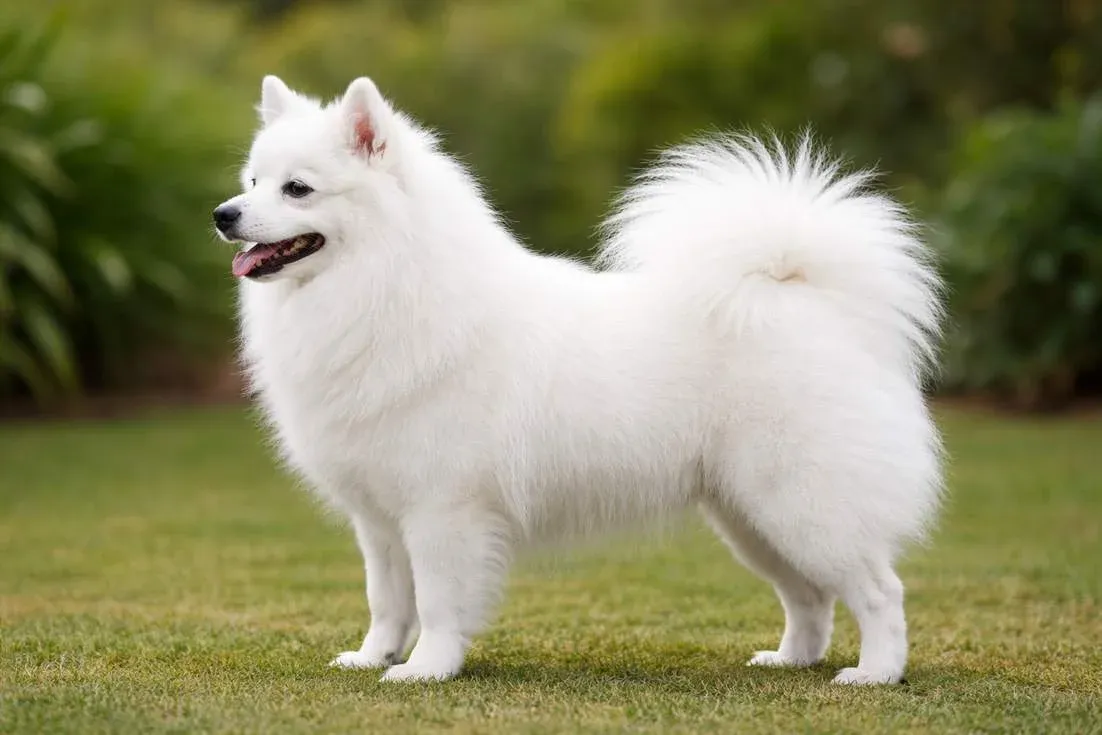
There’s something almost magical about a Japanese Spitz. With their permanent smile and cloud-white coat, they look like they’ve stepped straight out of a fairy tale — and their popularity in Australia has skyrocketed over the past decade. Despite their small size, these fluffy companions pack more personality into their compact frames than dogs twice their size.
If you’ve found yourself captivated by those dark, sparkling eyes at the dog park, you’re not alone. The Japanese Spitz dog has captured hearts across the country, and for good reason. But before you fall head over heels, you deserve to know exactly what life with one of these cotton-ball cuties actually looks like — the good, the challenging, and everything in between.
What You’ll Learn
- Breed traits & temperament
- Health concerns to know
- True cost in Australia
- Training & exercise needs
- Is this breed right for you?
Japanese Spitz Quick Facts
| Attribute | Details |
|---|---|
| Breed Group | Non-Sporting (ANKC Group 7) |
| Origin | Japan (1920s-1930s) |
| Size Category | Small to Medium |
| Height (Adult) | Male: 34-37 cm | Female: 30-34 cm |
| Weight (Adult) | Male: 6-10 kg | Female: 5-8 kg |
| Lifespan | 12-14 years |
| Coat Type | Double coat — pure white only |
| Exercise Needs | 30-45 minutes/day |
| Trainability | 4/5 (Eager to please) |
| Good with Children | Yes — gentle and playful |
| First-Time Owner Suitable | 4/5 (Excellent choice) |
| Average Puppy Price (AUD) | $1,500 – $3,000 |
Data sourced from ANKC Breed Standards and Dogs Australia registry.¹
History of the Japanese Spitz
The Japanese Spitz emerged in Japan during the 1920s and 1930s, when breeders set out to create the ideal companion dog. They began with white German Spitz dogs imported from China, first exhibited at a Tokyo dog show in 1921. Over the following decade, breeders carefully crossed various small white Spitz breeds from Canada, the United States, Australia, and China to refine the breed’s characteristics.
Japanese Spitz arrived in Australia during the 1970s and have steadily grown in popularity. Today, they’re recognised by the Australian National Kennel Council (ANKC) in Group 7 (Non-Sporting), and active breeders can be found in every Australian state.

Japanese Spitz Temperament
Ask any Japanese Spitz owner what drew them to the breed, and they’ll likely mention that irresistible combination of playfulness and devotion. These dogs were bred purely as companions, and it shows in every aspect of their personality.
Affectionate: Your Japanese Spitz will want to be wherever you are. They thrive on human companionship and form incredibly strong bonds with their families.
Intelligent: Descended from clever working breeds, the Japanese Spitz dog picks up commands quickly and loves mental stimulation. As one Victorian breeder put it: “They’re almost too smart for their own good — leave them bored, and they’ll find creative ways to entertain themselves, usually involving your cushions.”
Alert: Despite their friendly nature, they make excellent watchdogs. You’ll always know when someone’s at the door — or when a suspicious leaf has blown into the yard.
Playful: These dogs retain their puppy-like enthusiasm well into adulthood. Many owners report that their Japanese Spitz seems to have a permanent grin — and an equally permanent desire to play.
Loyal: Once a Japanese Spitz bonds with you, that bond is unshakeable. They’re the kind of dog that will follow you from room to room, supervising your every move with quiet dedication.
Japanese Spitz are fantastic with children of all ages. Their gentle, patient nature and love of play makes them wonderful family companions. That said, this varies significantly between individual dogs — some are more tolerant of toddler antics than others. Always supervise interactions between young children and any dog, and teach children how to approach and handle dogs respectfully.
Good news for multi-pet households: Japanese Spitz generally get along well with other dogs and can coexist peacefully with cats, especially if introduced properly. They don’t have a strong prey drive, so they’re less likely to chase smaller pets than many other breeds.
If your Japanese Spitz starts barking at every passerby, every dog walker, and every bird that dares to land in your garden — don’t panic. This is their watchdog instinct in overdrive, and it’s entirely manageable with consistent training. First-time Japanese Spitz owners are often surprised by just how vocal these fluffy bundles can be. The key is to acknowledge the alert (a simple “thank you”) then redirect their attention. Ignoring the barking entirely often makes it worse.

Japanese Spitz Health Issues
If you’re worried about potential health problems, you’re not alone — it’s one of the first things prospective owners ask. The good news is that the Japanese Spitz is generally a robust, healthy breed with relatively few genetic concerns compared to many purebreds.
The primary health concern for this breed is patellar luxation, a condition where the kneecap dislocates from its normal position.³ This affects approximately 10-15% of small breed dogs and can range from mild (occasional skipping gait) to severe (requiring surgical correction).
Prevalence: 10-15% of Japanese Spitz
Symptoms: Skipping or hopping gait, sudden lameness, reluctance to jump
Treatment Cost (AUD): $1,500-$4,000 per knee if surgery required
Prevention: Choose breeders who test parent dogs; maintain healthy weight
Many Japanese Spitz experience tear staining or runny eyes. This is usually caused by tear ducts that are slightly too small rather than any serious eye condition. While cosmetically annoying on their white fur, it’s rarely a health concern. Regular gentle cleaning with a damp cloth and using tear stain removers can help manage this issue.
A late-onset inherited eye disease has been identified in the breed.⁴ Responsible breeders now test for this condition. Always ask to see health testing certificates when purchasing a puppy.
Japanese Spitz Lifespan & Longevity Tips
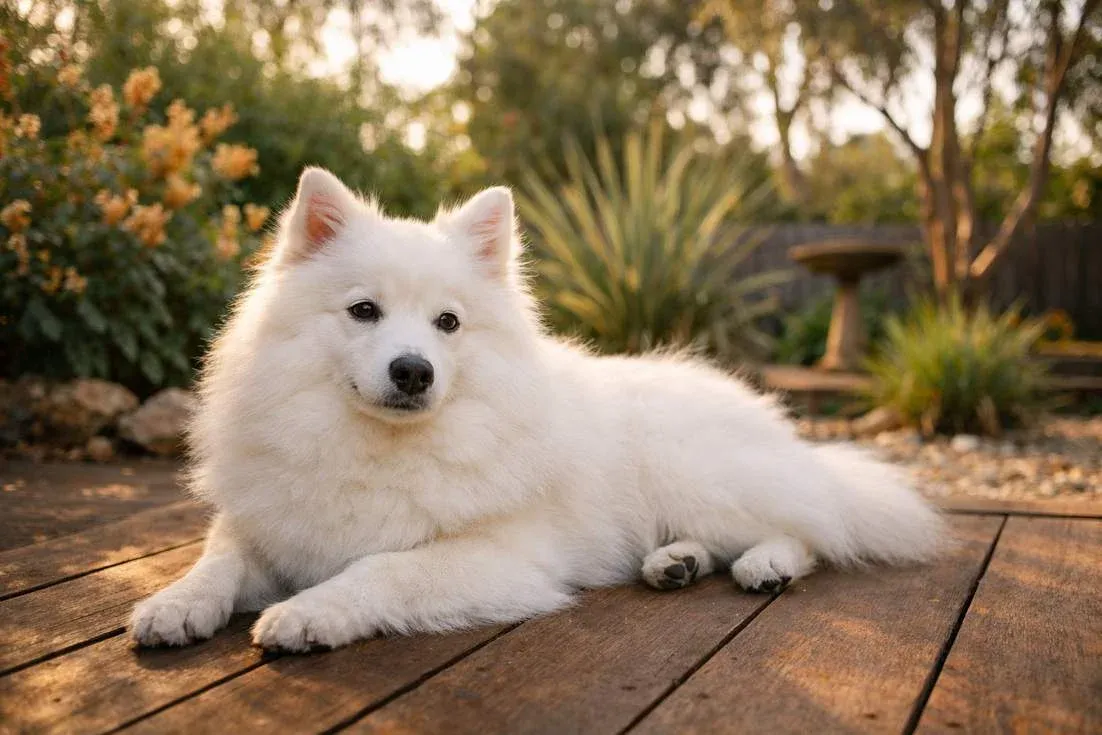
The Japanese Spitz enjoys an impressive lifespan of 12-14 years, with many living even longer when properly cared for. A 2024 UK study found the breed has a life expectancy of approximately 13 years — slightly above average for purebred dogs.⁵
Veterinarians recommend the following for maximising your Japanese Spitz’s lifespan:⁶
- Annual vet check-ups (twice yearly for seniors)
- Maintaining a healthy weight
- Regular dental care
- Quality nutrition appropriate for life stage
- Keeping vaccinations and parasite prevention up to date

Japanese Spitz Grooming Guide
Here’s a secret that surprises many first-time Japanese Spitz owners: despite that magnificent white coat, grooming is far easier than you’d expect. The breed has a unique “Teflon-like” coat texture — mud and dirt tend to dry and fall off naturally. They’re also fastidious self-groomers with cat-like habits.
Grooming Schedule
| Task | Frequency | Time | Tools/Products |
|---|---|---|---|
| Brushing | 2-3x weekly | 10-15 mins | Pin brush, slicker brush, comb |
| Bathing | Every 6-8 weeks | 30-45 mins | Dermcare or Fido’s Shampoo |
| Nail Trimming | Every 3-4 weeks | 10-15 mins | Clippers or grinder |
| Dental Care | Daily brushing ideal | 2-3 mins | PAW by Blackmores, Greenies |
| Pro Grooming | Optional / 3-4x yearly | 1-2 hours | $60-$100 per session |
Shedding Note: Japanese Spitz “blow” their coat once or twice yearly (typically spring and autumn), during which time you’ll want to increase brushing to daily. Outside these periods, shedding is surprisingly manageable for such a fluffy breed.
Important: Never shave a Japanese Spitz. Their double coat provides insulation against both heat and cold, and shaving can permanently damage the coat texture.
Japanese Spitz Exercise Needs
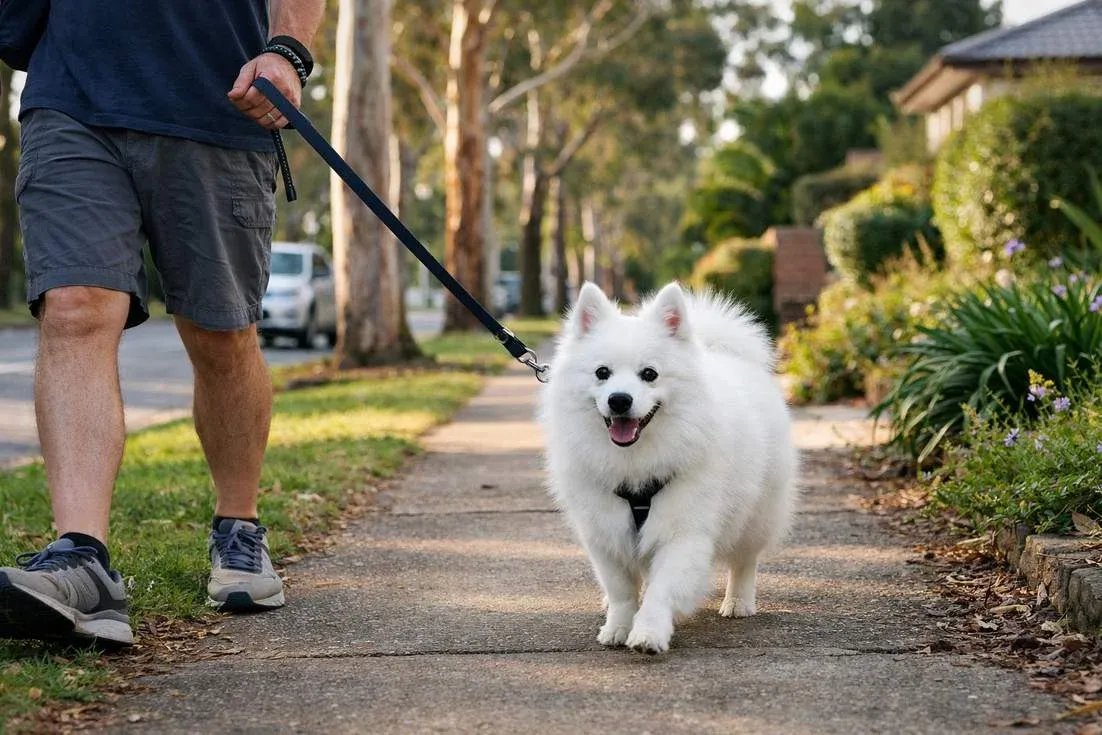
It recommends that active companion breeds like the Japanese Spitz receive at least 30-45 minutes of exercise daily.⁷ The good news? This doesn’t mean you need to become a marathon runner.
Many Japanese Spitz owners report that a combination of walks and playtime keeps their dogs perfectly content. A morning walk around the block plus some backyard play in the afternoon is usually sufficient. They’re remarkably adaptable — give them more exercise and they’ll happily take it, but they won’t bounce off the walls if you miss a day.
If you notice your Japanese Spitz becoming destructive, excessively vocal, or restless, it’s often a sign they need more mental and physical stimulation. Try adding puzzle feeders, hide-and-seek games, or short training sessions to their routine. These clever dogs need their brains exercised as much as their bodies.
Hot Weather Warning: Japanese Spitz can struggle in Australia’s hot summers. Experienced handlers often say that walks should be limited to early morning or evening during summer months, and fresh water should always be available. Watch for signs of overheating: excessive panting, drooling, or reluctance to walk.
Japanese Spitz Training Guide
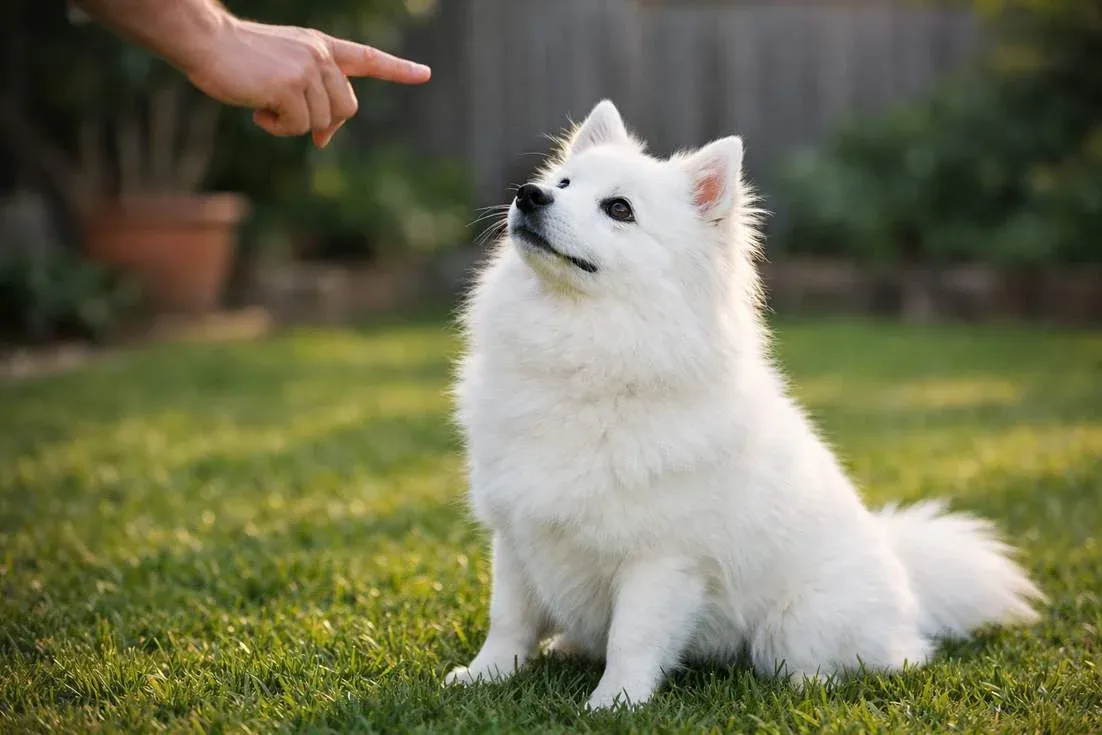
Don’t be discouraged if your Japanese Spitz puppy seems more interested in showing off than following commands — their intelligence sometimes manifests as an independent streak. With patience and positive reinforcement, most owners see excellent results.
Japanese Spitz are eager to please and respond exceptionally well to reward-based training. The American Kennel Club notes that their natural desire to perform makes them excellent candidates for obedience, rally, and even agility training.⁸
Socialisation & Training Timeline
| Age | Training Focus | Expected Outcomes |
|---|---|---|
| 8-12 weeks | Name recognition, toilet training, crate introduction | Basic recognition, fewer accidents |
| 3-4 months | Sit, stay, come, leash walking | Basic obedience foundations |
| 4-6 months | Advanced commands, socialisation | Reliable basics, confidence |
| 6-12 months | Impulse control, distraction proofing | Well-trained companion |
When your Japanese Spitz hits adolescence around 6-9 months, expect some testing of boundaries and selective hearing. The key is to stay consistent and patient — this phase passes, and you’ll emerge with a wonderfully well-mannered dog on the other side.
Japanese Spitz Price & Costs
Understanding the true cost of Japanese Spitz ownership helps you budget properly and avoid surprises. According to PetSure’s annual pet ownership data, companion breeds like the Japanese Spitz typically cost between $15,000-$25,000 over their lifetime.⁹
Initial Costs:
| Expense | Approx. Cost (AUD) |
|---|---|
| Puppy Price (Registered Breeder) | $1,500 – $3,000 |
| Adoption Fee (Rescue) | $300 – $600 |
| Initial Vet + Vaccinations | $200 – $400 |
| Desexing | $300 – $600 |
| Essential Supplies | $300 – $600 |
| TOTAL INITIAL COST | $2,600 – $5,200 |
Annual Ongoing Costs:
- Food (premium quality): $600 – $900
- Vet & Preventatives: $400 – $700
- Pet Insurance: $400 – $800
- Grooming: $0 – $400 (depending on DIY vs professional)
- TOTAL ANNUAL: $1,400 – $2,800
Lifetime Cost Estimate: $18,000 – $35,000 (based on 13-year average lifespan)
Finding Your Japanese Spitz: Find registered breeders through the Dogs Australia Breeder Directory. Always visit breeders in person, meet the parent dogs, and ask to see health testing certificates. Consider adoption through PetRescue or breed-specific rescue organisations.

Is a Japanese Spitz Right for You?
The Japanese Spitz suits individuals, couples, and families who can provide companionship, moderate exercise, and mental stimulation. They thrive with owners who appreciate an interactive, affectionate dog that wants to be involved in daily life.
- Home Size: Highly adaptable — suits apartments to large homes
- Yard: Beneficial but not essential with adequate walks
- Climate: Prefers temperate climates; needs shade and cooling in Australian summers
This can feel overwhelming, but being honest about challenges upfront saves heartbreak later.
- Those who work extremely long hours and can’t provide companionship — Japanese Spitz can develop separation anxiety
- Anyone seeking a completely silent dog — they will bark to alert you
- People unwilling to commit to regular brushing — while easier than many fluffy breeds, they still need maintenance
Perfect for: Families, couples, singles, and seniors seeking a devoted, intelligent companion that’s adaptable to various living situations and provides joy without overwhelming exercise demands.
Think twice if: You need a completely independent dog, work extremely long hours away from home, or require a completely silent pet.
First-time owner rating: Excellent choice. The Japanese Spitz’s forgiving nature, trainability, and moderate needs make them one of the best breeds for first-time dog owners who want a companion that’s loving, manageable, and endlessly charming.
Japanese Spitz FAQs
Are Japanese Spitz good for first-time owners?
Yes, they’re an excellent choice. Their intelligence, eagerness to please, and moderate exercise needs make them highly suitable for novice owners. They’re forgiving of training mistakes and adaptable to different lifestyles.
Do Japanese Spitz dogs bark a lot?
They can be vocal, particularly when alerting you to visitors or unusual sounds. This is part of their watchdog instinct. However, with proper training and socialisation, excessive barking can be managed effectively.¹⁰
How much exercise does a Japanese Spitz need?
Approximately 30-45 minutes daily, which can include walks, playtime, and mental stimulation. They’re adaptable and won’t suffer if you occasionally miss a day, but regular activity keeps them healthy and happy.
How long do Japanese Spitz dogs live?
The average lifespan is 12-14 years, with many living even longer when properly cared for. This is above average for purebred dogs of their size.
How much does a Japanese Spitz cost in Australia?
Expect to pay $1,500-$3,000 from a registered breeder. Prices vary based on breeder reputation, bloodlines, and whether the dog is pet or show quality. Adoption fees through rescue organisations typically range from $300-$600.
Are Japanese Spitz good with children?
Yes, they typically excel with children. Their gentle, playful nature makes them wonderful family companions. As with any breed, supervise interactions with young children and teach kids appropriate handling.
Do Japanese Spitz shed a lot?
They shed moderately year-round and have seasonal ‘blowouts’ once or twice yearly when they shed their undercoat heavily. Regular brushing (2-3 times weekly, daily during shedding season) manages this effectively.
Primary Sources:
- Dogs Australia (ANKC) — Official breed registration and standards — dogsaustralia.org.au
- American Kennel Club (AKC) — Breed history archives — akc.org
Veterinary & Health Sources:
- VCA Hospitals — Patellar luxation in small breeds — vcahospitals.com
- Orthopedic Foundation for Animals (OFA) — PRA-rcd4 testing data — ofa.org
- 2024 UK Canine Lifespan Study — Breed life expectancy data
- Australian Veterinary Association — Preventative care guidelines — ava.com.au
Australian-Specific Sources:
- RSPCA Australia — Exercise requirements for companion breeds — rspca.org.au
- AKC Training Resources — Positive reinforcement methods — akc.org
- PetSure (Bow Wow Meow) — Australian pet ownership cost data
- Wisdom Panel — Japanese Spitz breed characteristics