
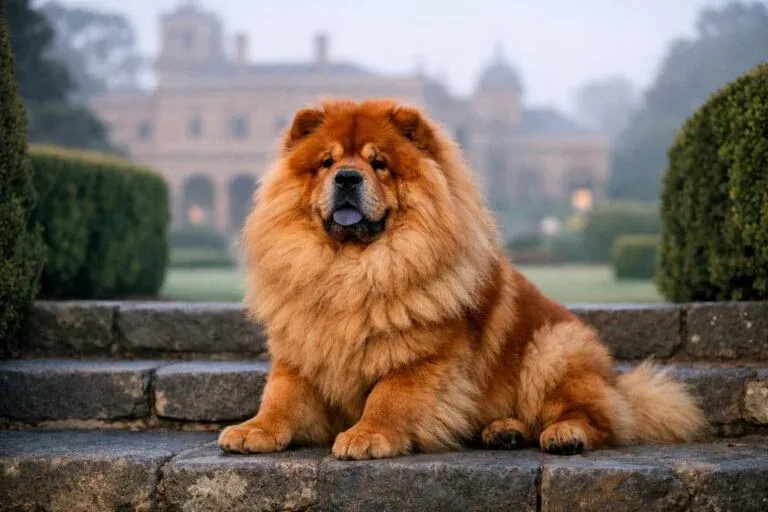
Despite their teddy bear appearance, Chow Chow dogs are one of only two breeds in the world with a distinctive blue-black tongue — a trait so unique that ancient Chinese legend claimed Chows got their tongues by licking up drops of blue sky that fell to earth when the stars were being set in place. The scientific explanation is less poetic (pigmentation), but there’s no denying this ancient breed carries an almost mythical presence wherever they go.
But here’s what that striking appearance doesn’t tell you: the Chow Chow is often compared to a cat trapped in a dog’s body. They’re independent, dignified, and selective about their affections. While many dogs live to please their owners, a Chow lives to please themselves — and might occasionally allow you to share in their approval. This is not a breed for everyone, and understanding their unique temperament is essential before bringing one home.
If you’re considering adding this magnificent lion-like dog to your Australian household, you’re in the right place. This guide covers everything from the realities of Chow Chow breed shedding (considerable) to whether this ancient Chinese breed can handle our climate (with care, yes).
What You’ll Learn
- Breed traits & temperament
- Health concerns to know
- True cost in Australia
- Training & exercise needs
- Is this breed right for you?
Chow Chow Quick Facts Table
| Attribute | Details |
|---|---|
| Breed Group | Non-Sporting/Utility Group |
| Origin | China (over 2,000 years ago) |
| Size Category | Medium to Large |
| Height (Adult) | Male: 48-56 cm | Female: 46-51 cm |
| Weight (Adult) | Male: 25-32 kg | Female: 20-27 kg |
| Lifespan | 9-15 years |
| Coat Type | Double coat — dense, abundant (rough or smooth variety) |
| Exercise Needs | 45-60 minutes/day |
| Trainability | 2/5 |
| Good with Children | Older children only (with supervision) |
| First-Time Owner Suitable | 2/5 |
| Average Puppy Price (AUD) | $3,000 – $5,500 |
History of the Chow Chow
The Chow Chow dog breed is genuinely ancient — DNA analysis confirms they’re one of the oldest recognisable breeds, with origins in northern China dating back at least 2,000 years, and possibly much longer. Known as “Songshi Quan” (puffy lion dog) in China, they served multiple roles: guarding temples and palaces, pulling sleds, herding livestock, and yes — historically — as a food source, which is how they likely got their Western name from pidgin English trade terms.
According to the American Kennel Club’s breed history archives, Chow Chows arrived in England in the late 1700s when merchants brought them back from the Far East as exotic curiosities.² Queen Victoria received one as a gift, sparking aristocratic interest. The breed reached Australia in the early 20th century and has maintained a small but devoted following ever since.
What makes the Chow Chow remarkable is how little they’ve changed over millennia. Ancient Chinese pottery and sculptures depict dogs nearly identical to today’s Chows — the same lion-like mane, the same dignified stance, the same distinctive blue tongue. They’ve remained true to their ancient form while so many other breeds have been dramatically modified.
Chow Chow Dog Temperament
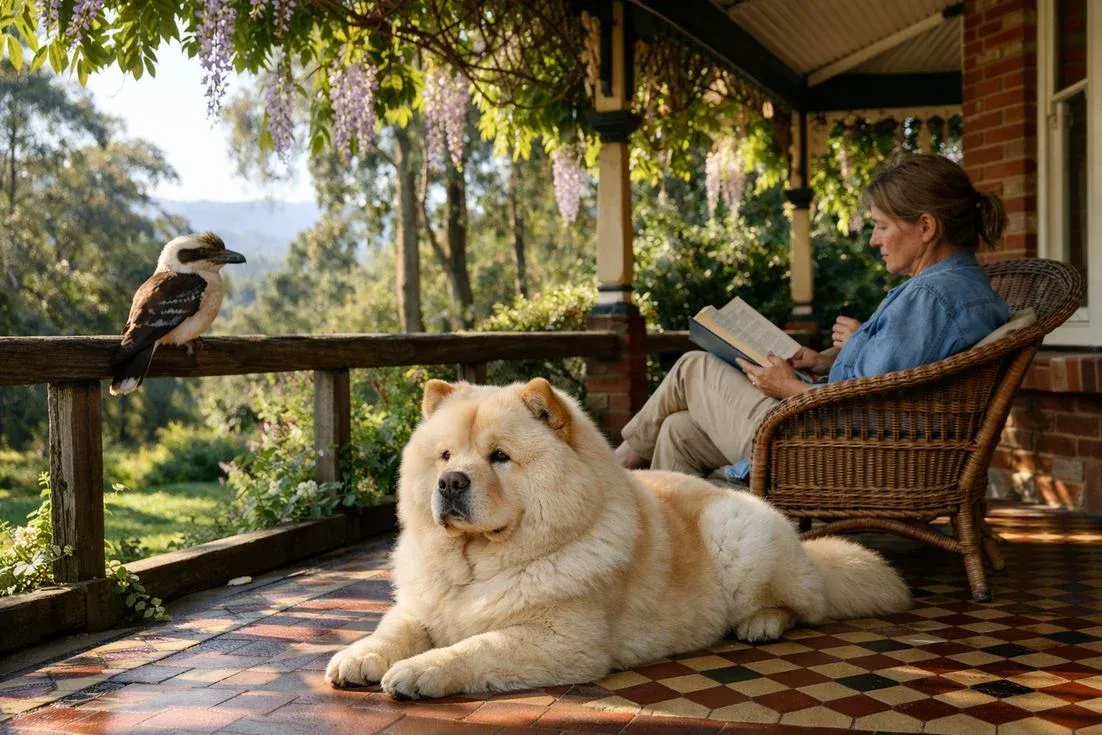
Independent: The Chow Chow dog temperament is often compared to a cat’s — they’re not needy, don’t constantly seek attention, and are perfectly content in their own company. Many Chow Chow owners report that their dogs will choose when to accept affection rather than demanding it constantly.
Dignified: Chows carry themselves with an almost regal bearing. They’re not clownish or silly — there’s a seriousness to them that commands respect. As one Melbourne breeder put it: “A Chow doesn’t fetch your slippers because they want your approval. They might bring you one slipper, when they feel like it, and expect you to be grateful.”
Loyal: While not overtly demonstrative, Chows form deep bonds with their primary person or family. This varies significantly between individual dogs — some Chows are one-person dogs while others bond with the whole family, but all tend to be reserved with strangers.
Protective: Chows are natural guardians with strong territorial instincts. They don’t need training to protect their home and family — it’s instinctive. This makes them excellent watchdogs but requires careful management and socialisation.
Reserved: Don’t expect a Chow to greet strangers with enthusiasm. They’re naturally aloof with people they don’t know, which some interpret as unfriendliness. It’s not — it’s simply their nature to observe and assess before accepting.
This can feel overwhelming, but honesty is important: Chow Chows are generally not recommended for families with young children. Their low tolerance for being poked, prodded, or surprised — combined with their protective instincts — creates risk when mixed with unpredictable toddler behaviour.
First-time Chow Chow owners are often surprised by how intolerant these dogs can be of typical child antics. With older children (typically 10+) who understand dog body language and respect boundaries, Chows can become devoted guardians. But this breed requires children who can give space when needed.
Chows can be challenging with other animals. They often display same-sex aggression, particularly males, and their strong prey drive can make them unsafe around cats and small animals unless raised together from puppyhood.
With dogs they know, Chows can be tolerant but rarely playful. They’re not typically “dog park dogs” who enjoy rough-and-tumble play with strangers. Many Chow owners find their dogs prefer human company to canine friendship.
If your Chow Chow becomes stiff and still when a stranger approaches — don’t panic, but do take it seriously. This isn’t friendliness; it’s a warning that they’re uncomfortable. The solution is to always advocate for your dog by asking strangers not to approach, and never forcing interactions they don’t want.
Experienced Chow handlers often say that Chow Chow aggression is almost always a management failure rather than a breed flaw. These dogs need extensive socialisation from puppyhood, clear boundaries, and owners who understand their body language. When owners in Australian Chow Chow communities discuss behaviour problems, lack of early socialisation is consistently the root cause.
Chow Chow Dog Health Issues
If you’re worried about Chow Chow dog health problems, understanding the breed’s predispositions helps you make informed decisions about breeders, insurance, and preventive care. The good news is that well-bred Chows from health-tested parents can be remarkably healthy dogs.
According to Petmd, medium-to-large breeds with dense coats face specific health challenges that owners should monitor.
Prevalence: Affects approximately 20% of the breed — higher than average
Symptoms: Difficulty rising, reluctance to climb stairs, bunny-hopping gait, decreased activity
Treatment Cost (AUD): $1,500-$6,000 for surgery; $500-$1,500 for ongoing management
Prevention: Only purchase from breeders who hip-score both parents; maintain healthy weight
Prevalence: Common in Chows due to their facial structure — eyelids roll inward
Symptoms: Excessive tearing, squinting, eye rubbing, corneal damage
Treatment Cost (AUD): $1,000-$2,500 for surgical correction
Prevention: Purchase from breeders who screen for eye conditions; early veterinary assessment
Prevalence: Common in middle-aged Chows
Symptoms: Weight gain, lethargy, coat changes, skin problems, cold intolerance
Treatment Cost (AUD): $300-$600 annually for lifelong medication
Prevention: Regular thyroid screening from age five; early detection improves management
Prevalence: Deep-chested breeds like Chows face elevated risk
Symptoms: Distended abdomen, unproductive retching, restlessness, rapid breathing — EMERGENCY
Treatment Cost (AUD): $3,000-$10,000 for emergency surgery
Prevention: Feed 2-3 smaller meals daily, avoid exercise after eating, consider prophylactic gastropexy
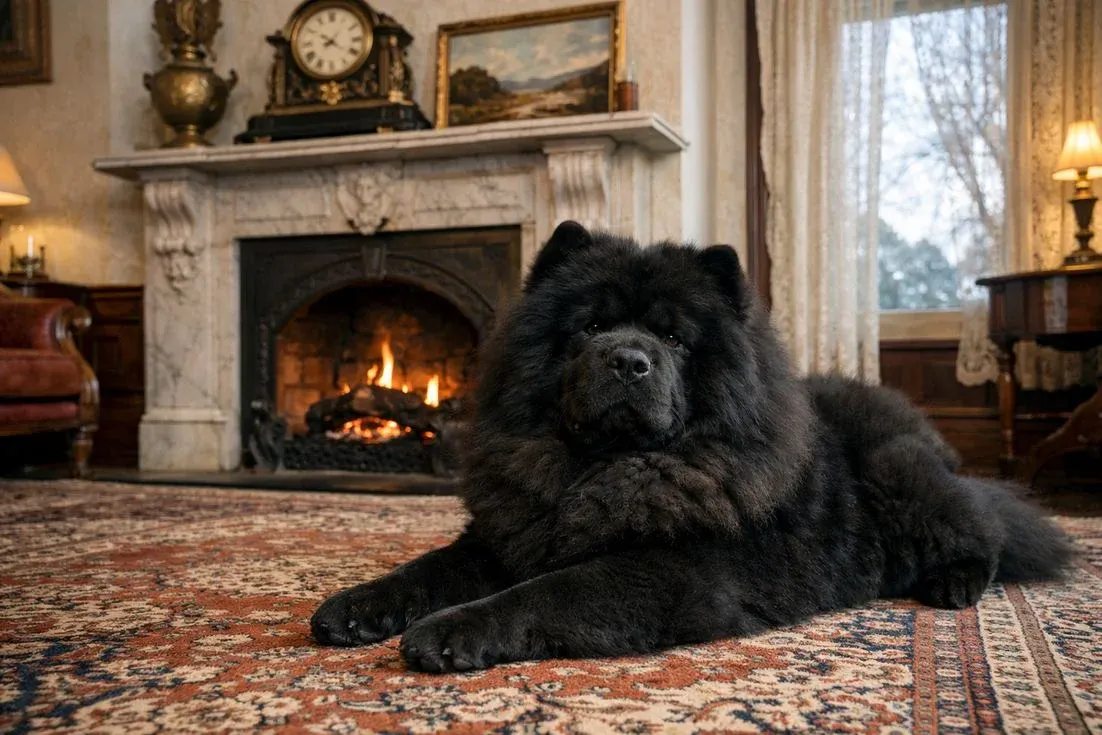
Chow Chow Lifespan & Longevity Tips
The Chow Chow dog lifespan ranges from 9-15 years, with well-bred dogs from health-tested lines often reaching the upper end. This is reasonable for a medium-to-large breed.⁴ Veterinarians at the Australian Veterinary Association recommend these strategies to maximise your Chow’s years:⁵
- Maintain lean body weight — obesity worsens joint problems significantly
- Regular dental care — small mouths can crowd teeth, causing issues
- Temperature management — protect from heat stress
- Annual health screenings — early detection of breed-specific conditions
- Quality diet — supports coat health and overall wellbeing
Many Chow Chow owners report that their dogs remain dignified and healthy well into double digits, with some achieving 14-15 years. The key is choosing well-bred puppies and maintaining consistent preventive care.
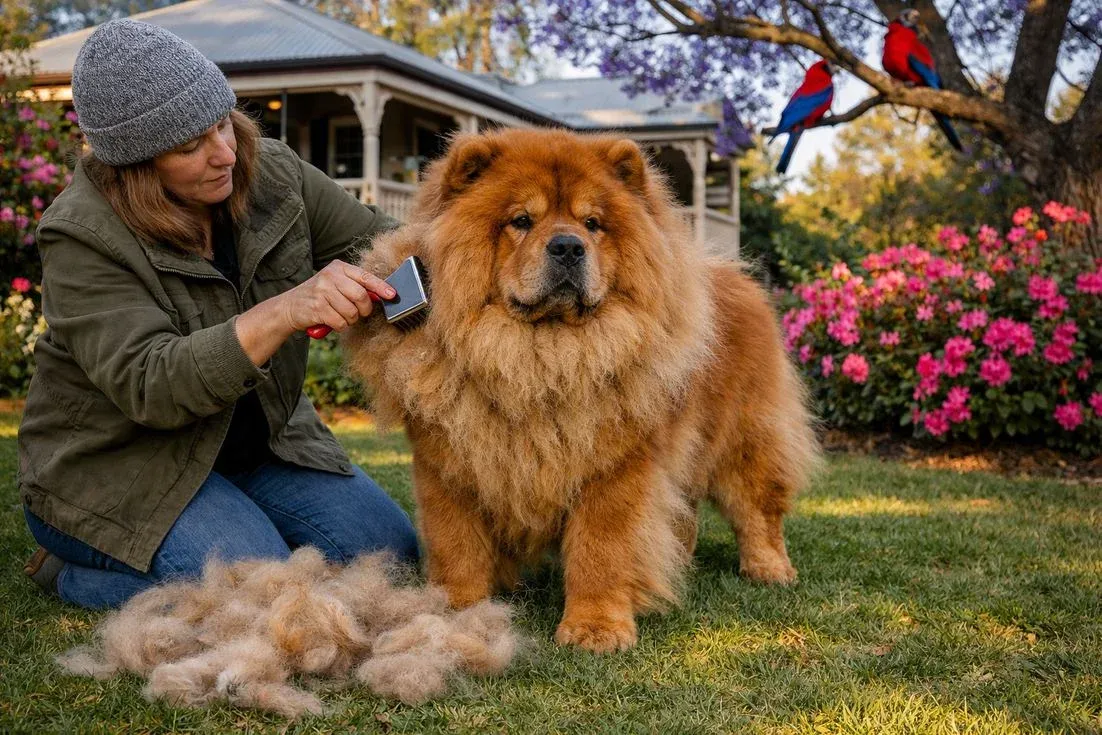
Chow Chow Dog Grooming
Let’s be direct: Do Chow Chow dogs shed? Yes — substantially. That magnificent lion-like mane comes with a price: heavy shedding year-round, with dramatic “coat blows” twice yearly when you’ll wonder if your dog is literally deflating. Chow Chow dog shedding is a serious commitment that deters many potential owners.
The breed comes in two coat varieties: rough (the classic lion-mane look) and smooth (shorter, denser). Both shed heavily, though the rough coat requires more grooming to prevent matting.
Grooming Schedule Table
| Task | Frequency | Time | Tools/Products |
|---|---|---|---|
| Brushing | 3-4x weekly (daily during coat blow) | 30-45 mins | Slicker brush, undercoat rake |
| Bathing | Every 4-6 weeks | 60-90 mins | Dermcare or PAW Shampoo |
| Nail Trimming | Every 2-3 weeks | 10-15 mins | Heavy-duty clippers |
| Professional Grooming | 4-6 times yearly | 2-3 hours | $100-$180 |
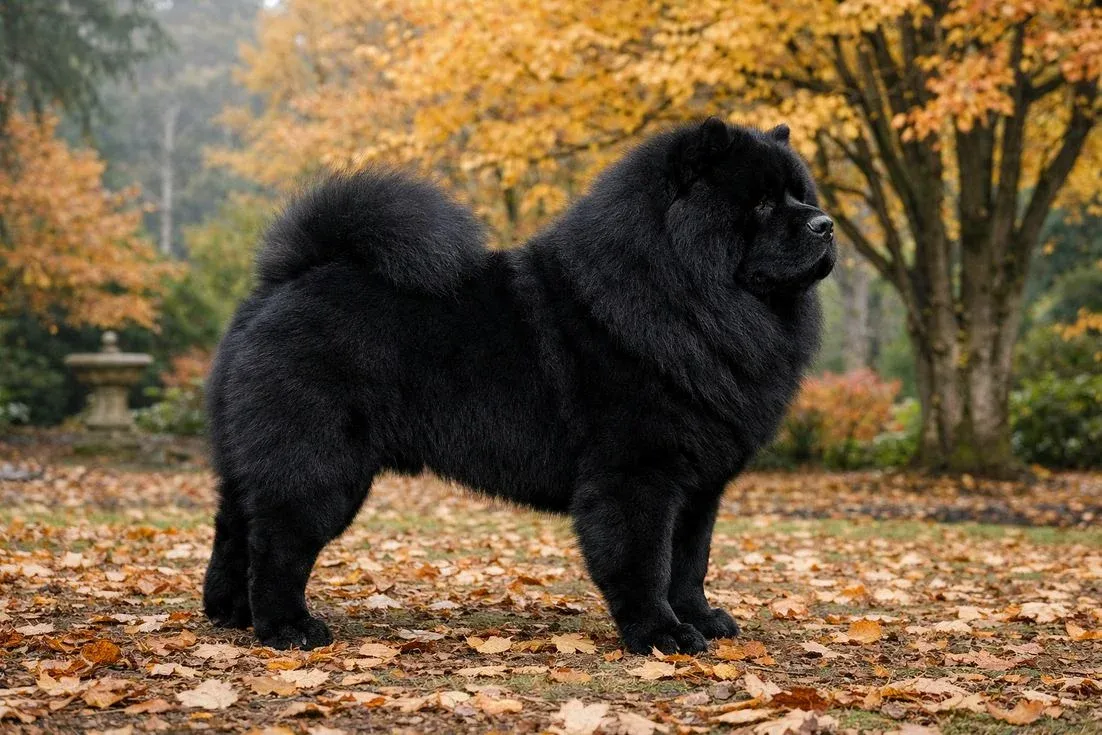
Coat Colours and Care: Chow Chow dog colours include red (most common), black, blue, cinnamon, and cream. Some owners are attracted to “panda Chows” — dogs with unusual markings — but reputable breeders typically avoid breeding for unusual patterns that may indicate genetic issues.
Never shave a Chow’s coat! Their double coat provides insulation from both heat AND cold. Shaving destroys this protection and can cause permanent coat damage. Keep them cool through other methods: air conditioning, early morning walks, and cool water access.
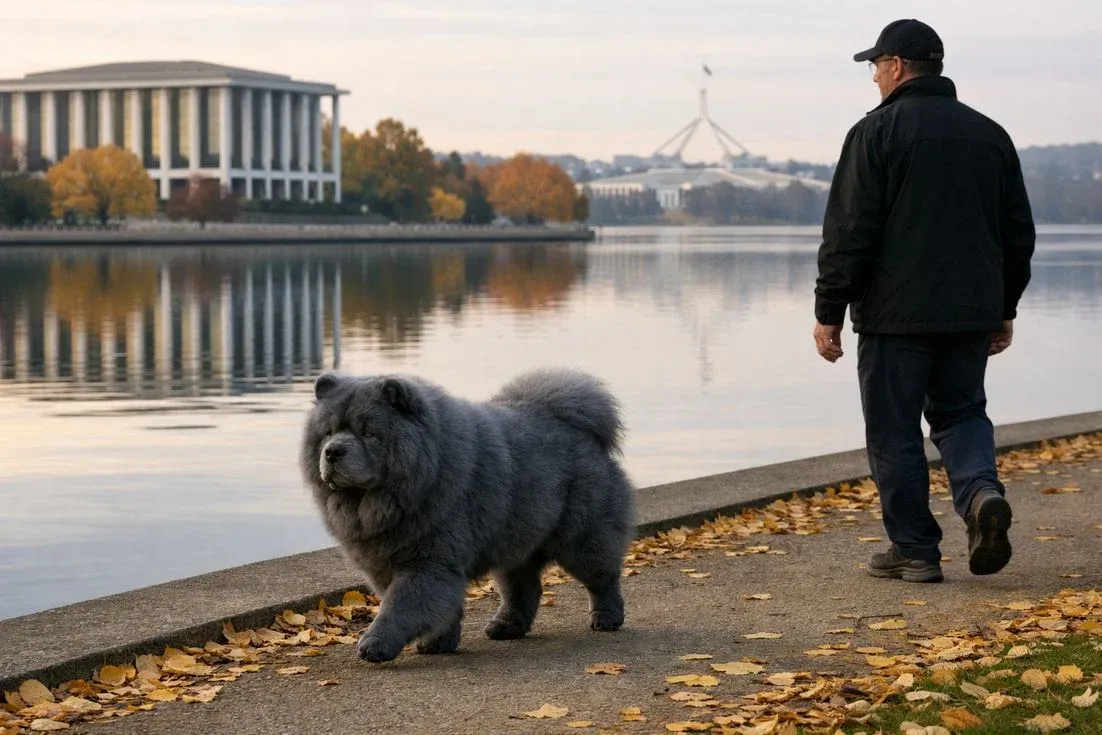
Chow Chow Exercise Needs
All dogs need daily exercise for physical and mental health.⁶ Chows have moderate exercise requirements — they’re not high-energy dogs, but they’re not couch potatoes either.
Daily Requirement: 45-60 minutes of moderate exercise, ideally split into two sessions
Ideal Activities:
- Moderate-paced walks (they overheat easily — no jogging)
- Secure backyard patrol (they take guarding seriously)
- Mental stimulation through training sessions
- Gentle interactive play
When your Chow Chow hits adolescence around 8-14 months, don’t expect the boundless energy of other breeds. They mature into their dignified personalities relatively early. If your Chow becomes destructive or restless, this often indicates insufficient mental stimulation rather than lack of physical exercise — puzzle feeders and training sessions can help.
Many Chow Chow owners report that their dogs are happy with consistent moderate exercise rather than marathon sessions. They’re not dogs who demand constant activity — they appreciate routine walks followed by comfortable naps.
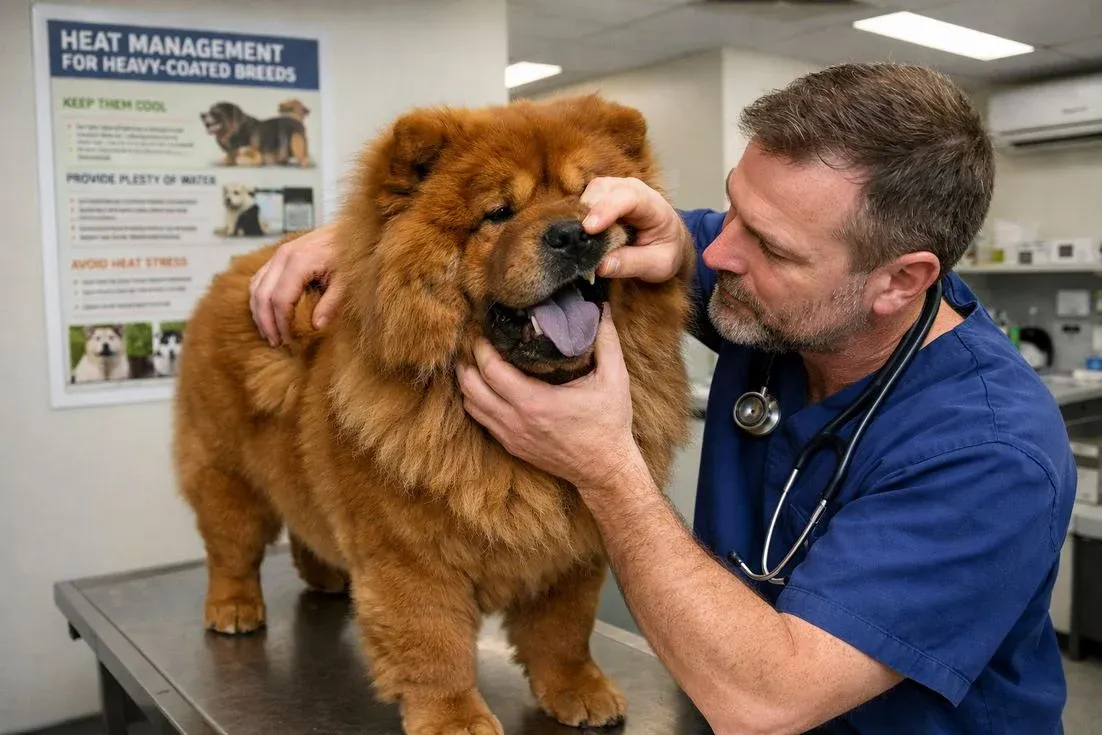
CRITICAL Heat Warning for Australia: Chows are extremely heat-sensitive due to their thick coats and brachycephalic tendencies (shortened muzzle). NEVER exercise in temperatures above 22-24°C. Walk only in early morning or evening. Provide air conditioning in summer — this is not optional. Signs of heat stress include excessive panting, drooling, disorientation, and collapse.
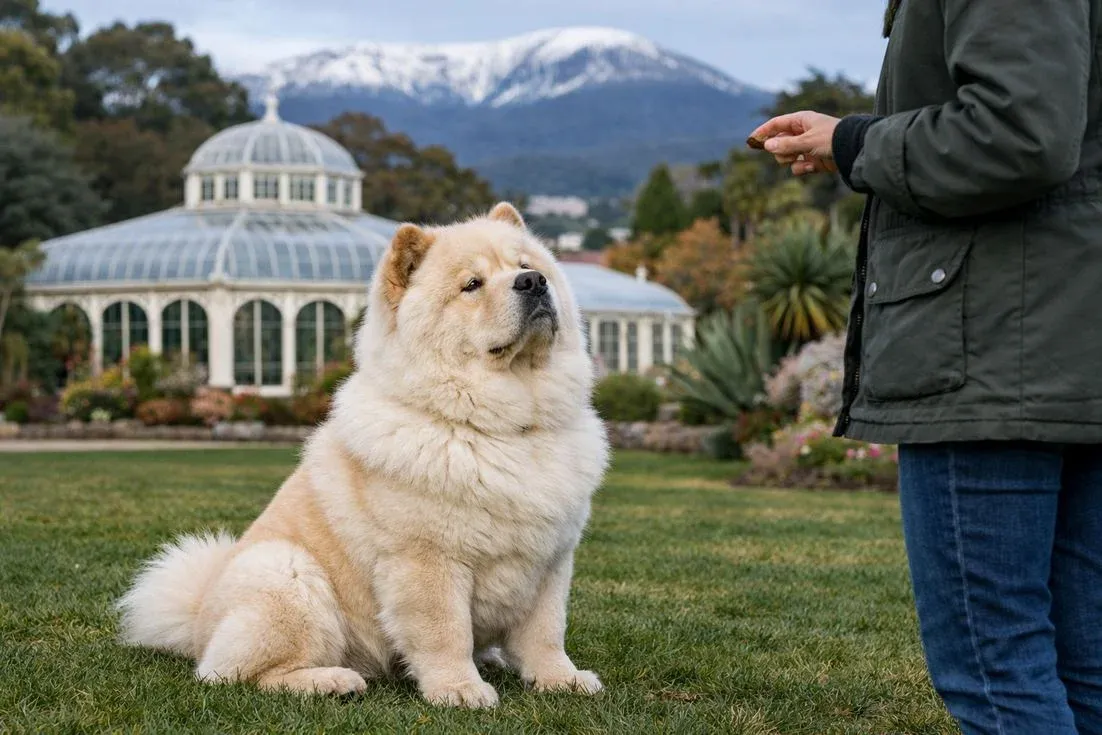
Chow Chow Dog Training
Don’t be discouraged — but do be realistic: Chow Chow dog training is notoriously challenging. This isn’t because they’re unintelligent (they’re quite clever), but because they simply don’t see the point in blind obedience. They’ll learn commands; they’ll just decide whether to comply based on their own assessment.
Chow Chows require patient, consistent training from an experienced handler who respects their independence.⁷
Socialisation & Training Timeline
| Age | Training Focus | Expected Outcomes |
|---|---|---|
| 8-12 weeks | Extensive socialisation, handling | Accept touch, tolerate strangers |
| 3-4 months | Basic commands, leash walking | Foundation obedience |
| 4-6 months | Continued socialisation, boundaries | Accept grooming, vet handling |
| 6-12 months | Consistency, public behaviour | Reliable basics (with Chow caveats) |
If your Chow Chow simply stares at you when you give a command — this is entirely normal and not defiance requiring correction. They’re processing whether this benefits them. Keep sessions short, make compliance rewarding, and accept that you’re negotiating, not commanding.
- Keep sessions very short (5-10 minutes maximum)
- Use high-value rewards — Chows are selectively food-motivated
- Never use force or harsh corrections — they’ll shut down or become defensive
- Prioritise socialisation over tricks — this is life-or-death important for Chows
- Accept imperfect recall — Chows should generally remain on leash
Experienced Chow handlers often say that success comes from respecting the breed’s nature rather than fighting it. You can have a well-mannered, reliable Chow — but you’ll never have a dog who performs tricks on command with eager enthusiasm. That’s simply not who they are.
Chow Chow Dog Price & Costs
Understanding the true Chow Chow dog price and Chow Chow dog cost of ownership helps you prepare financially. As a relatively uncommon breed with significant grooming and potential health needs, Chows are expensive to own properly.
Where to Find Chow Chows: Find registered Chow Chow breeders through the Dogs Australia Breeder Directory or contact your state Chow Chow club. Expect waitlists of 6-18 months for puppies from reputable breeders who health-test extensively. Be extremely cautious of cheap puppies — poorly bred Chows can have severe temperament and health problems.
Consider adoption through PetRescue or Chow Chow rescue organisations. Adult Chows sometimes need rehoming, though their temperament means they often require experienced owners.
Initial Costs:
| Expense | Approx. Cost (AUD) |
|---|---|
| Puppy Price (Registered Breeder) | $3,000 – $5,500 |
| Adoption Fee (Rescue) | $400 – $800 |
| Initial Vet + Vaccinations | $250 – $400 |
| Desexing | $400 – $600 |
| Essential Supplies (large crate, bed, grooming) | $400 – $700 |
| TOTAL INITIAL COST (Puppy) | $4,050 – $7,200 |
| TOTAL INITIAL COST (Rescue) | $1,450 – $2,500 |
Annual Ongoing Costs:
- Food: $1,000 – $1,600 (premium brands like Advance, Black Hawk, Ivory Coat)
- Vet & Preventatives: $600 – $1,200 (check-ups, heartworm, flea/tick)
- Pet Insurance: $800 – $1,500 (recommended due to breed health predispositions)
- Grooming: $600 – $1,100 (professional grooming 4-6 times yearly)
- Miscellaneous: $300 – $500 (toys, treats, replacements)
TOTAL ANNUAL: $3,300 – $5,900
Lifetime Cost Estimate: $45,000 – $75,000 (based on 12-year lifespan, including initial costs and health emergencies)
Is a Chow Chow Right for You?
The perfect Chow Chow owner is experienced with dogs, appreciates independence rather than neediness, and wants a dignified companion rather than an eager-to-please performer. You have time for extensive grooming, can provide a cool environment in summer, and understand that socialisation is critical. You’re not bothered by a dog who sometimes ignores you — in fact, you might find it refreshing.
Home Size: House with secure yard preferred; apartment possible with dedicated exercise routine
Yard: Securely fenced — their guarding instincts can cause problems with passers-by
Climate: Air conditioning is ESSENTIAL in Australian summers. Cooler regions (Tasmania, Victoria highlands) are significantly easier
This can feel overwhelming, but being honest about challenges upfront saves heartbreak — and potential safety issues — later.
- First-time dog owners without mentor support from experienced Chow people
- Families with young children
- Anyone wanting an affectionate, eager-to-please dog
- Those unwilling to commit to extensive socialisation
- People without air conditioning in warm climates
- Those bothered by heavy shedding
- Anyone wanting a dog park dog or playmate for other pets
Perfect for: Experienced owners who appreciate a dignified, independent companion with ancient heritage. If you want a loyal guardian who respects you without fawning, have time for grooming, can provide a cool environment, and are prepared for the training challenges — the Chow Chow’s quiet devotion is unlike anything else.
Think twice if: You want an easy-going family dog, have young children, need an eager-to-please pet, live in a hot climate without air conditioning, or are not prepared to invest heavily in early socialisation.
First-time owner rating: Not recommended without experienced mentor support. The Chow Chow’s temperament and training challenges make them a difficult first breed. If you’re determined, connect with your local Chow Chow club for guidance before purchasing.
Chow Chow Dog FAQs
Are Chow Chow dogs aggressive?
Chow Chows are naturally protective and reserved with strangers, which can appear aggressive. With proper socialisation, they’re calm and dignified. However, poorly socialised Chows can become problematic. The breed requires experienced handling and extensive early socialisation.³
Are Chow Chows dangerous?
Any powerful dog can be dangerous without proper training and socialisation. Chows require more careful management than many breeds due to their protective instincts. With responsible ownership, they’re loyal, dignified companions — not dangerous.
Do Chow Chow dogs shed?
Yes — heavily. Chow Chows shed year-round and have dramatic seasonal coat blows twice yearly. Regular brushing (3-4 times weekly) is essential, and you’ll need to accept fur on furniture, clothing, and floors.
How long do Chow Chow dogs live?
The Chow Chow dog lifespan is typically 9-15 years. Well-bred dogs from health-tested parents often reach the upper end with good care.⁴
How much does a Chow Chow dog cost in Australia?
Expect $3,000-$5,500 for a registered puppy from a reputable breeder. Annual costs average $3,300-$5,900 due to grooming and potential health needs.
Why do Chow Chows have blue tongues?
The blue-black tongue is caused by pigmented cells, similar to birthmarks. It’s a distinctive breed trait shared only with the Chinese Shar-Pei. Puppies are born with pink tongues that darken as they mature.
Are Chow Chows good family dogs?
They can be devoted family guardians but are not recommended for families with young children. They do best with older children (10+) who respect dog boundaries.
Are Chow Chows hypoallergenic?
No — quite the opposite. Chow Chows are heavy shedders and not suitable for allergy sufferers.
Primary Sources:
- Dogs Australia (ANKC) — dogsaustralia.org.au
- American Kennel Club — akc.org/dog-breeds/chow-chow/
Veterinary & Health Sources:
- VCA Hospitals — vcahospitals.com
- University of Sydney Veterinary School — sydney.edu.au/vetscience
- Australian Veterinary Association — ava.com.au
- RSPCA Australia — rspca.org.au
- American Kennel Club Training Resources — akc.org
Australian-Specific Sources:
- PetSure (Bow Wow Meow) — Pet ownership cost data
- PetRescue — petrescue.com.au