

The Maltese traces its lineage to ancient Greek aristocracy. The Shih Tzu once lived in Chinese imperial palaces, forbidden to commoners. Combine these two royal bloodlines and you get the Maltese Shih Tzu — a little dog that still acts like it deserves a throne (preferably your lap).¹
First developed in Australia during the 1990s, the Maltese Shih Tzu (also called Malshi or Mal-Shi) was bred with a specific goal: create a low-shedding, affectionate companion without the health issues that sometimes affect purebreds. The result is one of Australia’s most beloved designer dogs — a fluffy, friendly little companion that’s taken our hearts by storm.
But behind those adorable button eyes lies a dog that needs more than just cuddles. Before you fall for that irresistible fluffball face, let’s explore what Maltese Shih Tzu ownership really involves — from grooming demands to the stubborn streak hiding beneath that sweet exterior.
What You’ll Learn
- What is a Maltese Shih Tzu?
- Maltese Shih Tzu lifespan explained
- Do they really shed less?
- True costs in Australia
- Is a Malshi right for your family?
Maltese Shih Tzu Quick Facts
| Attribute | Details |
|---|---|
| Breed Type | Designer/Hybrid (Maltese x Shih Tzu) |
| Other Names | Malshi, Mal-Shi, Malt-Tzu, Shih-tese |
| Origin | Australia (1990s) |
| Size Category | Toy |
| Height (Adult) | 20-30 cm (8-12 inches) |
| Weight (Adult) | 3-6 kg (6-12 lbs) |
| Lifespan | 12-14 years |
| Coat Type | Long, silky (straight or wavy) |
| Shedding | Low (often hypoallergenic) |
| Exercise Needs | 15-30 minutes/day |
| Trainability | 4/5 (Good, but can be stubborn) |
| Good with Children | Good (better with older children) |
| First-Time Owner Suitable | 5/5 (Excellent) |
| Average Puppy Price (AUD) | $1,500 – $4,500 |
Note: As a designer breed, the Maltese Shih Tzu is not recognised by kennel clubs. Appearance and temperament can vary between individuals.¹
What is a Maltese Shih Tzu?
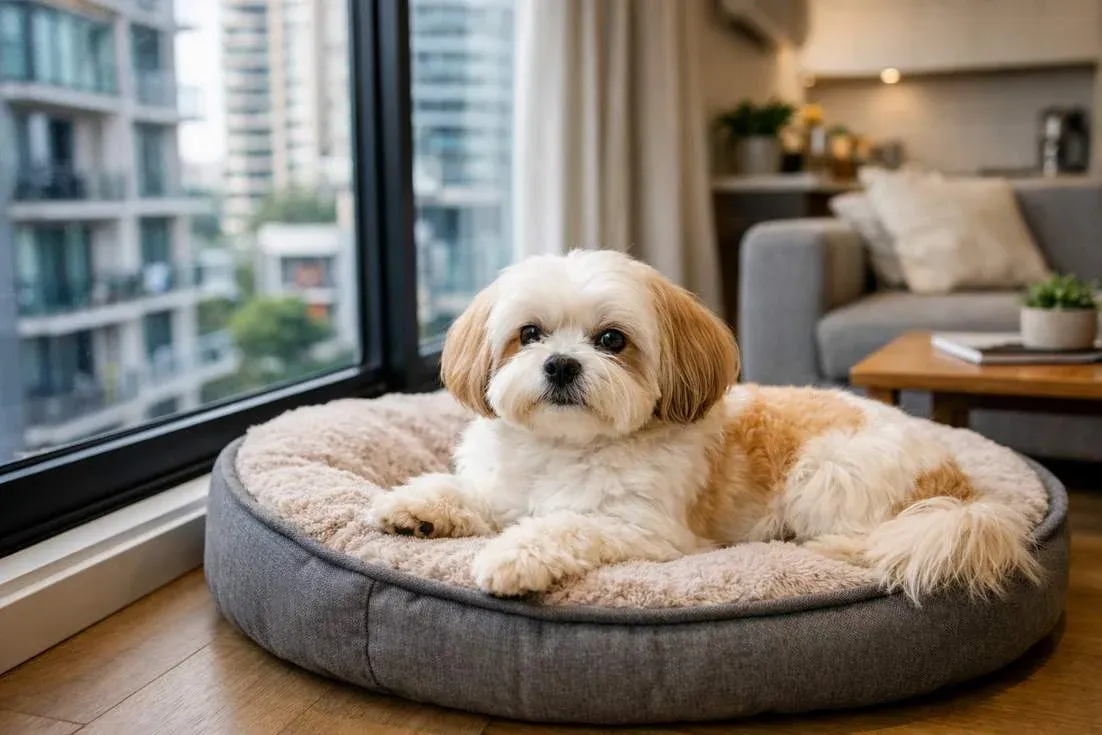
So what exactly is a Maltese Shih Tzu? Also known as a Malshi, this designer dog is a cross between the Maltese and the Shih Tzu — two ancient breeds with impressive royal pedigrees. The Maltese Shih Tzu dog combines the best traits of both parent breeds into one small, affectionate package.²
Unlike many designer breeds that started in America, the Maltese Shih Tzu was first developed in Australia during the 1990s. Breeders wanted to create a companion dog that shed less than purebreds while maintaining the loving temperament both parent breeds are famous for. The Maltese cross Shih Tzu quickly became one of Australia’s favourite designer dogs.
The Maltese brings a 2,000-year history as a companion to Greek and Roman nobility, while the Shih Tzu carries over 1,000 years of Chinese imperial heritage. When you adopt a Maltese Shih Tzu, you’re getting a dog whose ancestors were literally bred for royalty — which might explain why they expect to be treated like kings and queens.
Understanding the Parent Breeds
The Maltese: An ancient toy breed known for its pure white, silky coat. Maltese are gentle, playful, and deeply attached to their owners. They’re also one of the longest-living dog breeds, with some reaching 15-20 years.³
The Shih Tzu: The “lion dog” of Chinese emperors, Shih Tzus are affectionate, outgoing, and remarkably sturdy for their size. They’re known for their friendly disposition and beautiful flowing coat.³
Maltese Shih Tzu Temperament
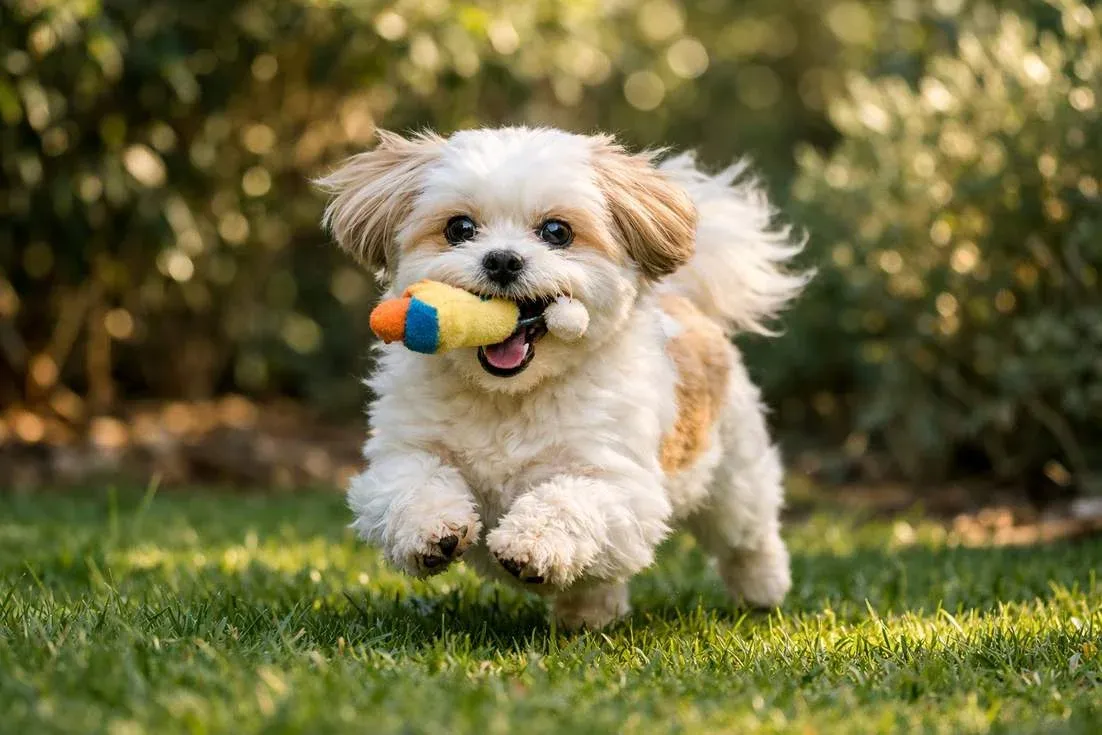
The Maltese Shih Tzu temperament is what makes this crossbreed so beloved. These dogs inherit the Maltese’s gentle devotion and the Shih Tzu’s friendly confidence, creating a companion that’s both affectionate and surprisingly adaptable.
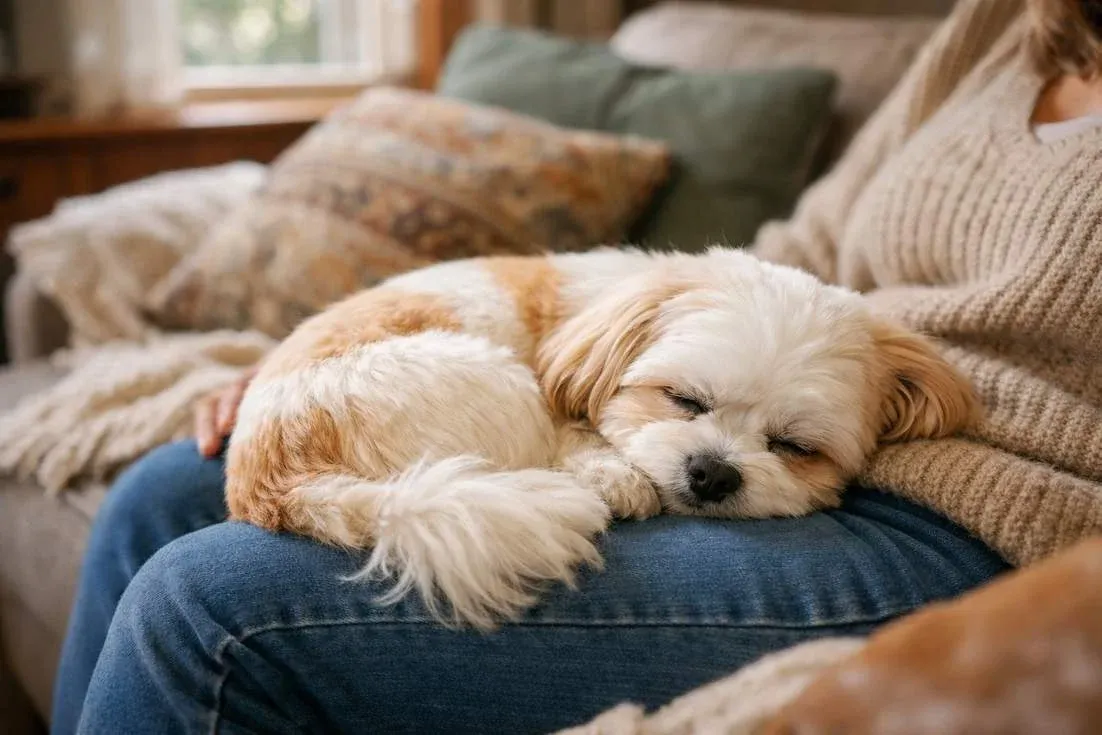
Affectionate and Loyal: Maltese Shih Tzus form incredibly strong bonds with their families. They’re classic lap dogs who want nothing more than to be near you — whether you’re working, watching TV, or sleeping.
Friendly and Social: Unlike some toy breeds that can be suspicious of strangers, most Maltese Shih Tzus are naturally sociable. They typically greet visitors with enthusiasm rather than alarm (though they will bark to announce arrivals).
Playful but Adaptable: These dogs have enough energy for playtime but are equally happy curling up for a quiet afternoon. They adapt remarkably well to different lifestyles, from active families to retirees.
Confident (Sometimes Stubborn): That royal heritage shows in their confident demeanour. As one Melbourne breeder puts it: “Maltese Shih Tzus don’t realise they’re small — they have the self-assurance of a Great Dane in a 5kg body.”
Individual Maltese Shih Tzus can vary significantly — some lean more towards the calm Maltese side, while others inherit the Shih Tzu’s livelier personality. Meeting both parents (if possible) gives you the best indication of what to expect.
Maltese Shih Tzus generally do well with children, particularly those who understand how to handle small dogs gently. Their patient nature makes them tolerant of the attention children offer, and they often become devoted playmates.
However, their small size means caution is essential with toddlers and very young children. At just 3-6 kg, these dogs can be injured by rough handling, accidental drops, or being stepped on. Supervision is crucial, and teaching children proper “pet-iquette” is non-negotiable.
Maltese Shih Tzus typically get along well with other pets when properly socialised. They can coexist peacefully with cats and other dogs, though introductions should be gradual. Their non-aggressive nature makes them poor candidates for households with larger dogs that play rough.
Separation Anxiety: This is the most common issue. Maltese Shih Tzus crave human company and can become distressed when left alone, leading to barking, destructive behaviour, or toileting accidents.
Excessive Barking: They’re alert little watchdogs and will announce visitors, passing dogs, suspicious leaves… anything that catches their attention. Training and socialisation help manage this tendency.
Stubbornness in Training: That confident personality can translate to selective hearing during training. They’re intelligent dogs who sometimes prefer their own agenda.
Many Maltese Shih Tzu owners report that house training can take longer than expected. Their small bladders and stubborn streak combine to make this one of the trickier aspects of Malshi puppyhood. Patience and consistency are essential.
If your Maltese Shih Tzu barks excessively at visitors or noises, don’t punish them — this can increase anxiety. Instead, work on desensitisation: gradually expose them to triggers at low intensity while rewarding calm behaviour. Teaching a “quiet” command with positive reinforcement also helps.

Maltese Shih Tzu Health Issues
If you’re concerned about potential health problems, that’s completely understandable — it shows you’re thinking ahead. The good news is that Maltese Shih Tzus are generally healthy dogs, and crossbreeding can reduce some inherited conditions. However, they can still develop issues from either parent breed.⁴
This condition, where the kneecap slips out of place, is common in small breeds including both Maltese and Shih Tzus. According to PetMD, it ranges from mild (occasional skip in gait) to severe (requiring surgical correction).⁴
Symptoms: Occasional limping, reluctance to jump, bunny-hopping gait, sudden leg lifts
Treatment Cost (AUD): $1,500 – $4,000 for surgical correction if required
Prevention: Maintain healthy weight, avoid excessive jumping (especially as puppies), choose a breeder who screens for this condition
Small breeds are highly prone to periodontal disease. Their small mouths lead to overcrowded teeth, creating pockets where bacteria thrive. Without proper care, this can lead to tooth loss, infection, and even heart problems.⁴
Symptoms: Bad breath, red or bleeding gums, difficulty eating, loose teeth
Treatment Cost (AUD): $200 – $500 per professional dental cleaning; extractions $100-$300 per tooth
Prevention: Brush teeth 2-3 times weekly, use dental chews, schedule regular professional cleanings
Both parent breeds have prominent eyes that can be prone to issues. Maltese Shih Tzus may develop tear staining (a cosmetic issue), dry eye, or more serious conditions like progressive retinal atrophy. The Shih Tzu’s slightly protruding eyes can also lead to injury or ulceration.⁵
Liver Shunt (Portosystemic Shunt): A congenital condition more common in Maltese and Shih Tzus — blood bypasses the liver, preventing proper detoxification
Respiratory Issues: Shih Tzus are brachycephalic (flat-faced), and some Maltese Shih Tzus inherit this shortened snout, potentially causing breathing difficulties
Ear Infections: Their floppy, hair-covered ears trap moisture and debris, requiring regular cleaning
Maltese Shih Tzu Lifespan
How long do Maltese Shih Tzus live? The average Maltese Shih Tzu lifespan is 12-14 years, with many living longer when well cared for. This impressive Maltese Shih Tzu life expectancy comes from both parent breeds — Maltese can live up to 15+ years and Shih Tzus typically reach 10-18 years.⁶
Owners frequently report their Maltese Shih Tzus remaining active and playful well into their senior years. With good care, these dogs maintain their puppyish enthusiasm far longer than many breeds.
Longevity Tips:
- Maintain a healthy weight — obesity significantly shortens lifespan in small dogs
- Prioritise dental care — periodontal disease can affect overall health
- Feed a high-quality diet appropriate for toy breeds
- Keep up with regular vet check-ups
- Provide mental stimulation to keep their minds sharp
Maltese Shih Tzu Grooming Guide
Do Maltese Shih Tzu shed? This is one of the most common questions about the breed. The short answer: they shed very little. Both parent breeds have hair that grows continuously (like human hair) rather than fur that sheds seasonally. This makes the Maltese Shih Tzu a popular choice for allergy sufferers.
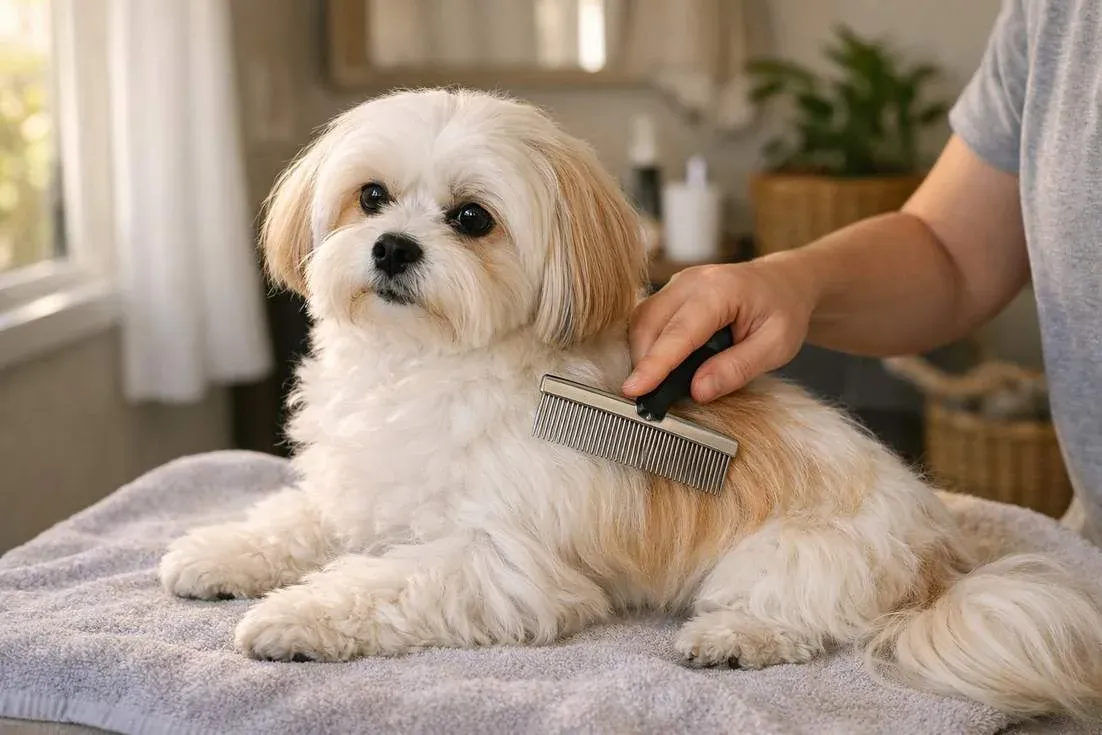
However, first-time owners are often surprised by the grooming commitment. That beautiful, low-shedding coat comes with a trade-off — without regular brushing, it mats quickly and painfully. Many owners opt for a shorter “puppy cut” to reduce daily maintenance.
Maltese Shih Tzu Colours: While Maltese are always white, Shih Tzus come in many colours — so Maltese Shih Tzu puppies can be white, black, brown, gold, tan, or any combination. Popular variations include white with tan markings, solid gold, and even the less common black Maltese Shih Tzu.⁷
Grooming Schedule
| Task | Frequency | Time | Tools/Products |
|---|---|---|---|
| Brushing | Daily (long coat) or 3x weekly (short cut) | 10-20 mins | Slicker brush, metal comb |
| Bathing | Every 2-4 weeks | 20-30 mins | Dermcare or PAW Shampoo |
| Eye Cleaning | Daily | 2-5 mins | Tear stain remover, soft cloth |
| Ear Cleaning | Weekly | 5-10 mins | Fido’s Ear Cleaner |
| Nail Trimming | Every 2-3 weeks | 10 mins | Small dog clippers or grinder |
| Teeth Brushing | 2-3x weekly (ideally daily) | 5 mins | Dog toothpaste, finger brush |
| Pro Grooming | Every 4-6 weeks | 1-2 hours | $50-$100 per session |
Tear Staining: Many Maltese Shih Tzus develop reddish-brown staining beneath their eyes (inherited from the Maltese). Daily cleaning helps, and commercial tear stain removers can reduce discolouration. Sometimes dietary changes or addressing underlying allergies can help.⁷
Maltese Shih Tzu Exercise Needs
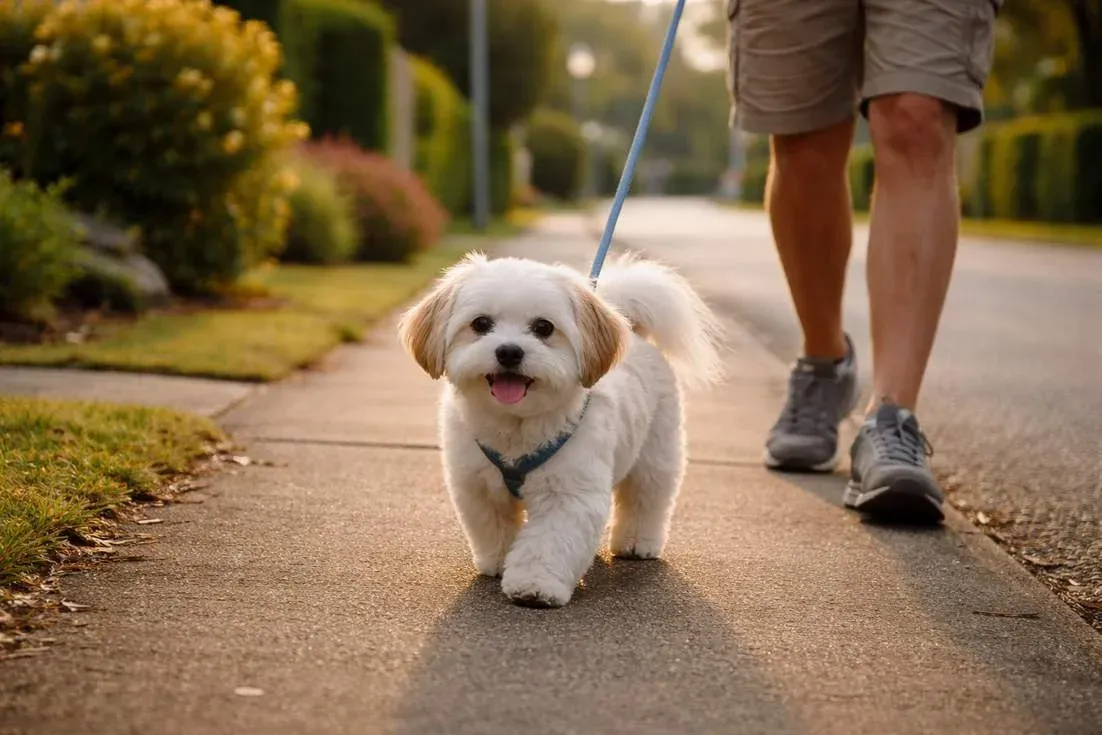
Good news for apartment dwellers: Maltese Shih Tzus don’t need extensive exercise. A daily walk of 15-30 minutes plus some indoor playtime is usually sufficient. They were bred as companion dogs, not athletes, and their small size means they tire more quickly than larger breeds.
That said, they’re not complete couch potatoes. Maltese Shih Tzus have a playful side and enjoy short bursts of activity — chasing a ball, playing tug, or exploring the garden. Mental stimulation is just as important as physical exercise for these intelligent little dogs.
Recommended Activities:
- Short daily walks (avoid hot pavement in summer)
- Indoor fetch games
- Puzzle toys for mental stimulation
- Gentle play sessions
If your Maltese Shih Tzu seems restless or develops destructive habits, they may need more mental stimulation rather than more exercise. Try puzzle feeders, training sessions, or new toys.
Maltese Shih Tzu Training Guide
If training feels challenging, don’t be discouraged — Maltese Shih Tzus are intelligent but can be stubborn. They respond poorly to harsh corrections and may simply shut down or become anxious. The key is patience, consistency, and making training feel like a game rather than a chore.
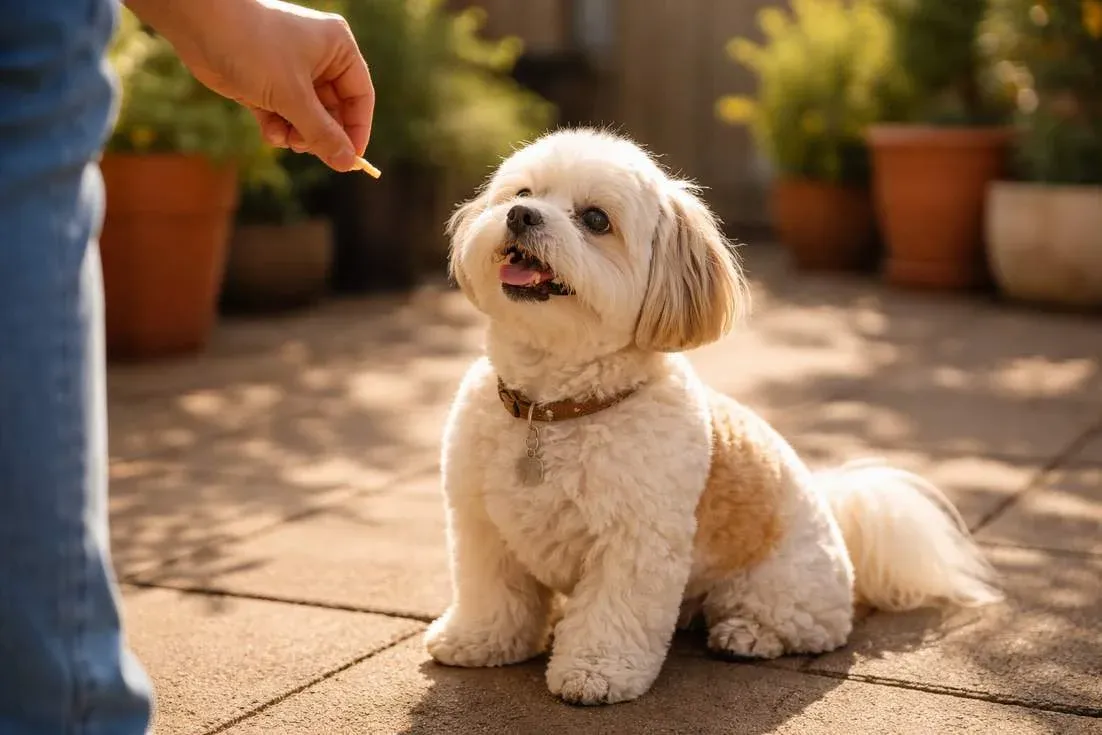
Positive reinforcement is essential with this breed. Treats, praise, and affection motivate them far more effectively than discipline. Keep sessions short (5-10 minutes) to maintain their attention, and always end on a positive note.
Socialisation & Training Timeline
| Age | Training Focus | Expected Outcomes |
|---|---|---|
| 8-12 weeks | Name, toilet training, crate introduction, handling | Basic recognition, tolerates grooming |
| 3-4 months | Sit, stay, come, lead walking, broad socialisation | Foundation commands, confident around people/dogs |
| 4-6 months | Extended commands, impulse control, “quiet” command | Reliable basics, reduced barking |
| 6-12 months | Advanced manners, distraction training, recall | Well-trained companion |
When is a Maltese Shih Tzu full grown? These dogs reach their adult size relatively quickly — most are fully grown by 10-12 months, though they may continue filling out slightly until about 18 months. Mentally, they typically mature around 1-2 years.
Australian dog trainers consistently recommend starting training early and keeping expectations realistic. House training, in particular, can take 4-6 weeks (sometimes longer) with Maltese Shih Tzus. Their small bladders mean frequent toilet breaks are essential, especially for puppies.
Maltese Shih Tzu Price & Costs
What does a Maltese Shih Tzu cost in Australia? Puppies from reputable breeders typically range from $1,500 to $4,500 AUD. The Maltese Shih Tzu price varies based on breeder reputation, parent pedigrees, coat colour, and location.⁹
Initial Costs:
| Expense | Approx. Cost (AUD) |
|---|---|
| Maltese Shih Tzu Puppy (Ethical Breeder) | $1,500 – $4,500 |
| Adoption Fee (Rescue) | $200 – $600 |
| Initial Vet Check + Vaccinations | $150 – $300 |
| Desexing | $200 – $400 |
| Essential Supplies (bed, crate, bowls, collar, toys) | $200 – $500 |
| TOTAL INITIAL COST (Breeder) | $2,250 – $5,700 |
Annual Ongoing Costs:
- Food: $400 – $800 (premium small-breed food like Advance Small Breed or Royal Canin)
- Grooming: $600 – $1,200 (professional grooming every 4-6 weeks)
- Vet & Preventatives: $400 – $700 (routine care, vaccinations, dental cleaning, parasite prevention)
- Pet Insurance: $300 – $800 (recommended for potential dental and knee issues)
- TOTAL ANNUAL: $1,700 – $3,500
Lifetime Cost Estimate: $22,000 – $50,000+ over a 12-14 year lifespan
Finding a Maltese Shih Tzu: Search PetRescue — Maltese Shih Tzus occasionally appear in rescue. Look for breeders registered with RPBA (Responsible Pet Breeders Australia) or state equivalents.
Is a Maltese Shih Tzu Right for You?
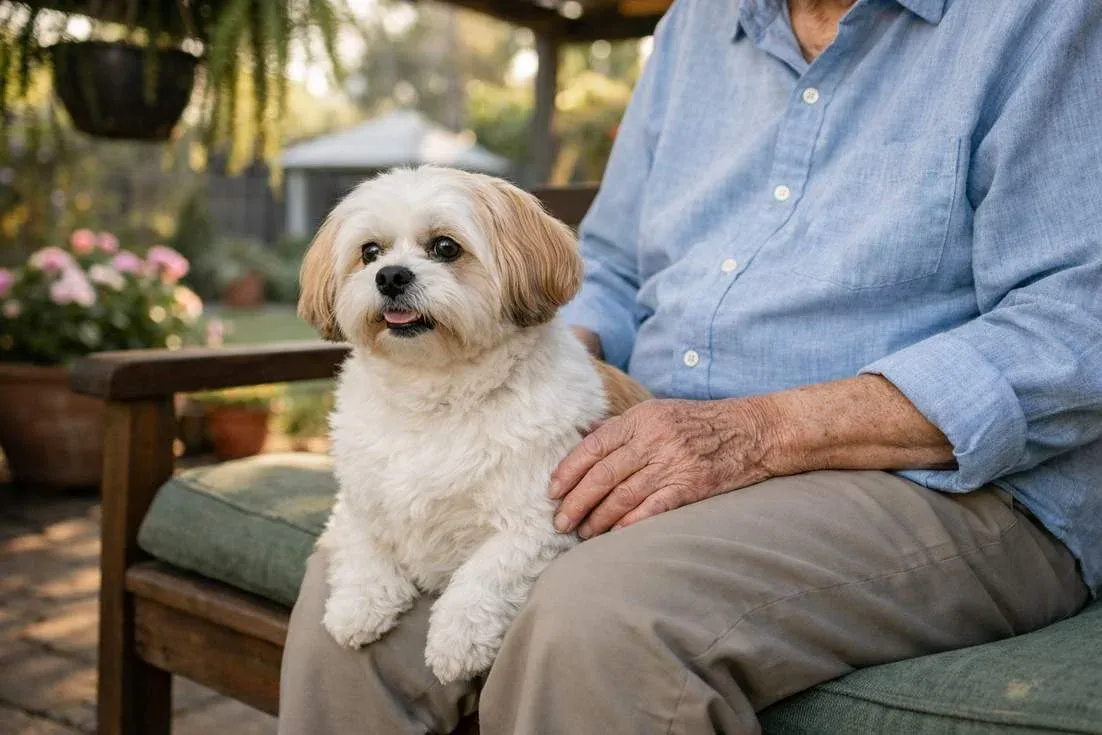
Singles, couples, families with older children, retirees, or anyone seeking an affectionate lap dog who wants to be your constant companion. Perfect for apartment living or homes without large yards.
- Home Size: Excellent for apartments and small homes — they don’t need much space to be happy
- Yard: Not required if you can provide daily walks and indoor play
- Climate: Maltese Shih Tzus prefer moderate temperatures. They can overheat in summer (especially if brachycephalic traits are present) and may need a coat in winter due to their small size.
Being honest about these points now saves heartbreak later. A Maltese Shih Tzu may not be right for you if:
- You work long hours and can’t provide company — these dogs genuinely suffer when left alone for extended periods
- You have very young children or toddlers — their small size makes them vulnerable to injury
- You can’t commit to regular grooming — their coat mats quickly without attention
- You want a jogging partner or highly athletic dog — they’re companions, not athletes
These characteristics vary between individual dogs — some Maltese Shih Tzus handle alone time better than others, and coat texture varies. But these general tendencies should inform your decision.
Perfect for: First-time owners, apartment dwellers, families with older children, retirees, anyone wanting a devoted lap dog who’ll be your shadow
Think twice if: You’re away from home frequently, have toddlers, want minimal grooming, or prefer an independent dog
First-time owner rating: Excellent — their small size, low exercise needs, and affectionate nature make them ideal for novice owners. The main challenges (grooming, house training, separation anxiety) are very manageable with patience.
Maltese Shih Tzu FAQs
What is a Maltese Shih Tzu?
A Maltese Shih Tzu (also called Malshi) is a designer crossbreed between a Maltese and a Shih Tzu. First developed in Australia in the 1990s, they combine both breeds’ affectionate nature with a low-shedding coat.¹
How long do Maltese Shih Tzus live?
The average Maltese Shih Tzu lifespan is 12-14 years. Some live even longer with proper care. This longevity comes from both parent breeds, which are known for their impressive lifespans.⁶
Do Maltese Shih Tzus shed?
Maltese Shih Tzus shed very little. Their coat is more like hair than fur, growing continuously rather than shedding seasonally. This makes them popular with allergy sufferers, though no dog is truly hypoallergenic.
How big do Maltese Shih Tzus get?
A full grown Maltese Shih Tzu typically stands 20-30 cm (8-12 inches) tall and weighs 3-6 kg (6-12 lbs). They’re a toy breed, remaining small throughout their lives.²
How much does a Maltese Shih Tzu cost in Australia?
Maltese Shih Tzu puppies in Australia typically cost $1,500-$4,500 from ethical breeders. Adoption through rescue organisations costs $200-$600.⁹
Are Maltese Shih Tzus good with children?
Yes, but they’re better suited to families with older children who understand how to handle small dogs gently. Their tiny size makes them vulnerable to accidental injury from toddlers.
Are Maltese Shih Tzus hard to train?
They’re intelligent but can be stubborn. House training often takes longer than expected. Positive reinforcement and patience work best — they respond poorly to harsh corrections.
What is the difference between a Maltese Shih Tzu and a Shih Tzu?
A Shih Tzu is a purebred dog, while a Maltese Shih Tzu is a cross between a Maltese and a Shih Tzu. Maltese Shih Tzus tend to be slightly smaller, may shed less, and can have varied coat colours inherited from both parents.³
Primary Sources:
- DogTime — Maltese Shih Tzu breed information — dogtime.com
- PetCare Australia — Maltese Shih Tzu breed profile — petcare.com.au
- Dogster — Maltese vs Shih Tzu comparison — dogster.com
Veterinary & Health Sources:
- PetMD — Malshi dog breed health information — petmd.com
- Australian Veterinary Association — Eye conditions in dogs — ava.com.au
- DogTime — Malshi lifespan information — dogtime.com
Australian-Specific Sources:
- Animal Corner — Maltese Shih Tzu breed guide — animalcorner.org
- RSPCA Australia — Exercise guidelines for dogs — rspca.org.au
- Pets Online — Maltese Shih Tzu pricing in Australia — petsonline.com.au