

In 2022, a liver-coloured Flat-Coated Retriever named Baxer – Ch. Almanza Backseat Driver – won Best in Show at Crufts, the world’s most prestigious dog show.¹ That victory wasn’t just a celebration of physical beauty; it showcased everything that makes this breed extraordinary: elegance, charisma, and an irrepressible joy that radiates from every wagging tail. If you’re researching the Flat-Coated Retriever, you’re considering a dog that breed enthusiasts affectionately call the “Peter Pan” of the canine world – a spirited companion who never quite grows up.
But here’s what the show ring doesn’t tell you: living with a Flat-Coated Retriever means embracing both the boundless enthusiasm and the heartbreaking health realities that come with this remarkable breed. This guide will give you everything you need to make an informed decision.
What You’ll Learn:
- Breed traits & temperament
- Health concerns to know
- True cost in Australia
- Training & exercise needs
- Is this breed right for you?
Quick Facts
| Attribute | Details |
| Breed Group | Gundog (Sporting) |
| Origin | England, United Kingdom |
| Size Category | Large |
| Height (Adult) | Male: 58-61 cm | Female: 56-58 cm |
| Weight (Adult) | Male: 27-36 kg | Female: 25-32 kg |
| Lifespan | 8-10 years |
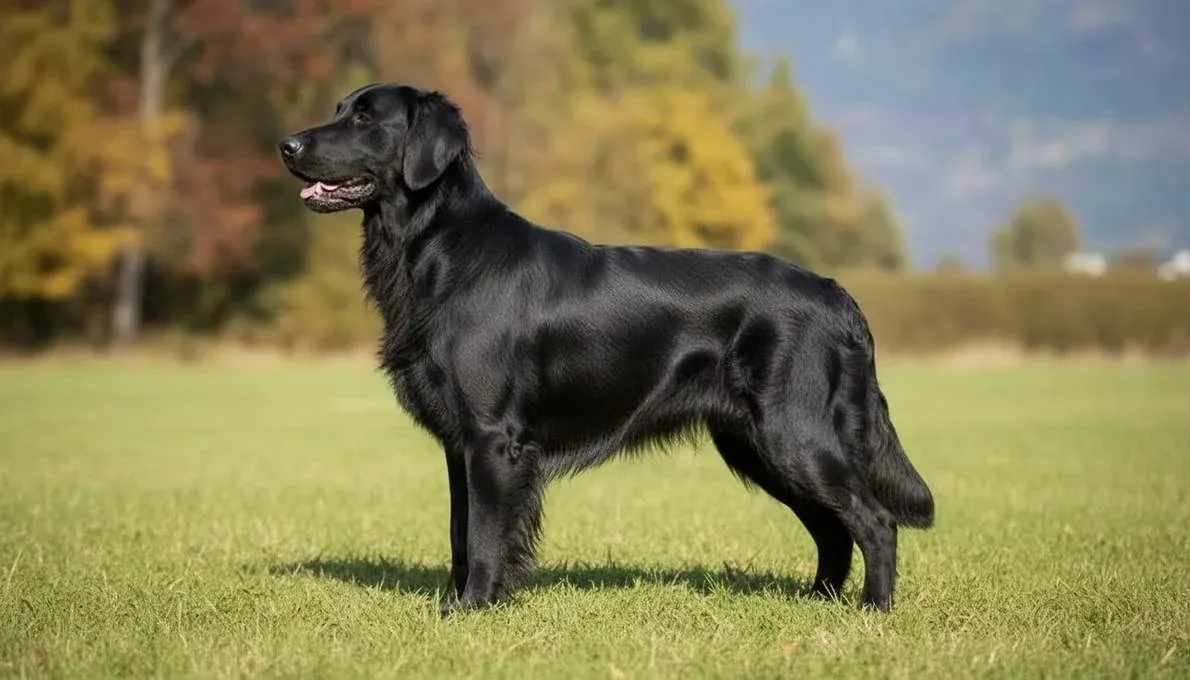
| Coat Type | Dense, flat-lying, medium length |
| Exercise Needs | 90+ minutes/day |
| Trainability | 4/5 |
| Good with Children | Yes (best with older children) |
| First-Time Owner Suitable | 3/5 |
| Average Puppy Price (AUD) | $2,000 – $3,500 |
Data sourced from ANKC Breed Standards and Dogs Australia registry.¹
History of the Breed
The Flat-Coated Retriever emerged in mid-19th century England, developed to serve as the ultimate gamekeeper’s companion. Breeders combined several breeds – including the St. John’s Water Dog from Newfoundland, various spaniels, setters, and possibly collies – to create a versatile retriever equally capable on land and in water.²
According to the American Kennel Club’s breed history archives, the breed was originally known as the “Wavy-Coated Retriever” before the flatter coat became the standard.² By the late 1800s, Flat-Coated Retrievers were Britain’s most popular retriever breed. However, their numbers declined dramatically after World War II as Labrador and Golden Retrievers rose to prominence. Careful breeding programs in the 1960s brought the breed back from the brink, and today, while still relatively rare, the Flat-Coated Retriever maintains a devoted following in Australia and worldwide.
Temperament & Personality
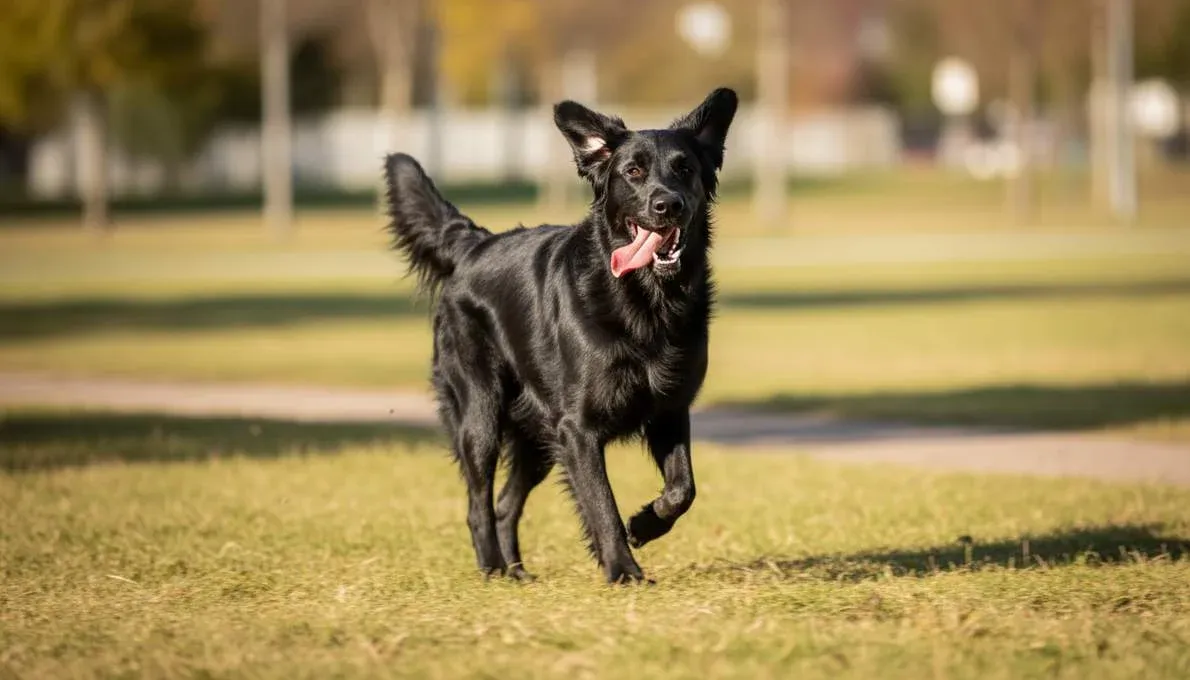
Eternally Optimistic: There’s a reason breeders call them the “Peter Pan” of dogs. Your Flat-Coated Retriever will maintain puppy-like enthusiasm well past their third birthday – and honestly, most never quite lose that sparkle. Many owners report that the first three years feel like an extended puppyhood, but by age four, you’ll have the most joyful, devoted companion imaginable.
Deeply Affectionate: These are “velcro dogs” through and through. Expect your Flat-Coat to follow you from room to room, supervise your cooking, and position themselves so at least one paw touches you at all times. As one Queensland breeder put it: “A Flat-Coat doesn’t just live with you – they absorb into your life like a happy, furry shadow that occasionally steals your socks.”
Intelligent and Eager: This breed lives to please. They’re quick learners who thrive on having a job to do, whether that’s retrieving ducks, competing in agility, or simply mastering an impressive repertoire of tricks.
Sensitive Souls: Don’t let the bouncy exterior fool you. Flat-Coated Retrievers are remarkably sensitive and will wilt under harsh correction. Every Flat-Coat is different, but most respond best to gentle guidance and positive reinforcement.
Mischievous Streak: That intelligence? It cuts both ways. A bored Flat-Coat will find creative ways to entertain themselves – and “creative” rarely means “convenient for you.”
Flat-Coated Retrievers genuinely adore children and make wonderful family dogs. However, their exuberance means they’re better suited to families with older children (typically 8+) who won’t be knocked over by an enthusiastic greeting. Their retriever heritage means they’re naturally mouthy, so teaching appropriate behaviour around little ones is essential.
First-time Flat-Coated Retriever owners are often surprised by just how long the “puppy brain” phase lasts. If your household includes toddlers who can’t handle being accidentally bumped by a wagging tail that never stops, you might want to wait a few years.
Most Flat-Coats get along brilliantly with other dogs – they’re social butterflies who view every canine as a potential playmate. Cats? Generally fine, especially if introduced during puppyhood. But here’s the caveat: their strong hunting instincts mean birds and small prey animals are not a good match. If your Flat-Coat starts trying to “herd” the guinea pig, redirect that energy immediately with a game of fetch.
If your Flat-Coated Retriever starts destructive chewing or excessive barking, don’t panic – this almost always indicates insufficient exercise or mental stimulation rather than a temperament problem. These dogs need serious physical outlets. Without them, your shoes, furniture, and garden beds become fair game for a bored retriever’s creativity.
Health Issues
If you’re worried about health problems in Flat-Coated Retrievers, you’re not alone – it’s one of the first things prospective owners ask. The good news is that with proper veterinary care and realistic expectations, you can provide your Flat-Coat with the best possible quality of life. The difficult truth is that this breed faces significant cancer risks that every potential owner must understand.
Cancer is a leading cause of death in Flat-Coated Retrievers, with studies indicating that over 50% of the breed will develop some form of cancer.³ The most common types include:
Histiocytic Sarcoma: This aggressive cancer is particularly prevalent in Flat-Coats. Research from a UK cohort study found that soft tissue sarcomas (especially histiocytic sarcoma) accounted for 44% of all cancer diagnoses in the breed.⁴
- Prevalence: Significantly elevated compared to other breeds
- Symptoms: Lethargy, weight loss, loss of appetite, lumps
- Treatment Cost (AUD): $3,000-$10,000+ for chemotherapy
Lymphoma and Mast Cell Tumours: Also occur at higher rates than in the general dog population.
- Symptoms: Swollen lymph nodes, lethargy, digestive issues
- Treatment Cost (AUD): $5,000-$15,000
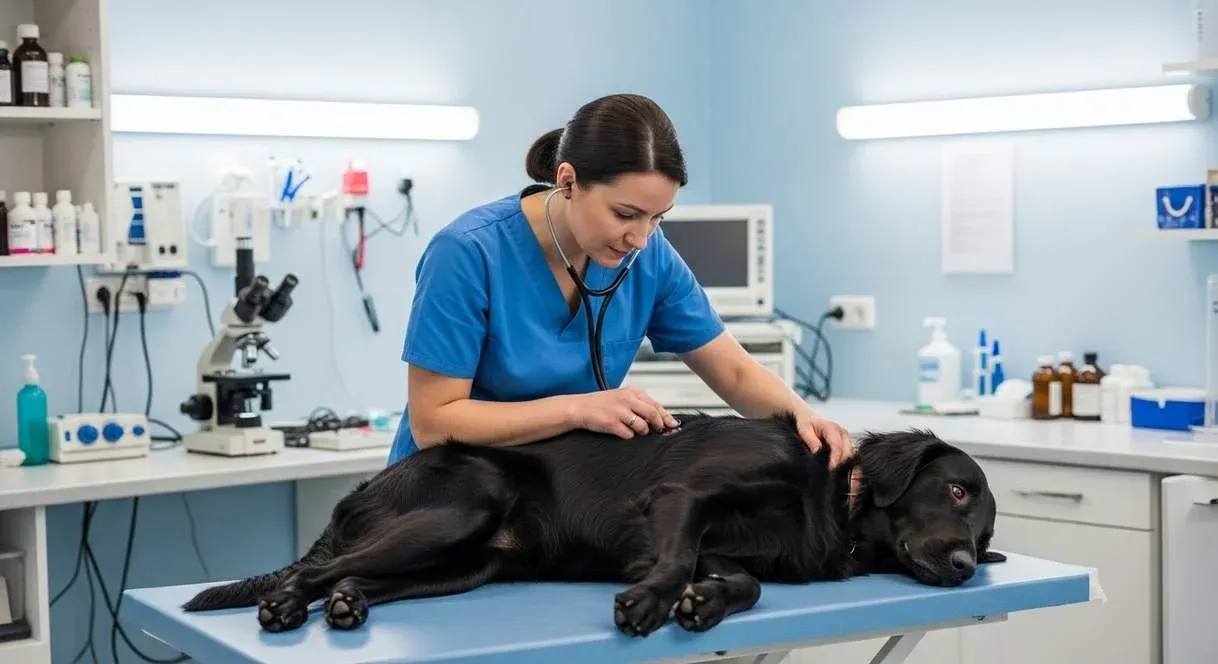
Prevention Focus: Regular veterinary check-ups (at least twice yearly for dogs over 6), monthly home examinations for lumps and bumps, and maintaining a healthy weight are your best defences.
Hip Dysplasia
- Prevalence: Moderate (common in large breeds)
- Symptoms: Lameness, difficulty rising, reluctance to exercise
- Treatment Cost (AUD): $1,500-$7,000 for surgery
- Prevention: Purchase from breeders who hip-score breeding stock
Dilated Cardiomyopathy (DCM)
Flat-Coated Retrievers are especially prone to this life-threatening heart condition where the heart becomes enlarged and weak.³ Annual heart screenings starting at age one can detect issues early.
Exercise-Induced Collapse (EIC)
Some Flat-Coats can collapse suddenly during intense exercise. DNA testing can identify carriers before breeding.

Lifespan & Longevity
Average lifespan for Flat-Coated Retrievers is 8-10 years, though a 2024 UK study found an average life expectancy of 11.7 years – showing improvement through careful breeding practices.⁵
Veterinarians at the Australian Veterinary Association recommend these longevity strategies: maintain optimal body weight, provide consistent exercise, schedule regular health screenings, and choose a breeder who prioritises health testing.⁶

Grooming Guide
That gorgeous, glossy coat? It requires regular attention, but the good news is that Flat-Coated Retrievers are relatively low-maintenance compared to many long-coated breeds.
| Task | Frequency | Time | Tools/Products |
| Brushing | 2-3 times weekly | 15-20 mins | Slicker brush, metal comb |
| Bathing | Every 6-8 weeks | 30-40 mins | Dermcare or Fido’s Shampoo |
| Nail Trimming | Every 2-3 weeks | 10-15 mins | Clippers or grinder |
| Ear Cleaning | Weekly | 5-10 mins | PAW by Blackmores cleaner |
| Pro Grooming | Every 3-4 months | 1-2 hours | $60-$100 |
Do Flat-Coated Retrievers shed? Yes – moderately year-round with heavier shedding during seasonal changes. That dense, water-resistant double coat releases hair consistently, so expect to become well-acquainted with your vacuum cleaner. Weekly brushing reduces loose hair significantly, and many Australian owners find that a quality deshedding tool during spring and autumn makes a real difference.
Flat-Coated Retrievers come in two recognised colours: black (most common) and liver (a rich, dark brown). Yellow Flat-Coats exist but are disqualified from conformation showing under breed standards. The coat should be dense, flat-lying, and lustrous – never curly, woolly, or fluffy.
Exercise Needs
This can feel overwhelming at first, but understanding your Flat-Coat’s exercise needs upfront prevents frustration later.
According to the RSPCA Australia (rspca.org.au), active breeds like the Flat-Coated Retriever require substantial daily exercise to maintain physical and mental health.⁷ We’re talking 90+ minutes minimum – and that’s not a leisurely stroll around the block.
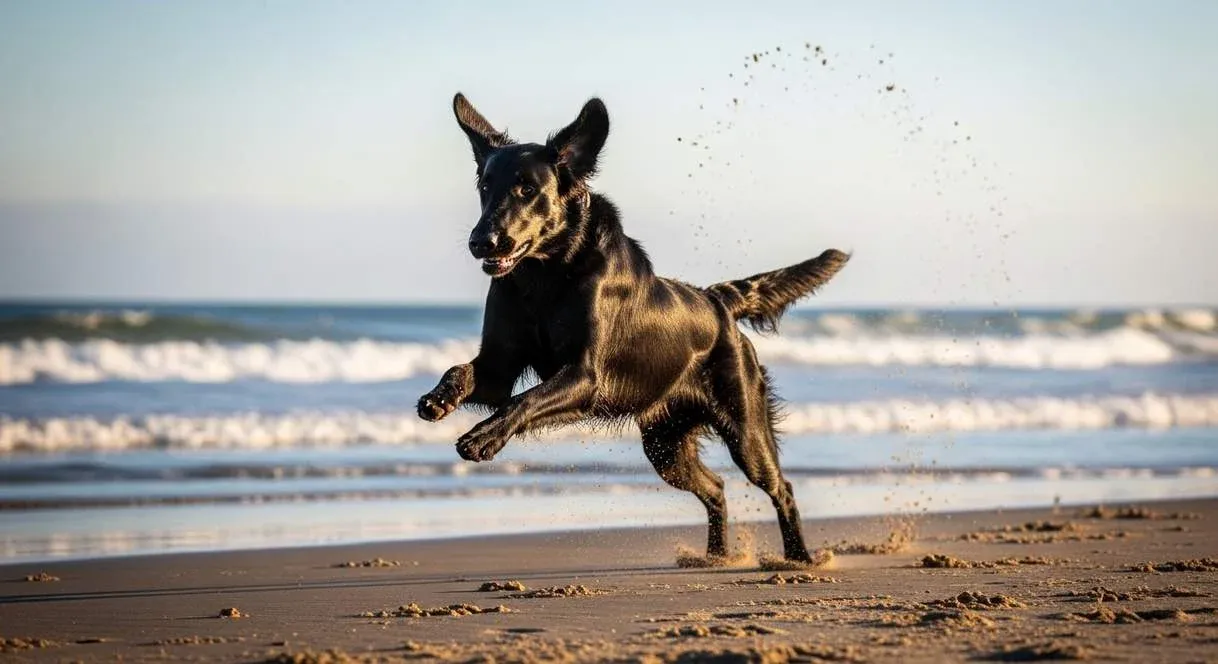
Physical Activity: Your Flat-Coated Retriever needs vigorous exercise including running, swimming (they’re natural water dogs), fetch sessions, and off-lead play. Many owners report that two substantial exercise sessions – morning and evening – work best.
Mental Stimulation: Physical exercise alone isn’t enough. Puzzle feeders, scent work, training sessions, and interactive games keep that intelligent brain occupied.
If your Flat-Coated Retriever becomes destructive, hyperactive indoors, or starts displaying obsessive behaviours, inadequate exercise is almost always the culprit. First-time owners are often surprised by how much activity these dogs truly need. The key is to build gradually – a well-exercised Flat-Coat is calm indoors, while an under-exercised one will find creative (and often expensive) ways to burn energy.
Heat Considerations: Black Flat-Coated Retrievers can struggle in Australian summers. Exercise early morning or after sunset during hot months, always provide water, and watch for signs of overheating.

Training Guide
Don’t be discouraged if your Flat-Coated Retriever seems more interested in playing than focusing during early training sessions – this is completely normal. Their slow maturation means you need patience, but the payoff is a brilliantly responsive companion.
Training Approach
Flat-Coated Retrievers are highly intelligent and eager to please, but they’re also sensitive souls who respond poorly to harsh methods. According to the American Kennel Club (akc.org), positive reinforcement with plenty of variety keeps this breed engaged.² Repetitive drills bore them quickly – mix things up!
If your Flat-Coat suddenly refuses to cooperate, they’re not being stubborn. They’re likely telling you they need a break, more variety, or gentler handling. Take a breath, reset, and approach from a different angle.
Socialisation Timeline
| Age | Training Focus | Expected Outcomes |
| 8-12 weeks | Name, potty training, crate intro | Basic responses |
| 3-4 months | Sit, stay, come, leash manners | Foundational obedience |
| 4-6 months | Advanced commands, socialisation | Reliable basics |
| 6-12 months | Off-lead, impulse control | Well-mannered adolescent |
| 12-36 months | Ongoing reinforcement | Trustworthy companion |
Training Tips for Success
- Keep sessions short: 10-15 minutes maximum for puppies
- Use high-value treats: Flat-Coats are food-motivated
- End on a positive note: Always finish with success
- Embrace their retriever nature: Fetch-based training games work brilliantly
- Consider group classes: Socialisation plus training in one package
Price & Costs
Initial Costs
| Expense | Approx. Cost (AUD) |
| Puppy Price (Registered Breeder) | $2,000 – $3,500 |
| Adoption Fee (Rescue) | $300 – $600 |
| Initial Vet + Vaccinations | $200 – $400 |
| Desexing | $300 – $600 |
| Essential Supplies | $400 – $700 |
| TOTAL INITIAL COST | $3,200 – $5,200 |
Finding Reputable Breeders: Find registered breeders through the Dogs Australia Breeder Directory (dogsaustralia.org.au).⁸ In Australia, Flat-Coated Retriever breeders are relatively rare, so expect waiting lists. Reputable Australian breeders like Copperkee (QLD), Alubyc (Gold Coast), Peppatree (VIC), and Kellick (VIC) conduct comprehensive health testing including hip and elbow scoring and eye certificates.
Consider Adoption: Consider adoption through PetRescue (petrescue.com.au) or breed-specific rescue networks.⁹ Adult Flat-Coats occasionally become available through no fault of their own.
Annual Ongoing Costs
| Expense | Approx. Cost (AUD) |
| Food (Black Hawk, Advance, Ivory Coat) | $1,200 – $1,800 |
| Vet Check-ups & Preventatives | $400 – $800 |
| Pet Insurance | $600 – $1,200 |
| Grooming Supplies | $100 – $200 |
| Training/Activities | $200 – $500 |
| TOTAL ANNUAL | $2,500 – $4,500 |
Lifetime Cost Estimate: $25,000 – $50,000 (based on 9-year average lifespan)
Is This Breed Right for You?
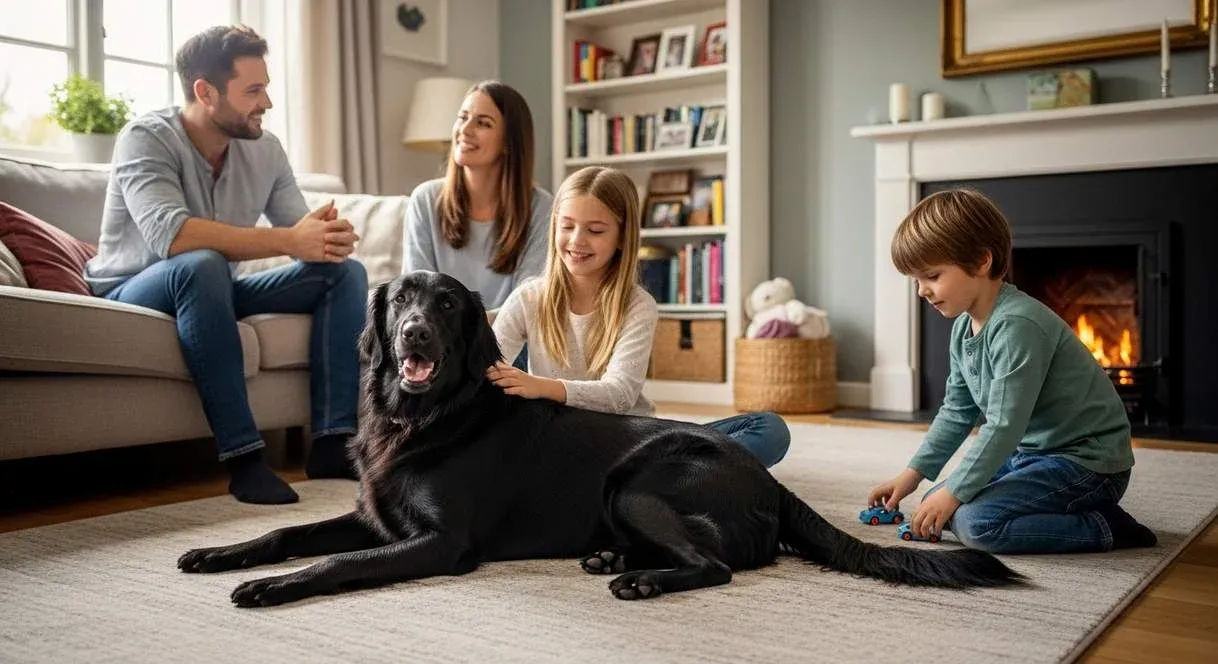
The perfect Flat-Coated Retriever owner is active, patient, and comfortable with a dog who demands genuine engagement. You’ll thrive with this breed if you enjoy long walks, hiking, swimming, or any outdoor activity where an enthusiastic canine companion enhances the experience. You need time for training, tolerance for extended puppyhood, and the emotional resilience to accept that this breed’s lifespan is shorter than average.
- Home Size: House with secure yard preferred; apartments possible only with exceptional commitment to exercise
- Yard: Securely fenced yard highly recommended
- Climate: Adapts well to Australian conditions; black coats require heat management in summer
This can feel overwhelming, but being honest about challenges upfront saves heartbreak later.
- Sedentary households: If you’re not prepared for 90+ minutes of daily exercise, this breed will become destructive and unhappy
- Families with very young children: Their exuberance can inadvertently knock over toddlers
- Those seeking a low-maintenance pet: The exercise, training, and health monitoring requirements are significant
- People away from home frequently: Flat-Coats suffer from separation anxiety and need company
- Those unable to cope emotionally with cancer risk: If the statistical likelihood of losing your dog to cancer before age 10 would devastate you beyond recovery, consider a breed with fewer health challenges
The Flat-Coated Retriever offers something rare in the dog world: a genuine, uncomplicated joy that lights up every room they enter. They’re not the easiest breed, and they’re certainly not the healthiest. But for the right owner, the rewards far outweigh the challenges.
- Perfect for: Active individuals or families who want an enthusiastic, trainable companion and can commit to significant daily exercise.
- Think twice if: You’re looking for a calm, low-energy companion, have limited time for exercise, or would struggle emotionally with the breed’s elevated cancer risks.
- First-time owner rating: Suitable with research and commitment (3/5).
FAQs
Are Flat-Coated Retrievers good for first-time owners?
They can be, with realistic expectations. Their eagerness to please and trainability are assets, but their high exercise needs and extended puppyhood require patience.
Do Flat-Coated Retrievers shed a lot?
They shed moderately year-round with heavier seasonal shedding. Regular brushing (2-3 times weekly) significantly reduces loose hair. They’re not hypoallergenic.
How much exercise does a Flat-Coated Retriever need?
Minimum 90 minutes daily of vigorous activity including running, swimming, or active play. Mental stimulation through training and puzzle toys is equally important.
How long do Flat-Coated Retrievers live?
Average lifespan is 8-10 years. Unfortunately, cancer accounts for over 50% of deaths in this breed.
How much does a Flat-Coated Retriever cost in Australia?
Expect $2,000-$3,500 AUD from registered breeders. Flat-Coated Retrievers are relatively rare in Australia, so waiting lists are common.
Are Flat-Coated Retrievers good with children?
Yes – they’re affectionate and playful with children. However, their exuberance suits older children (8+) better than toddlers.
Are Flat-Coated Retrievers aggressive?
No. Flat-Coated Retrievers are known for their friendly, non-aggressive temperament. They make poor guard dogs precisely because they’re friendly to everyone.
Primary Sources:
1. Dogs Australia (ANKC) – Official breed registration and standards – dogsaustralia.org.au
2. American Kennel Club (AKC) – Breed standards and history – akc.org
Veterinary & Health Sources:
3. VCA Hospitals – Health conditions and veterinary care guidelines – vcahospitals.com
4. PubMed – Mortality in a cohort of flat-coated retrievers in the UK (2009)
5. Pets4Homes – 2024 UK longevity study data
6. Australian Veterinary Association – Care guidelines – ava.com.au
Australian-Specific Sources:
7. RSPCA Australia – Exercise and welfare guidelines – rspca.org.au
8. Dogs Australia – Breeder directory – dogsaustralia.org.au
9. PetRescue – Adoption resources – petrescue.com.au